Advances In Electrode Engineering: Pioneering Materials And Architectures For Next-generation Energy Storage
The relentless global pursuit of advanced energy storage and conversion systems has placed electrode engineering at the forefront of materials science and chemical engineering. The performance, longevity, and safety of devices such as lithium-ion batteries (LIBs), supercapacitors, and fuel cells are intrinsically governed by the design and composition of their electrodes. Recent years have witnessed a paradigm shift from merely optimizing constituent materials to a holistic approach that meticulously engineers electrodes across multiple scales—from atomic-level doping to macroscopic, three-dimensional architectures. This article delves into the latest breakthroughs, emerging technologies, and future trajectories in this dynamic field.
1. Atomic and Nanoscale Engineering: The Foundation of Performance
At the most fundamental level, electrode engineering focuses on manipulating the electronic structure and ionic transport pathways of active materials. A significant recent breakthrough involves the precise engineering of single-atom catalysts (SACs) anchored on carbon substrates for metal-air batteries and fuel cells. For instance, research has demonstrated that Fe-N4 sites embedded in nitrogen-doped graphene can drastically enhance the oxygen reduction reaction (ORR) activity, rivaling platinum-based catalysts (Wang et al., 2021). This atomic-level dispersion maximizes atom utilization and provides a uniform active site, leading to superior catalytic performance and stability.
Simultaneously, nanostructuring remains a cornerstone strategy. The development of heterostructured materials, where two or more distinct phases are intentionally combined at the nanoscale, has created synergistic effects. A prominent example is the construction of MoS2/graphene van der Waals heterostructures for LIBs and sodium-ion batteries (SIBs). The graphene provides a highly conductive and mechanically robust scaffold, while the layered MoS2 offers ample interlayer spacing for rapid ion intercalation. This combination mitigates the inherent poor conductivity of MoS2 and suppresses volume expansion during cycling, resulting in exceptional rate capability and cycle life (Zhang et al., 2022).
Furthermore, the engineering of defect chemistry, particularly the introduction of cationic vacancies or anion doping, has proven highly effective. Introducing sulfur vacancies in MoS2 or oxygen vacancies in metal oxides like TiO2 and Co3O4 creates more active sites for ion adsorption and reduces the energy barrier for ion diffusion, thereby enhancing both capacity and kinetics.
2. Mastering the Mesoscale: The Rise of 3D Architectures
While nanoscale engineering improves intrinsic material properties, the mesoscale architecture of the entire electrode is equally critical. The traditional slurry-cast electrode, a random mixture of active material, conductive carbon, and binder, often suffers from tortuous ion pathways and poor mechanical integrity. A revolutionary alternative is the construction of self-supported, three-dimensional (3D) electrodes.
One cutting-edge approach involves the use of 3D graphene aerogels or carbon foams as a current collector. Active materials, such as silicon or sulfur, can be infiltrated into these porous, interconnected networks. For silicon anodes, which undergo severe volume changes (>300%), this 3D conductive matrix accommodates the expansion and contraction, maintains electrical contact, and prevents pulverization. A recent study showcased a Si nanoparticle-graphene hybrid aerogel anode that retained over 90% of its capacity after 1000 cycles, a remarkable feat for silicon-based electrodes (Liu et al., 2023).
Another promising direction is the application of additive manufacturing, or 3D printing, for fabricating electrodes. Techniques like direct ink writing (DIW) enable the creation of electrodes with customized, hierarchical porous structures. These architectures can be designed to facilitate rapid electrolyte infiltration and shorten ion diffusion distances. Researchers have successfully printed intricate, grid-like lithium-ion battery electrodes that demonstrate significantly improved rate performance compared to their flat, dense counterparts. This level of architectural control opens the door to seamlessly integrating energy storage into structural components, a concept known as "structural batteries."
3. Beyond Active Materials: The Critical Role of Binders and Electrolyte Interphases
Advanced electrode engineering extends beyond the active material to the often-overlooked components like binders. Conventional polyvinylidene fluoride (PVDF) binders are weak and rely on van der Waals forces. For high-capacity materials like silicon or sulfur, this leads to rapid electrode degradation. The development of multifunctional binders represents a major technical breakthrough. These binders, often inspired by biological systems, form robust covalent or hydrogen-bonding networks with active materials. For example, a conductive polymer binder like PEDOT:PSS or a self-healing binder based on hydrogen bonds can maintain electrode integrity during cycling and ensure continuous electron transport, dramatically improving cycle life.
Moreover, engineering a stable electrode-electrolyte interphase is paramount. The Solid Electrolyte Interphase (SEI) on anodes and the Cathode Electrolyte Interphase (CEI) are critical yet unstable. Recent strategies involve constructing artificial SEI/CEI layers. For lithium metal anodes, a significant challenge for next-generation batteries, depositing a thin, uniform layer of Li3PO4 or LiF via atomic layer deposition (ALD) can suppress dendrite growth and minimize side reactions. Similarly, electrolyte additives like fluoroethylene carbonate (FEC) are strategically used to engineer a more flexible, ionically conductive, and mechanically stable native SEI.
4. Future Outlook and Challenges
The future of electrode engineering lies in increasing sophistication and intelligence. Several key directions are emerging:Multi-Modal and AI-Driven Design: The complexity of multi-scale electrode design makes it an ideal candidate for machine learning and artificial intelligence. AI can analyze vast datasets from experiments and simulations to identify optimal material combinations, porosity, and fabrication parameters, accelerating the discovery of next-generation electrodes.Sustainable and Abundant Materials: As the demand for energy storage skyrockets, engineering electrodes based on earth-abundant elements (e.g., sodium, potassium, zinc, aluminum) will be crucial. Research will focus on designing high-performance electrodes for these post-lithium battery technologies with a minimal environmental footprint.Dynamic and Responsive Electrodes: The next frontier may involve "smart" electrodes that can adapt their properties in response to external stimuli (e.g., temperature, pressure) or internal state (e.g., state-of-charge). Self-healing materials that can autonomously repair cracks or interphases could unlock unprecedented longevity.In Operando Characterization: Understanding degradation mechanisms in real-time is vital. The continued development of in-situ and operando techniques (e.g., synchrotron X-ray, TEM, NMR) will provide unparalleled insights, guiding more rational electrode design.
In conclusion, electrode engineering has evolved into a sophisticated discipline that integrates atomic-scale manipulation with macroscopic architectural design. The recent progress in single-atom catalysts, 3D printing, multifunctional binders, and interphase control is pushing the boundaries of energy storage technology. As we move forward, a synergistic combination of computational guidance, advanced manufacturing, and deep fundamental understanding will be the key to unlocking the full potential of electrode engineering for a sustainable energy future.
References:Liu, Y., et al. (2023). "A Mechanically Robust and Highly Conductive 3D Graphene-Silicon Aerogel for Ultra-Stable Lithium-Ion Battery Anodes."Advanced Energy Materials, 13(10), 2203654.Wang, J., et al. (2021). "Design of N-doped Graphene-Supported Single-Atom Fe-N4 Catalysts for High-Performance Zinc-Air Batteries."Nature Catalysis, 4, 407-417.Zhang, K., et al. (2022). "Regulating Ion Transport in MoS2/Graphene Heterostructures for Enhanced Sodium-Ion Storage."ACS Nano, 16(2), 3105-3116.
Customized/OEM/ODM Service
HomSolar Supports Lifepo4 battery pack customization/OEM/ODM service, welcome to contact us and tell us your needs.


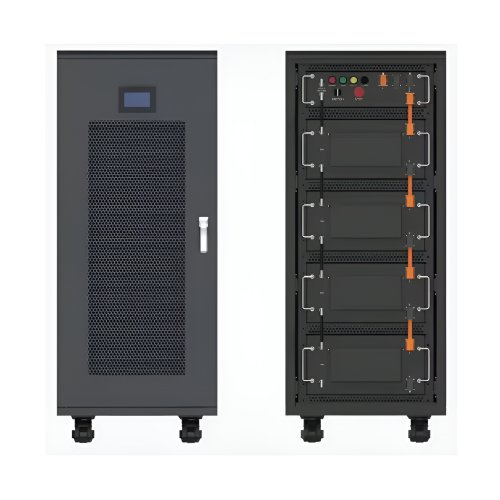
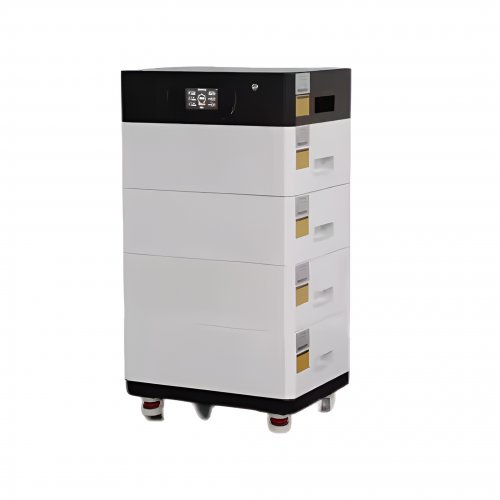
HomSolar: Your One-stop LiFePO4 Battery Pack & ESS Solution Manufacturer
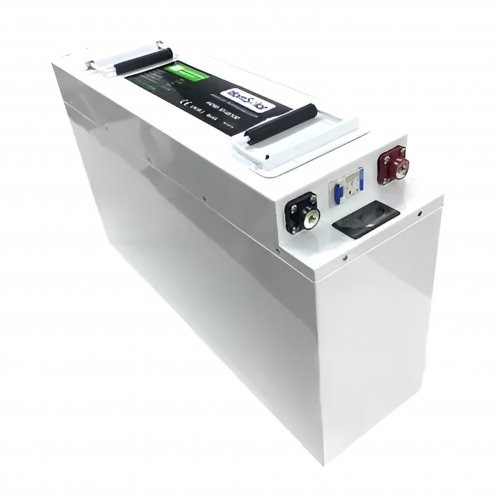
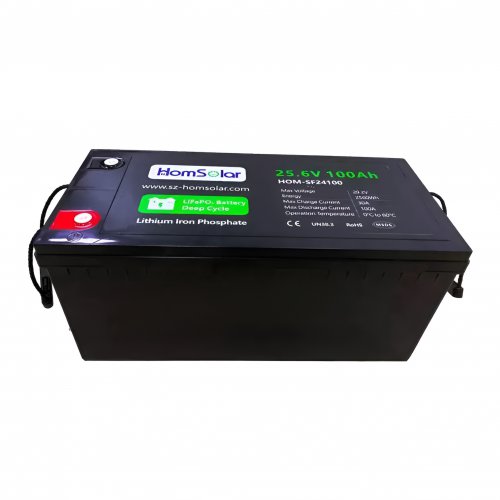
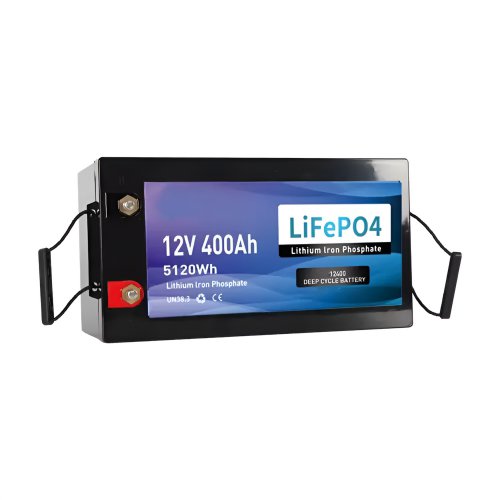
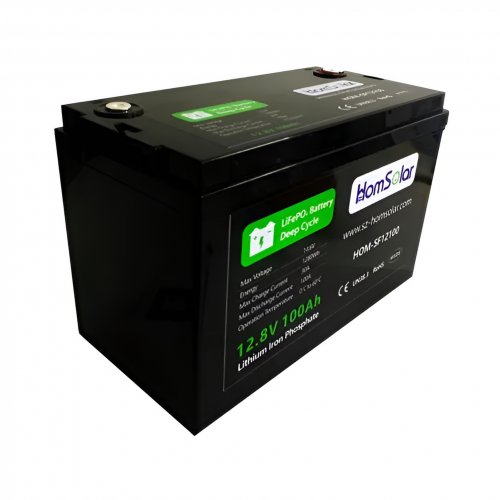
Our line of LiFePO4 (LFP) batteries offer a solution to demanding applications that require a lighter weight, longer life, and higher capacity battery. Features include advanced battery management systems (BMS), Bluetooth® communication and active intelligent monitoring.
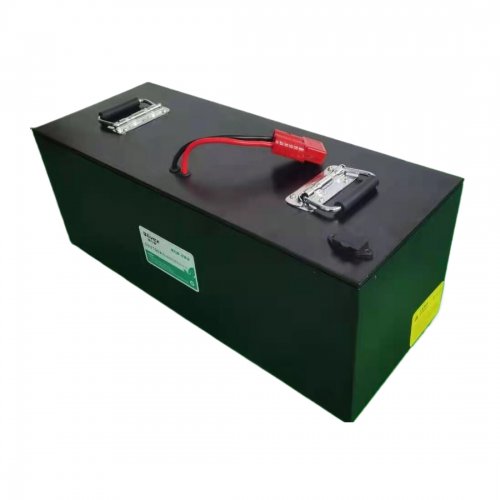
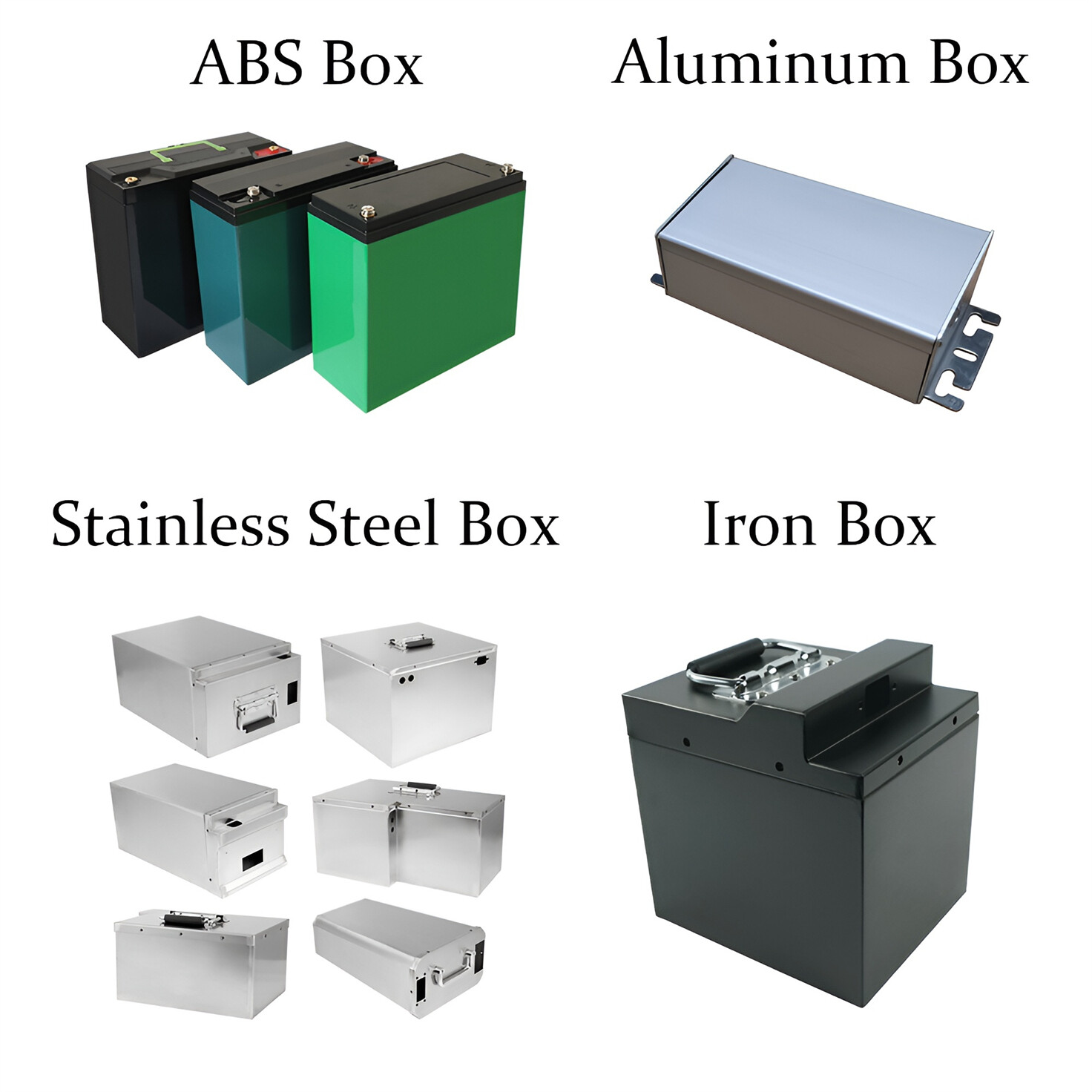
Customised Lithium Iron Phosphate Battery Casing
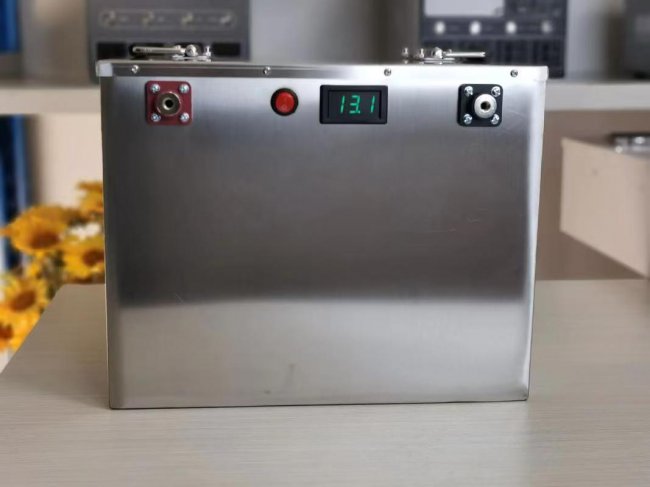
ABS plastic housing, aluminium housing, stainless steel housing and iron housing are available, and can also be designed and customised according to your needs.
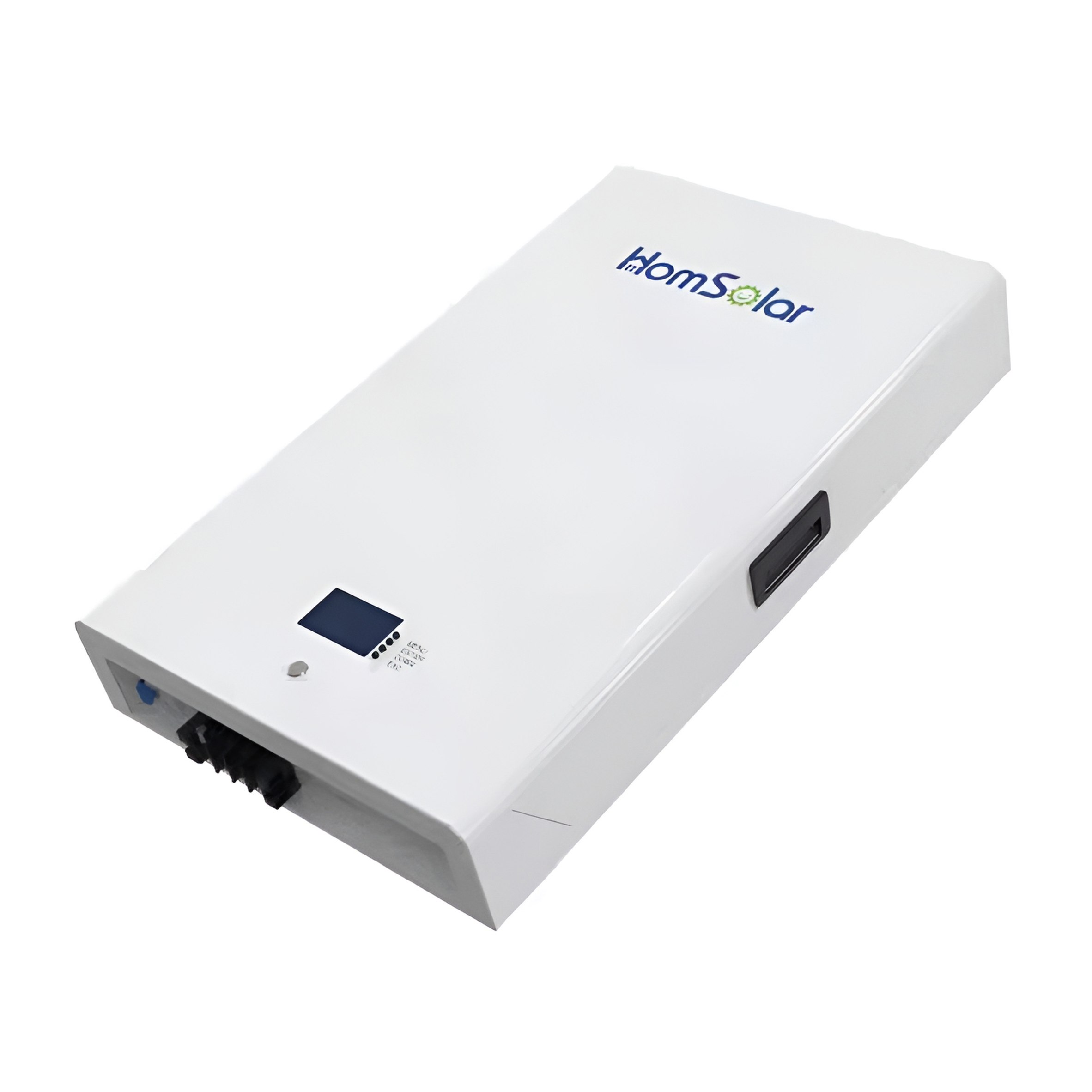
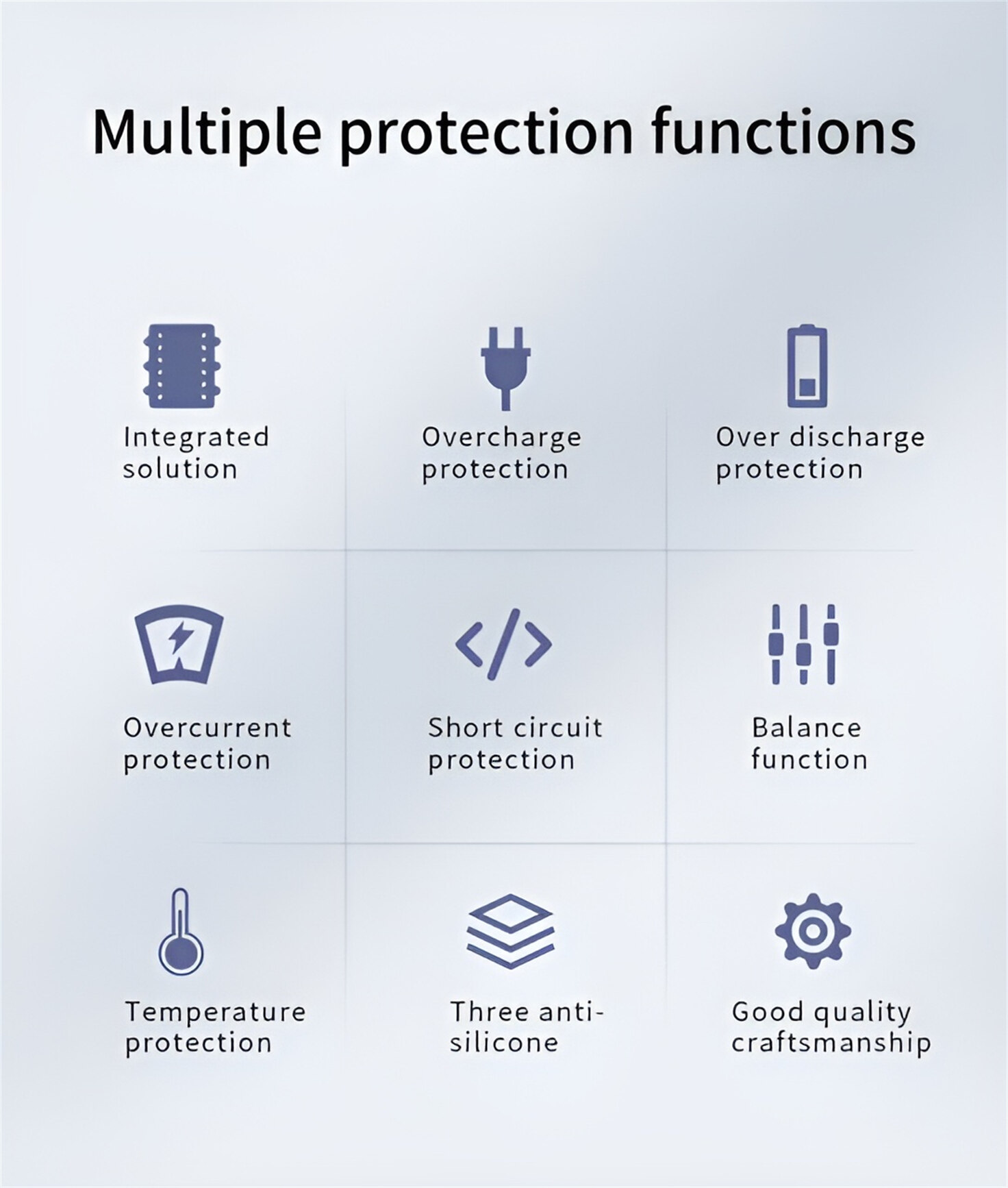
HomSolar Smart BMS
Intelligent Battery Management System for HomSolar Energy Storage System. Bluetooth, temperature sensor, LCD display, CAN interface, UART interface also available.

Terminals & Plugs Can Be Customized
A wide range of terminals and plugs can be customised to suit the application needs of your battery products.

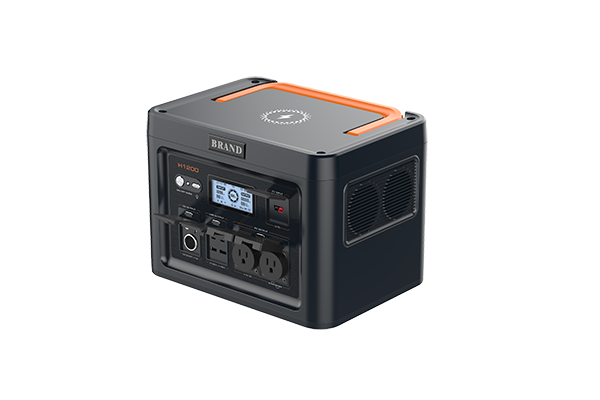
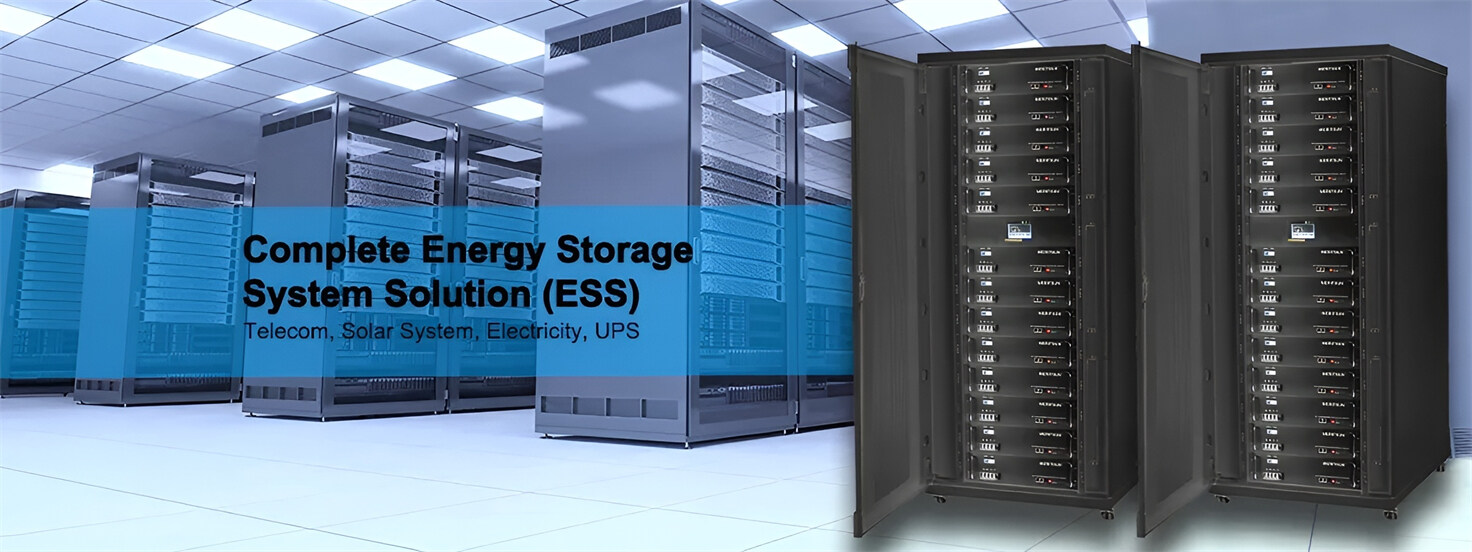
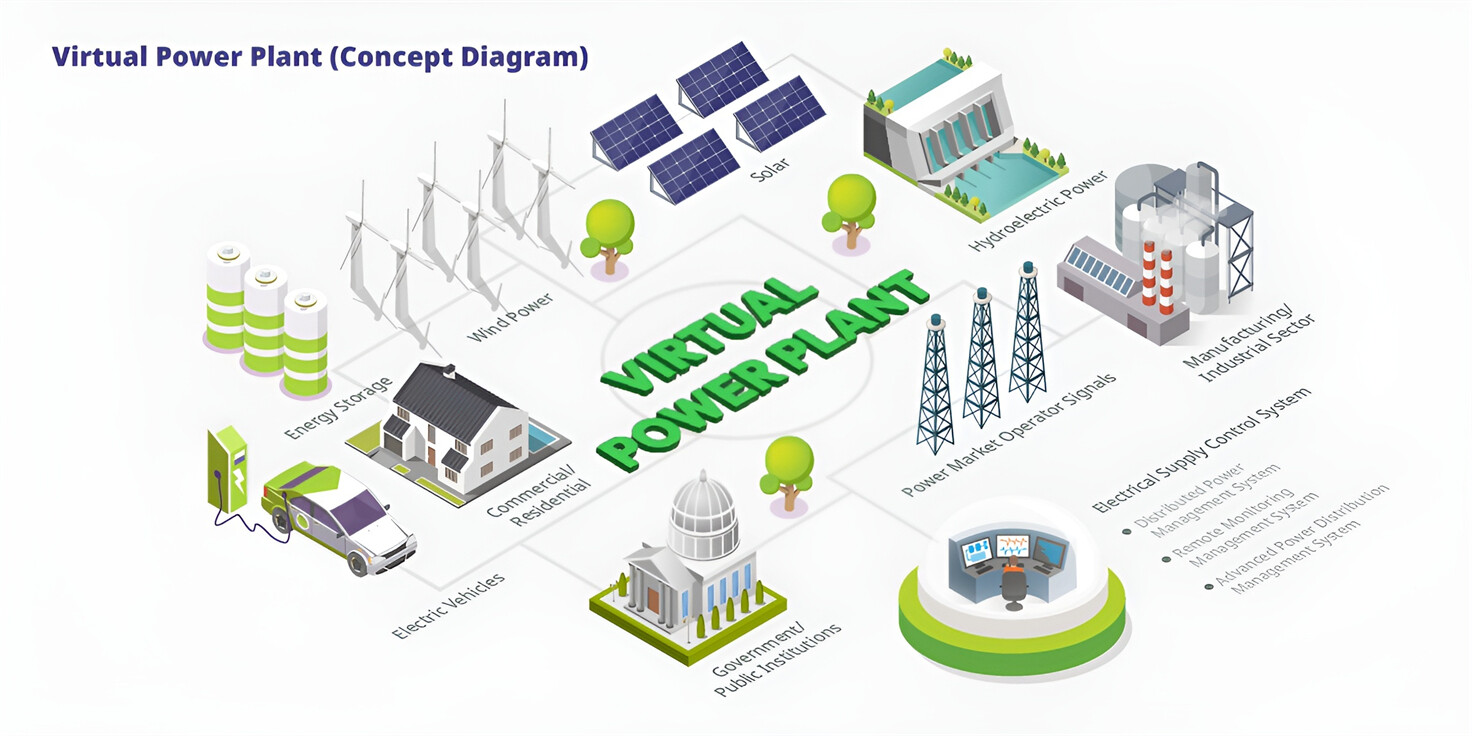
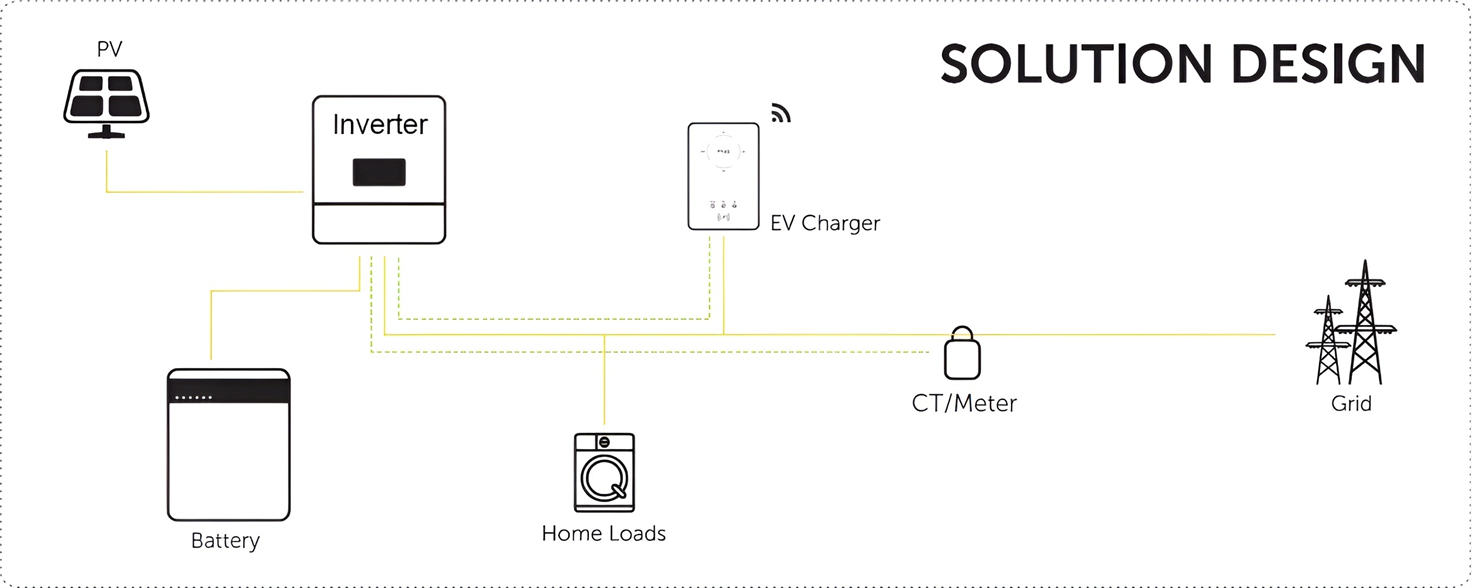
Well-designed Solutions for Energy Storage Systems
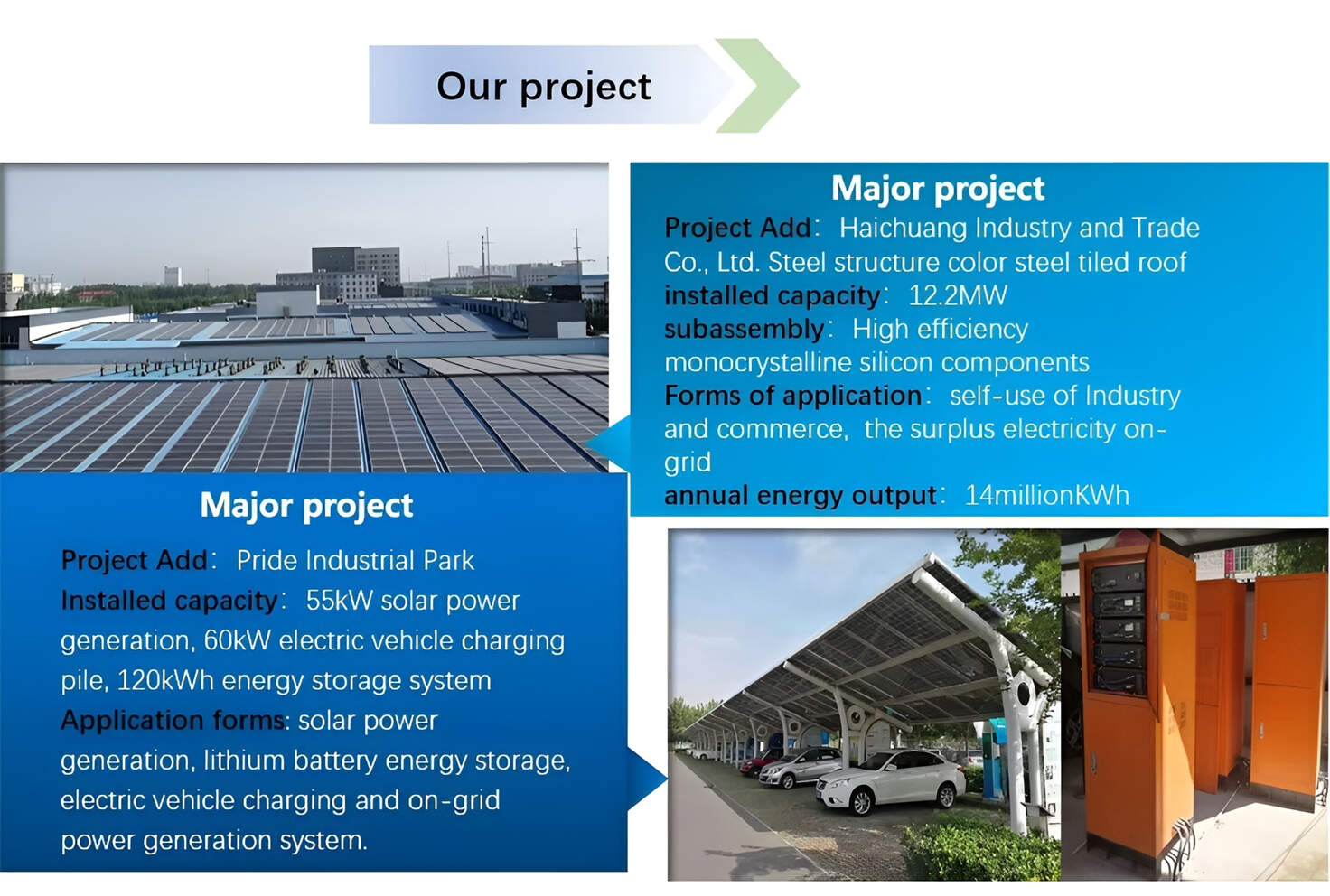
We will design the perfect energy storage system solution according to your needs, so that you can easily solve the specific industry applications of battery products.
About Our Battery Cells
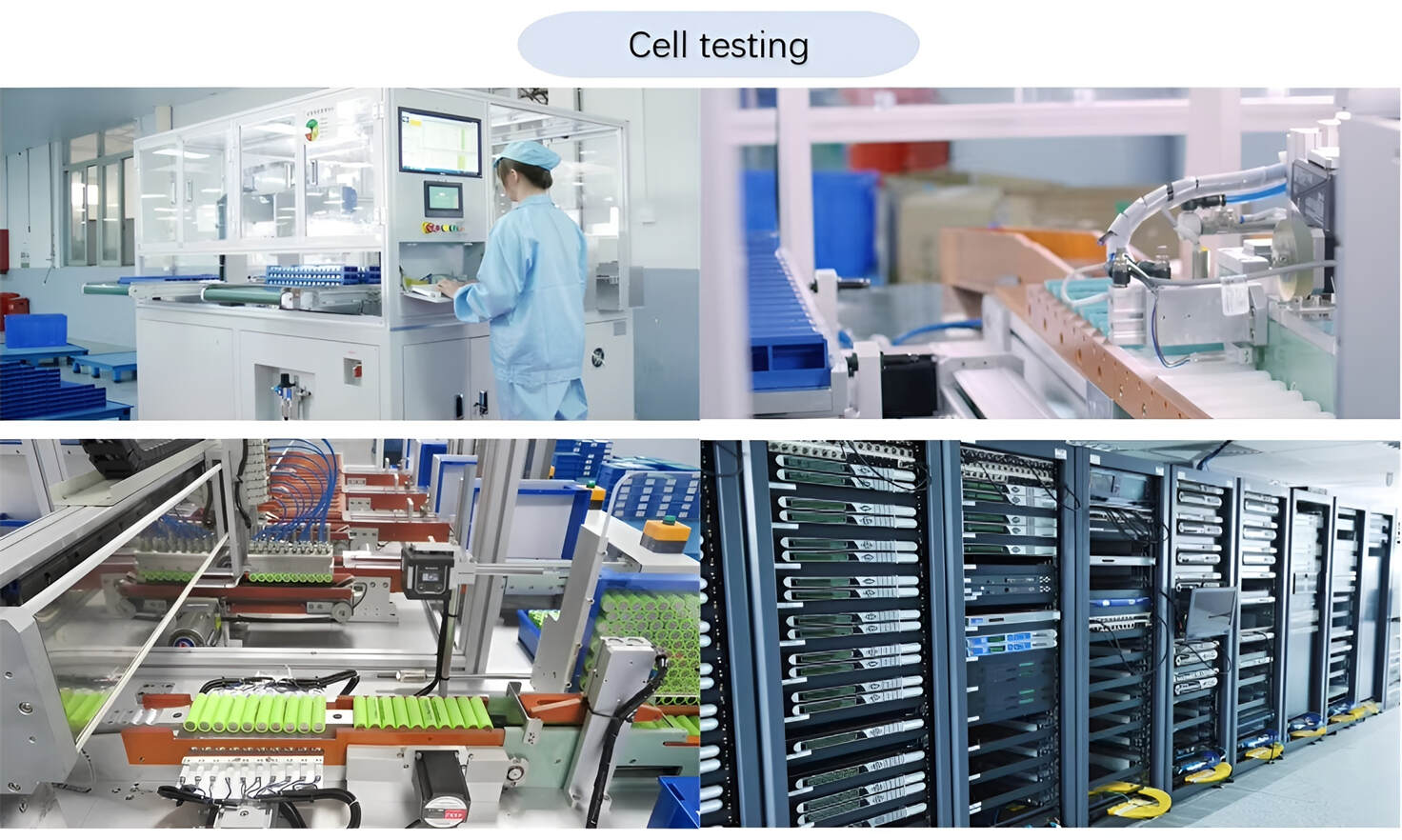
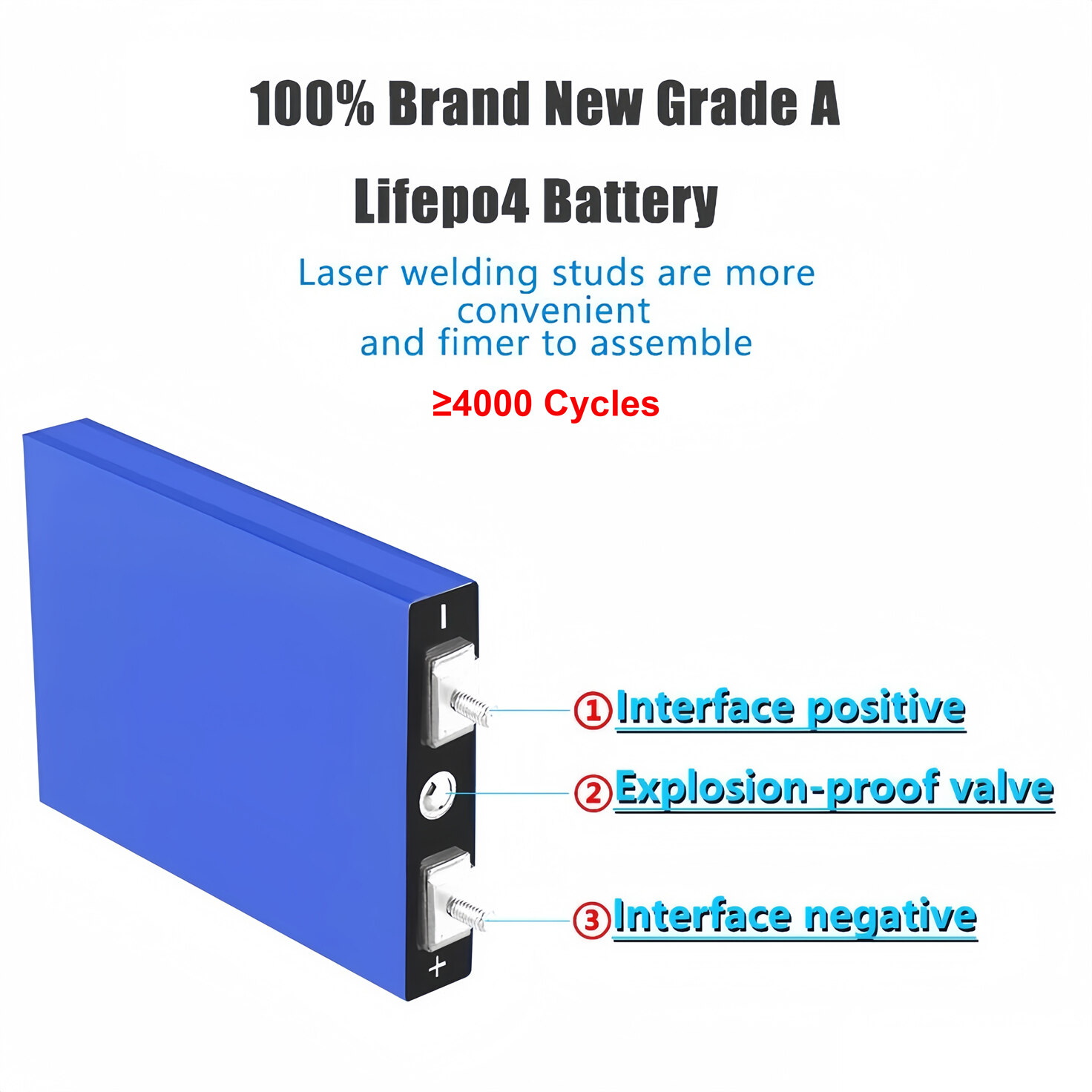
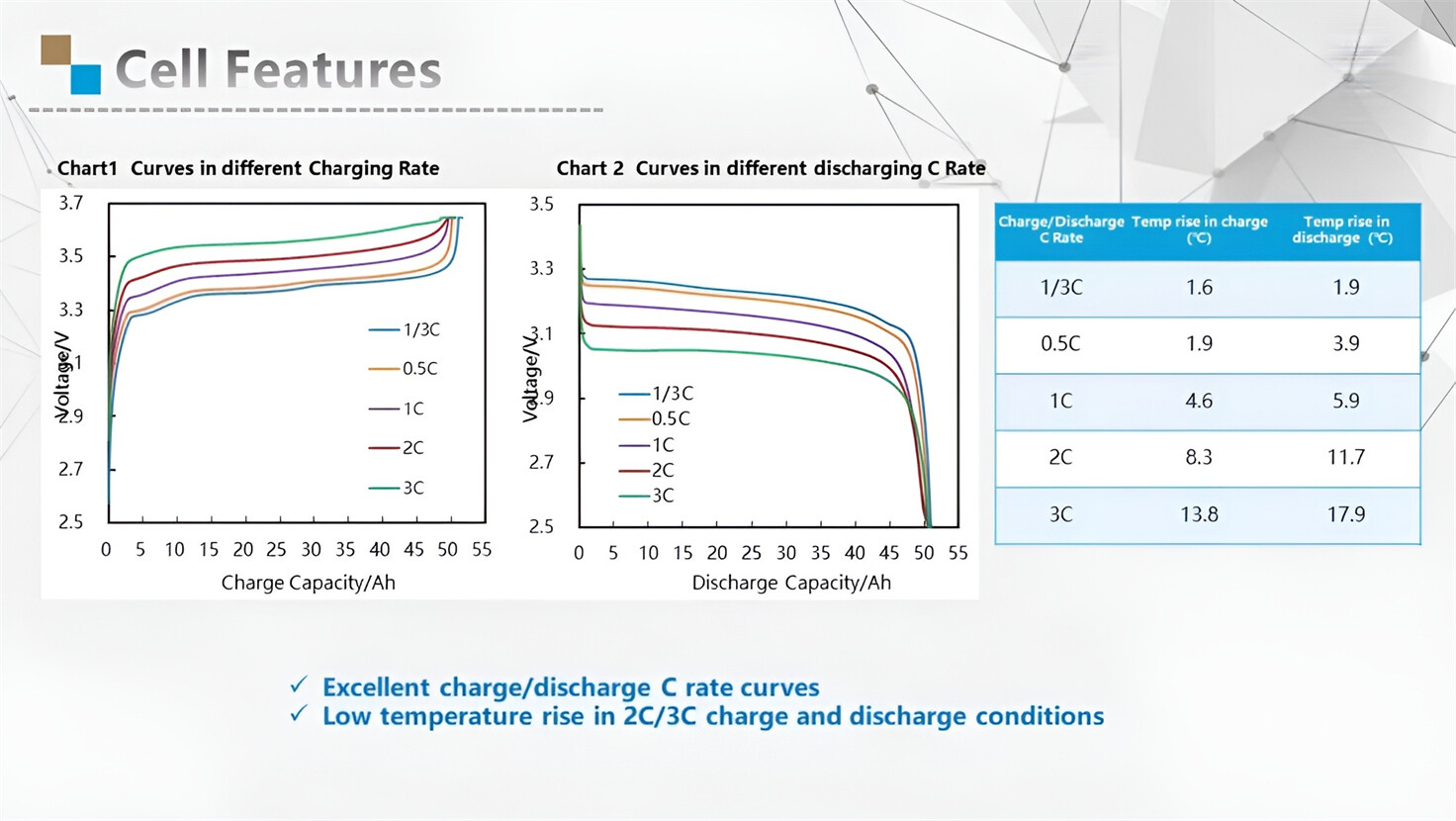
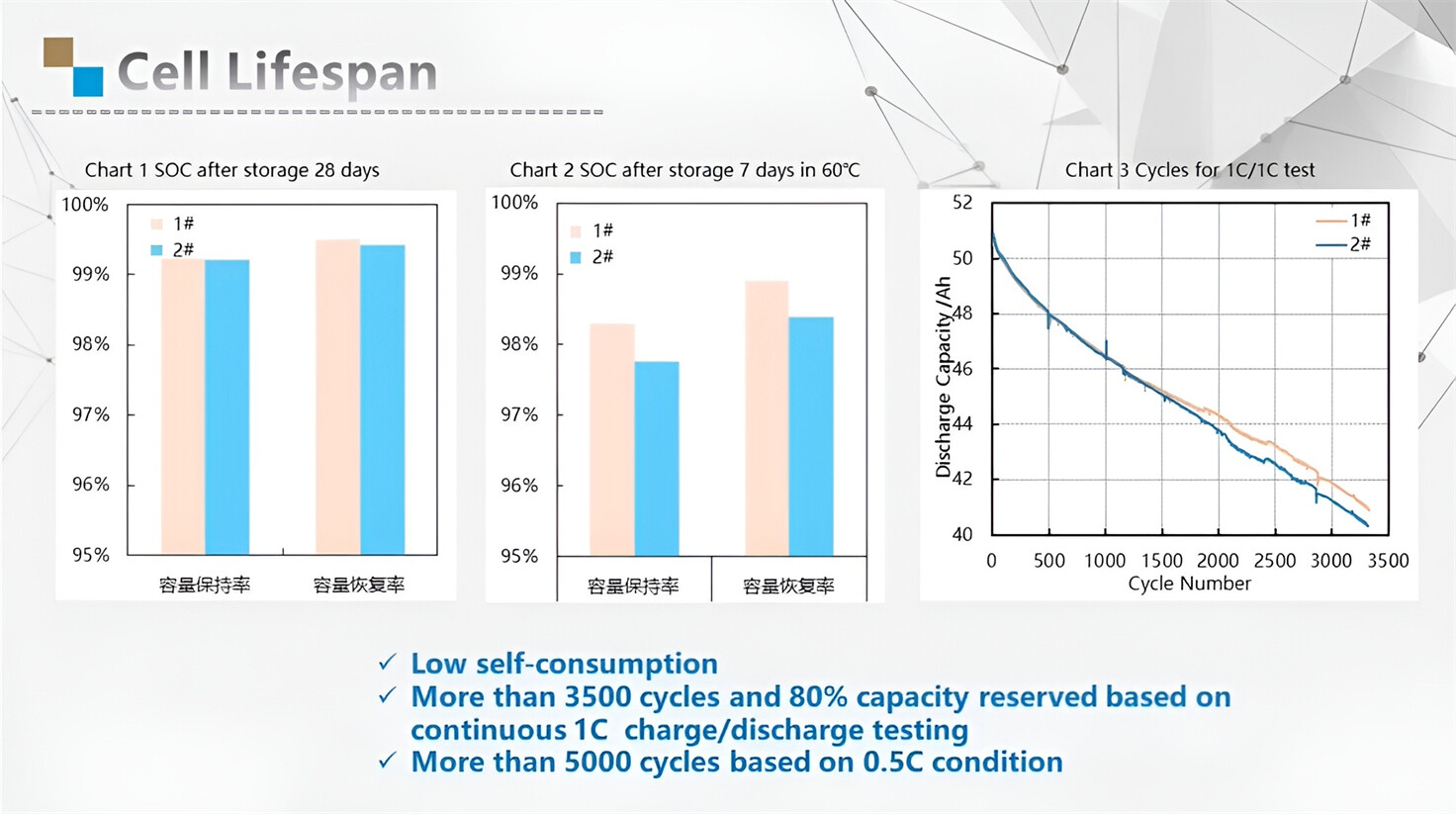
Our energy storage system products use brand new grade A LiFePO4 cells with a battery lifespan of more than 4,000 charge/discharge cycles.
Applications in Different Industries
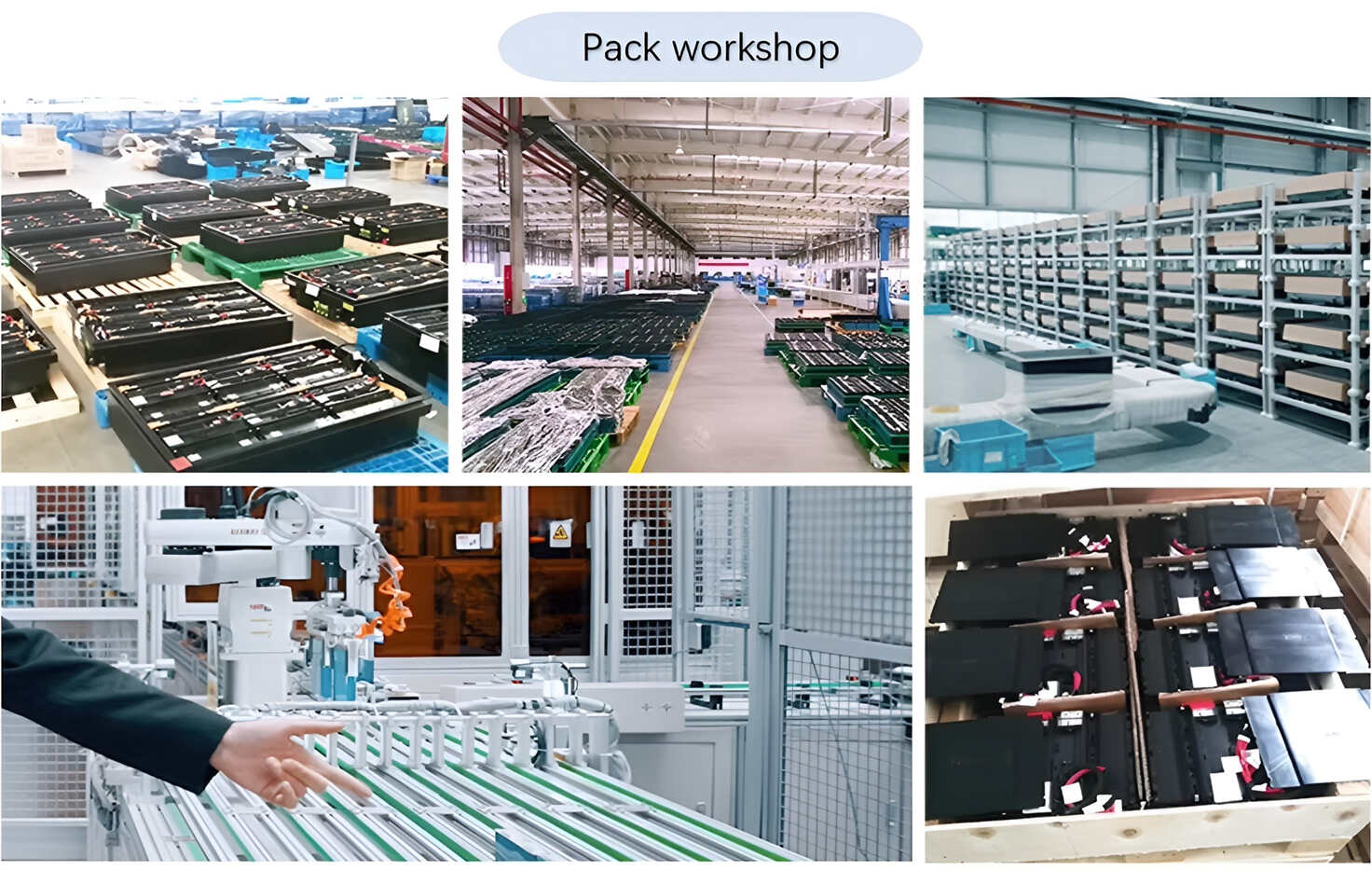
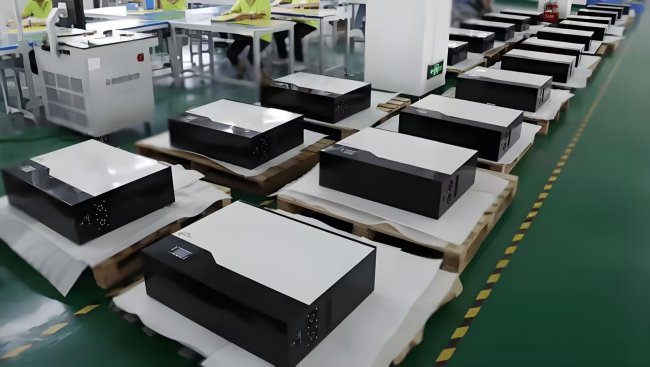
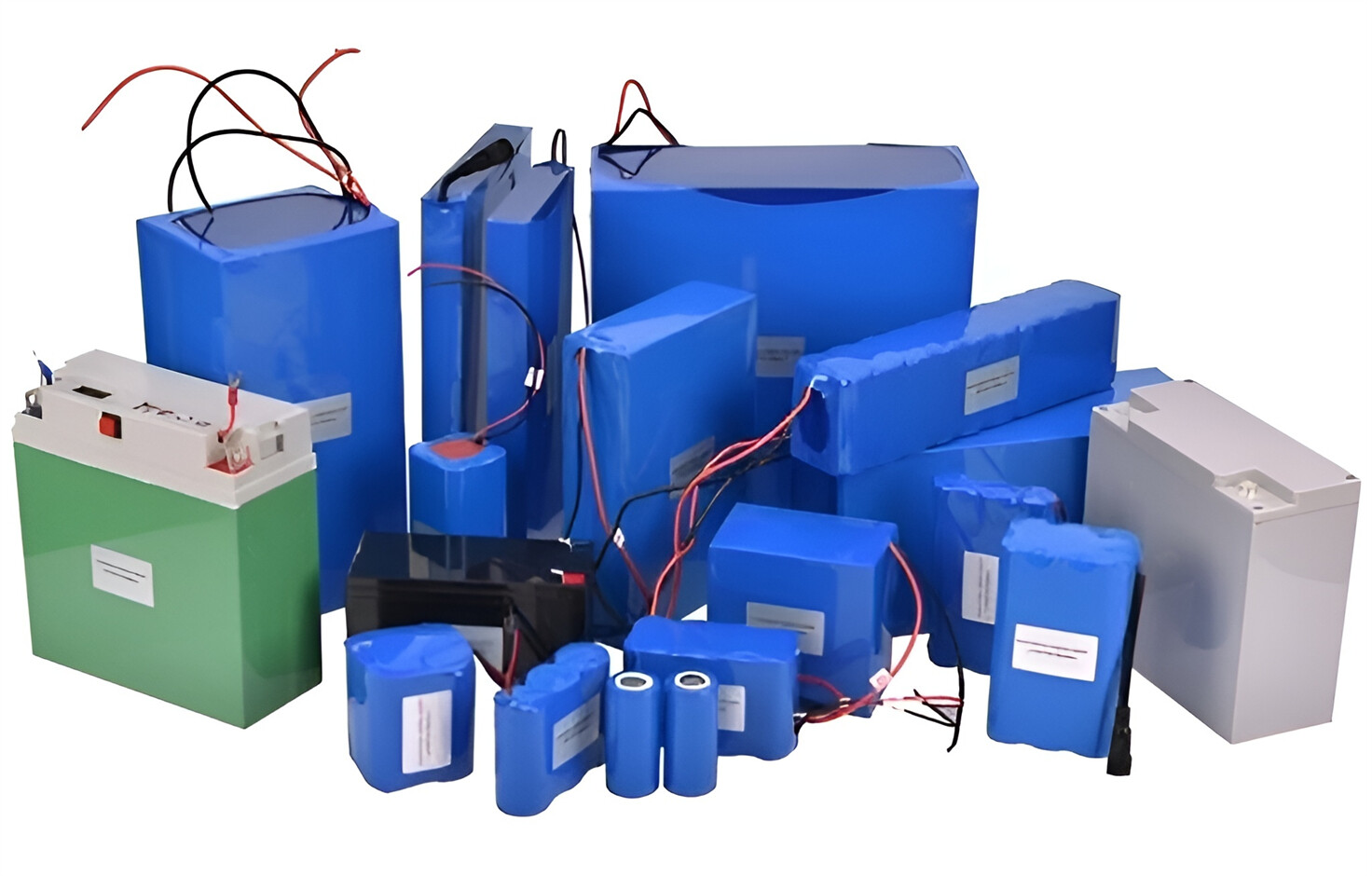
We supply customized & OEM battery pack, assemble cells with wiring, fuse and plastic cover, all the cell wires connected to PCB plug or built BMS.
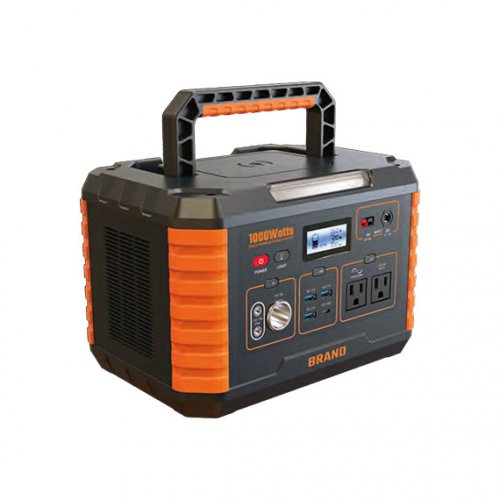
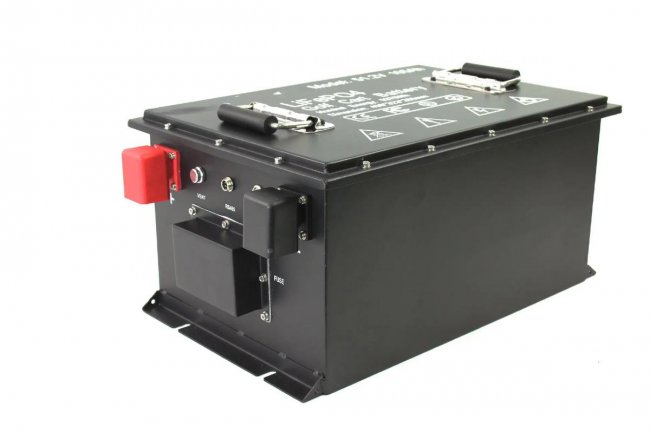
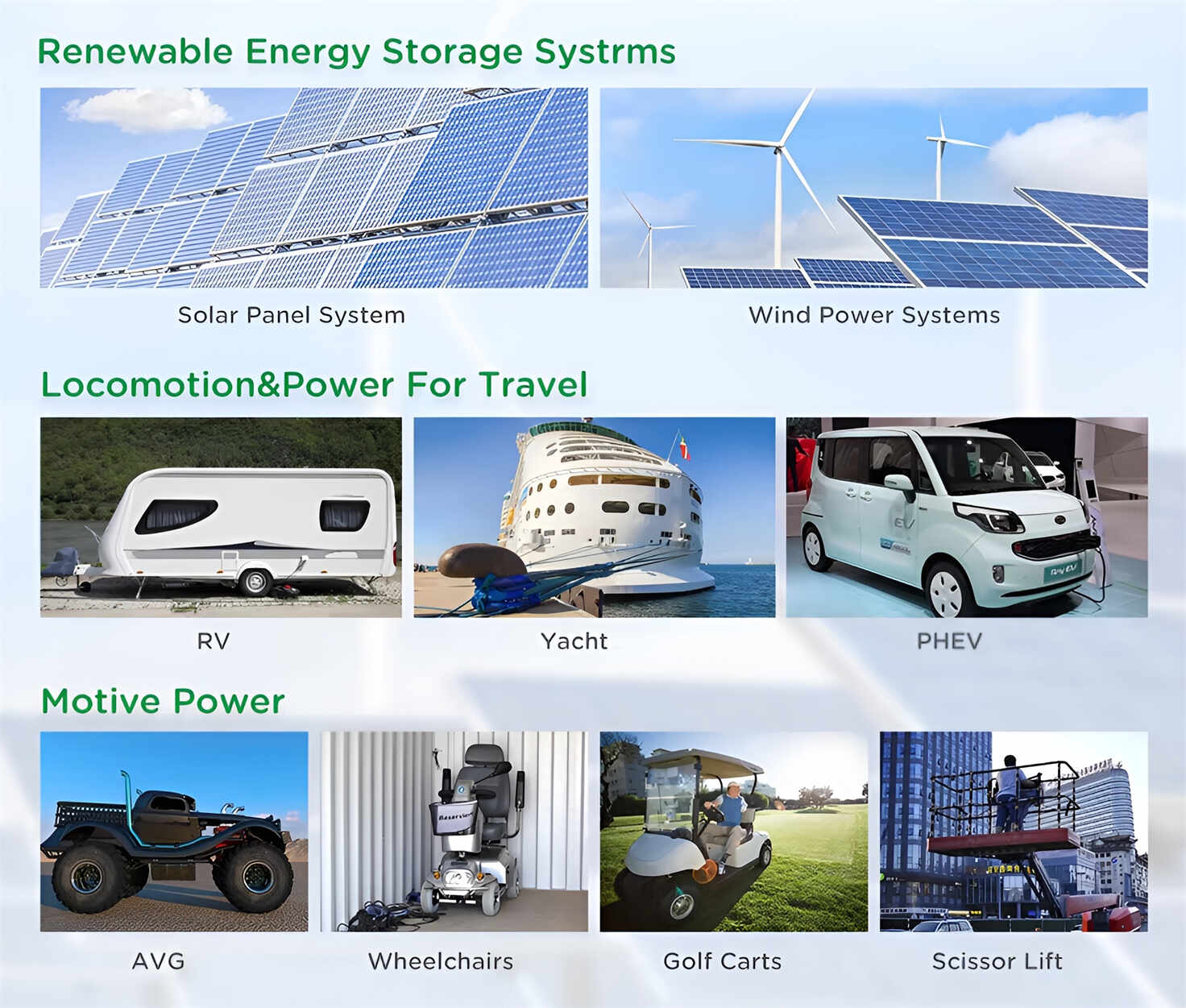
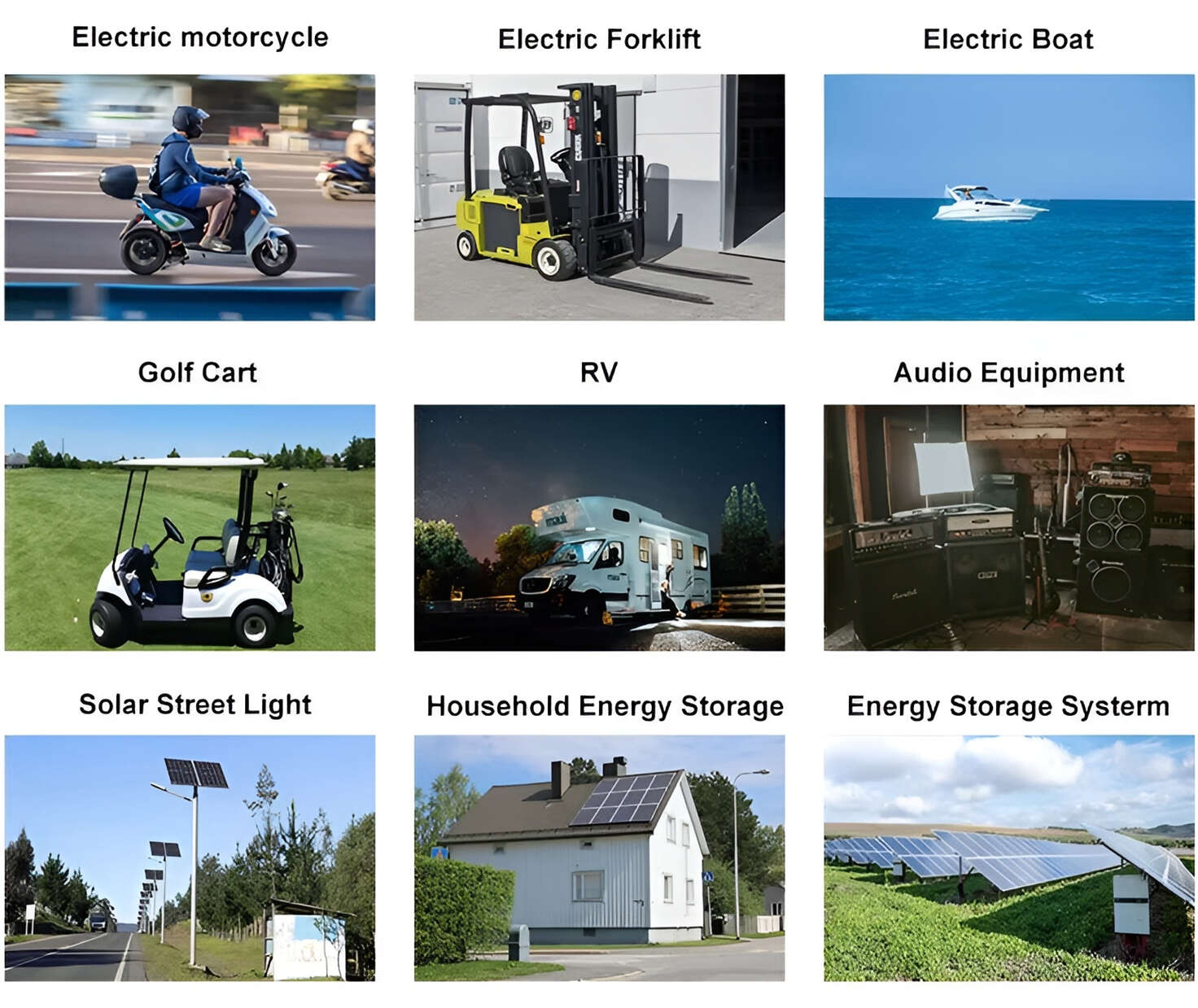
Applications: E-bike, Electric Scooter, Golf Carts, RV, Electric Wheelchair, Electric Tools, Robot Cleaner, Robot Sweeper, Solar Energy Storage System, Emergency Light, Solar Power Light, Medical Equipment, UPS Backup Power Supply.
We can provide you with customized services. We have the ability to provide a vertical supply chain, from single cells to pack/module and to a complete power solution with BMS, etc.
HomSolar (Shenzhen) Technology Co., Ltd