Advances In Electrochemical Performance: Unlocking The Potential Of Next-generation Energy Storage And Conversion
The relentless pursuit of a sustainable energy future has placed electrochemical performance at the forefront of materials science and engineering research. The metrics that define this performance—energy density, power density, cycle life, Coulombic efficiency, and rate capability—are the ultimate benchmarks for technologies ranging from lithium-ion batteries (LIBs) to electrocatalysts for fuel cells and carbon dioxide reduction. Recent years have witnessed remarkable progress, driven by atomic-scale engineering, novel material discovery, and a deeper understanding of interfacial phenomena. This article explores the latest breakthroughs and future trajectories in enhancing electrochemical performance across key domains.
1. Pushing the Boundaries of Lithium-Ion and Post-Lithium Batteries
The quest for higher energy density continues to dominate LIB research. While incremental improvements to layered oxide cathodes (e.g., NMC 811) persist, the most significant recent advances involve the integration of silicon anodes and the stabilization of high-capacity cathode materials.
Silicon, with its theoretical capacity nearly ten times that of graphite, has long been a tantalizing prospect. However, its massive volume expansion (>300%) during lithiation leads to rapid mechanical failure and solid-electrolyte interphase (SEI) instability. A multi-faceted approach is now yielding results. Researchers have developed sophisticated nanostructures, such as porous silicon spheres and silicon-carbon yolk-shell designs, which accommodate volume change without pulverization. Furthermore, the application of advanced binders and electrolyte additives has proven critical. For instance, the use of fluoroethylene carbonate (FEC) and lithium bis(oxalato)borate (LiBOB) promotes the formation of a more flexible and robust SEI, significantly extending cycle life. A recent study by Xu et al. demonstrated a silicon-dominant anode with a capacity retention of over 80% after 500 cycles, achieved through a tailored polymeric binder and a localized high-concentration electrolyte that suppresses continuous electrolyte decomposition.
On the cathode side, lithium-rich manganese-rich (LMR) layered oxides offer exceptionally high capacities but suffer from voltage fade and oxygen release. Cutting-edge research is employing surface coatings (e.g., spinel phases, AlF₃) and bulk doping (e.g., with Mg or Ru) to suppress the structural rearrangement that causes degradation. In-situ and operando characterization techniques, such as X-ray diffraction and transmission electron microscopy, are providing unprecedented insights into these degradation mechanisms in real-time, enabling more targeted material designs.
Looking beyond lithium, sodium-ion (SIB) and potassium-ion (KIB) batteries are emerging as viable candidates for large-scale energy storage due to the abundance of their raw materials. The development of high-performance Prussian blue analogues and layered transition metal oxides as cathodes for SIBs has closed the performance gap with some LIB chemistries. For example, a recent report on a Na₃V₂(PO₄)₂O₂F cathode material showcased excellent rate performance and long cycle life, attributed to its stable NASICON structure and facilitated Na⁺ ion diffusion.
2. The Solid-State Revolution: Overcoming Ionic Transport Hurdles
The transition to all-solid-state batteries (ASSBs) promises a leap in safety and energy density by replacing flammable liquid electrolytes with solid counterparts. The primary challenge has been the poor ionic conductivity of solid electrolytes and high interfacial resistance.
The field has been invigorated by the development of sulfide-based (e.g., Li₁₀GeP₂S₁₂) and halide-based (e.g., Li₃YCl₆) solid electrolytes, which now exhibit room-temperature ionic conductivities rivaling liquid electrolytes. A major breakthrough has been in interface engineering. It is now understood that the anode-solid electrolyte interface is particularly problematic, often leading to lithium dendrite propagation. Strategies such as constructing an artificial SEI layer or using a ductile lithium alloy (e.g., Li-In) at the interface have shown promise in suppressing dendrites. Moreover, the concept of "interface wettings" is being actively explored, where a thin layer of a compatible material is applied to ensure intimate contact between the solid electrolyte and the electrode particles. A landmark study by Lee et al. demonstrated a high-performance ASSB using a LiNi₀.₈₅Co₀.₁₀Al₀.₀₅O₂ (NCA) cathode and a argyrodite Li₆PS₅Cl electrolyte, achieving stable cycling by incorporating a trace amount of LiNbO₃ as a coating to mitigate interfacial side reactions.
3. Electrocatalysis: Precision Engineering for Sustainable Molecules
Electrochemical performance in electrocatalysis is measured by activity, selectivity, and stability. The goal is to drive key reactions for the energy transition, such as the hydrogen evolution reaction (HER), oxygen evolution/reduction reaction (OER/ORR), and the electrochemical CO₂ reduction reaction (CO₂RR).
The move beyond simple platinum-group metals has led to the discovery and optimization of single-atom catalysts (SACs). SACs, where isolated metal atoms are anchored on a support like nitrogen-doped graphene, maximize atom utilization and often exhibit unique electronic structures that enhance activity. For instance, a SAC with Ni-N₄ sites has shown exceptional performance for the electrochemical CO₂RR to CO, with Faradaic efficiencies exceeding 95%. The local coordination environment of the single atom is now recognized as a critical performance descriptor, leading to research on tuning the first and second coordination shells with heteroatoms like S, B, or F.
Another frontier is the development of high-entropy alloys (HEAs) as electrocatalysts. These materials, comprising five or more elements in near-equimolar ratios, possess vast compositional space and can yield unique, synergistic active sites. Recent work on nanoporous HEAs for the OER has demonstrated superior activity and durability compared to traditional IrO₂ catalysts, attributed to their high configurational entropy which impedes corrosion and structural rearrangement.
4. Advanced Characterization and AI-Driven Discovery
The improvement of electrochemical performance is increasingly guided by powerful diagnostic tools. Techniques like cryo-electron microscopy (cryo-EM) allow for the direct visualization of sensitive interfaces, such as the SEI and lithium dendrites, in their native state. Meanwhile, operando spectroscopy provides a dynamic view of structural evolution and reaction intermediates during cycling or catalysis.
Complementing these experiments, artificial intelligence (AI) and machine learning (ML) are accelerating the discovery of new materials and the optimization of device performance. ML models can screen millions of hypothetical compounds for properties like ionic conductivity or adsorption energy, guiding synthetic efforts. Furthermore, AI is being used to analyze vast electrochemical datasets to predict battery lifetime and identify failure signatures, enabling predictive maintenance and faster development cycles.
Future Outlook
The path forward for electrochemical performance is both challenging and exhilarating. Key future directions include:Multi-Functional Interfaces: Designing "smart" interfaces that can self-heal or adapt their properties in response to operational stresses.Beyond Intercalation Chemistry: The realization of practical lithium-sulfur and lithium-air batteries requires solving fundamental challenges related to polysulfide shuttling and pore clogging.Sustainability and Circularity: Future research must integrate lifecycle assessment and design for recyclability from the outset, focusing on earth-abundant, non-toxic materials.System-Level Integration: Optimizing electrochemical performance at the device and system level, including thermal management and advanced battery management systems (BMS) powered by digital twins.
In conclusion, the field of electrochemical performance is undergoing a profound transformation. By moving from empirical tuning to rational design, leveraging atomic-scale insights, and harnessing the power of computation, researchers are steadily overcoming the fundamental barriers that have limited energy storage and conversion technologies. The continued convergence of chemistry, physics, and data science promises to unlock a new era of electrochemical devices that are more powerful, durable, and sustainable.
References (Examples):
1. Xu, et al. "A Sustainable Silicon Anode via In-situ Electro-polymerization for High-Energy-Density Lithium-Ion Batteries."Nature Energy, 2022. 2. Lee, et al. "High-Energy Long-Cycling All-Solid-State Lithium Metal Batteries Enabled by Silver-Carbon Composite Anodes."Nature Energy, 2020. 3. Wang, et al. "Design of N-coordinated dual-metal sites: A stable and active Pt-free catalyst for acidic oxygen reduction reaction."Science, 2022. 4. Zhang, et al. "Compositionally Complex Perovskite Oxides for Solar-Driven Thermochemical CO2 Splitting."Nature Materials, 2023.
Customized/OEM/ODM Service
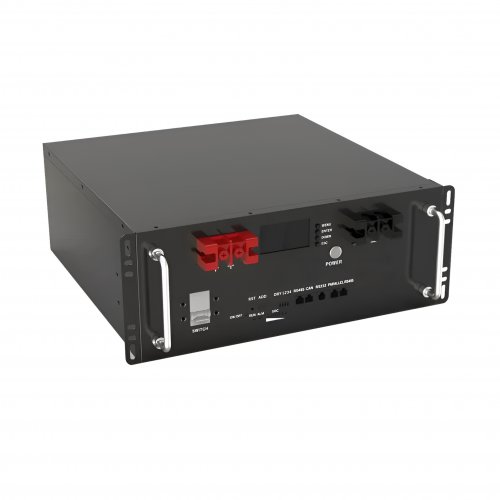
HomSolar Supports Lifepo4 battery pack customization/OEM/ODM service, welcome to contact us and tell us your needs.


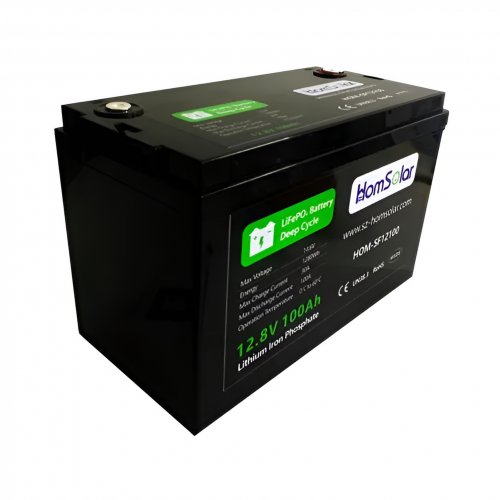
HomSolar: Your One-stop LiFePO4 Battery Pack & ESS Solution Manufacturer
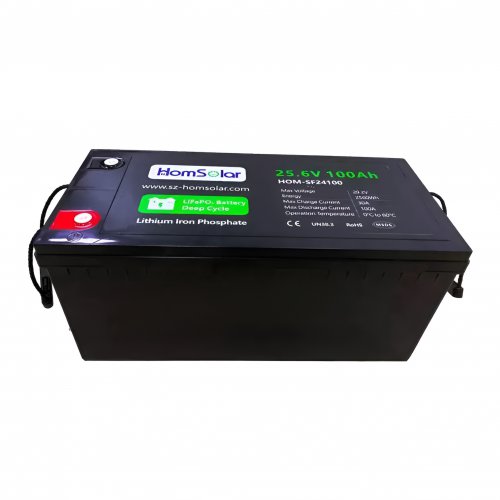
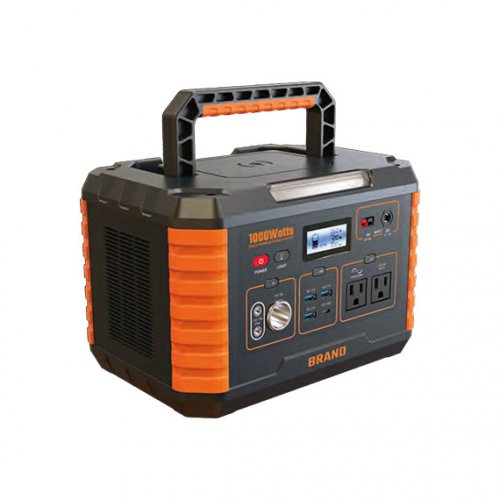
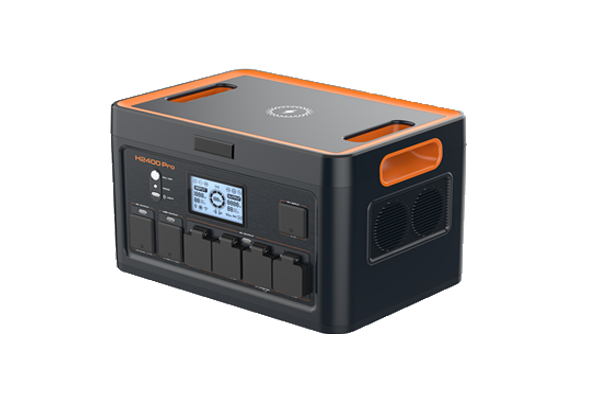
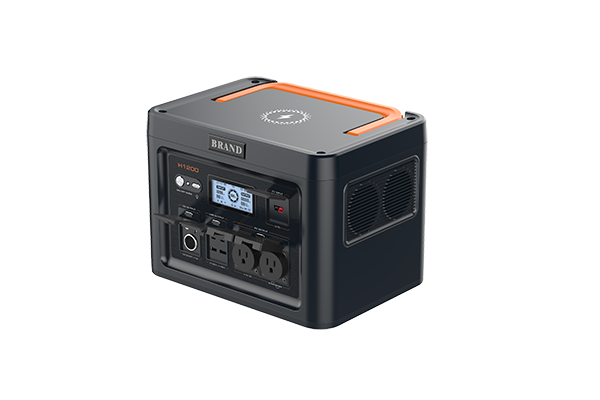
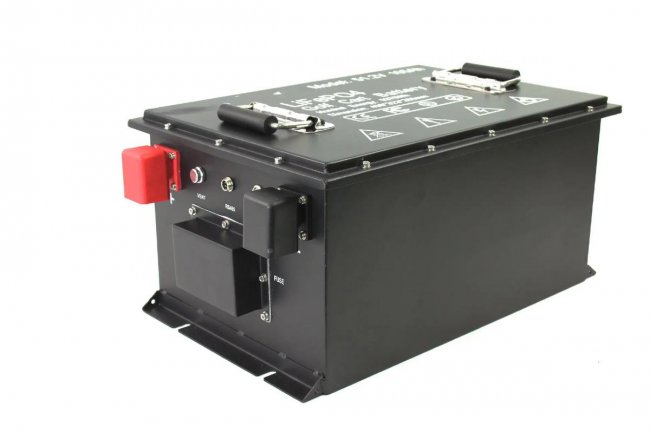
Our line of LiFePO4 (LFP) batteries offer a solution to demanding applications that require a lighter weight, longer life, and higher capacity battery. Features include advanced battery management systems (BMS), Bluetooth® communication and active intelligent monitoring.
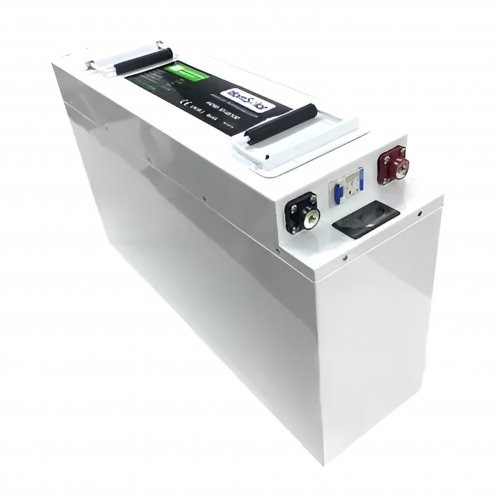
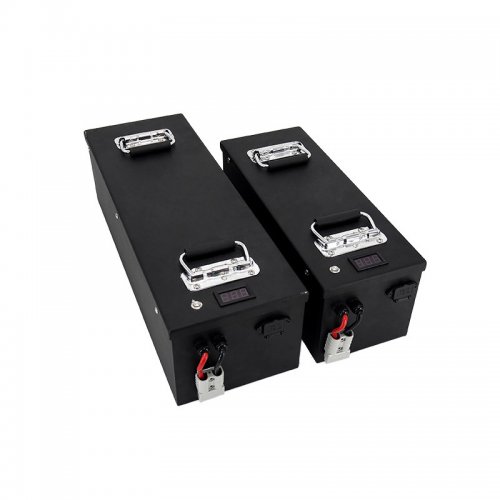
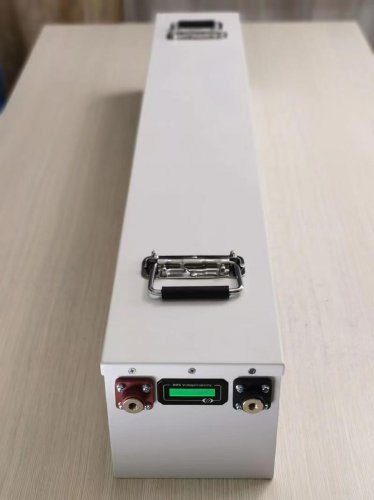
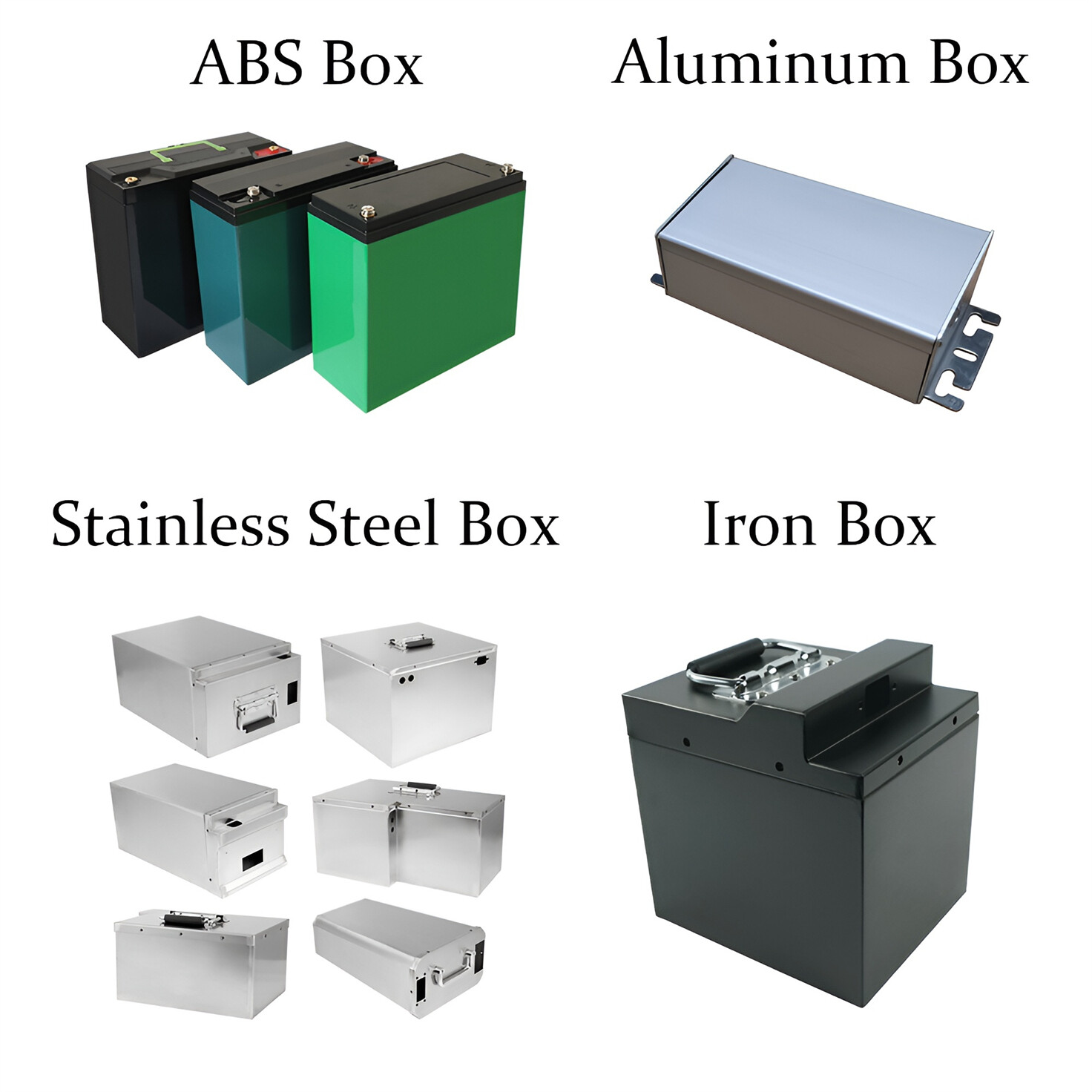
Customised Lithium Iron Phosphate Battery Casing
ABS plastic housing, aluminium housing, stainless steel housing and iron housing are available, and can also be designed and customised according to your needs.
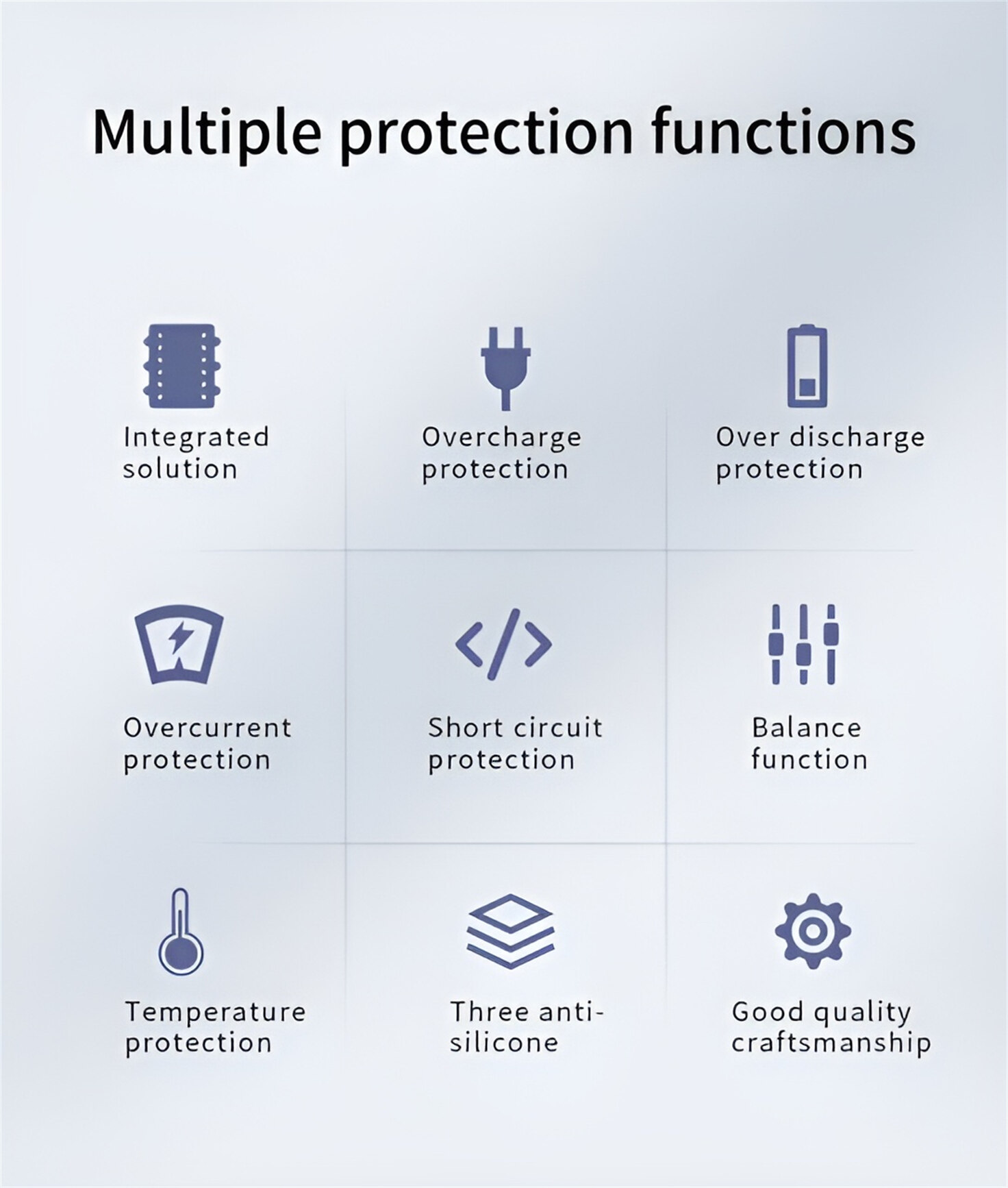
HomSolar Smart BMS
Intelligent Battery Management System for HomSolar Energy Storage System. Bluetooth, temperature sensor, LCD display, CAN interface, UART interface also available.

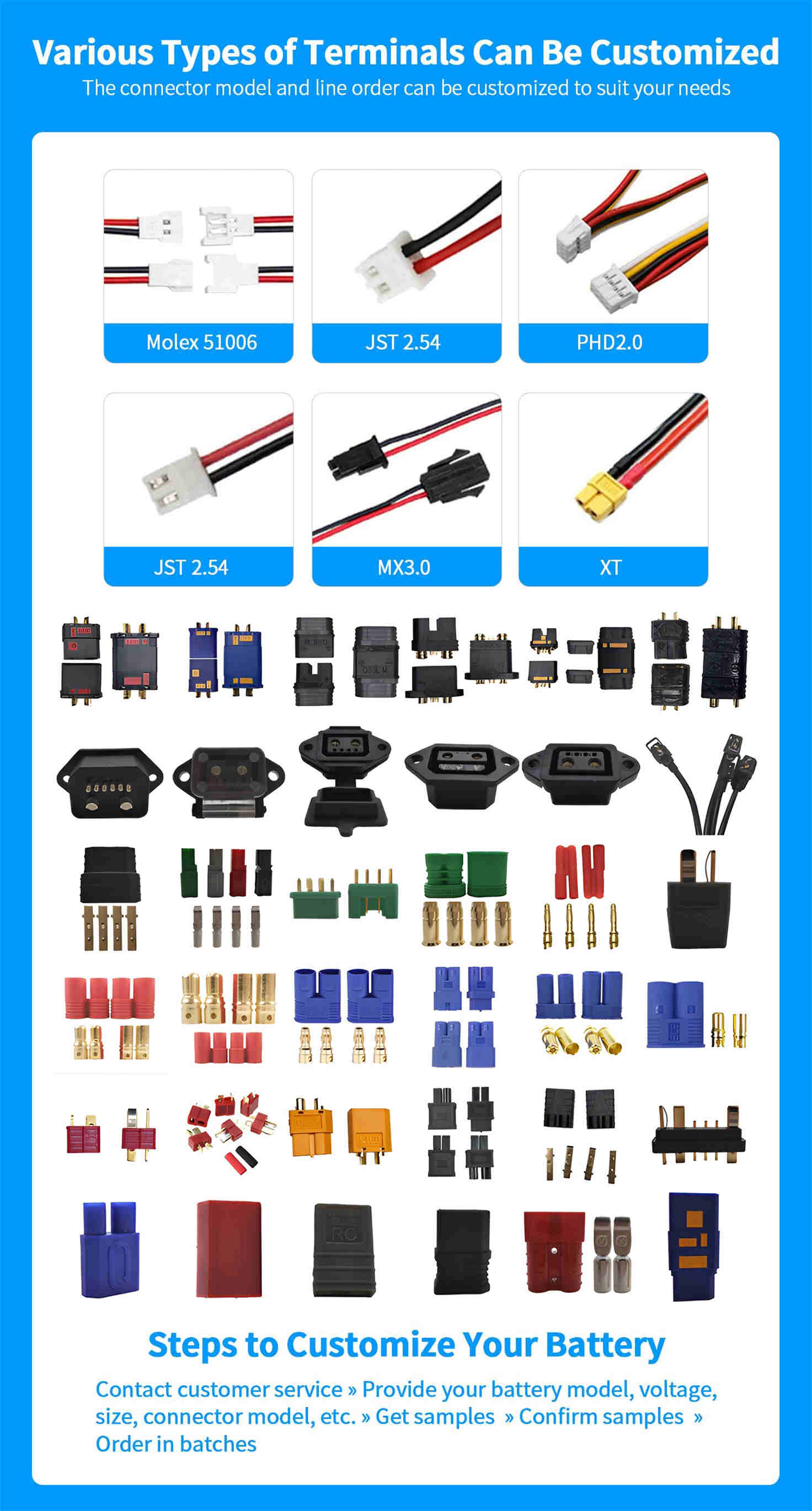
Terminals & Plugs Can Be Customized
A wide range of terminals and plugs can be customised to suit the application needs of your battery products.
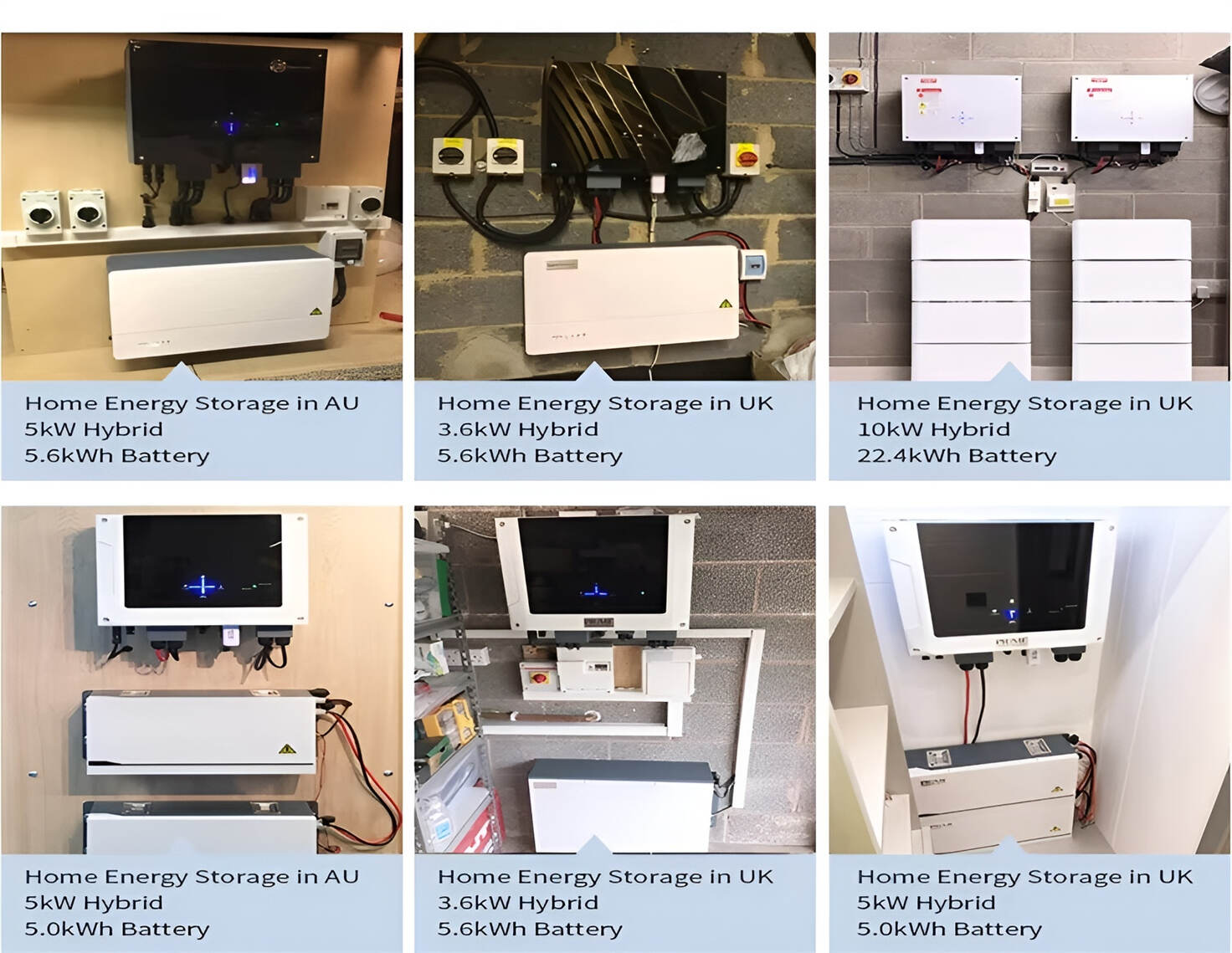
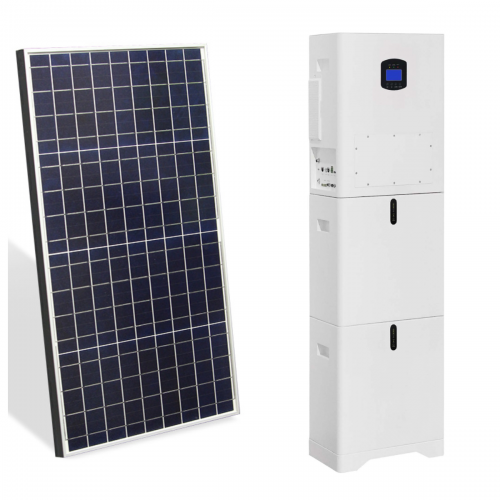
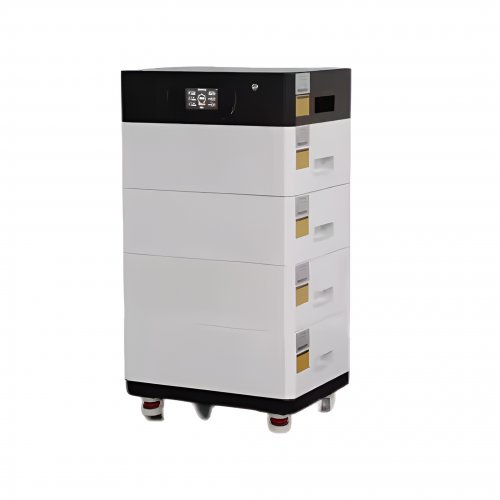
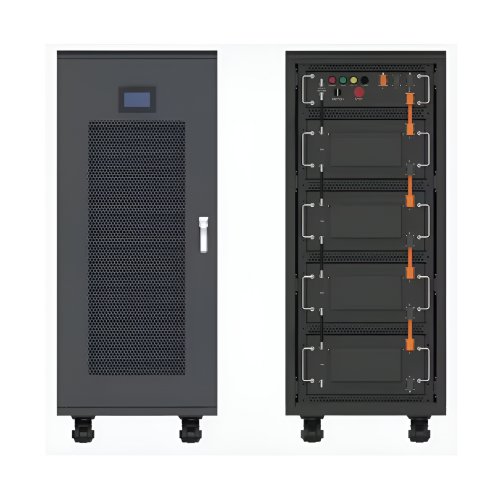
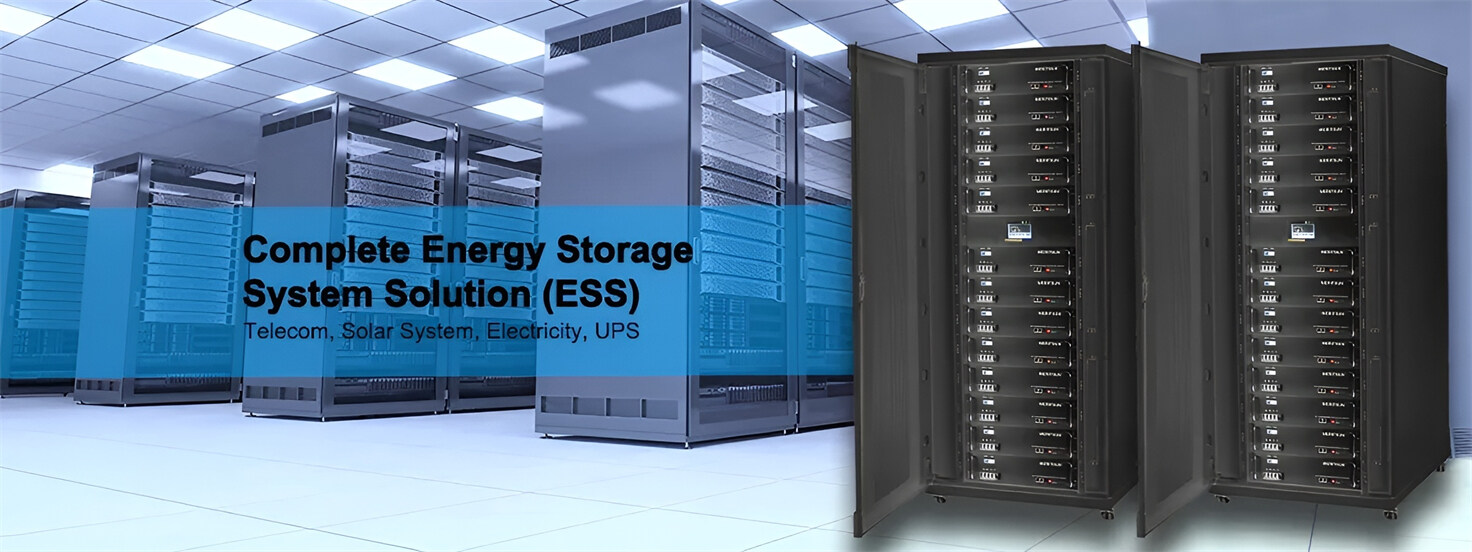
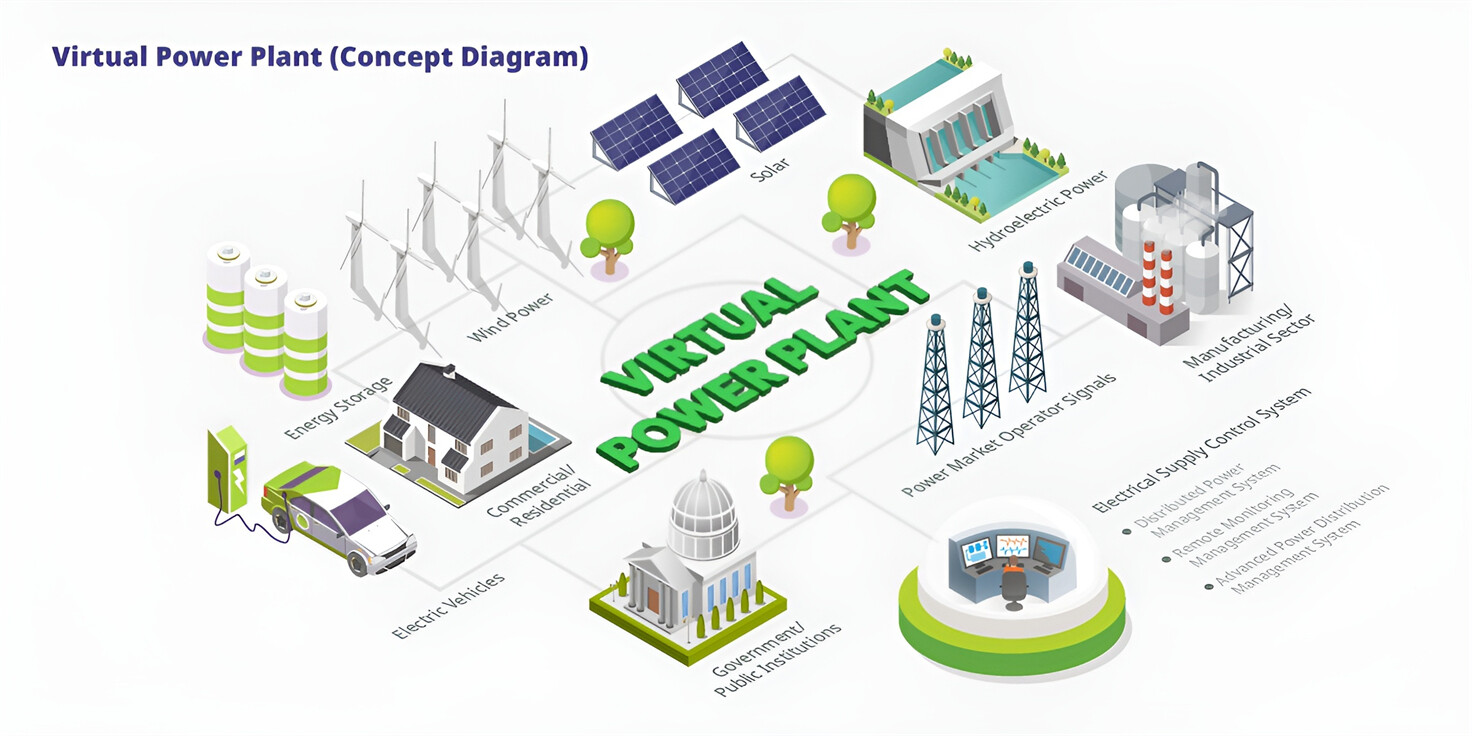
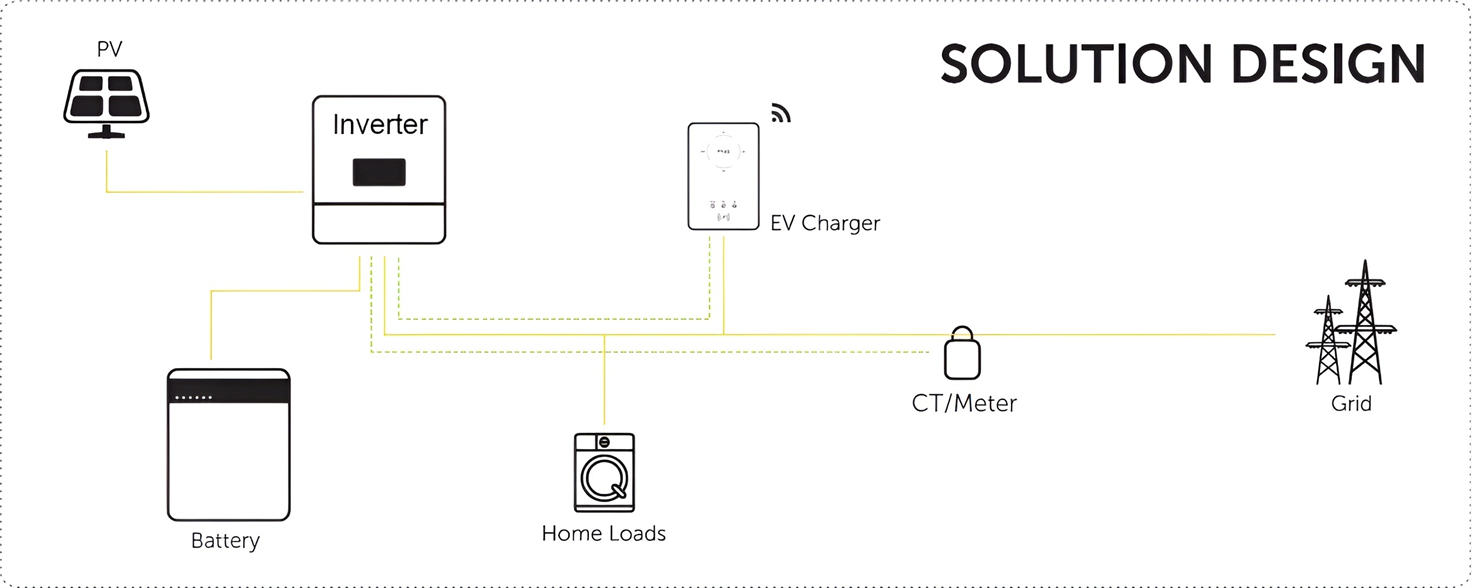
Well-designed Solutions for Energy Storage Systems
We will design the perfect energy storage system solution according to your needs, so that you can easily solve the specific industry applications of battery products.
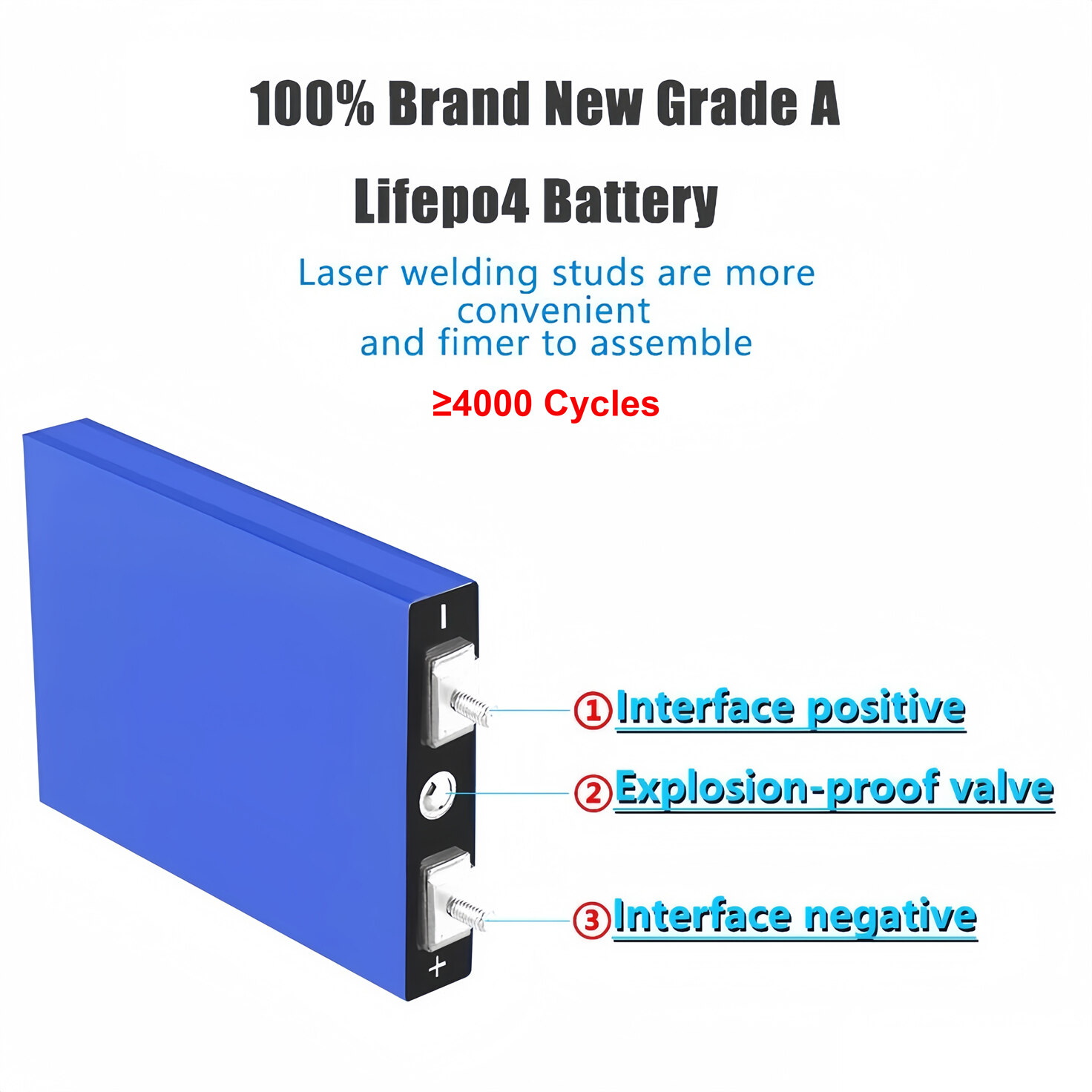
About Our Battery Cells
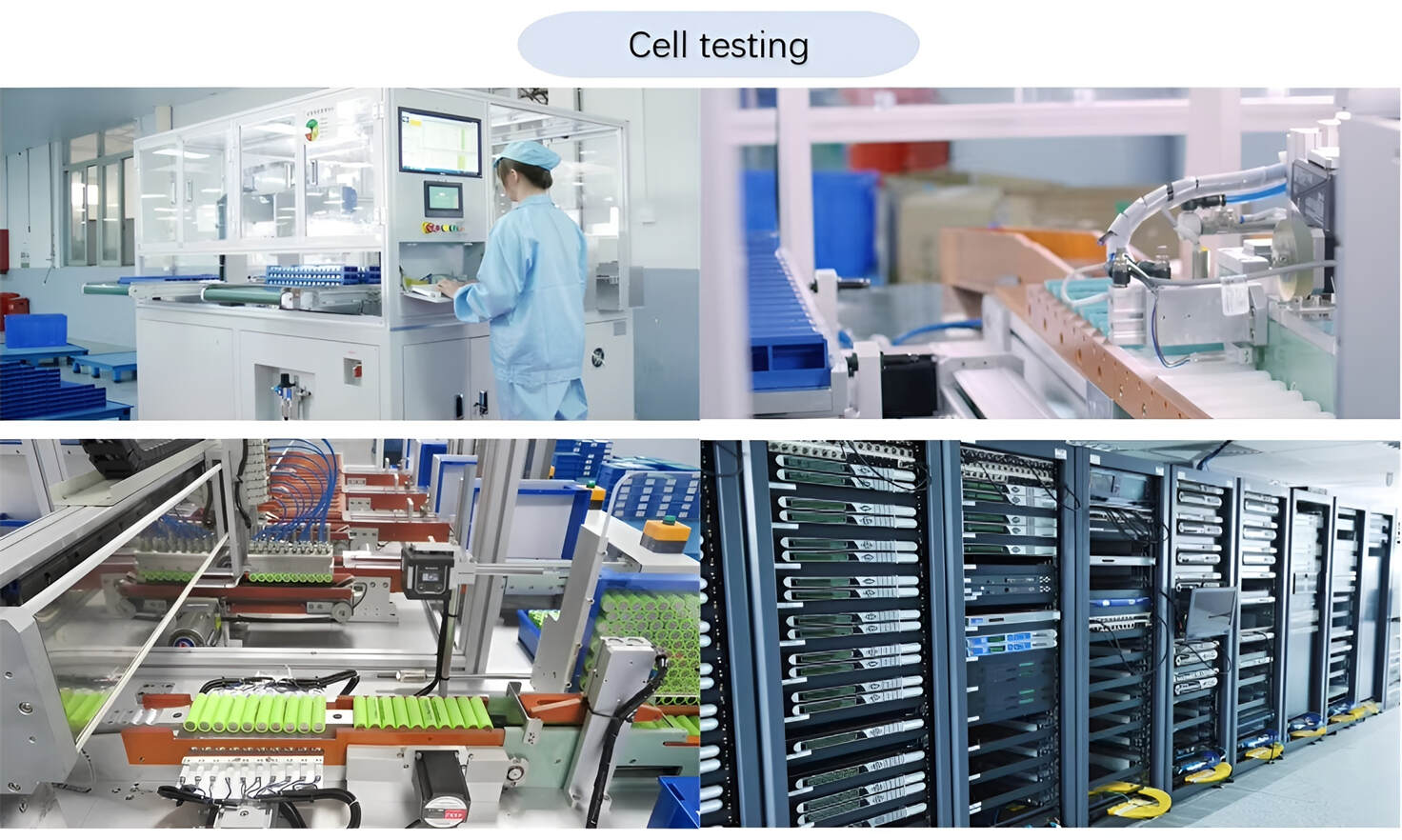
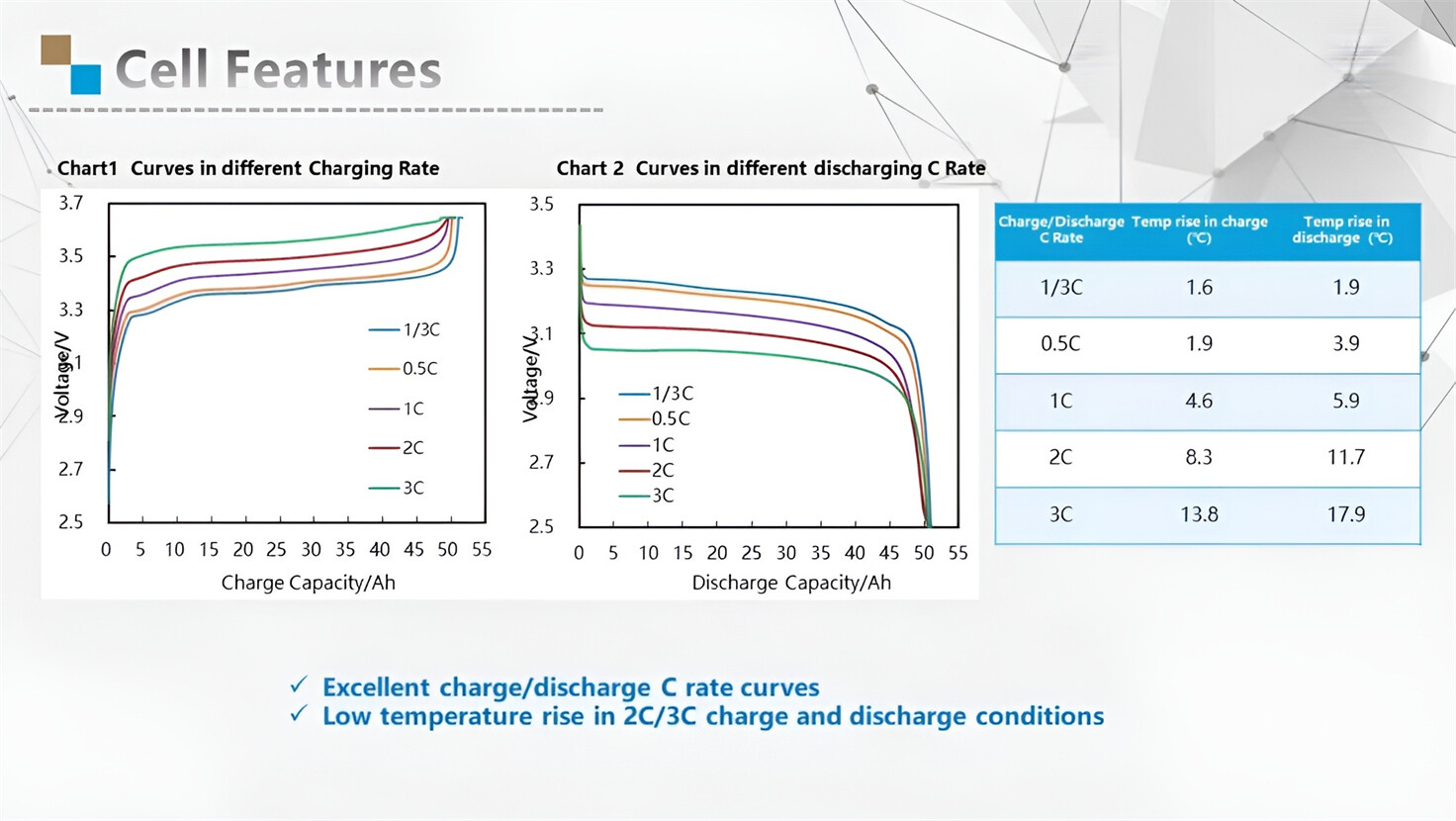
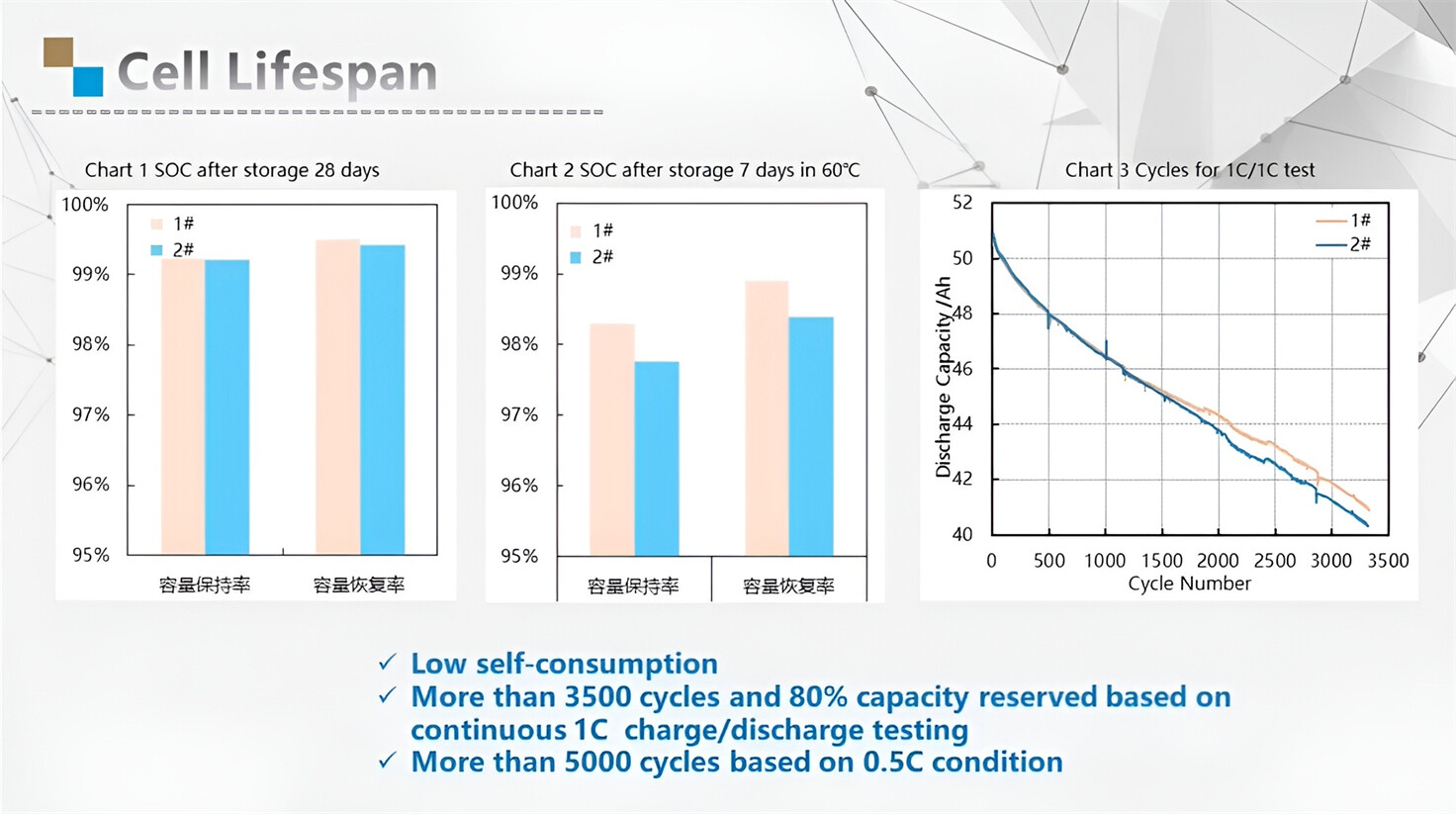
Our energy storage system products use brand new grade A LiFePO4 cells with a battery lifespan of more than 4,000 charge/discharge cycles.
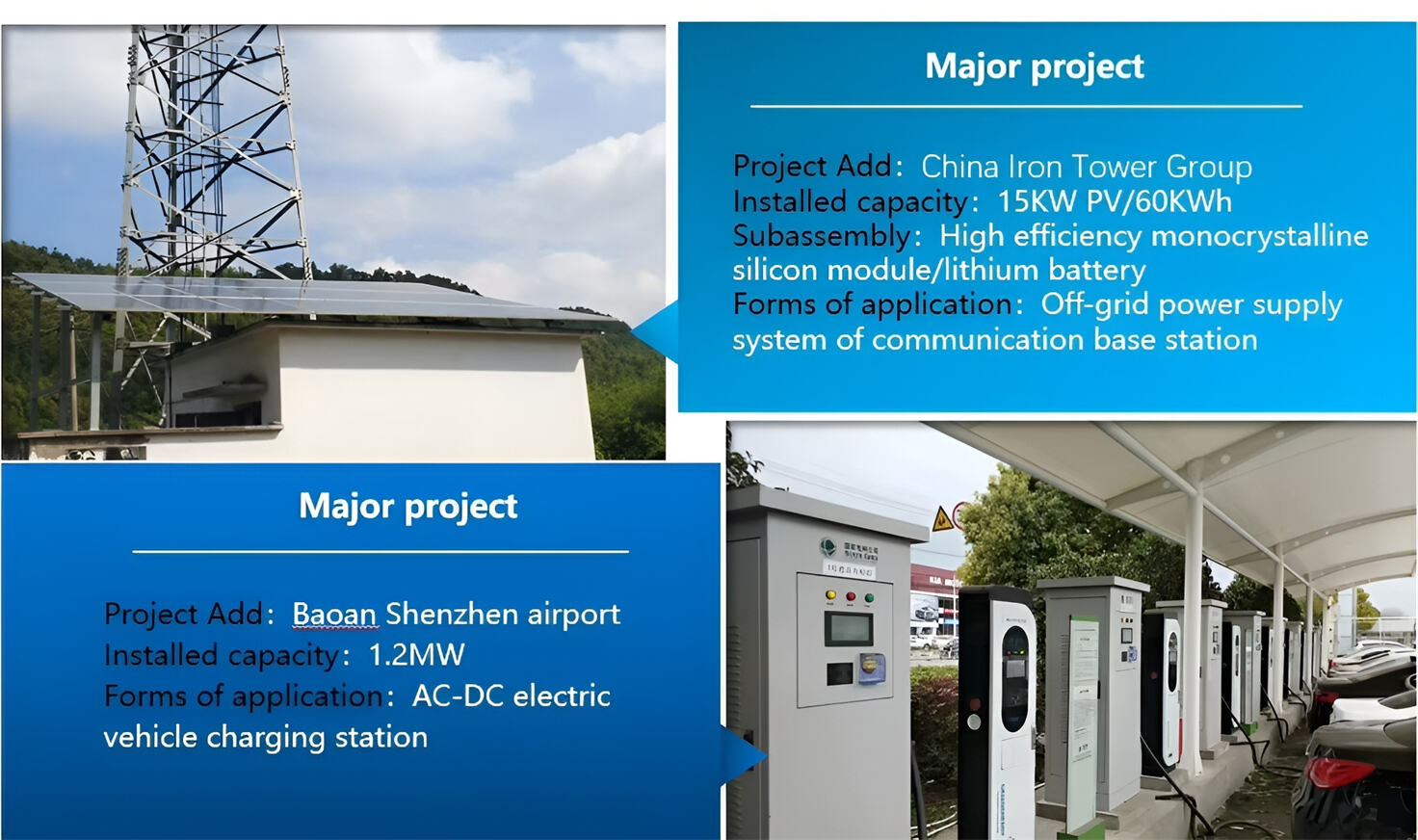
Applications in Different Industries
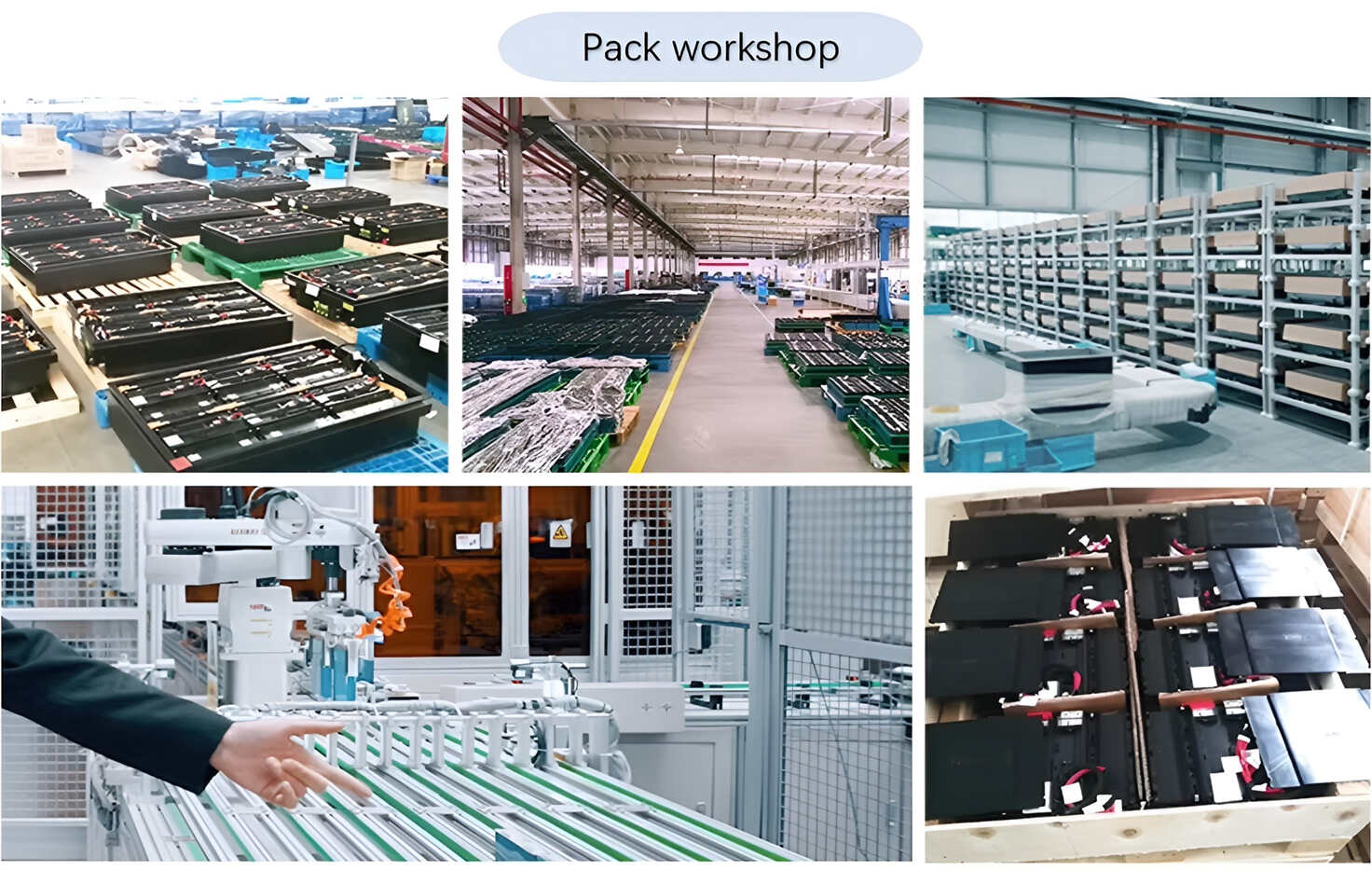
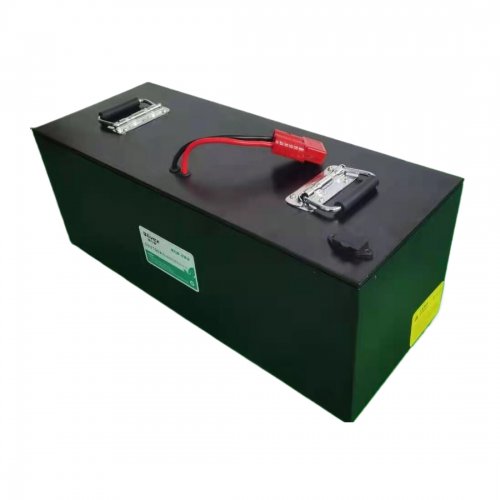
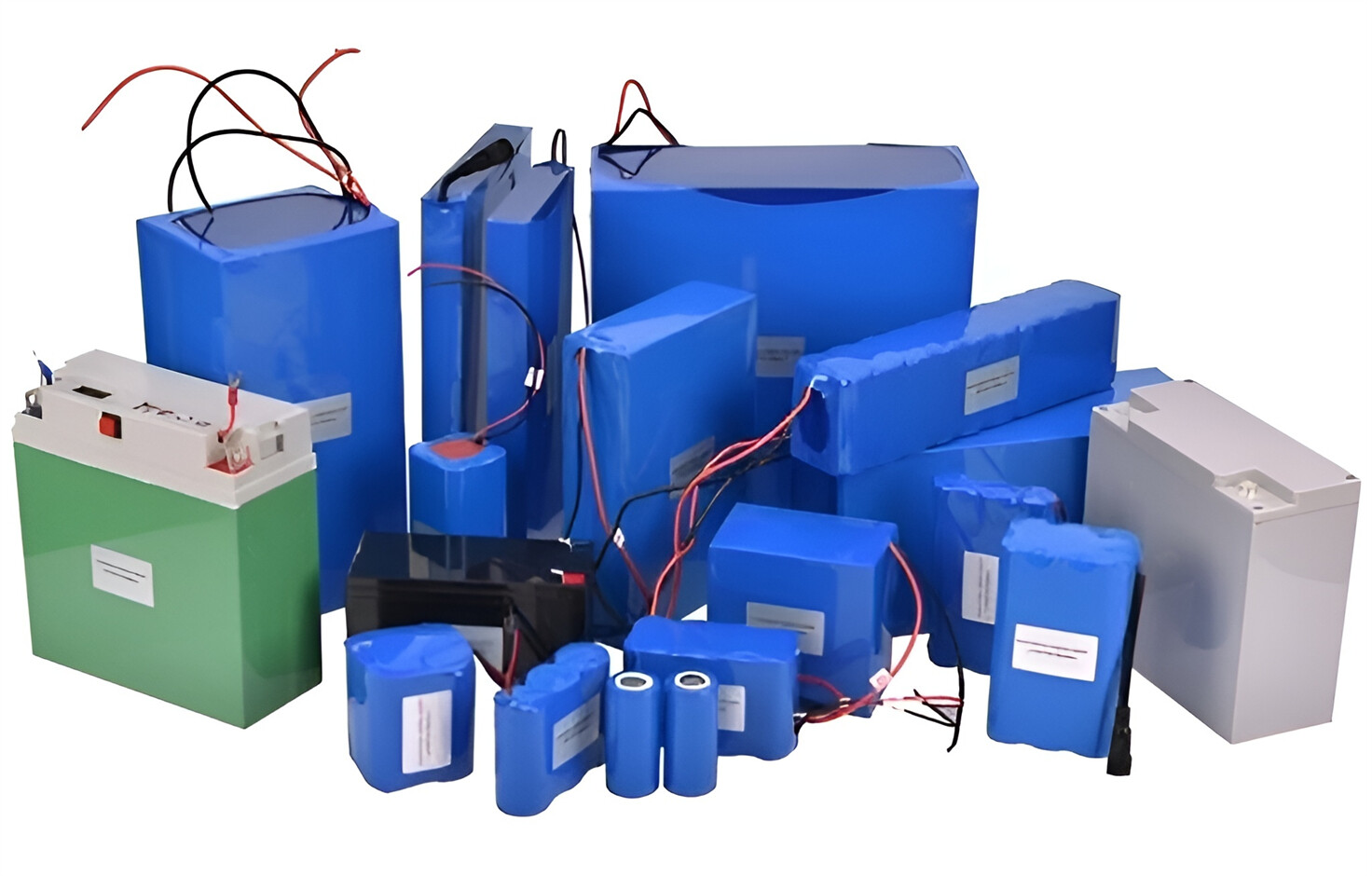
We supply customized & OEM battery pack, assemble cells with wiring, fuse and plastic cover, all the cell wires connected to PCB plug or built BMS.
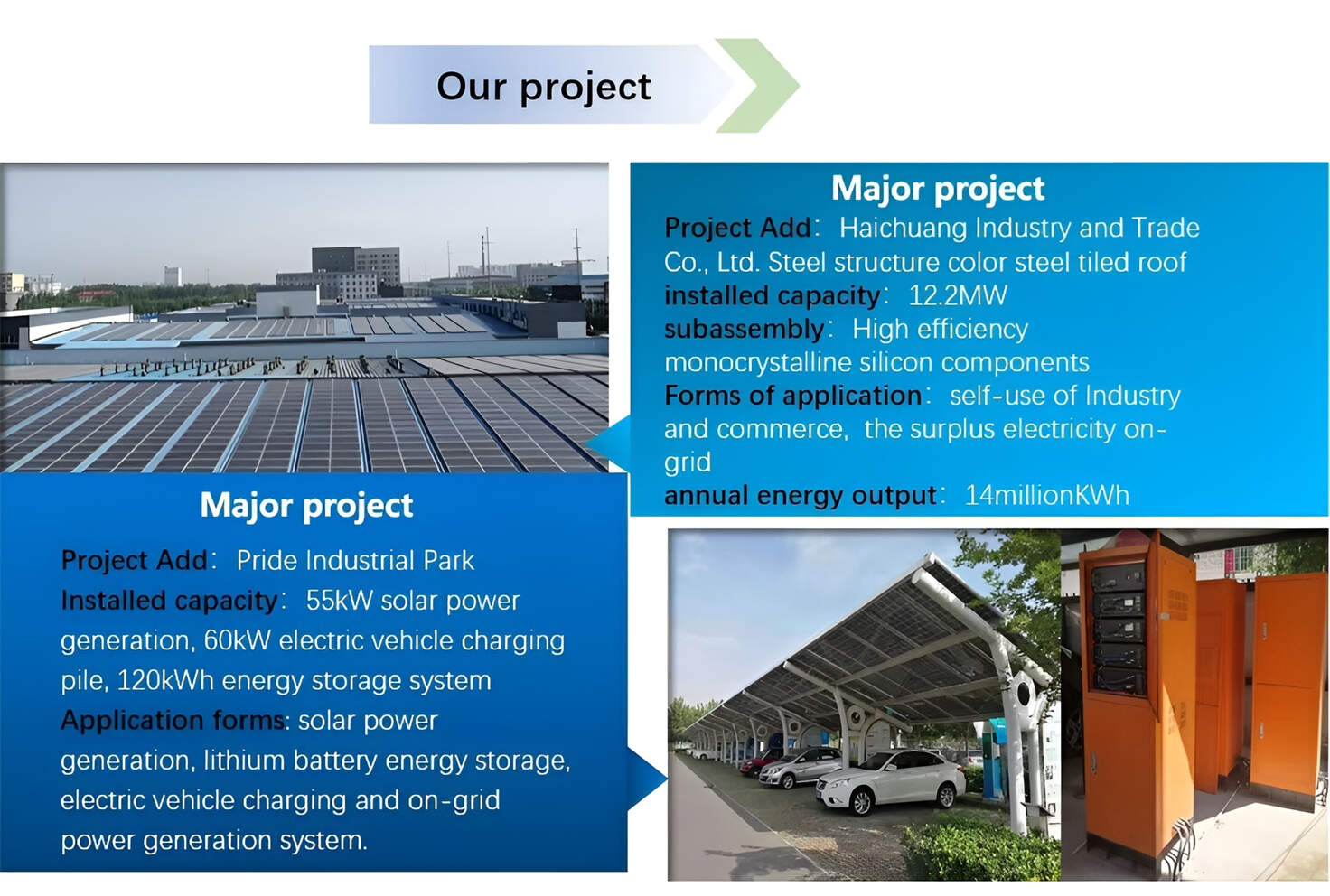
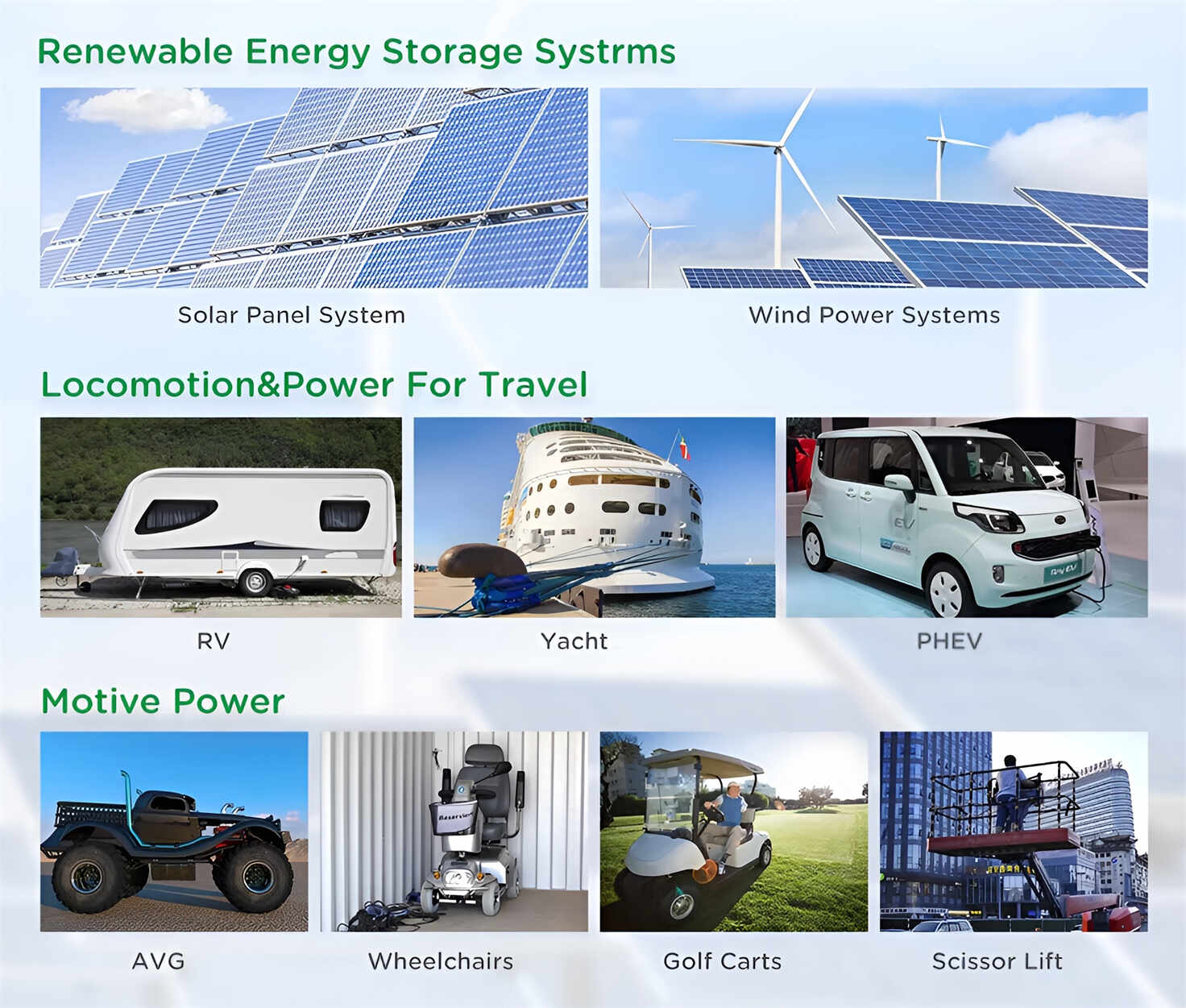
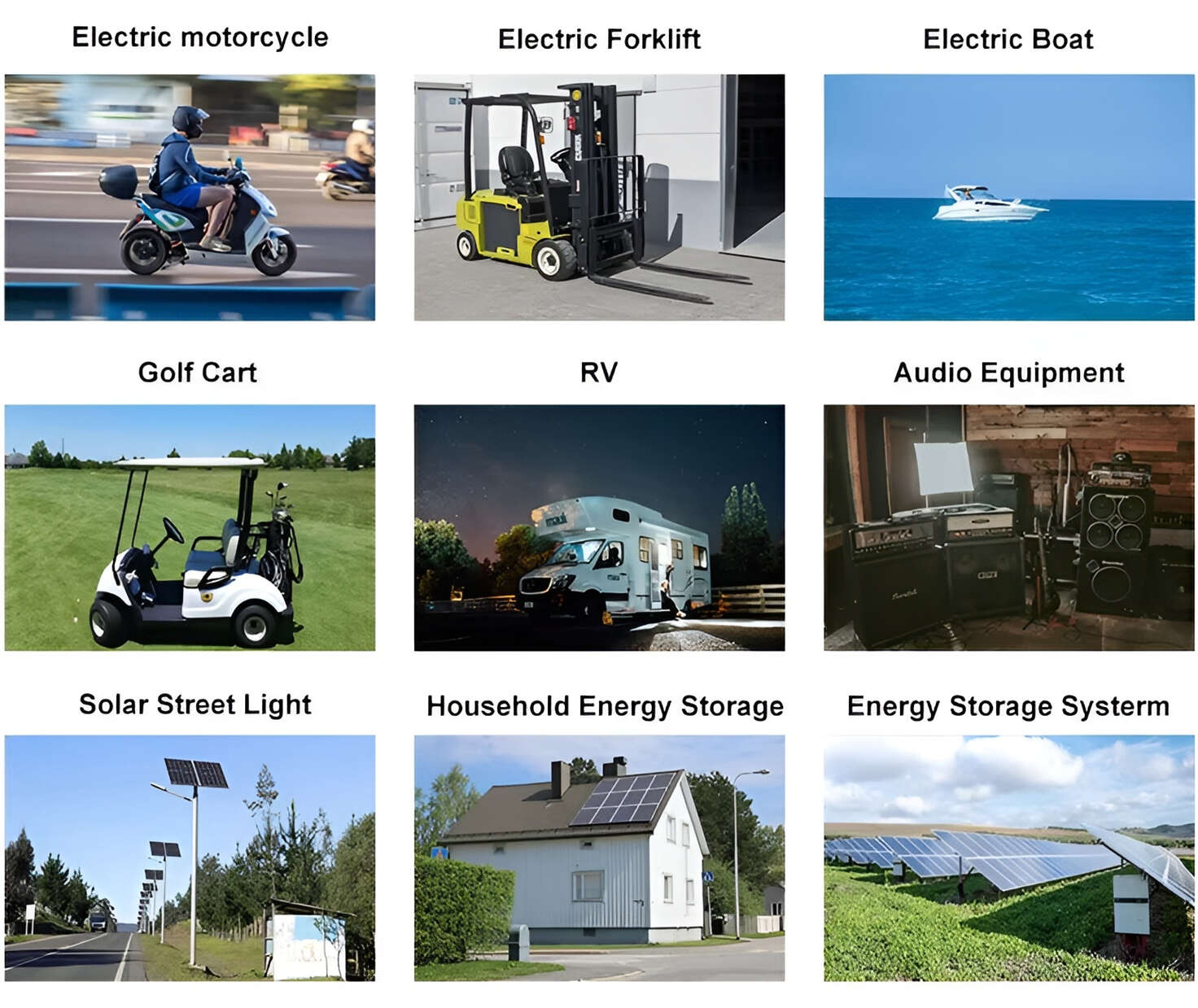
Applications: E-bike, Electric Scooter, Golf Carts, RV, Electric Wheelchair, Electric Tools, Robot Cleaner, Robot Sweeper, Solar Energy Storage System, Emergency Light, Solar Power Light, Medical Equipment, UPS Backup Power Supply.
We can provide you with customized services. We have the ability to provide a vertical supply chain, from single cells to pack/module and to a complete power solution with BMS, etc.
HomSolar (Shenzhen) Technology Co., Ltd