Advances In Electrochemical Performance: Unlocking The Potential Of Next-generation Energy Storage
The relentless pursuit of advanced energy storage solutions has placed electrochemical performance at the forefront of materials science and engineering. This performance, a multifaceted metric encompassing capacity, rate capability, cycling stability, energy density, and power density, is the ultimate arbiter of a technology's viability. Recent years have witnessed remarkable progress in enhancing these parameters across various electrochemical systems, from lithium-ion batteries (LIBs) to post-lithium technologies and supercapacitors, driven by innovations in materials design, interface engineering, and advanced diagnostics.
Novel Electrode Architectures and Materials
The quest for higher energy density has propelled research beyond conventional intercalation chemistry. Silicon anodes, with a theoretical capacity nearly ten times that of graphite, represent a paradigm shift. However, their widespread adoption has been hampered by severe volume expansion during lithiation, leading to mechanical failure and rapid capacity decay. Recent breakthroughs have focused on sophisticated nanostructuring and composite design. For instance, the development of porous silicon-carbon yolk-shell structures has created void space to accommodate expansion, significantly improving cyclability. As demonstrated by Liu et al., such architectures can maintain capacities above 1000 mAh g⁻¹ for hundreds of cycles, a feat unattainable with bulk silicon.
Similarly, the exploration of "anode-free" configurations, where lithium is plated directly onto the current collector, has gained traction. This design maximizes energy density but is plagued by unstable lithium deposition and dendrite growth. A landmark study by Qian et al. introduced a dual-salt electrolyte with a fluorinated co-solvent that promotes the formation of a robust, inorganic-rich solid-electrolyte interphase (SEI). This engineered interface enables highly reversible lithium plating and stripping, with Coulombic efficiencies exceeding 99.5%, paving the way for safer and denser lithium metal batteries.
On the cathode side, the dominance of layered oxides (NMC, NCA) is being challenged by several contenders. Lithium-rich manganese-rich (LMR) oxides offer exceptionally high capacities but suffer from voltage decay and oxygen release. Recent work has shown that surface coatings and lattice doping can mitigate these issues. For example, a gradient doping strategy with inert elements has been used to stabilize the bulk structure while a nanoscale coating protects the surface, effectively suppressing the irreversible oxygen loss and improving the voltage stability over cycling.
Beyond LIBs, sulfur and oxygen electrochemistry are key for next-generation systems. For Lithium-Sulfur (Li-S) batteries, the primary challenge is the polysulfide shuttle effect. The use of single-atom catalysts (SACs) dispersed on porous carbon substrates has emerged as a powerful strategy. These SACs, such as cobalt or nickel atoms anchored on nitrogen-doped graphene, not only chemically trap polysulfides but also catalytically accelerate their conversion kinetics, drastically reducing capacity fade.
The Solid-State Revolution and Interface Engineering
Perhaps the most significant technological leap in recent years is the rapid advancement of solid-state batteries (SSBs). Replacing liquid electrolytes with solid counterparts promises improved safety, a wider operating temperature window, and the potential to use lithium metal anodes. The performance of SSBs is critically dependent on the ionic conductivity of the solid electrolyte and the stability of the solid-solid interfaces.
Garnet-type (e.g., Li₇La₃Zr₂O₁₂ or LLZO) and argyrodite (e.g., Li₆PS₅Cl) solid electrolytes have seen tremendous progress, with ionic conductivities now rivaling those of liquid electrolytes. However, the high impedance at the electrode-electrolyte interfaces remains a major bottleneck. Innovative interface engineering solutions are being developed to address this. One promising approach is the application of an ultra-thin, soft interlayer between the lithium metal and the rigid solid electrolyte. For example, introducing a polymer-ionic liquid composite layer can create a conformal contact, dramatically reducing the interfacial resistance and enabling stable cycling at high current densities. Another strategy involvesin-situpolymerization to form a hybrid electrolyte, where a polymer gel forms at the interface to ensure intimate contact while the bulk remains a rigid ceramic for dendrite suppression.
Advanced Characterisation and Data-Driven Discovery
Understanding and improving electrochemical performance is increasingly reliant on sophisticatedoperandoandin-situcharacterization techniques. High-resolution electron microscopy, X-ray tomography, and neutron diffraction allow researchers to observe structural and morphological changes within electrodes in real-time during cycling. Furthermore, the integration of artificial intelligence (AI) and machine learning (ML) is accelerating the discovery of new materials and the optimization of cell parameters. ML models can predict electrolyte formulations, identify promising crystal structures from vast databases, and analyze complex electrochemical impedance spectroscopy data to diagnose failure modes, drastically shortening the research and development cycle.
Future Outlook
The trajectory of electrochemical performance enhancement points towards several key future directions. First, the move towards multifunctional materials will intensify, where a single component is designed to perform multiple roles, such as acting as both a conductive scaffold and a catalytic site. Second, the concept of interphase genome will be crucial; a fundamental, atomic-level understanding of the SEI and cathode-electrolyte interphase (CEI) will enable the rational design of perfectly stable interfaces. Third, sustainability will become a core performance metric. Research will focus on developing high-performance systems based on abundant elements like sodium, magnesium, and zinc, while also establishing efficient and scalable recycling protocols for existing battery chemistries.
In conclusion, the field of electrochemical energy storage is undergoing a profound transformation. Through the synergistic combination of novel materials design, revolutionary solid-state architectures, and cutting-edge diagnostics, we are steadily overcoming the fundamental limitations that have constrained performance for decades. The continued focus on these interdisciplinary approaches promises to unlock a new era of energy storage, powering everything from electric transportation to grid-scale renewable energy integration.
References:
1. Liu, N., et al. "A Yolk-Shell Design for Stabilized and Scalable Li-Ion Battery Alloy Anodes."Nano Letters, vol. 12, no. 6, 2012, pp. 3315-21. 2. Qian, J., et al. "High-Efficiency Anode-Free Lithium Metal Batteries with a Dual-Salt Fluoroethylene Carbonate Electrolyte."Nature Energy, vol. 4, 2019, pp. 637-645. 3. Manthiram, A. "A Reflection on Lithium-Ion Battery Cathode Chemistry."Nature Communications, vol. 11, 2020, 1550. 4. Peng, L., et al. "A Fundamental Look at Electrocatalytic Sulfur Reduction Reaction."Nature Catalysis, vol. 3, 2020, pp. 762-770. 5. Janek, J., & Zeier, W. G. "A Solid Future for Battery Development."Nature Energy, vol. 1, 2016, 16141.
Customized/OEM/ODM Service
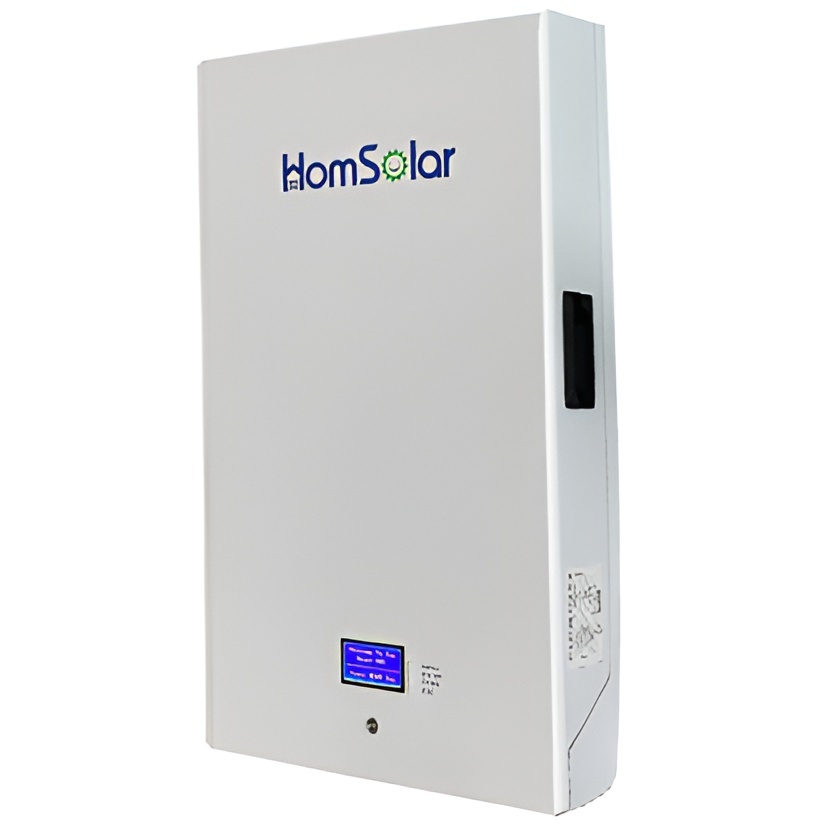
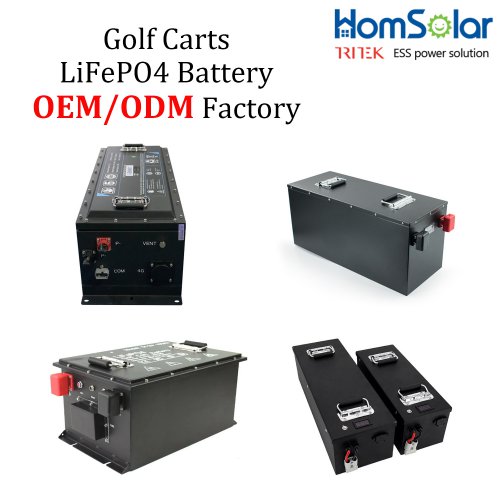
HomSolar Supports Lifepo4 battery pack customization/OEM/ODM service, welcome to contact us and tell us your needs.


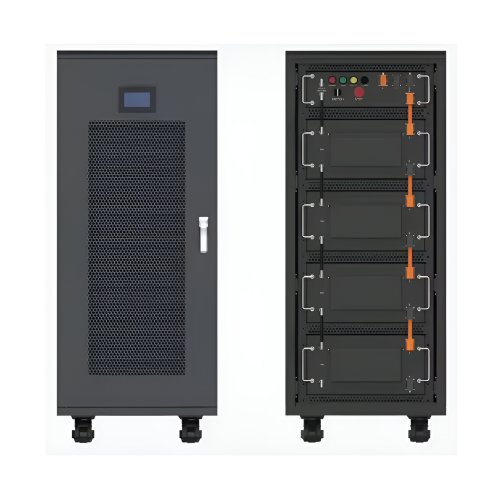
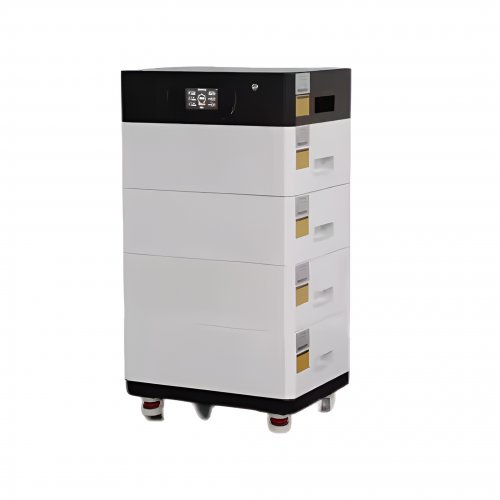
HomSolar: Your One-stop LiFePO4 Battery Pack & ESS Solution Manufacturer
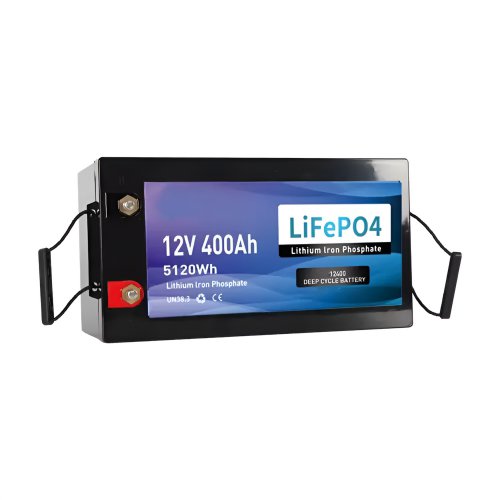
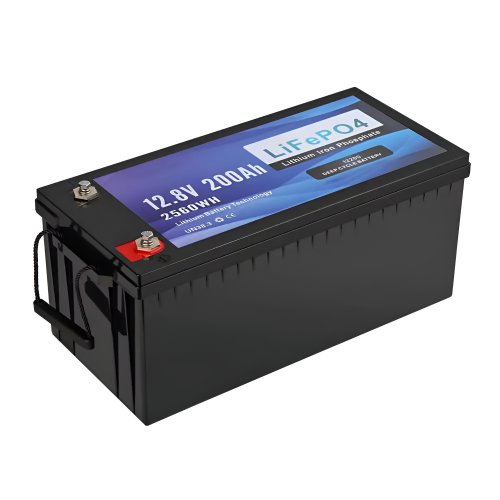
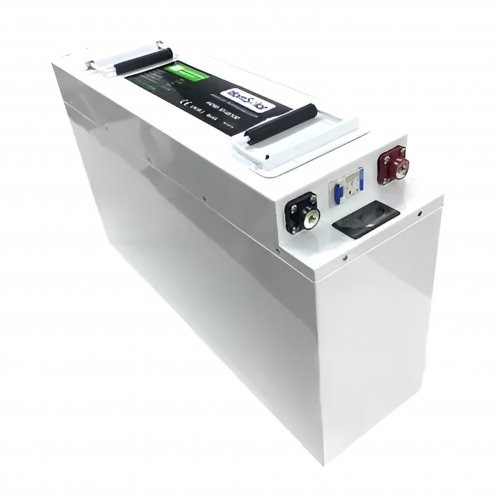
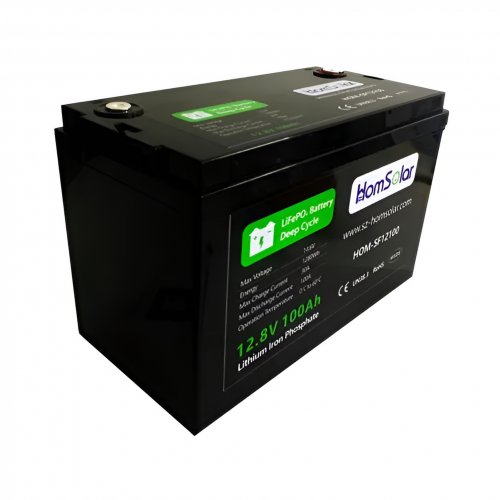
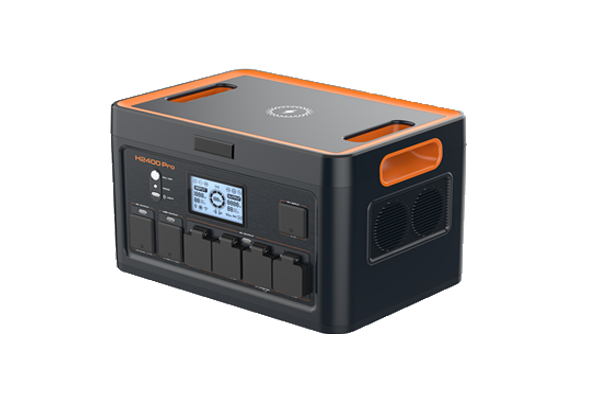
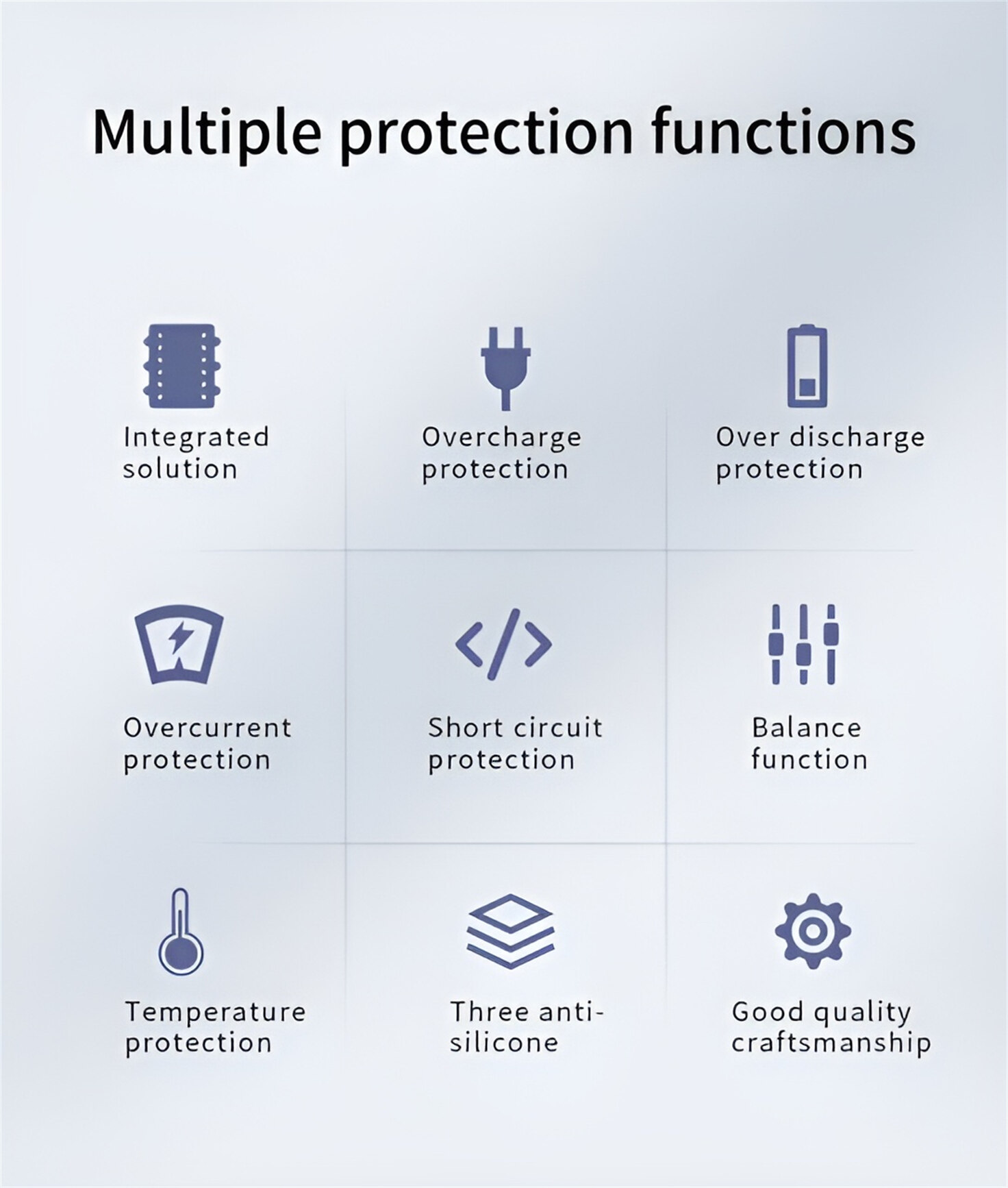
Our line of LiFePO4 (LFP) batteries offer a solution to demanding applications that require a lighter weight, longer life, and higher capacity battery. Features include advanced battery management systems (BMS), Bluetooth® communication and active intelligent monitoring.
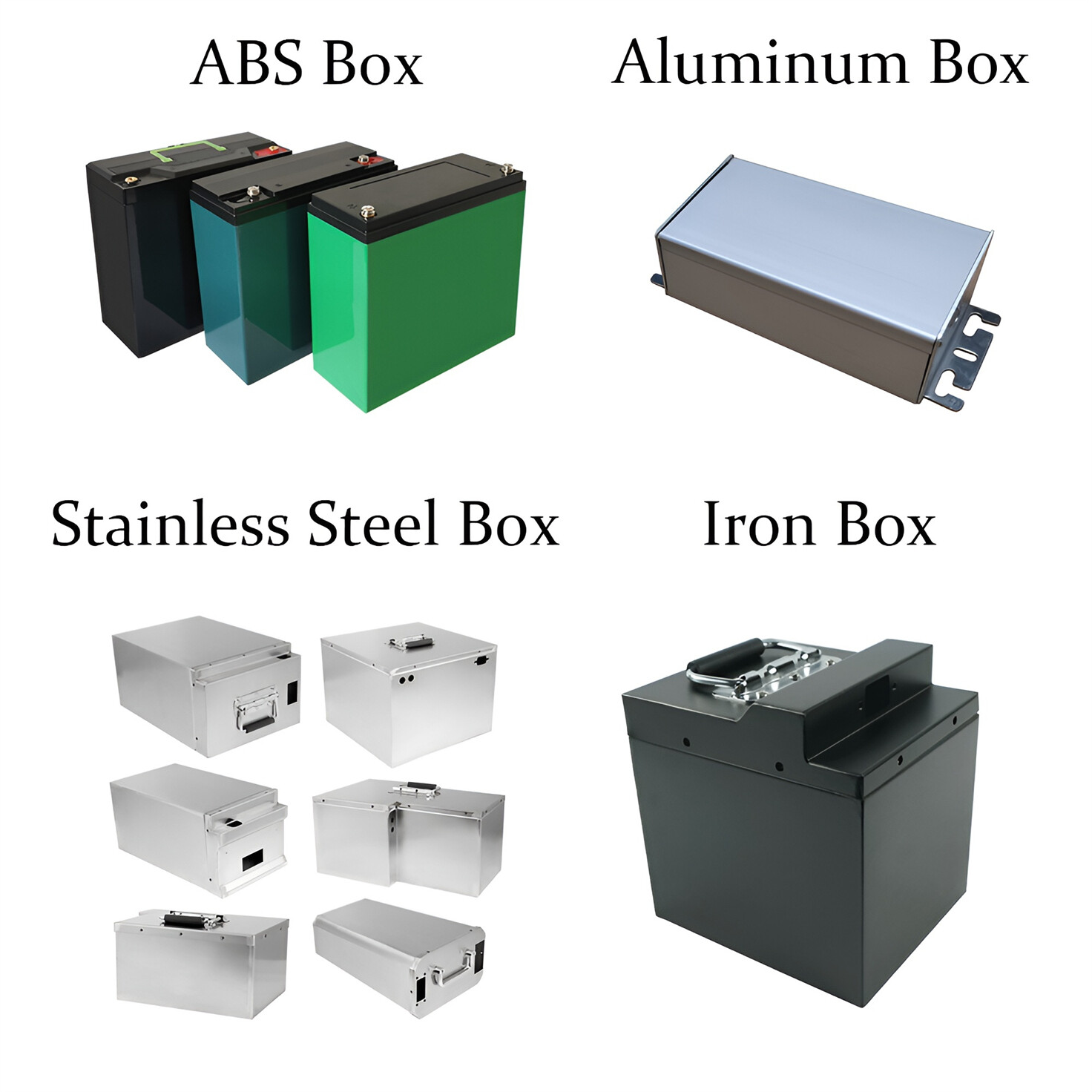
Customised Lithium Iron Phosphate Battery Casing
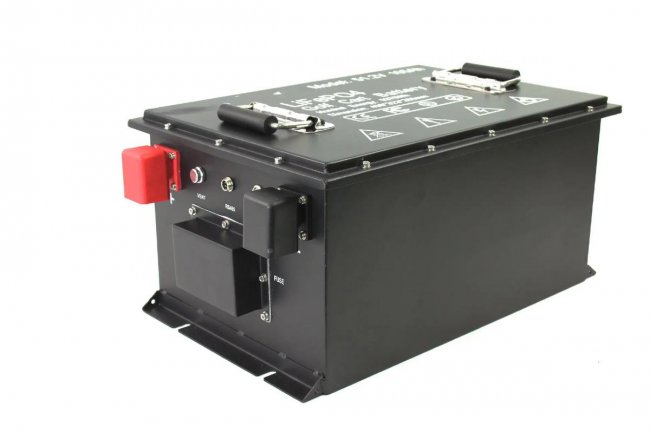
ABS plastic housing, aluminium housing, stainless steel housing and iron housing are available, and can also be designed and customised according to your needs.
HomSolar Smart BMS
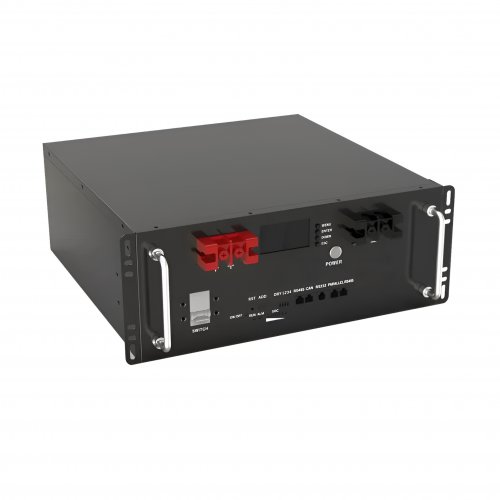
Intelligent Battery Management System for HomSolar Energy Storage System. Bluetooth, temperature sensor, LCD display, CAN interface, UART interface also available.

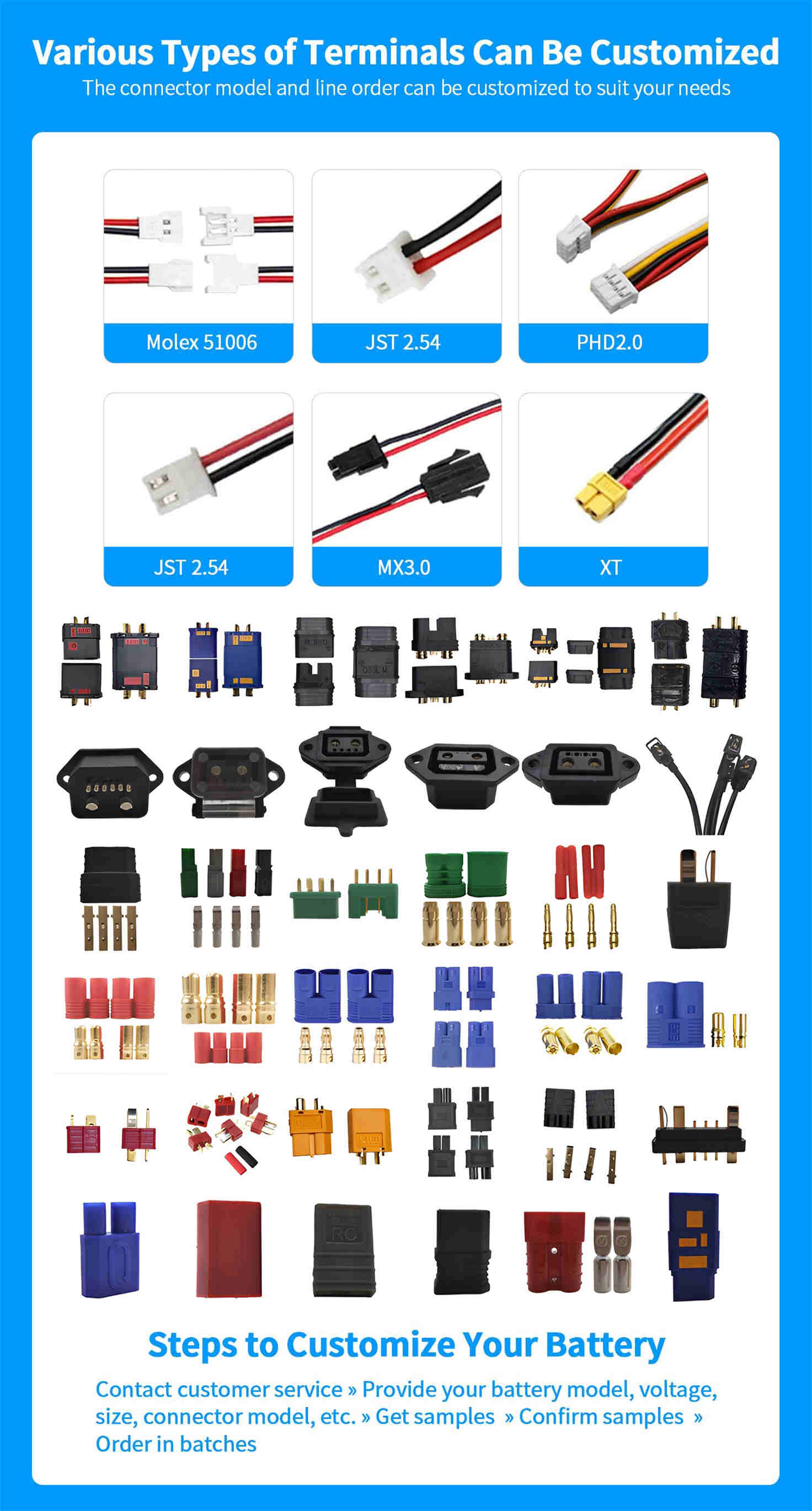
Terminals & Plugs Can Be Customized
A wide range of terminals and plugs can be customised to suit the application needs of your battery products.
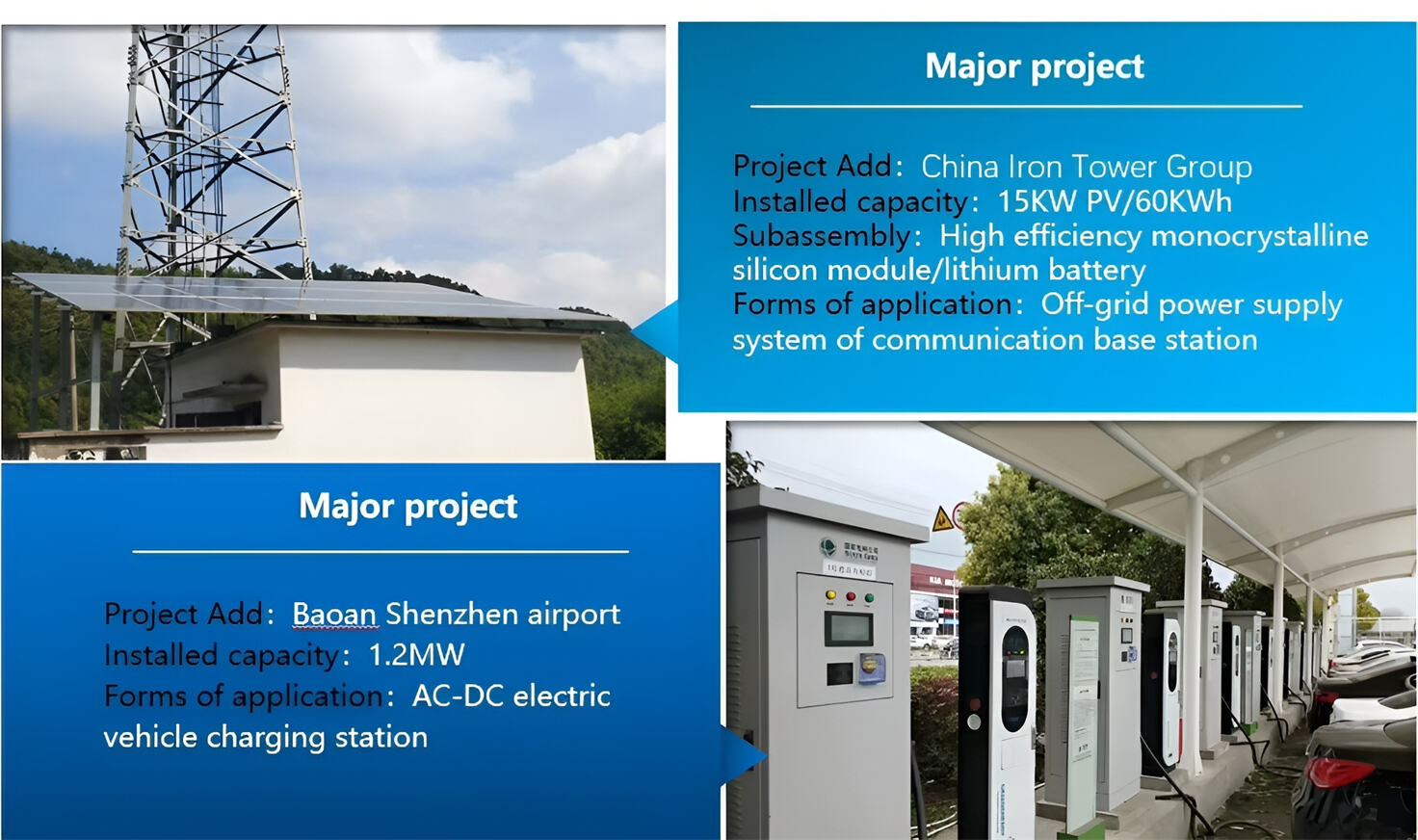
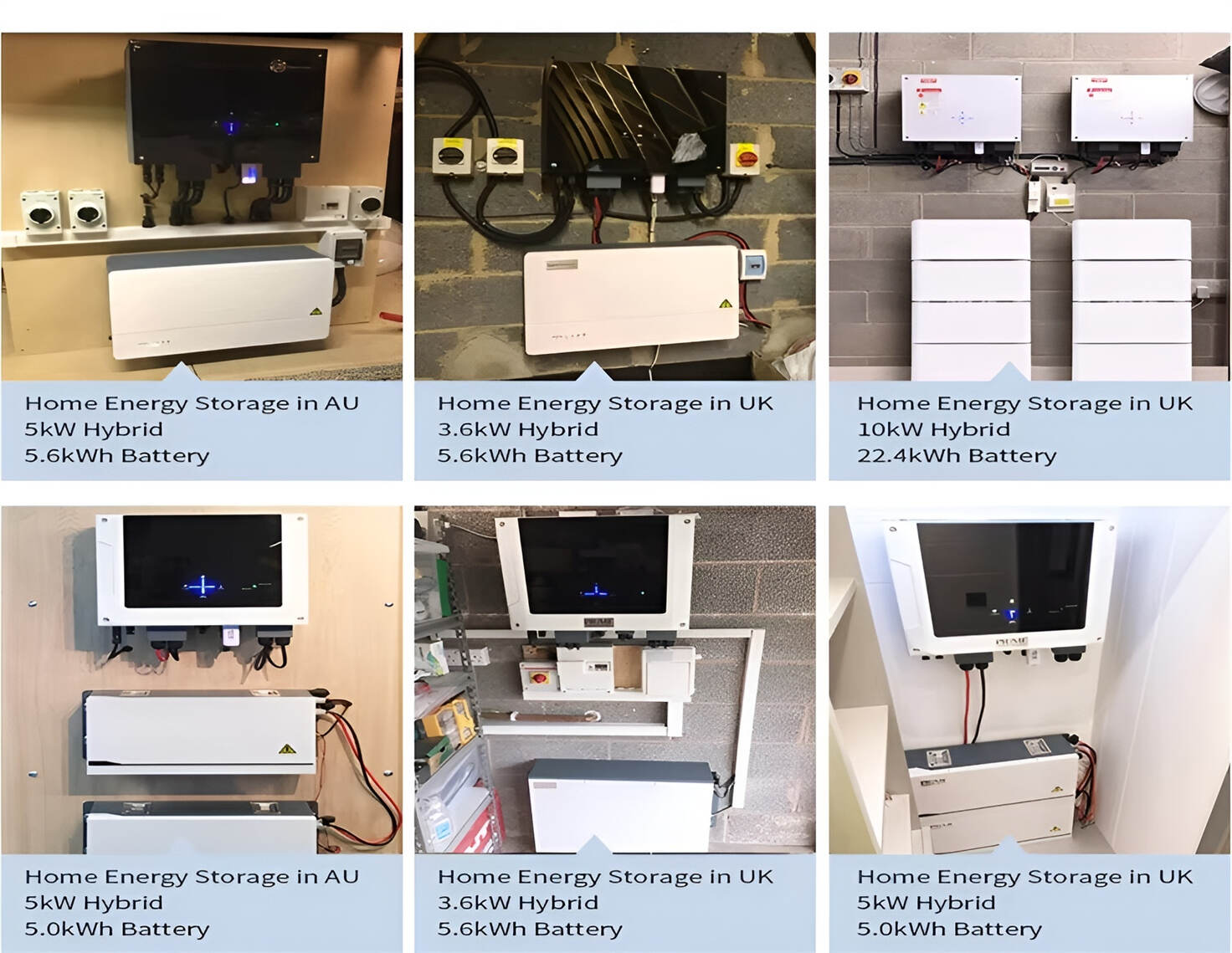
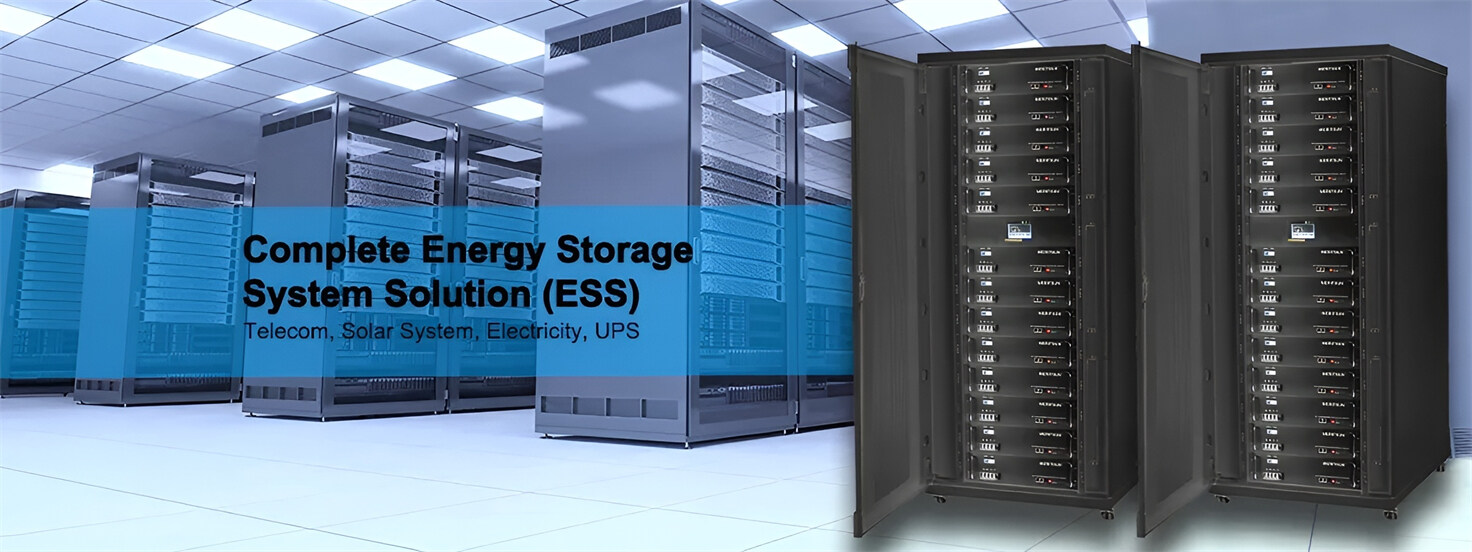
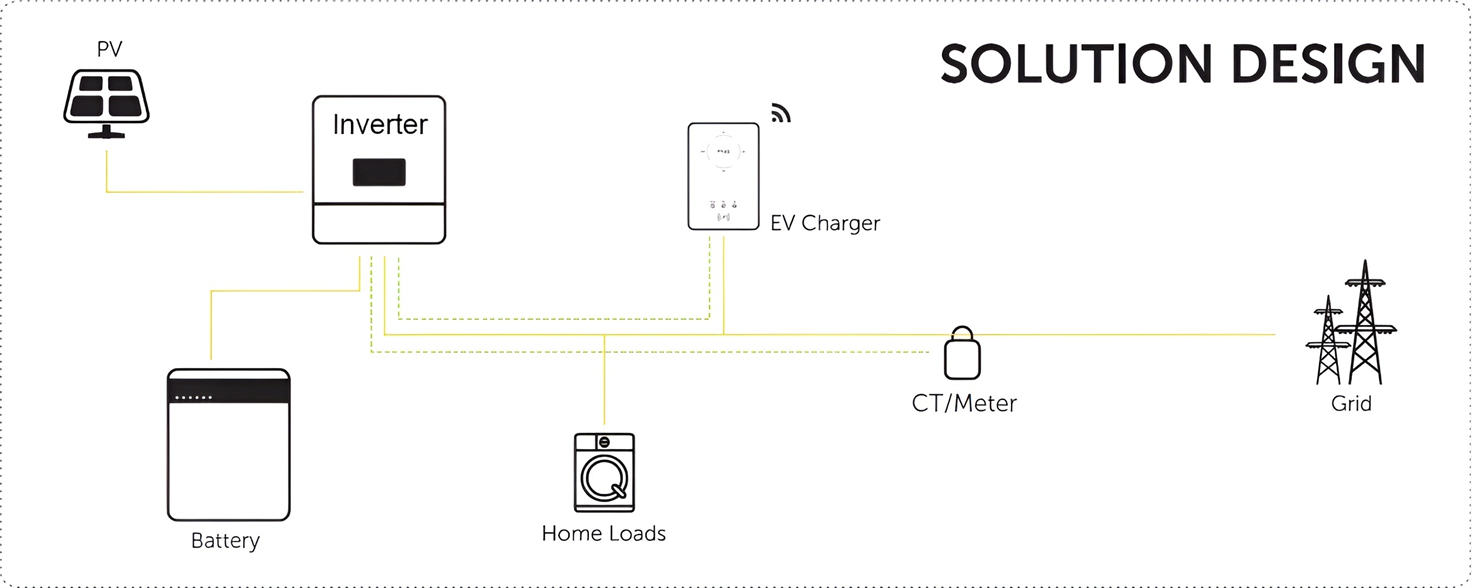
Well-designed Solutions for Energy Storage Systems
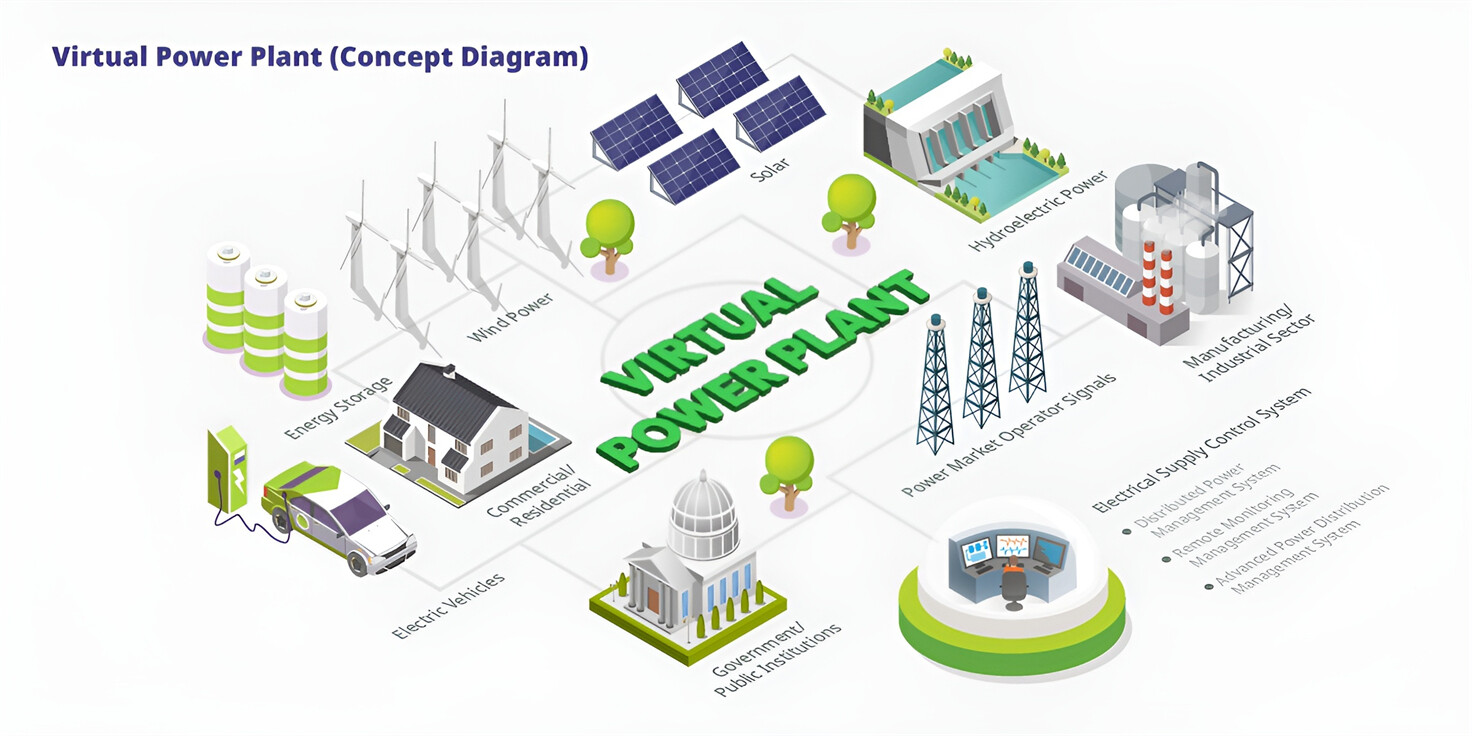
We will design the perfect energy storage system solution according to your needs, so that you can easily solve the specific industry applications of battery products.
About Our Battery Cells
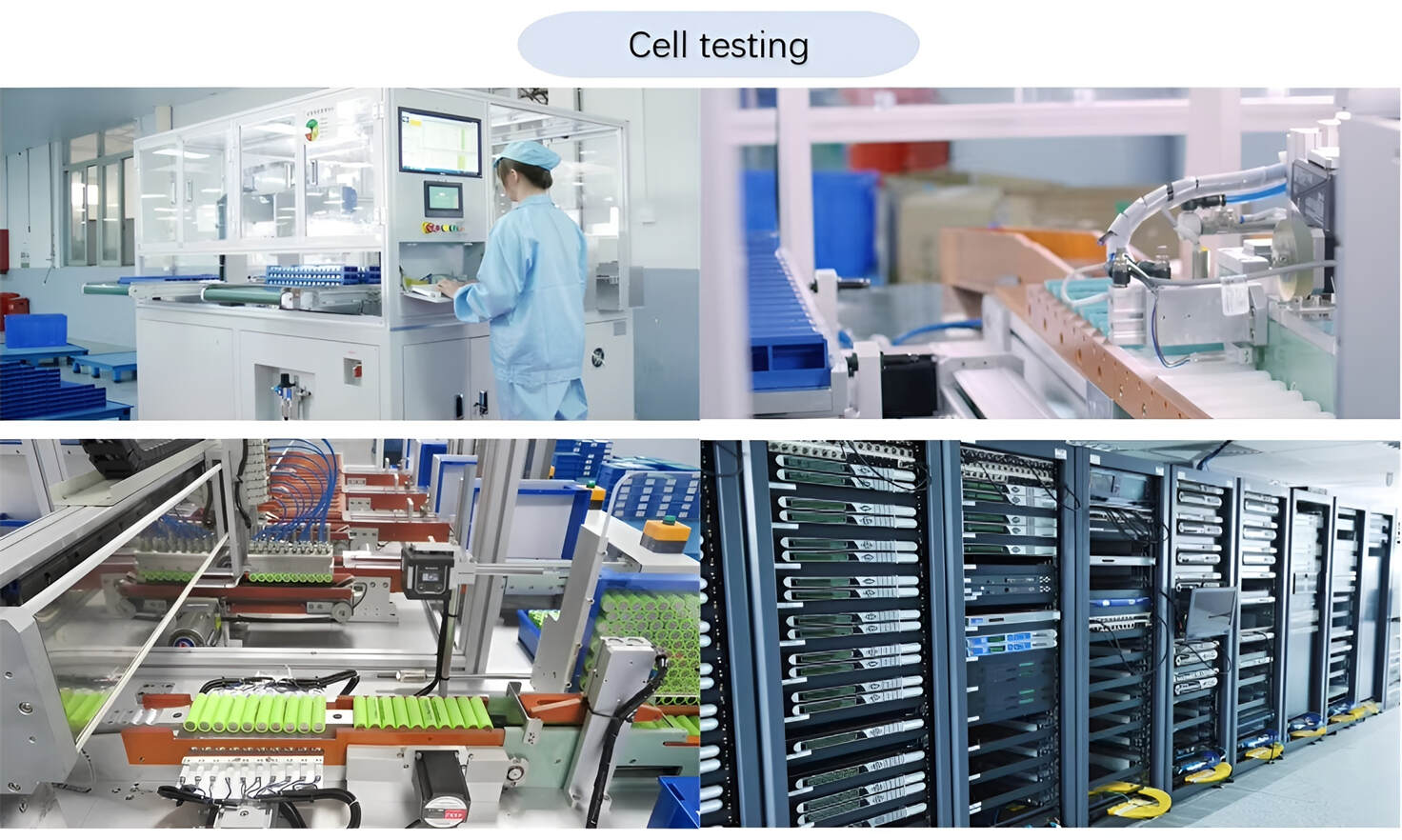
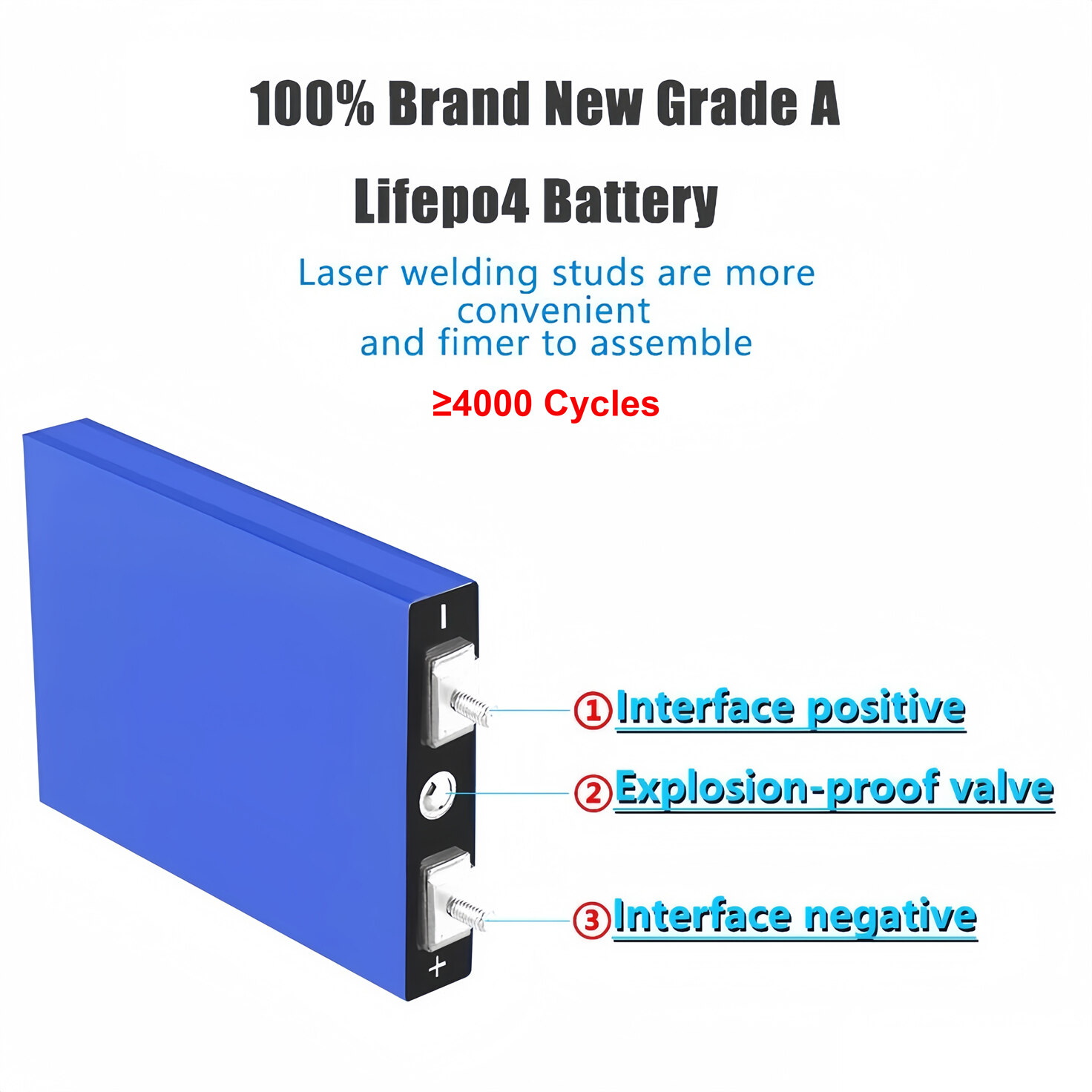
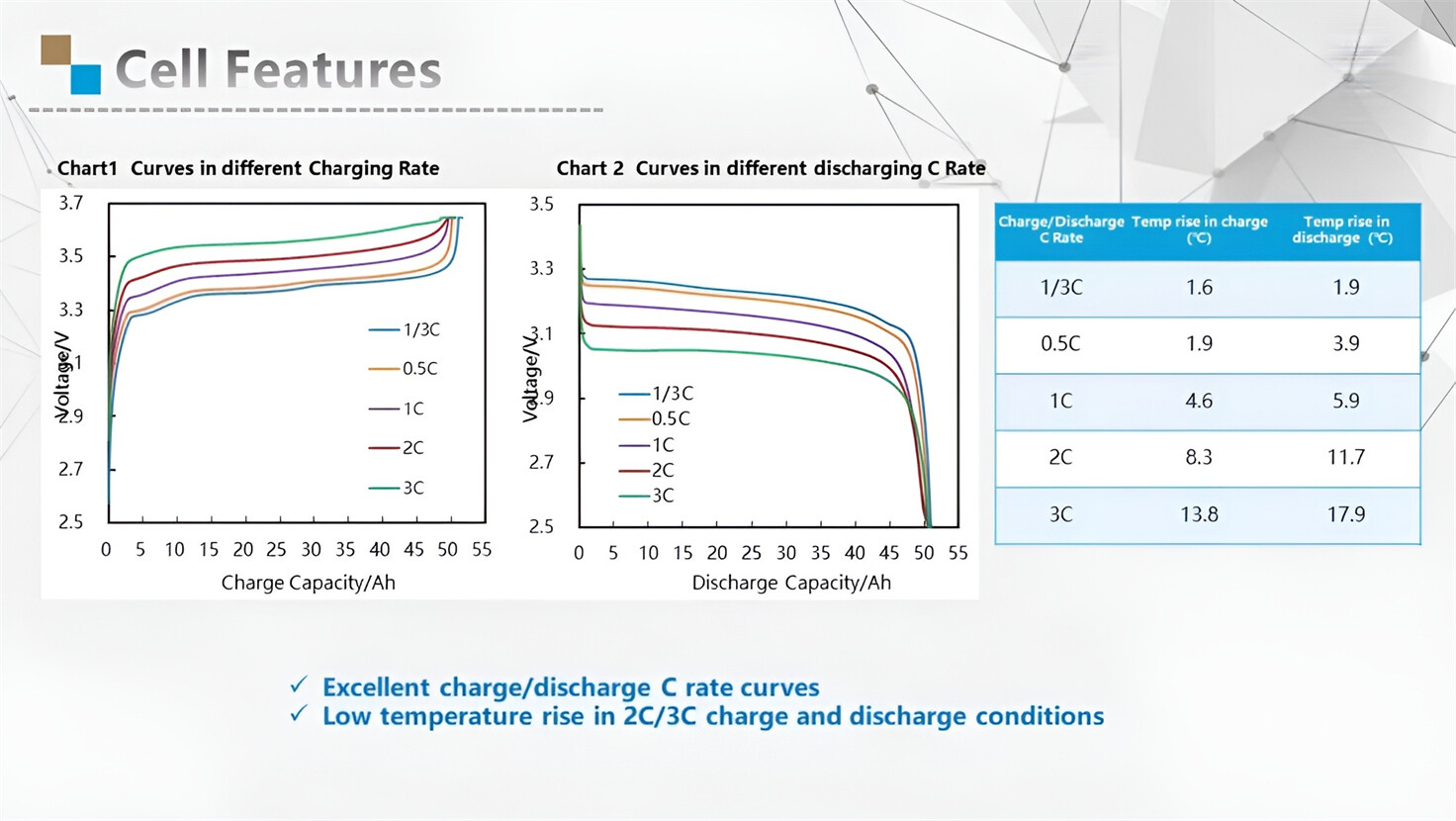
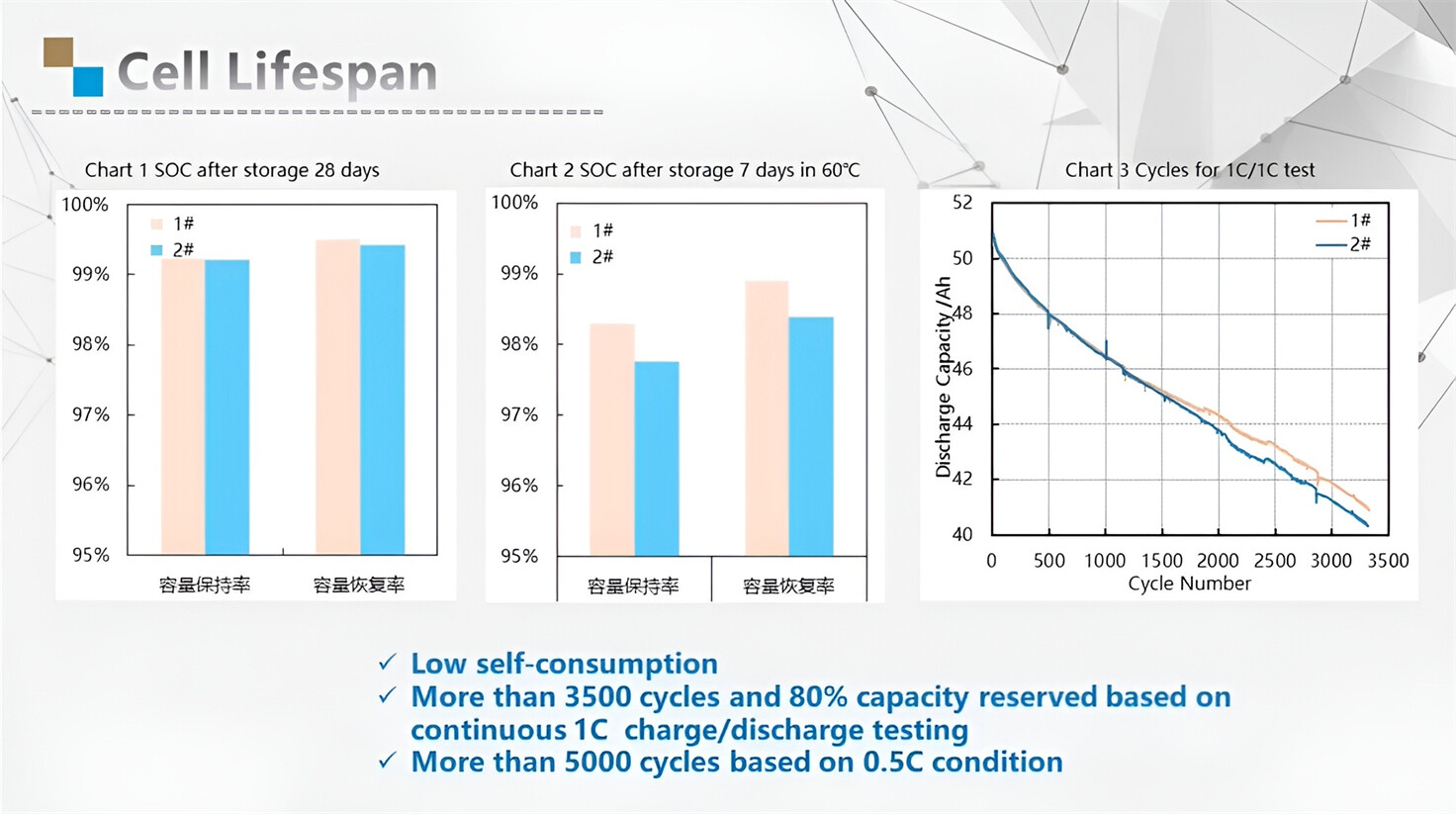
Our energy storage system products use brand new grade A LiFePO4 cells with a battery lifespan of more than 4,000 charge/discharge cycles.
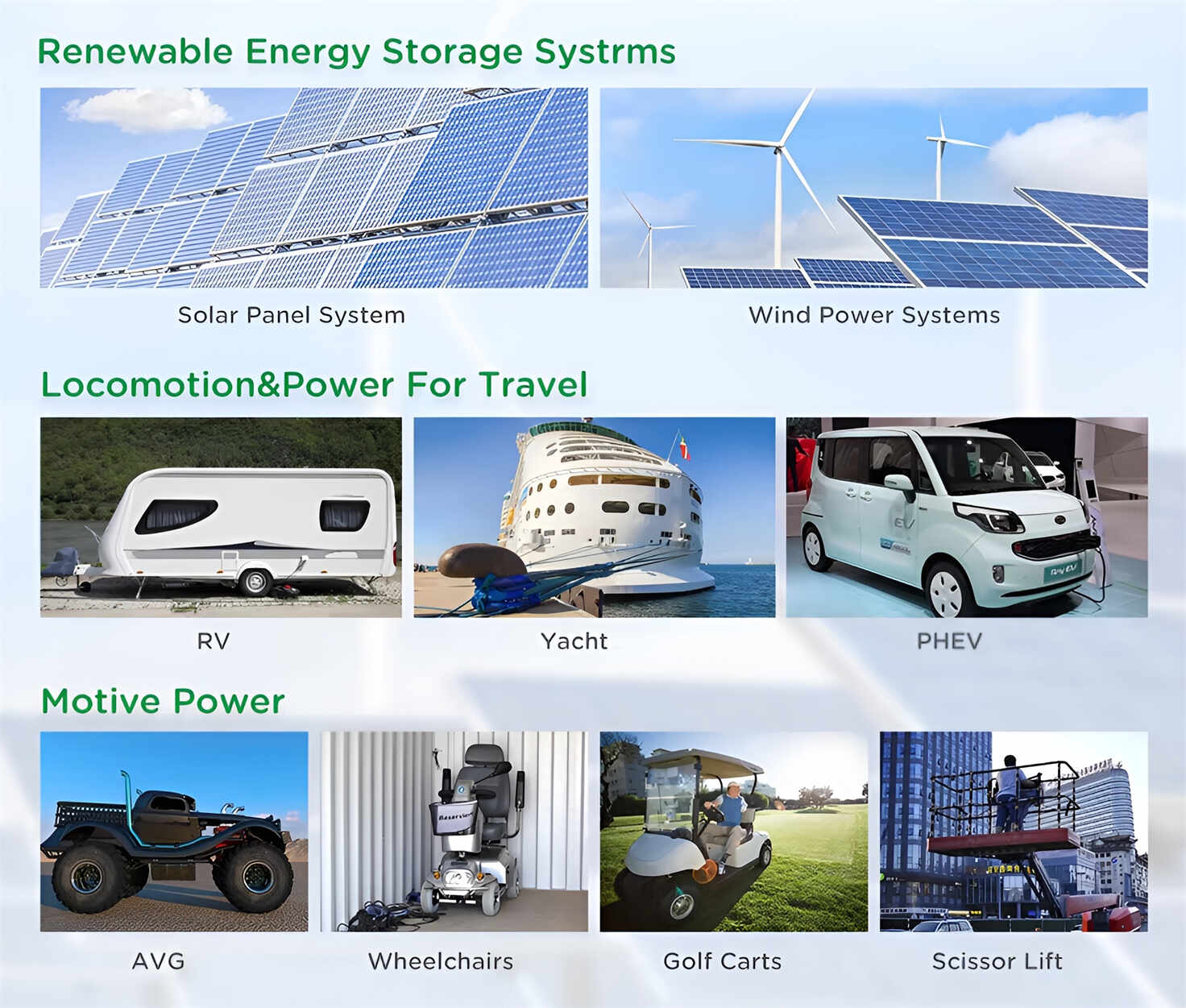
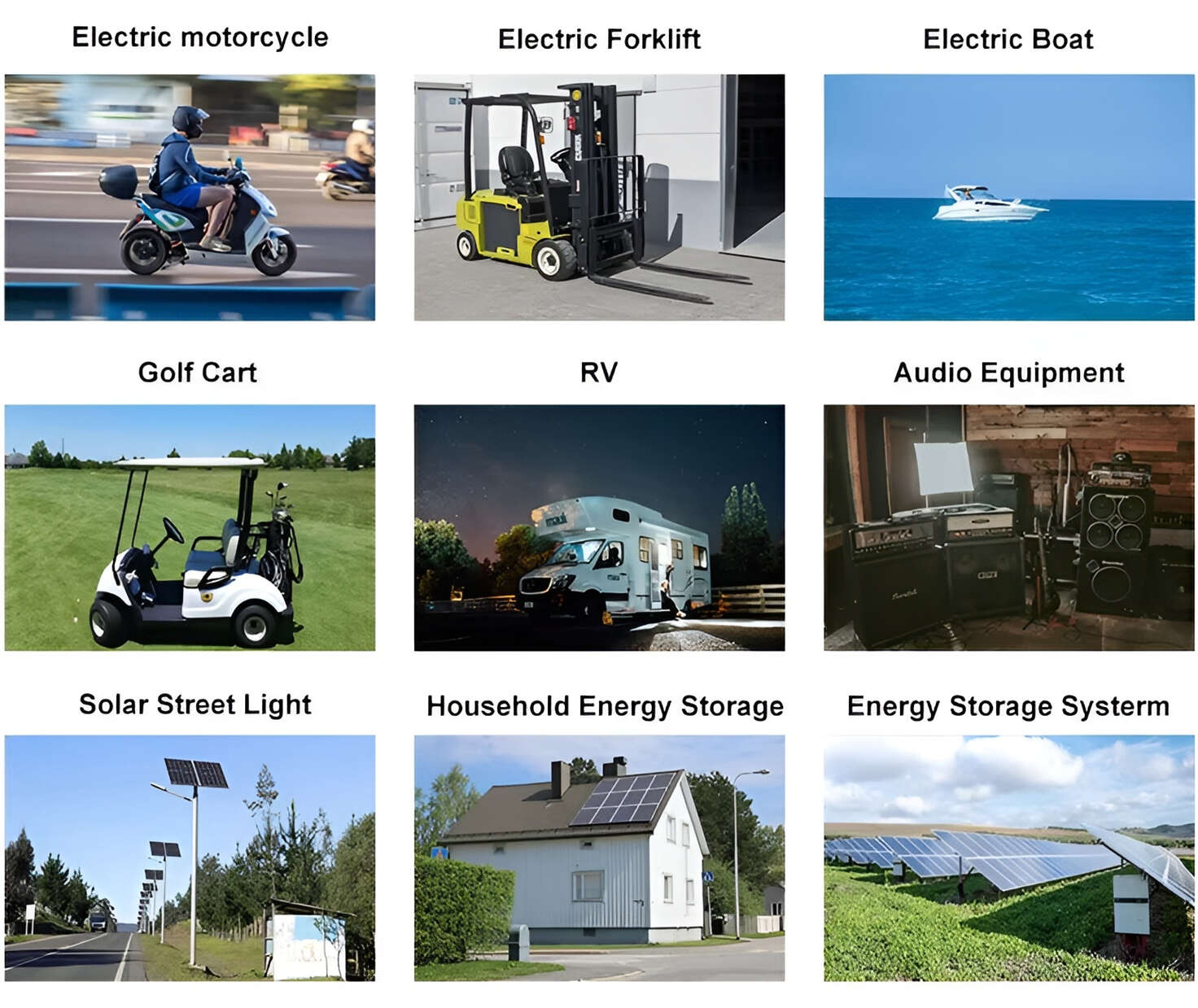
Applications in Different Industries
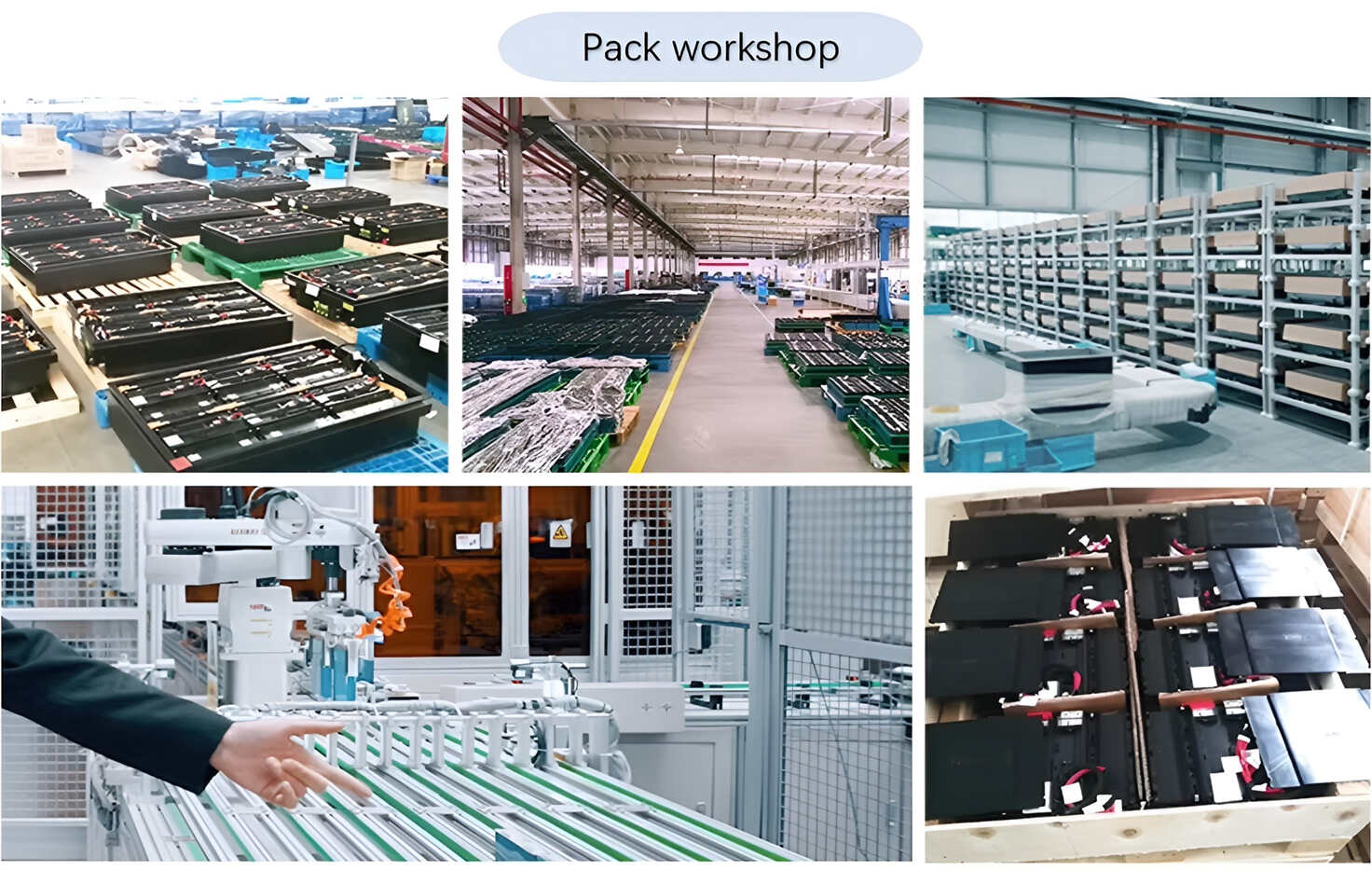
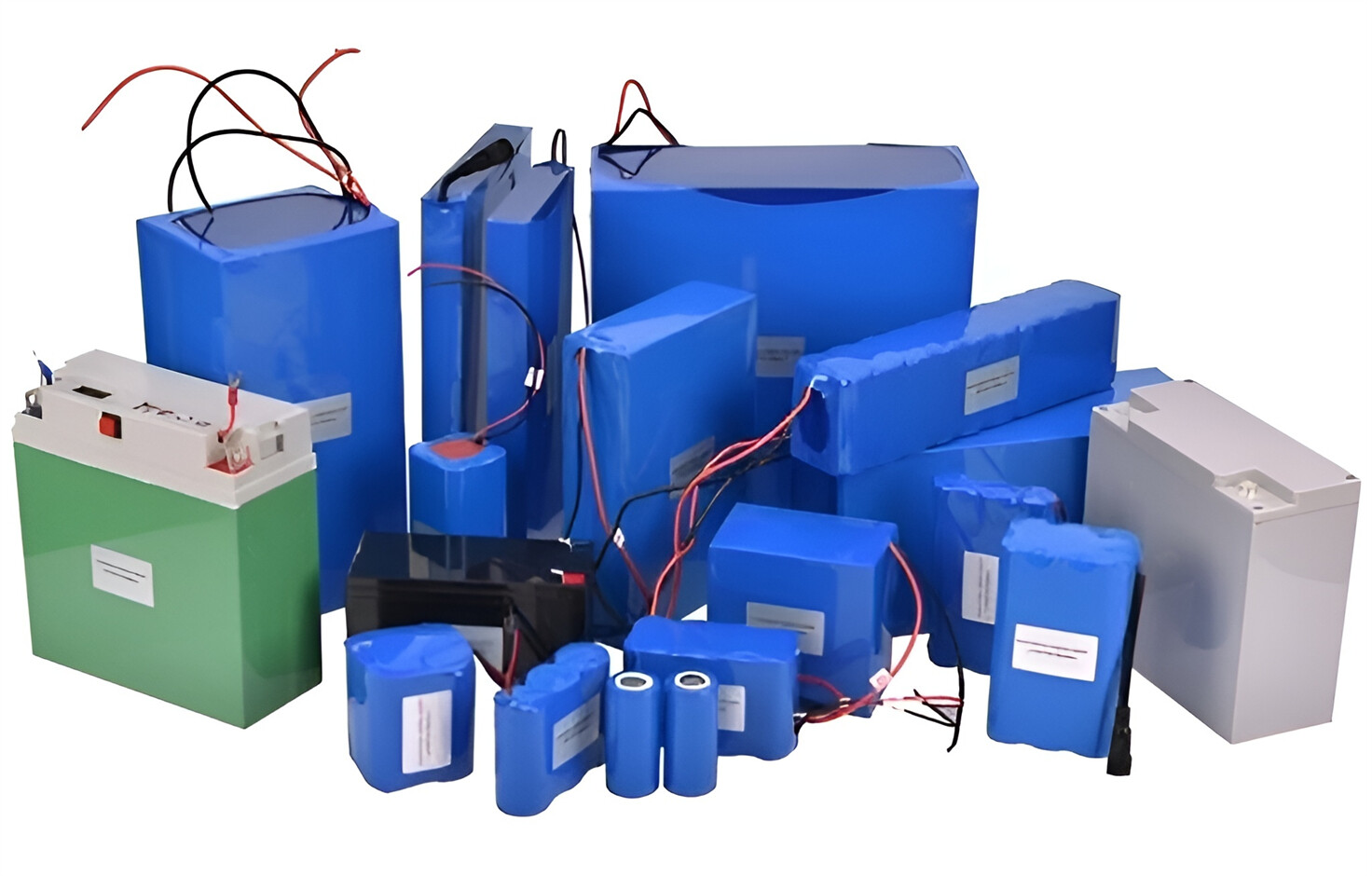
We supply customized & OEM battery pack, assemble cells with wiring, fuse and plastic cover, all the cell wires connected to PCB plug or built BMS.
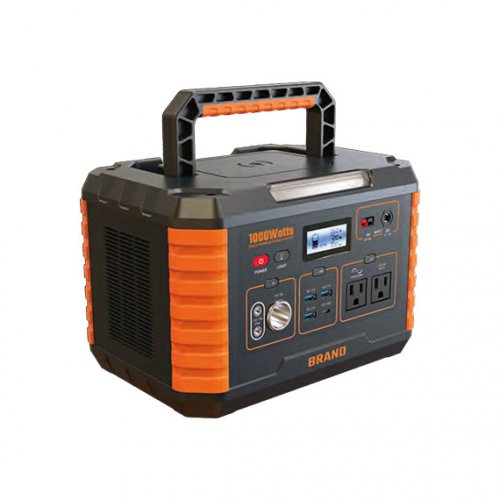
Applications: E-bike, Electric Scooter, Golf Carts, RV, Electric Wheelchair, Electric Tools, Robot Cleaner, Robot Sweeper, Solar Energy Storage System, Emergency Light, Solar Power Light, Medical Equipment, UPS Backup Power Supply.
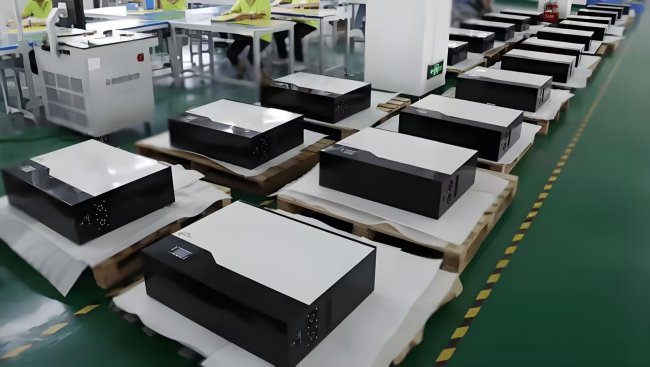
We can provide you with customized services. We have the ability to provide a vertical supply chain, from single cells to pack/module and to a complete power solution with BMS, etc.
HomSolar (Shenzhen) Technology Co., Ltd