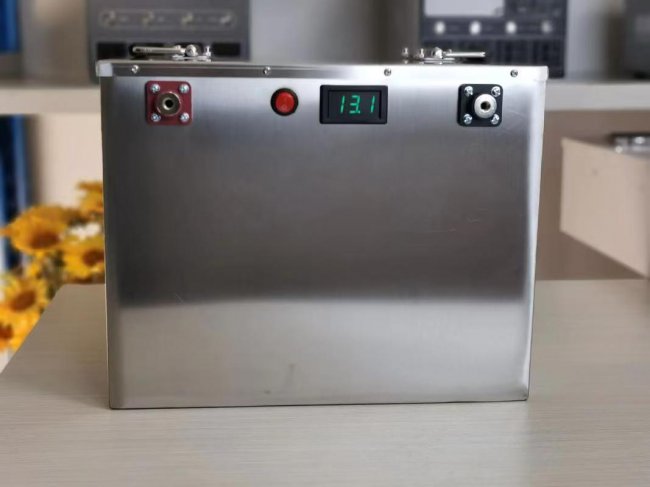
Advances In Electrochemical Performance: Unlocking Next-generation Energy Storage Through Material And Interface Engineering
The relentless pursuit of advanced energy storage solutions has placed electrochemical performance at the epicenter of materials science and engineering research. The key metrics—energy density, power density, cycle life, rate capability, and safety—are being systematically redefined through innovative strategies in material design, electrolyte formulation, and interface control. Recent years have witnessed a paradigm shift from incremental improvements to transformative breakthroughs, paving the way for a new era of electrochemical devices.
Novel Electrode Architectures and High-Capacity Materials
A primary frontier for enhancing electrochemical performance lies in the development of next-generation electrode materials. For lithium-ion batteries (LIBs), the transition from conventional graphite anodes to silicon-based materials represents a monumental leap. Silicon offers a theoretical capacity of approximately 3579 mAh g⁻¹, an order of magnitude higher than graphite's 372 mAh g⁻¹. However, its practical application has been plagued by a massive volume expansion (>300%) during lithiation, leading to mechanical fracture and rapid capacity fade. Recent breakthroughs have successfully mitigated this issue. The design of sophisticated nanostructures, such as silicon nanowires, porous sponges, and yolk-shell configurations, has provided the necessary void space to accommodate expansion without disintegration. For instance, the work by Liu et al. demonstrated a pomegranate-inspired Si anode where Si nanoparticles are clustered within a conductive carbon matrix, achieving exceptional cyclability with over 97% capacity retention after 1000 cycles.
On the cathode side, the move towards nickel-rich layered oxides (NMC, NCA) and lithium-rich manganese-based oxides has pushed the boundaries of energy density. Research is now focused on stabilizing these high-capacity materials by doping with elements like Al, Mg, or Zr and applying surface coatings (e.g., Al₂O₃, Li₃PO₄) to suppress interfacial side reactions and cation dissolution. Concurrently, anion-redox chemistry in lithium-rich cathodes is being actively explored, though challenges regarding voltage fade and oxygen release remain a focal point of current research.
Beyond LIBs, lithium-sulfur (Li-S) batteries continue to attract significant attention due to their high theoretical energy density (2600 Wh kg⁻¹). The primary challenge lies in the dissolution and shuttling of lithium polysulfides (LiPS), which causes active material loss and rapid capacity degradation. The latest strategies involve the engineering of multifunctional sulfur hosts. Pioneering research has highlighted the efficacy of polar hosts like metal-organic frameworks (MOFs), single-atom catalysts, and transition metal nitrides/sulfides. These materials not only physically confine LiPS but also chemically adsorb and catalytically accelerate their conversion kinetics. A notable study by Zhou et al. utilized single-atom cobalt embedded in nitrogen-doped graphene, which dramatically enhanced the redox kinetics of LiPS, leading to a high-rate capability and ultralong cycle life.
Solid-State Electrolytes: The Quest for the Ultimate Safety
The replacement of flammable liquid electrolytes with solid-state electrolytes (SSEs) is arguably the most profound shift in the field, promising unparalleled safety and the potential to enable lithium metal anodes. The electrochemical performance of all-solid-state batteries (ASSBs) hinges on the properties of the SSE: high ionic conductivity, low electronic conductivity, and superior mechanical/electrochemical stability.
Significant progress has been made with sulfide-based (e.g., Li₁₀GeP₂S₁₂) and halide-based (e.g., Li₃YCl₆) SSEs, which now exhibit ionic conductivities rivaling or even surpassing those of liquid electrolytes. However, the interface between the SSE and the electrodes remains a critical bottleneck. The formation of a resistive interphase layer and poor solid-solid contact lead to high impedance and dendrite propagation. Recent technological breakthroughs have addressed these issues through innovative interface engineering. The introduction of ultrathin interfacial layers, such as a few nanometers of Al₂O₃ via atomic layer deposition (ALD), has been shown to stabilize the SSE/Li metal interface. Furthermore, the concept of "soft" interfaces, employing composite solid electrolytes that integrate polymers with inorganic fillers, has improved contact and suppressed dendrite growth by homogenizing Li-ion flux.
Electrolyte Engineering and Interphase Control
For conventional liquid-based systems, electrolyte engineering remains a powerful tool for boosting electrochemical performance. The development of localized high-concentration electrolytes (LHCEs) has been a landmark achievement. By diluting a high-concentration salt-solvent complex with a non-co-solvent, LHCEs maintain the desired solvation structure that promotes the formation of a robust, inorganic-rich solid-electrolyte interphase (SEI) on anodes like silicon and lithium metal, while mitigating the high viscosity and cost of concentrated electrolytes. This has led to remarkable stability for high-voltage NMC cathodes and lithium metal anodes simultaneously.
The understanding and precise control of the SEI and cathode-electrolyte interphase (CEI) have evolved dramatically. Advanced characterization techniques, including cryo-electron microscopy and in-situ spectroscopy, have revealed the nanoscale mosaic and multilayer structure of these interphases. This knowledge is now being translated into rational design. The use of electrolyte additives, such as fluoroethylene carbonate (FEC) and lithium difluoro(oxalato)borate (LiDFOB), is a well-established method to tailor interphase composition and properties. More recently, the concept of "pre-passivation" or "artificial SEI" layers, constructed ex-situ before cell assembly, is gaining traction for providing a uniform and stable interface from the very first cycle.
Future Outlook and Challenges
The trajectory of electrochemical performance research points towards an increasingly multidisciplinary and atomically precise future. Several key directions are emerging:
1. Multiscale Modeling and AI-Driven Discovery: The integration of multi-physics modeling with machine learning will accelerate the discovery of new electrolyte formulations, dopant combinations, and stable crystal structures, moving beyond trial-and-error approaches. 2. Beyond-Lithium Technologies: While LIBs will dominate for the foreseeable future, sodium-ion and potassium-ion batteries are maturing rapidly, offering cost and sustainability advantages for grid storage. Their performance is being enhanced through the design of tailored host materials that accommodate larger ion sizes. 3. Operando and In-situ Characterization: The real-time observation of electrochemical processes and degradation mechanisms under operating conditions will be crucial for validating models and guiding material design. 4. Sustainability and Scalability: The ultimate test for any breakthrough is its manufacturability and environmental impact. Future research must integrate life-cycle assessment and green chemistry principles from the outset, focusing on earth-abundant elements and easily scalable synthesis routes.
In conclusion, the advances in electrochemical performance are a testament to the power of fundamental science and targeted engineering. By continuing to innovate at the atomic, nano, and micro scales—particularly at the critical interfaces—the scientific community is steadily overcoming the barriers to creating energy storage devices that are safer, more powerful, and longer-lasting, thereby powering the next wave of technological evolution.
References:
1. Liu, N. et al. A pomegranate-inspired nanoscale design for large-volume-change lithium battery anodes.Nature Nanotechnology9, 187–192 (2014). 2. Zhou, G. et al. A graphene-pure-sulfur sandwich structure for ultrafast, long-life lithium-sulfur batteries.Energy & Environmental Science9, 2567-2573 (2016). 3. Qian, J. et al. High rate and stable cycling of lithium metal anode.Nature Communications6, 6362 (2015). 4. Fan, X. et al. Fluorinated solid electrolyte interphase enables highly reversible solid-state Li metal battery.Science Advances4, eaau9245 (2018). 5. Wang, J. et al. Superconcentrated electrolytes for a high-voltage lithium-ion battery.Nature Communications7, 12032 (2016).
Customized/OEM/ODM Service
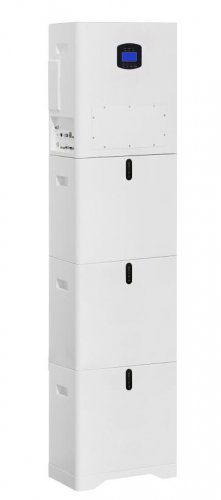
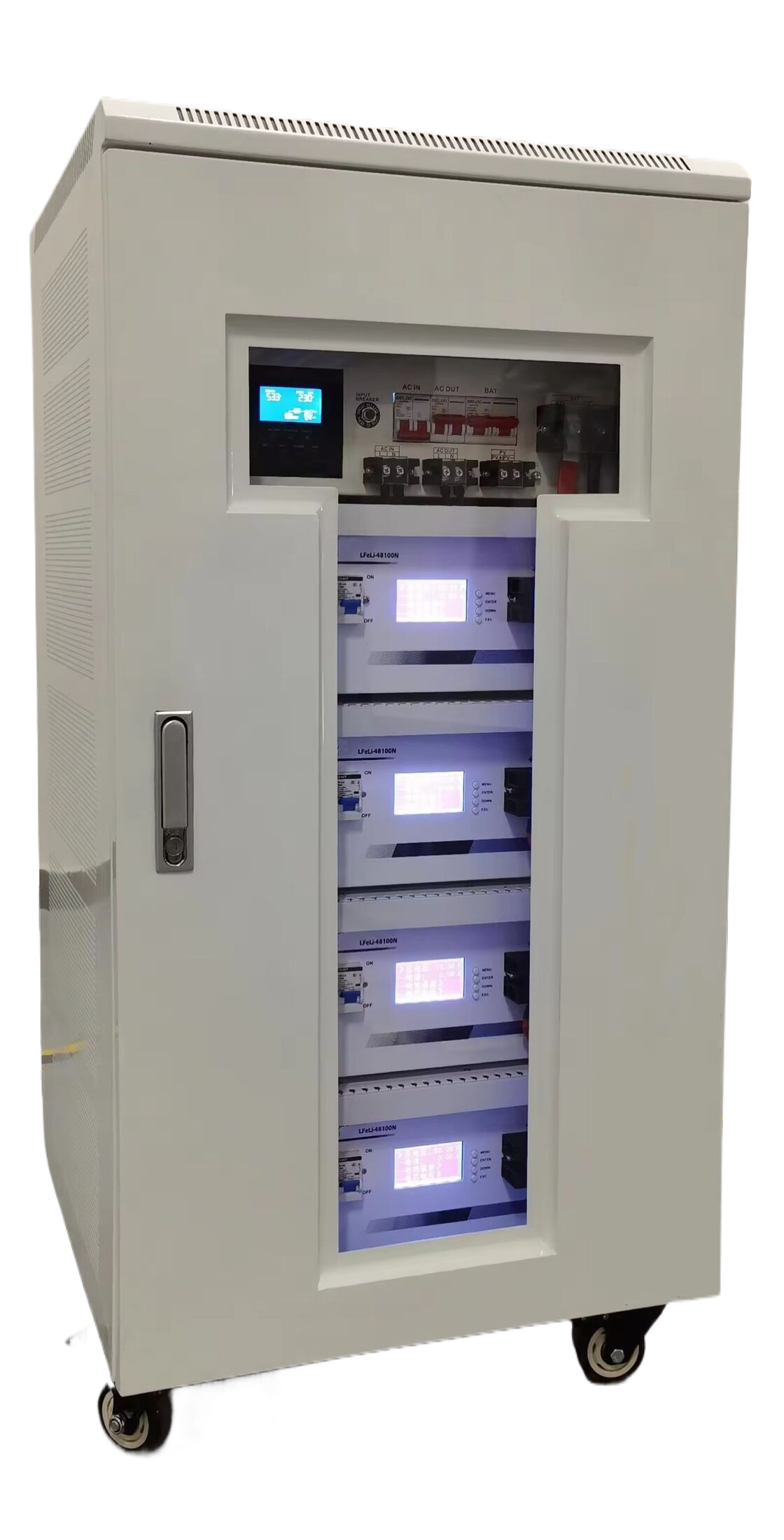
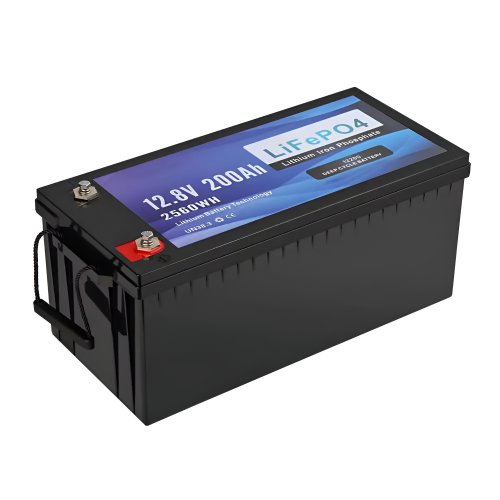
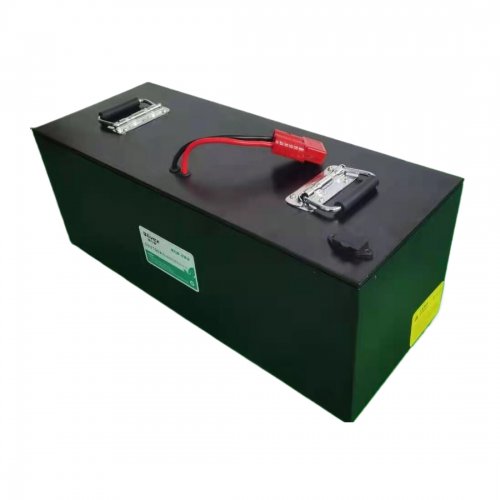
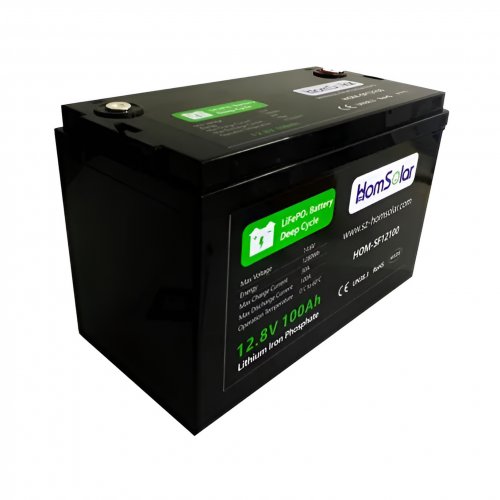
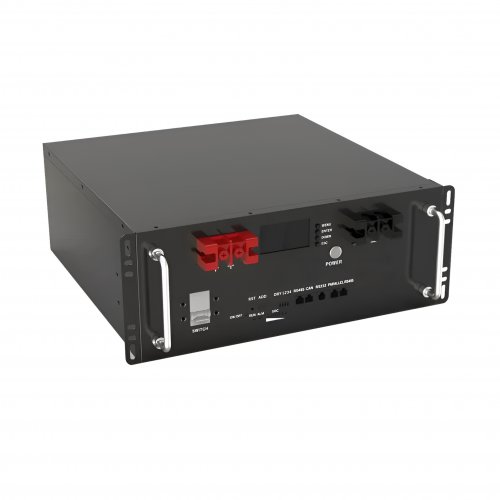
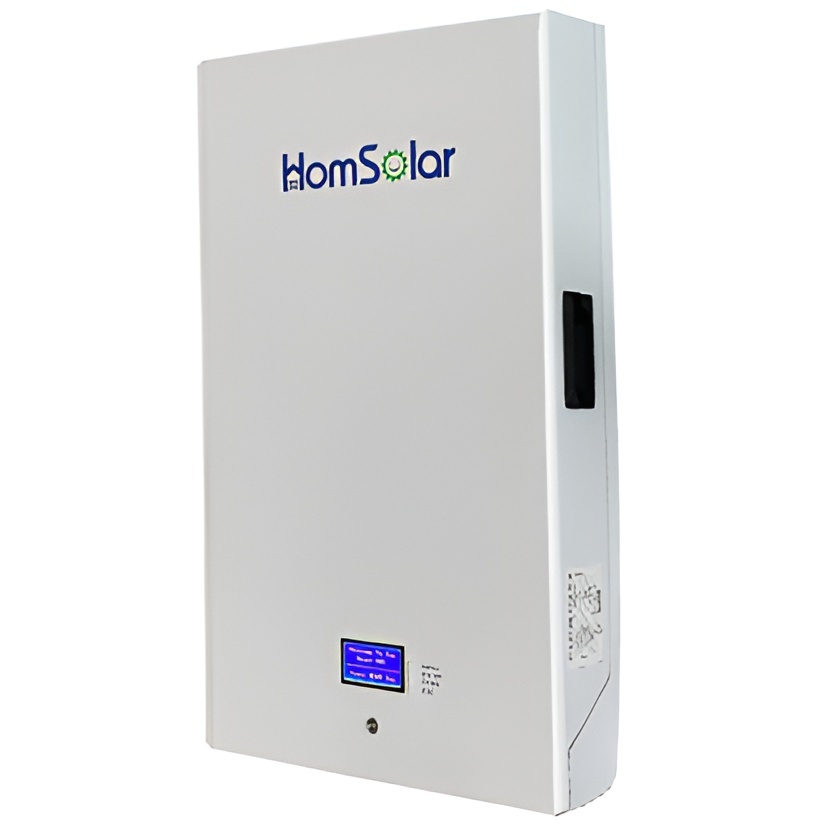
HomSolar Supports Lifepo4 battery pack customization/OEM/ODM service, welcome to contact us and tell us your needs.


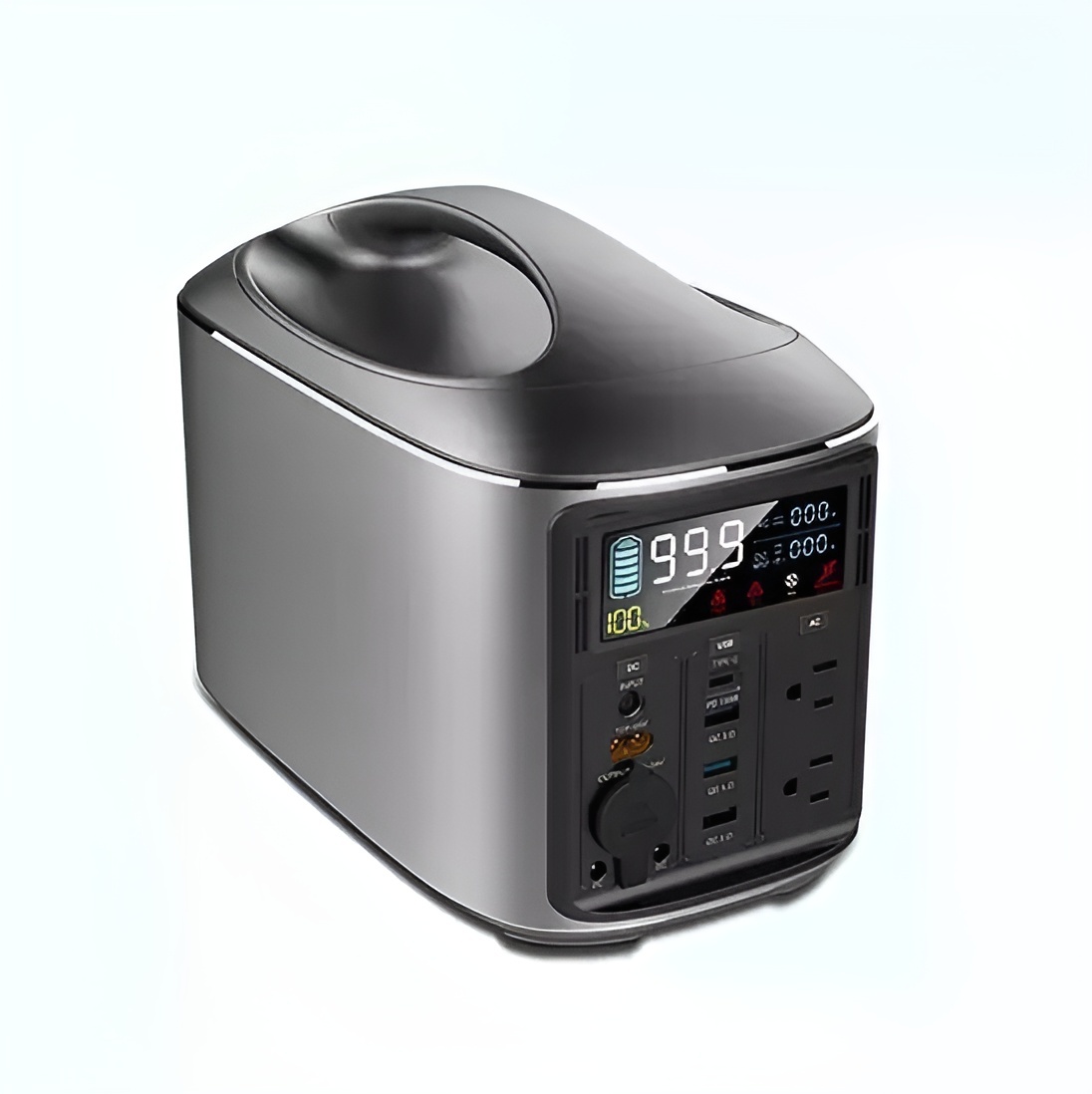
HomSolar: Your One-stop LiFePO4 Battery Pack & ESS Solution Manufacturer
Our line of LiFePO4 (LFP) batteries offer a solution to demanding applications that require a lighter weight, longer life, and higher capacity battery. Features include advanced battery management systems (BMS), Bluetooth® communication and active intelligent monitoring.
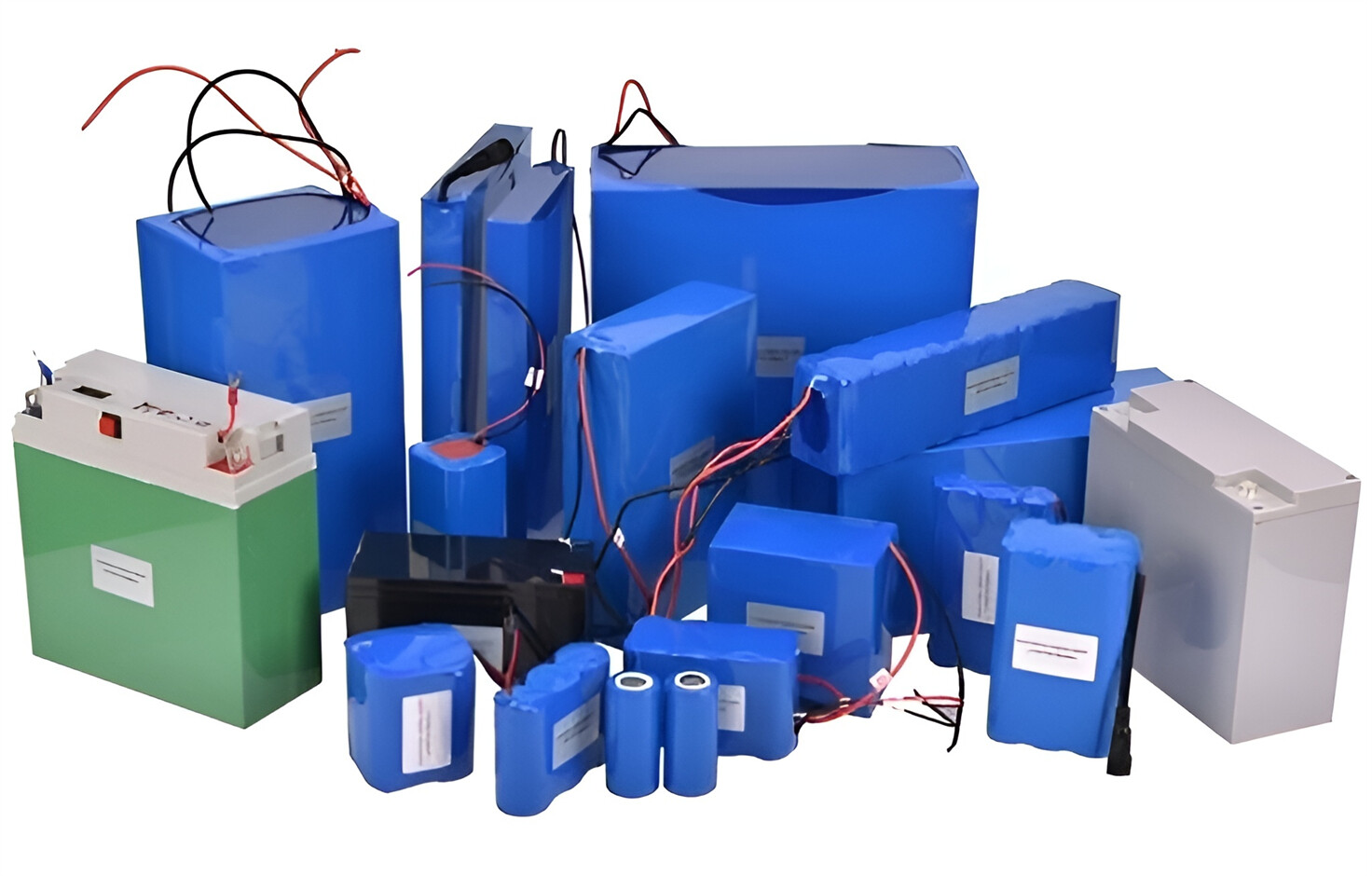
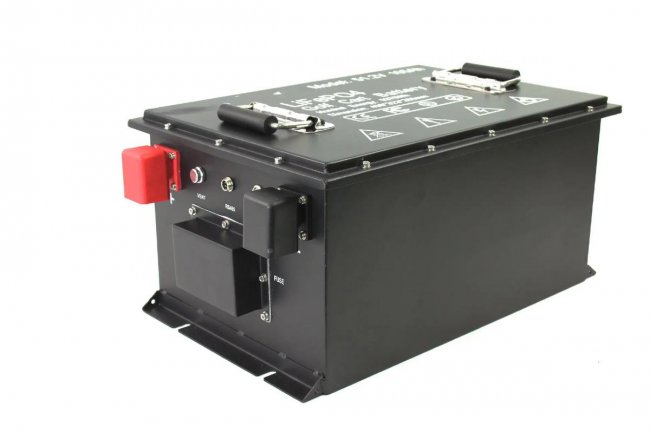
Customised Lithium Iron Phosphate Battery Casing
ABS plastic housing, aluminium housing, stainless steel housing and iron housing are available, and can also be designed and customised according to your needs.
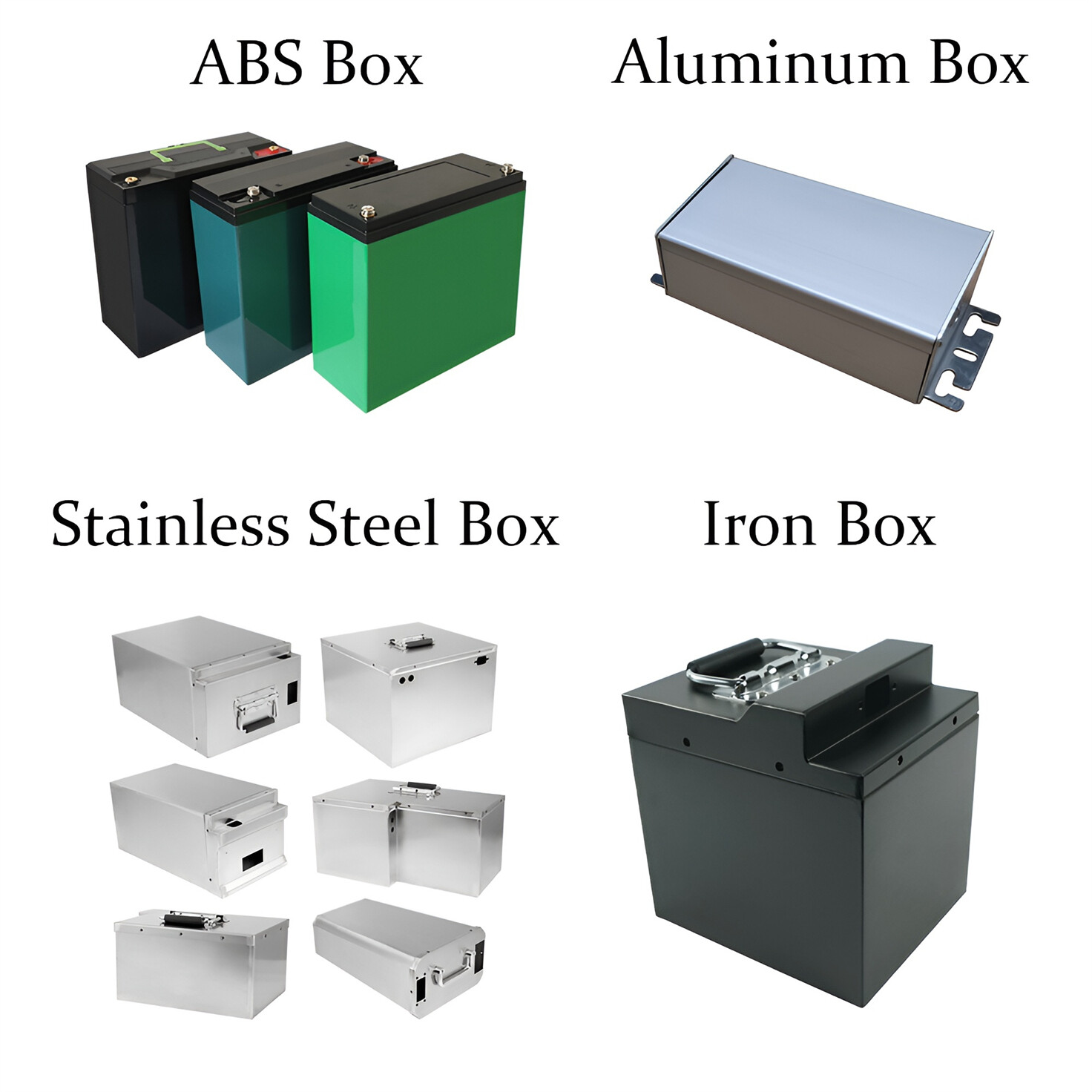
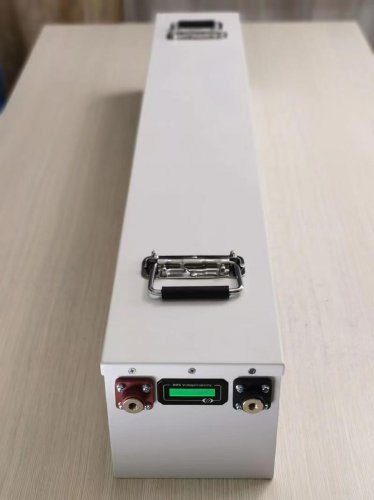
HomSolar Smart BMS
Intelligent Battery Management System for HomSolar Energy Storage System. Bluetooth, temperature sensor, LCD display, CAN interface, UART interface also available.

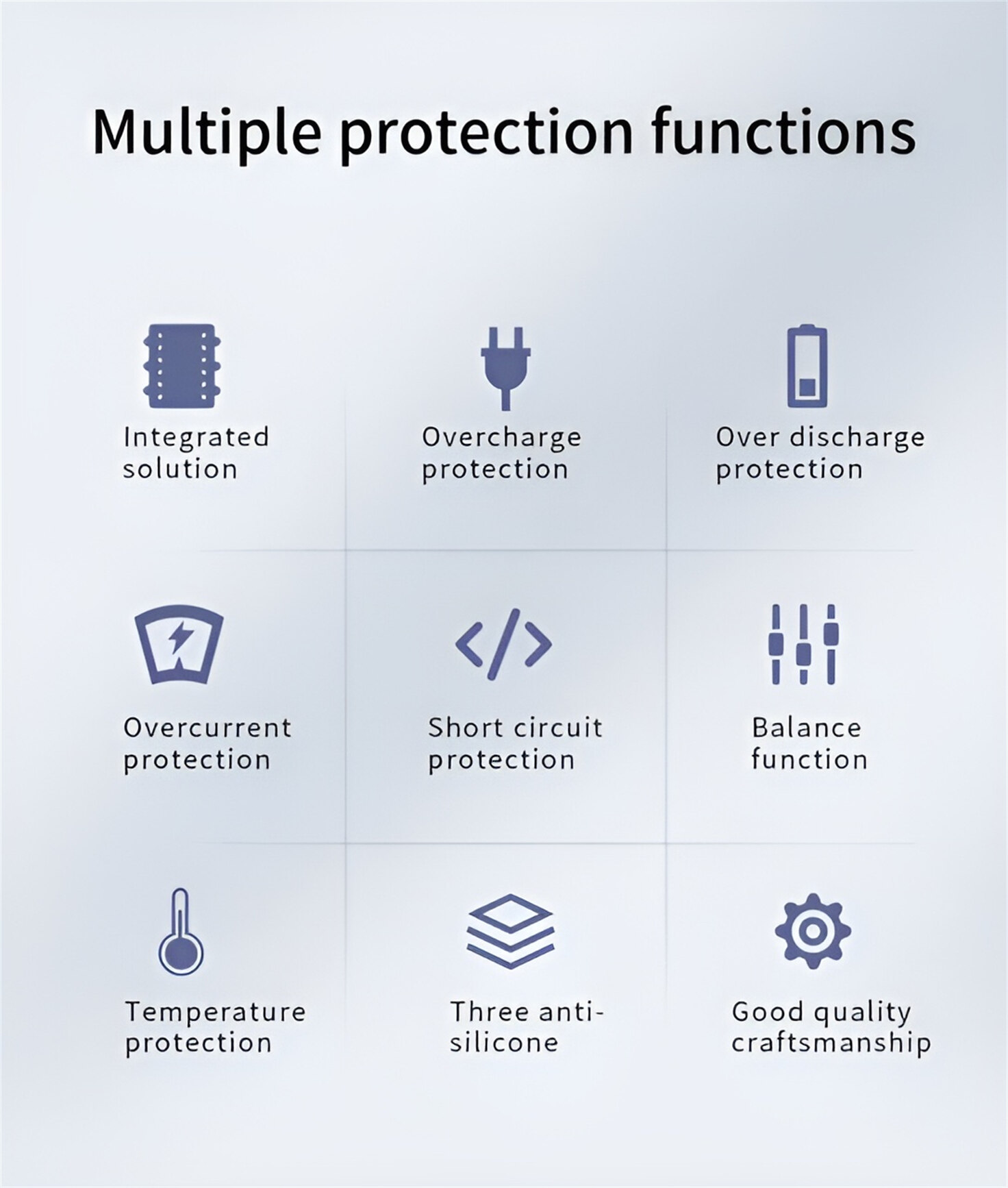
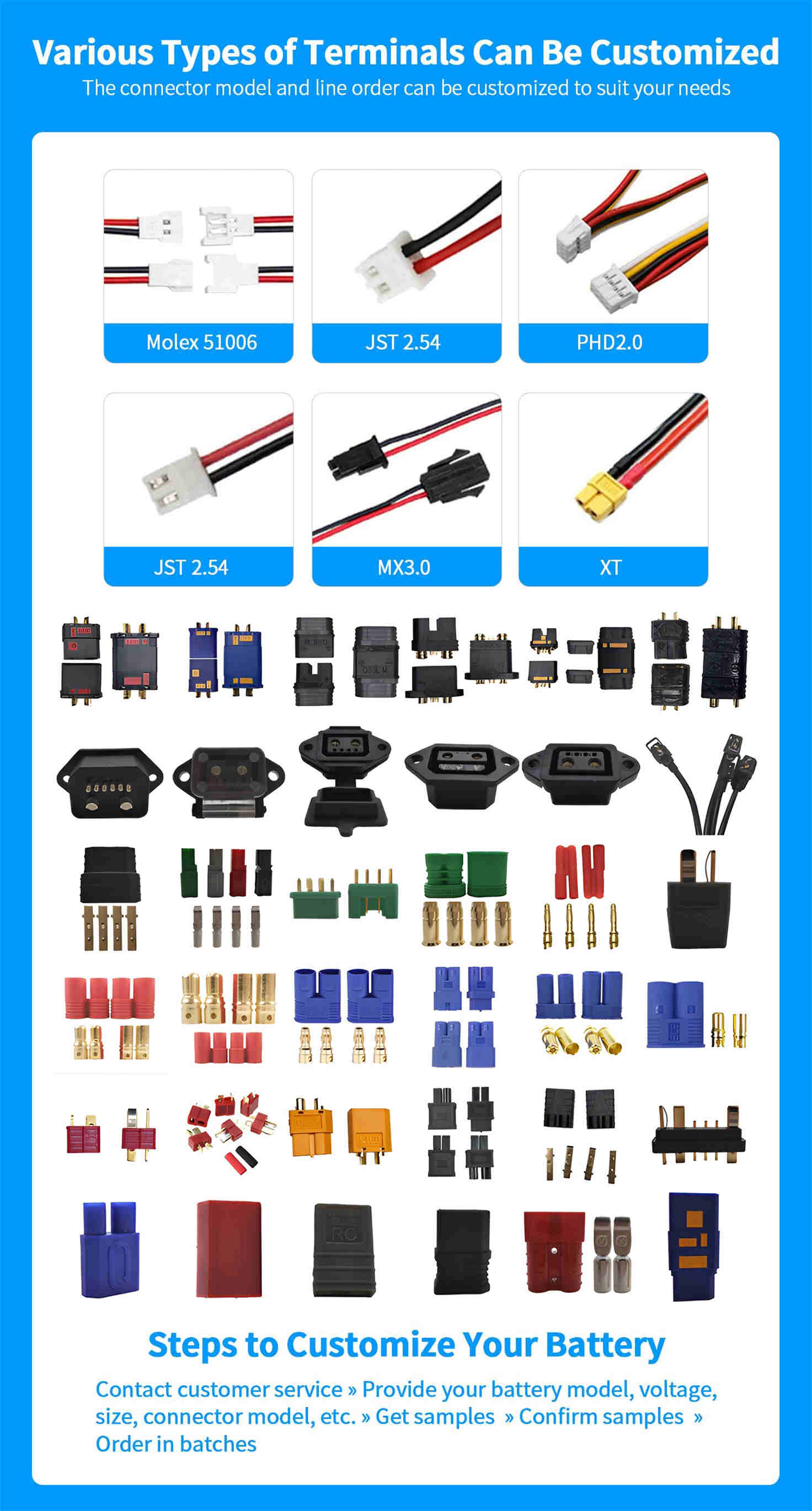
Terminals & Plugs Can Be Customized
A wide range of terminals and plugs can be customised to suit the application needs of your battery products.
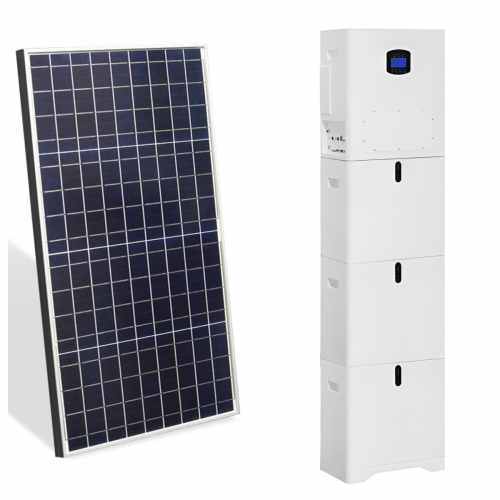
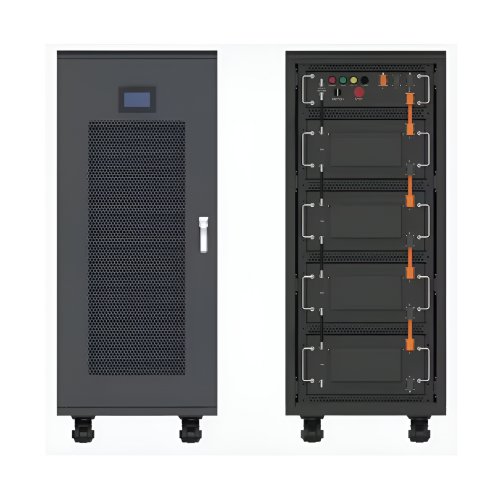
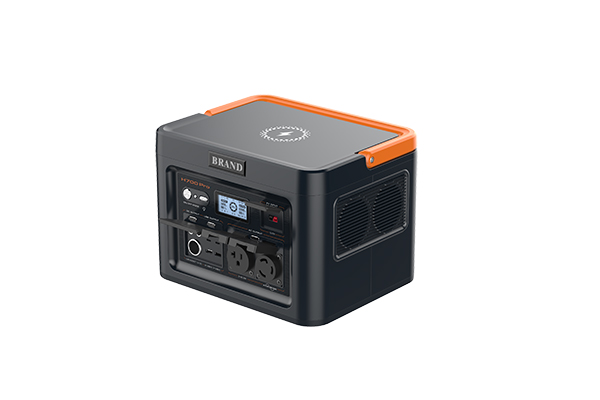
Well-designed Solutions for Energy Storage Systems
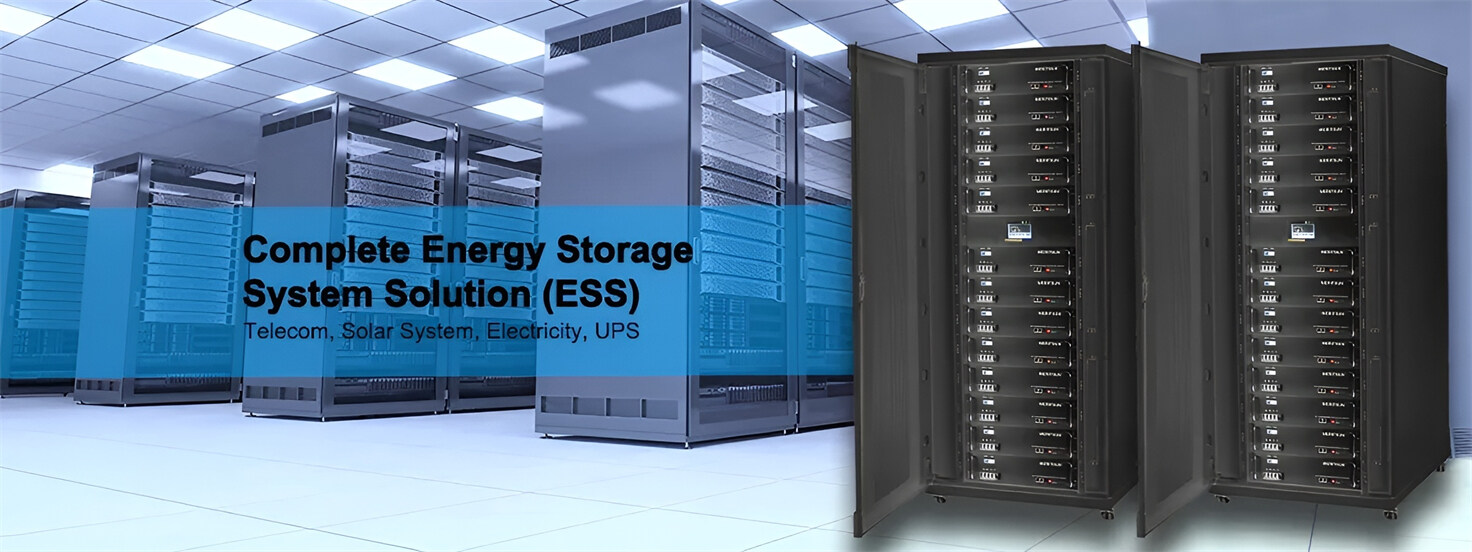
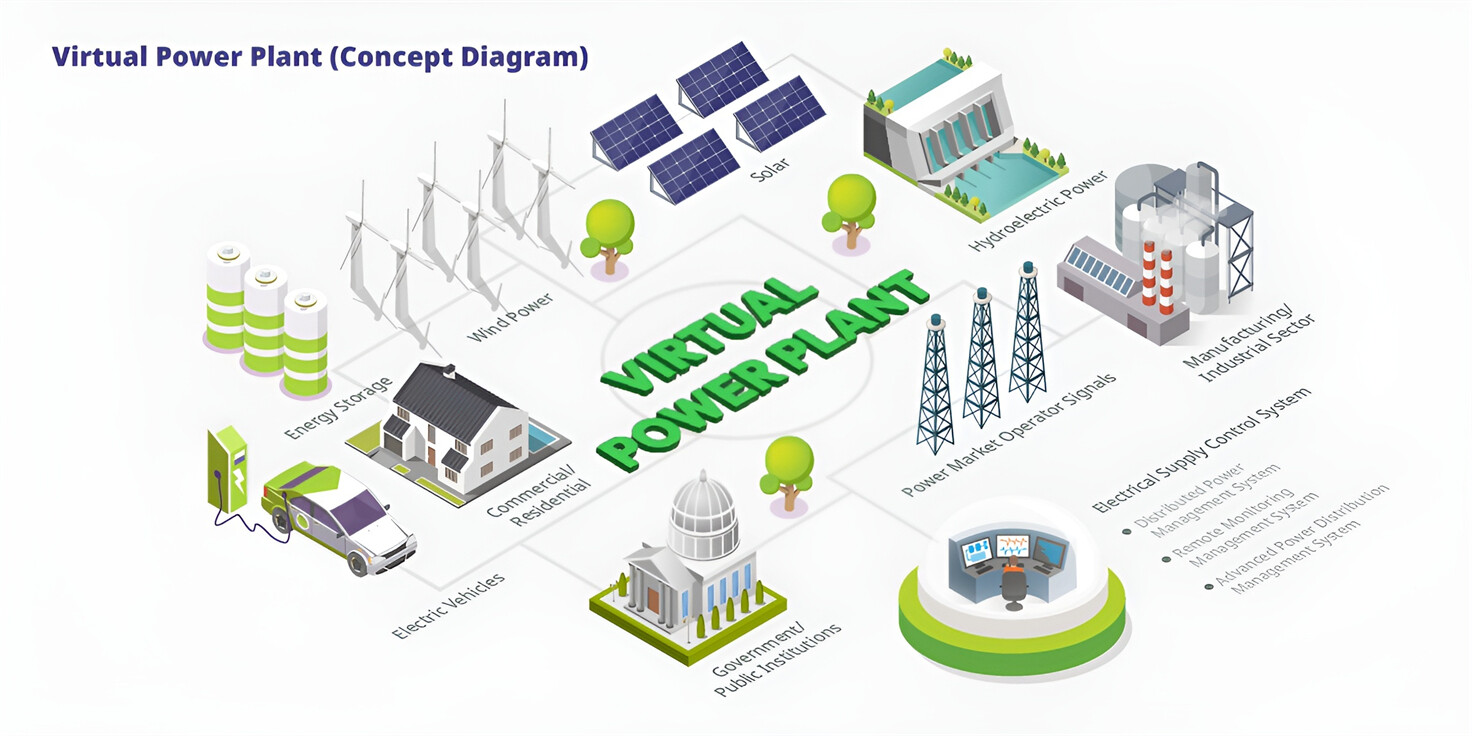
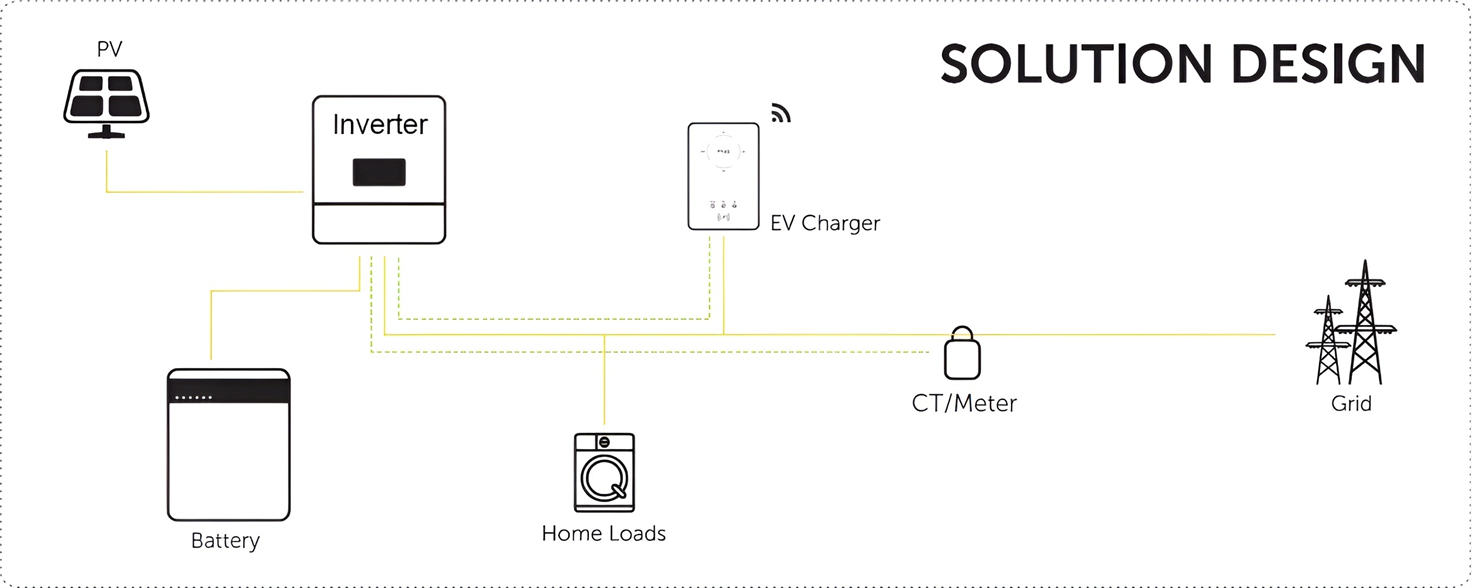
We will design the perfect energy storage system solution according to your needs, so that you can easily solve the specific industry applications of battery products.
About Our Battery Cells
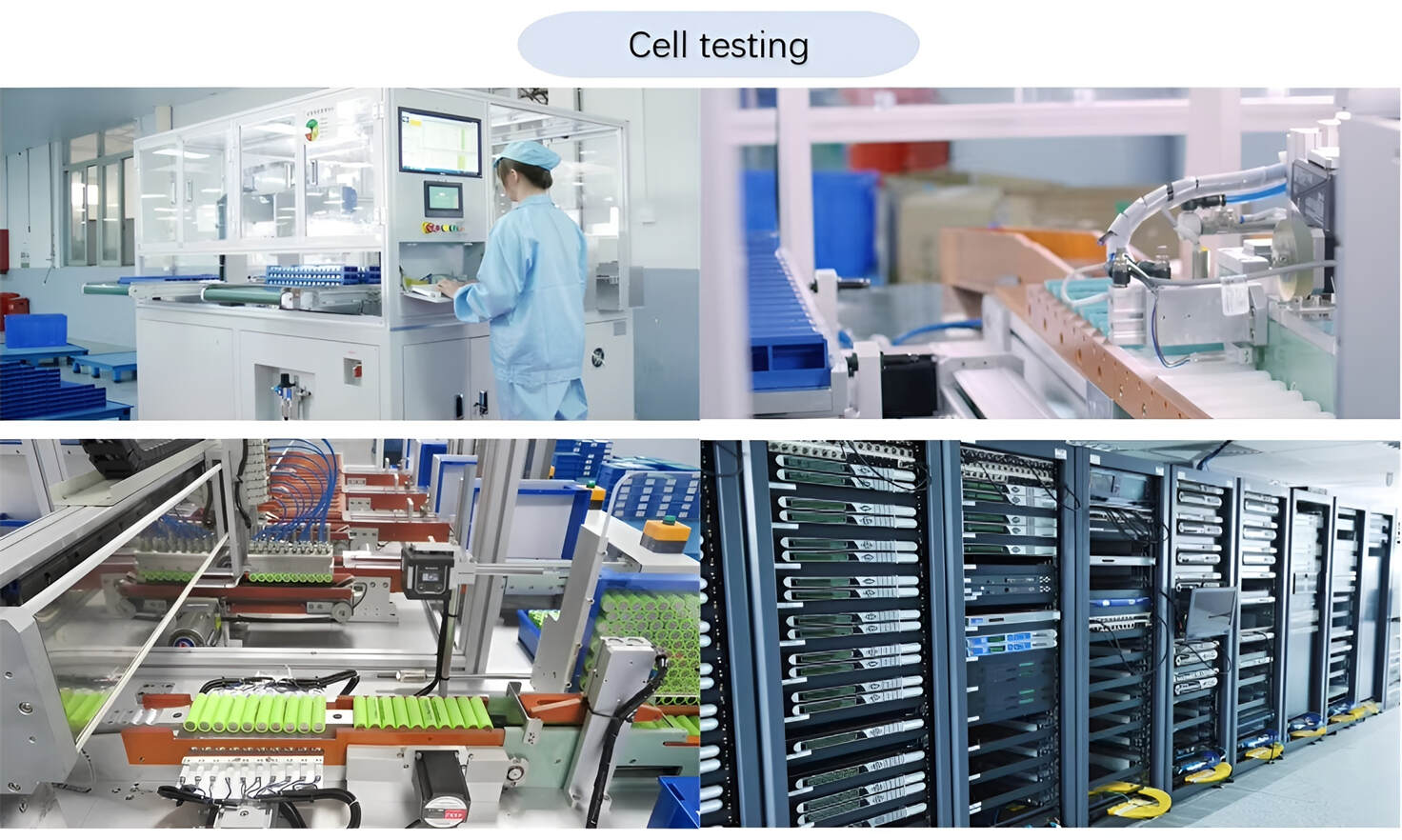
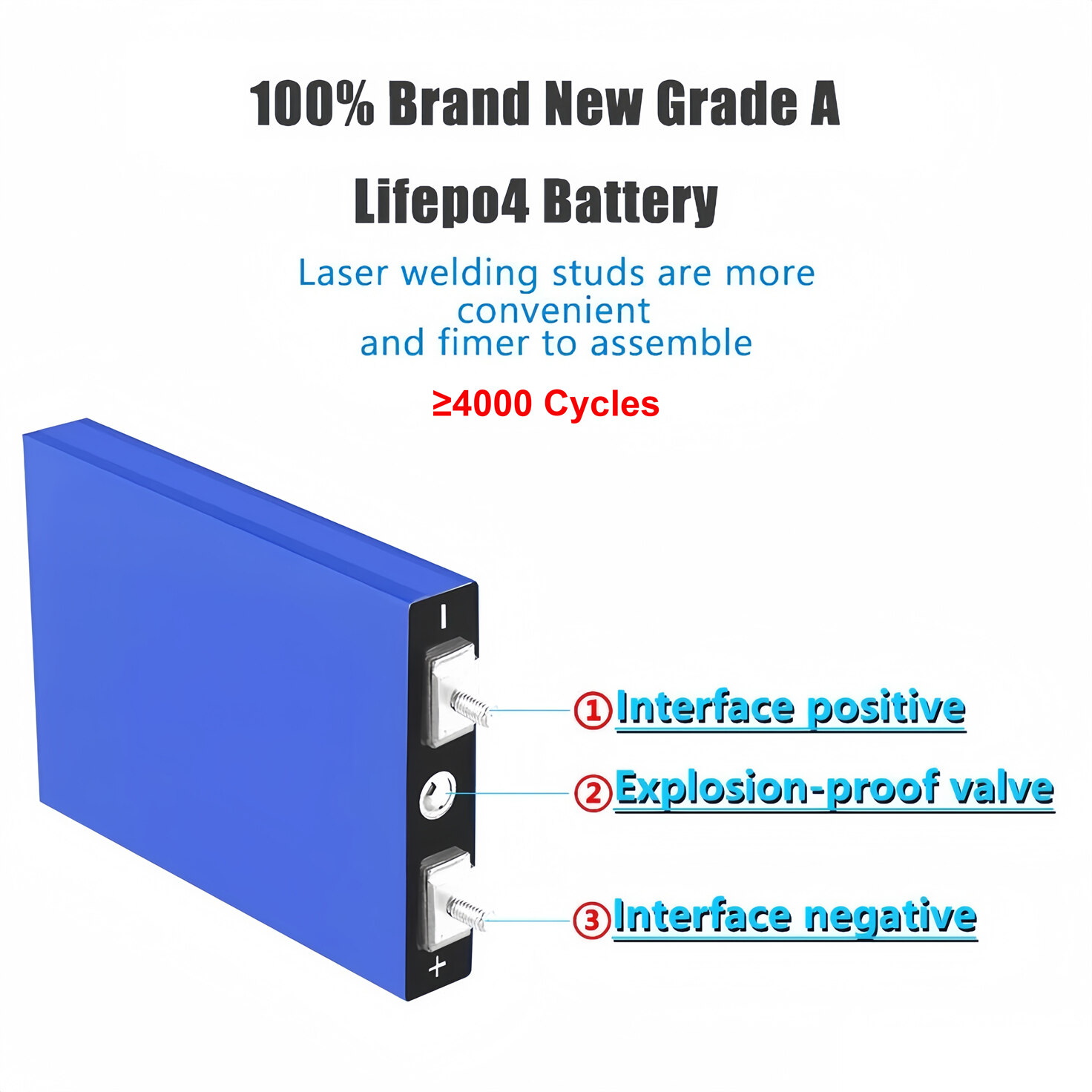
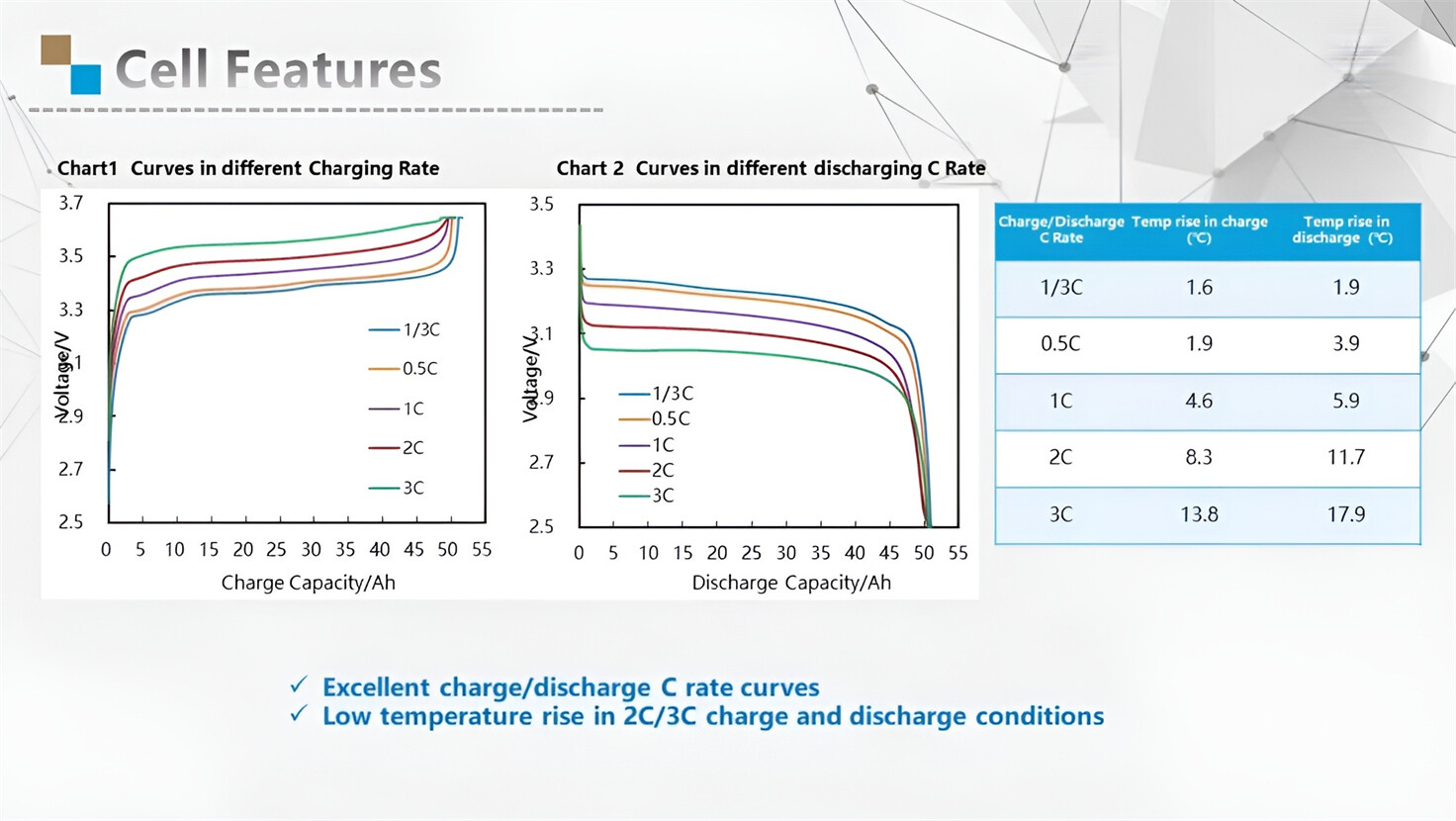
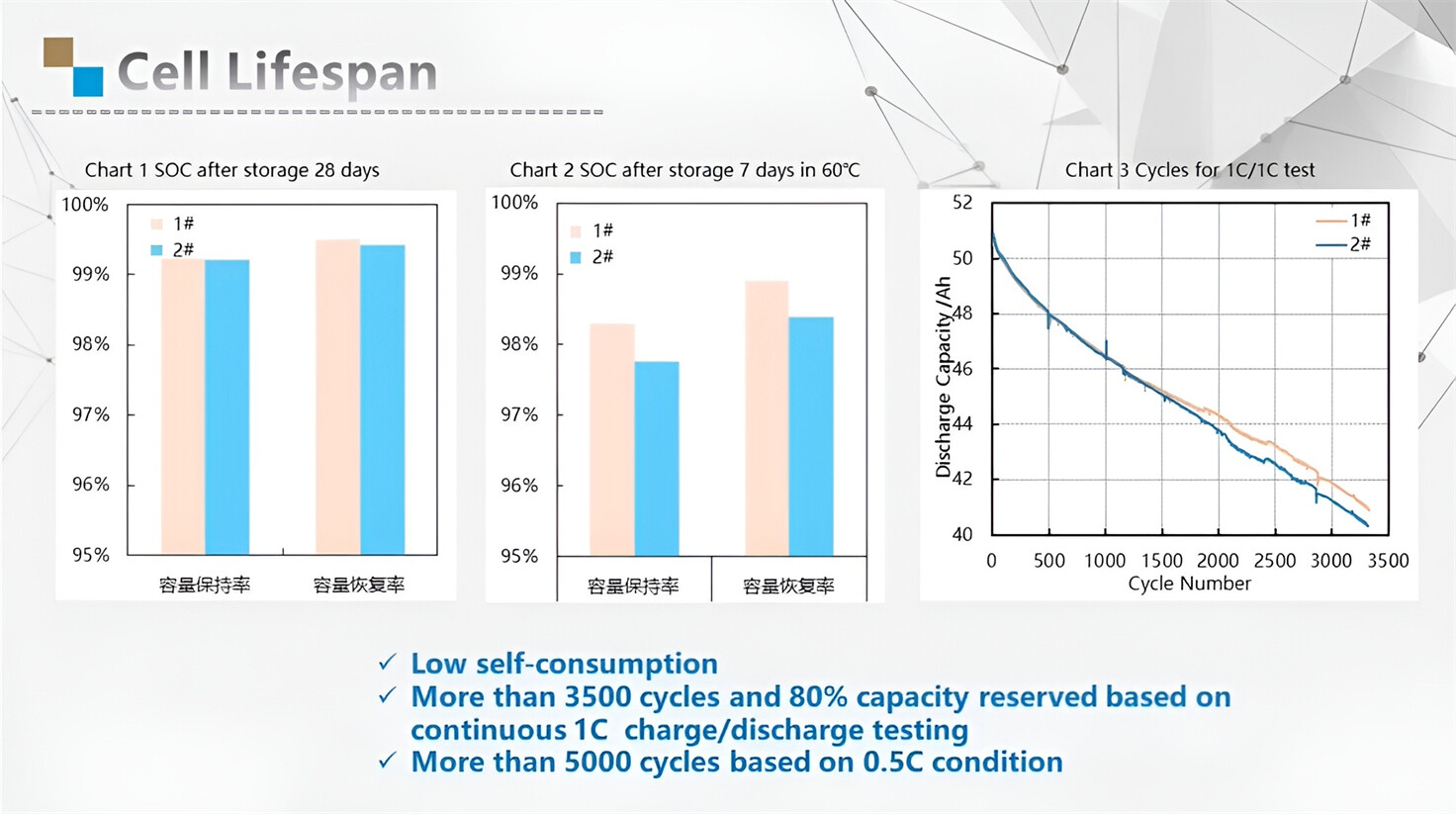
Our energy storage system products use brand new grade A LiFePO4 cells with a battery lifespan of more than 4,000 charge/discharge cycles.
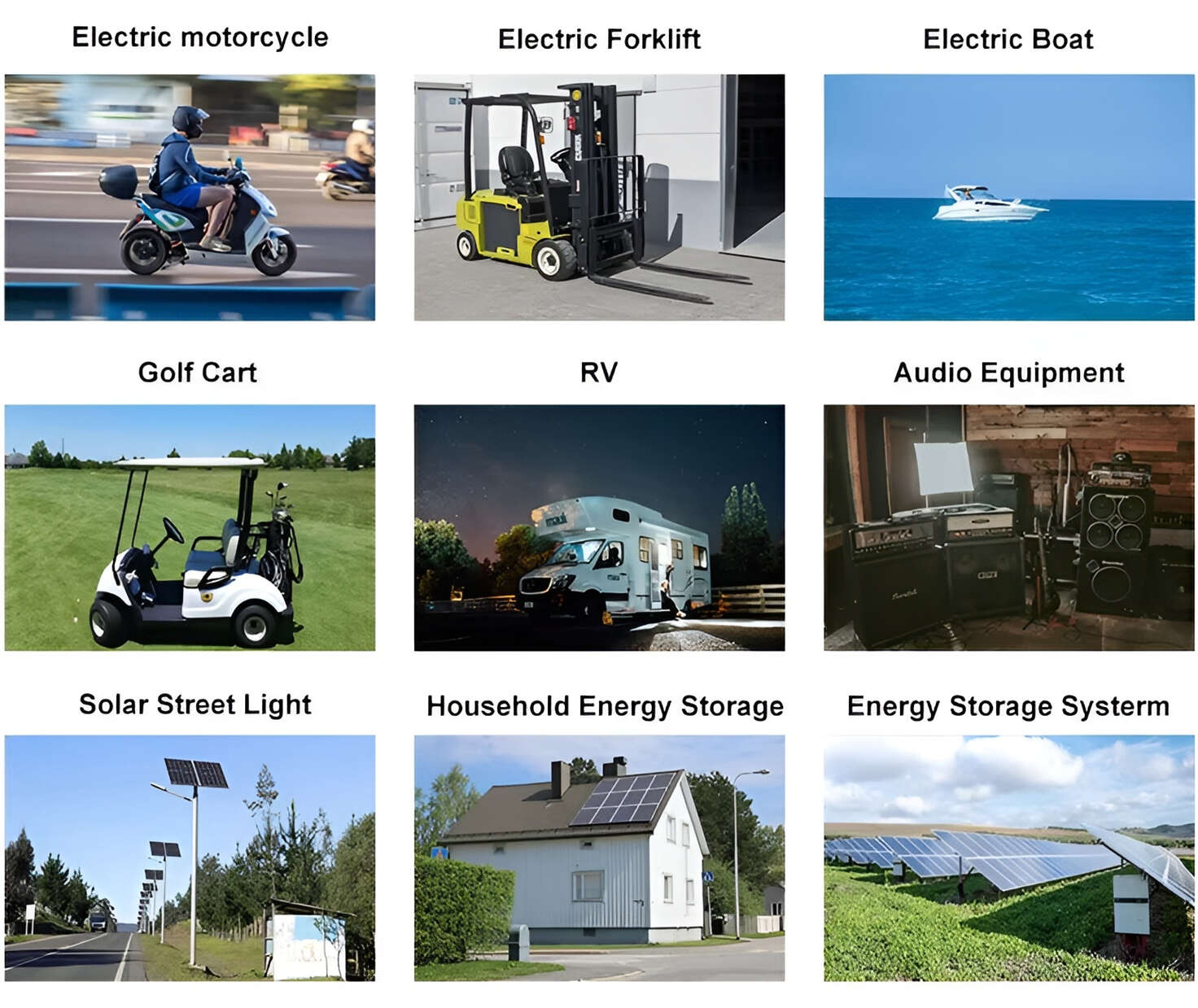
Applications in Different Industries
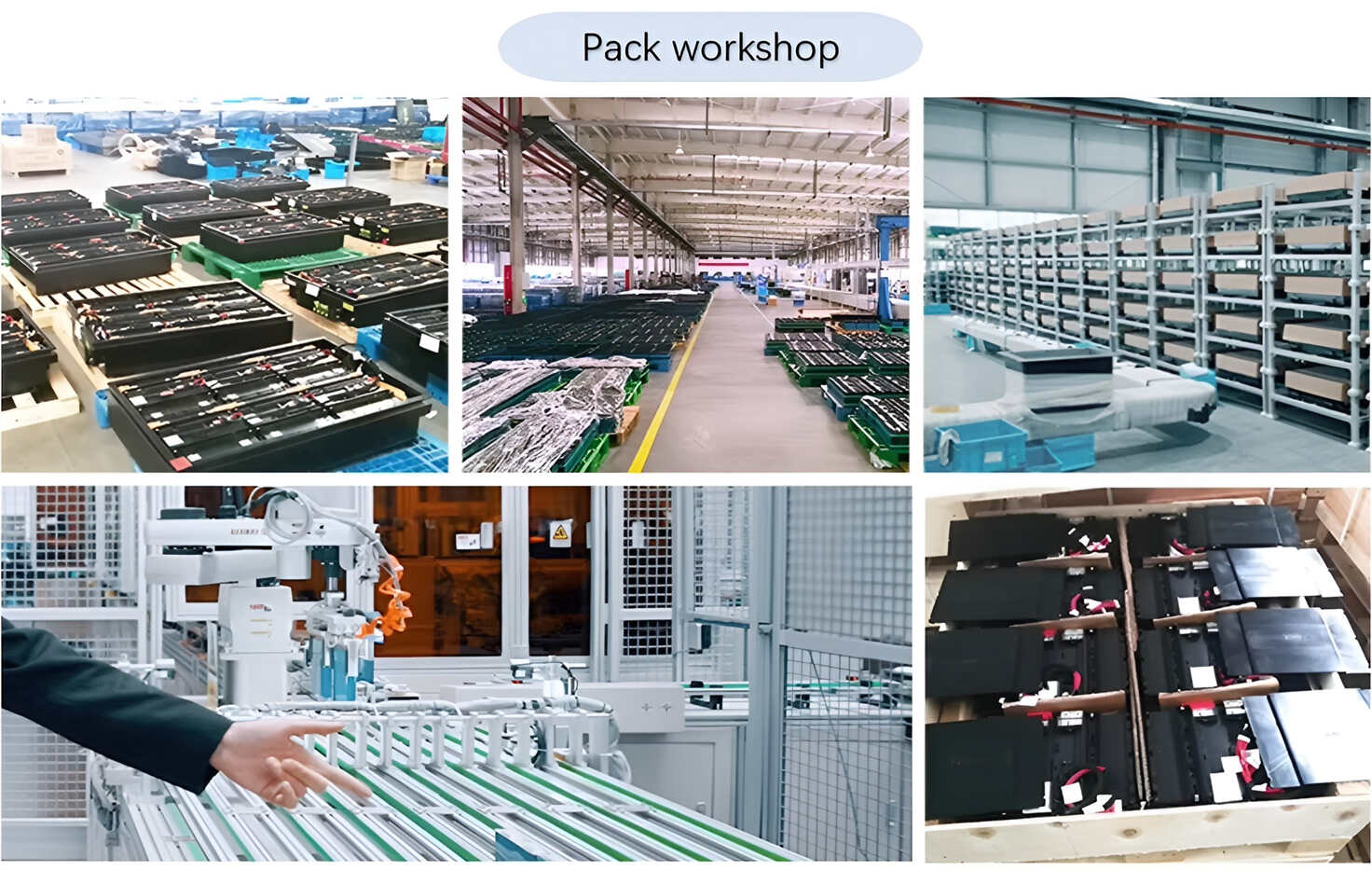
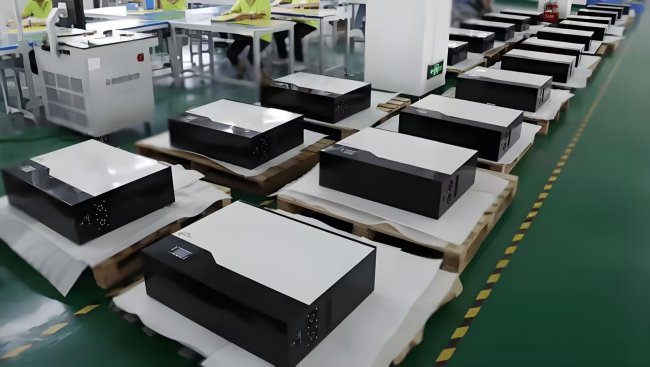
We supply customized & OEM battery pack, assemble cells with wiring, fuse and plastic cover, all the cell wires connected to PCB plug or built BMS.
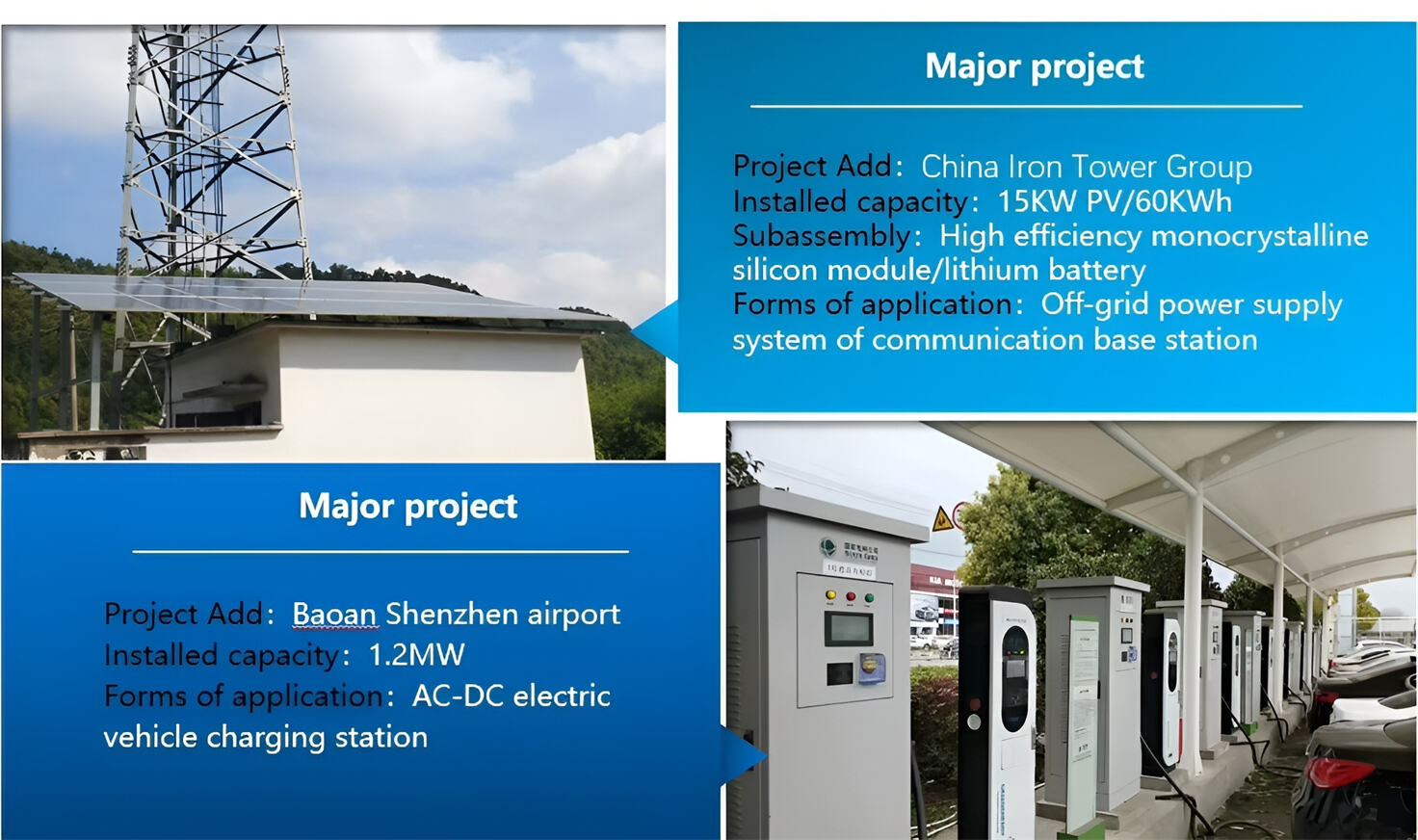
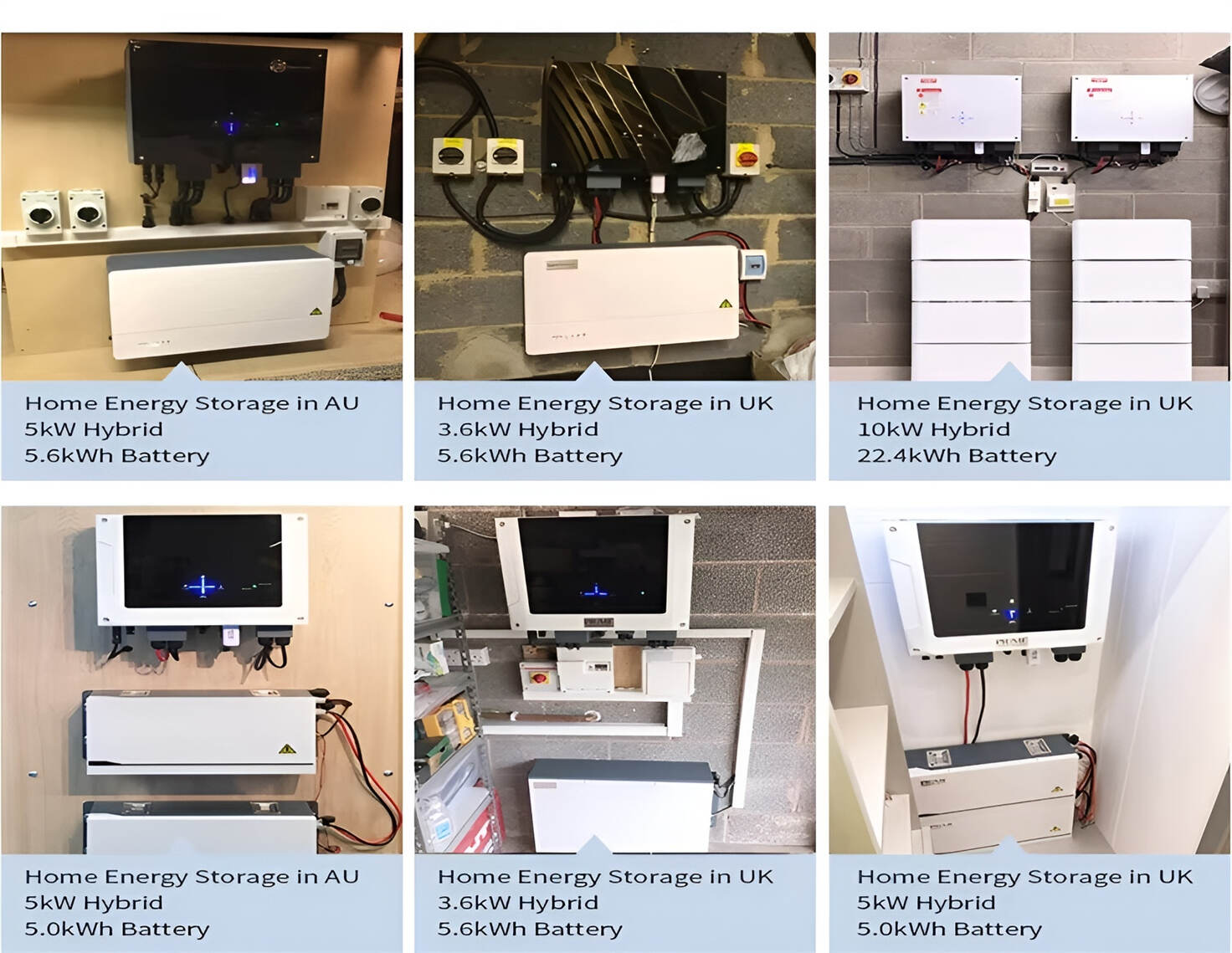
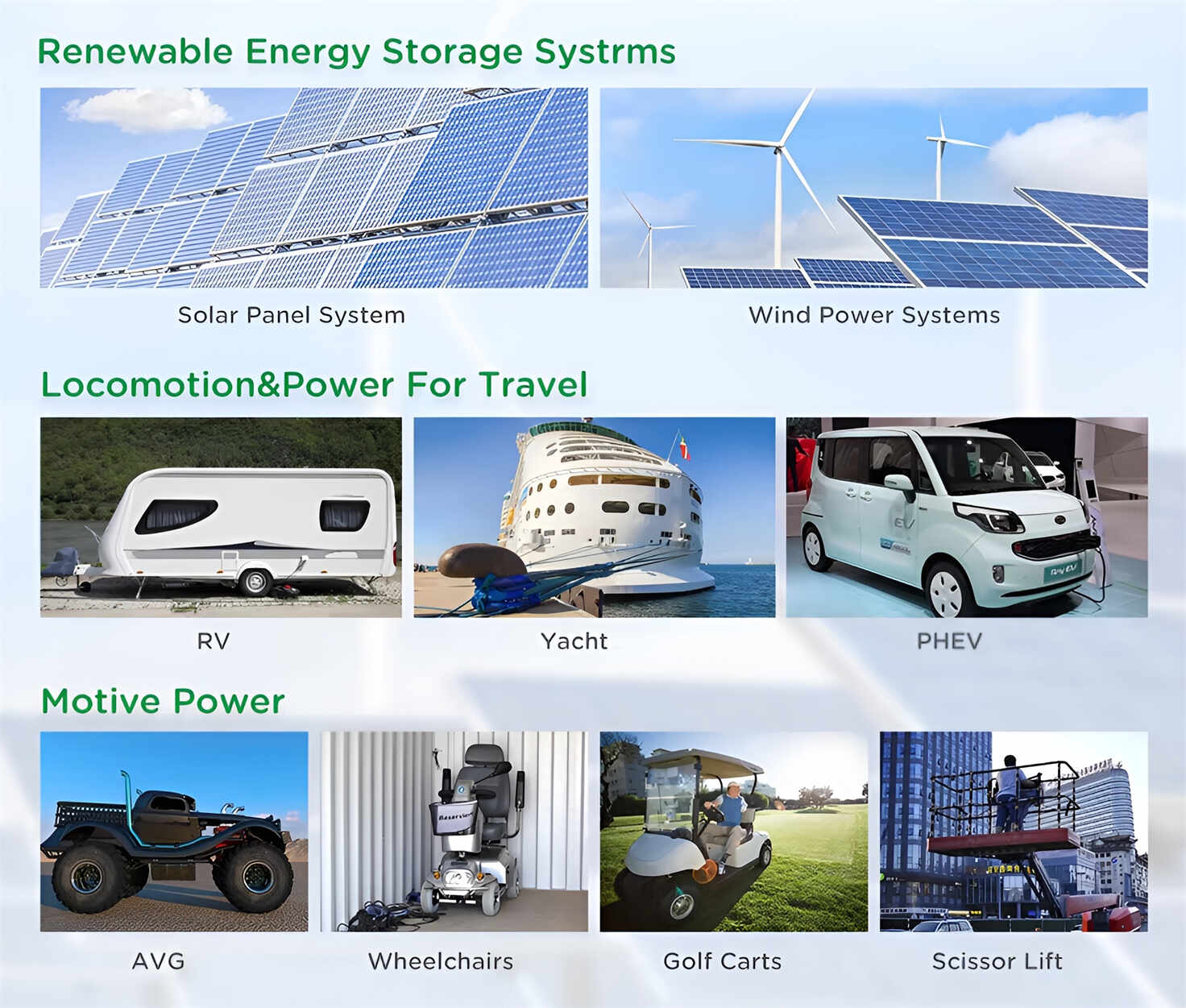
Applications: E-bike, Electric Scooter, Golf Carts, RV, Electric Wheelchair, Electric Tools, Robot Cleaner, Robot Sweeper, Solar Energy Storage System, Emergency Light, Solar Power Light, Medical Equipment, UPS Backup Power Supply.
We can provide you with customized services. We have the ability to provide a vertical supply chain, from single cells to pack/module and to a complete power solution with BMS, etc.
HomSolar (Shenzhen) Technology Co., Ltd