Advances In Electrochemical Performance: Unlocking Next-generation Energy Storage Through Material And Interface Engineering
The relentless pursuit of advanced energy storage solutions has placed electrochemical performance at the forefront of materials science and engineering. The key metrics—energy density, power density, cycle life, Coulombic efficiency, and rate capability—collectively define the viability of technologies ranging from portable electronics to grid-scale storage and electric vehicles. Recent years have witnessed remarkable progress, not through serendipitous discovery, but through a deliberate and sophisticated focus on engineering materials at the atomic and molecular scale and mastering the complex electrochemistry occurring at interfaces.
Novel Electrode Architectures: Beyond Conventional Materials
The limitations of traditional intercalation-based electrodes, such as graphite anodes and lithium cobalt oxide cathodes, in meeting the growing demand for higher energy density are well-documented. This has spurred intensive research into alternative materials with fundamentally different reaction mechanisms.
For anodes, silicon has long been recognized as a promising candidate due to its theoretical capacity of approximately 4200 mAh g⁻¹, an order of magnitude greater than graphite. However, its practical application has been hampered by a massive volume expansion (>300%) during lithiation, leading to mechanical fracture and rapid capacity fade. Recent breakthroughs have moved beyond simple nanostructuring. The development of hierarchically porous silicon-carbon composites, where silicon nanoparticles are confined within a conductive, mechanically resilient carbon matrix with engineered void space, has shown exceptional results. For instance, a yolk-shell structure, where a silicon nanoparticle is encapsulated by a carbon shell with sufficient internal void space to accommodate expansion, has demonstrated stable cycling over hundreds of cycles with high capacity retention. Furthermore, the integration of self-healing polymers as binders has provided a dynamic solution to accommodate volume changes, effectively maintaining electrode integrity.
On the cathode side, the transition to high-capacity, cobalt-free materials is a major trend. Lithium-rich manganese-based layered oxides (LRMOs) and nickel-rich NMC (e.g., NMC90, LiNi₀.₉Mn₀.₀₅Co₀.₀₅O₂) are at the center of this shift. While nickel-rich cathodes offer high capacity and energy density, they suffer from interfacial instability and structural degradation. Recent work has focused on sophisticated surface coating and bulk doping strategies. A multi-element doping approach, incorporating elements like Al, Ti, and Mg, has been shown to synergistically stabilize the crystal structure and suppress detrimental phase transitions. Concurrently, the application of ultra-thin, conformal coatings such as lithium phosphate (Li₃PO₄) or amorphous alumina via atomic layer deposition (ALD) effectively shields the cathode particles from electrolyte decomposition, mitigating gas evolution and transition metal dissolution.
Electrolyte and Interphase Engineering: The Key to Stability and Safety
The electrolyte and the resulting electrode-electrolyte interphases—the Solid Electrolyte Interphase (SEI) on the anode and the Cathode Electrolyte Interphase (CEI) on the cathode—are arguably the most critical determinants of cycle life and safety. The conventional liquid carbonate-based electrolytes are inherently flammable and exhibit limited electrochemical stability windows.
Significant advancements have been made in the realm of non-flammable electrolytes. Localized high-concentration electrolytes (LHCEs) represent a paradigm shift. By mixing a high concentration of lithium salt with a solvating solvent and a non-solvating diluent, LHCEs combine the benefits of a high-concentration electrolyte (formation of a robust, inorganic-rich SEI) with acceptable viscosity and cost. This formulation has been proven to enable highly reversible cycling of both lithium metal anodes and high-voltage cathodes, pushing the cell-level energy density beyond 350 Wh kg⁻¹.
For ultimate safety, the development of solid-state batteries (SSBs) continues to accelerate. The primary challenge has been the high interfacial resistance between solid electrodes and the solid electrolyte. Recent breakthroughs involve interface engineering at multiple levels. For sulfide-based solid electrolytes, a thin layer of an interlayer material like Li₃SbS₄ or a controlled buffer layer has been shown to effectively suppress the growth of lithium dendrites and prevent detrimental interfacial reactions. Furthermore, the concept of "sintering aids" for oxide-based solid electrolytes, such as Li₃BO₃, allows for low-temperature processing that creates intimate, low-resistance contact between ceramic particles without degrading the cathode material.
The ultimate expression of this trend is the all-solid-state battery with a lithium metal anode. While challenges remain, recent demonstrations of lab-scale cells achieving over 1000 cycles with minimal degradation underscore the rapid progress. The in-situ formation of a stable SEI on lithium metal using halide-based solid electrolytes (e.g., Li₃YCl₆, Li₃YBr₆) has shown particular promise due to their high oxidative stability and good compatibility with high-voltage cathodes.
Characterization and AI-Driven Discovery
Underpinning these material advances is a new era of diagnostic capability. The application of in-situ and operando characterization techniques, such as synchrotron-based X-ray diffraction (XRD) and transmission X-ray microscopy (TXM), allows researchers to observe structural and morphological evolution of electrodes in real-time during cycling. This has been instrumental in understanding failure mechanisms, such as crack propagation in silicon anodes or the formation of inactive phases in LRMO cathodes.
Moreover, the field is increasingly leveraging artificial intelligence (AI) and machine learning (ML) to accelerate the discovery and optimization process. ML models are being trained on vast materials databases to predict novel solid electrolyte compositions with high ionic conductivity or to identify optimal doping elements for cathode stabilization. AI-driven analysis of electrochemical data can also diagnose cell state-of-health and predict cycle life from early-cycle data, a powerful tool for quality control and battery management systems.
Future Outlook
The trajectory of electrochemical performance enhancement points towards several key future directions. First, the integration of multi-functional materials will become standard, where a single particle is designed with a gradient composition, a protective shell, and integrated conductive pathways. Second, the move towards "anode-free" configurations, where lithium is plated directly onto a bare current collector from a lithium-rich cathode, represents a path to maximize energy density, contingent on achieving near-perfect Coulombic efficiency through flawless interphase engineering.
For electrolytes, the rational design of new solvent and salt molecules tailored for specific interphase chemistry will continue. The development of solid-state systems will likely see a convergence of polymer-ceramic composite electrolytes, aiming to balance processability, mechanical strength, and ionic conductivity. Finally, sustainability will become a non-negotiable design criterion, driving research into aqueous electrolytes, organic electrode materials, and efficient recycling processes for the next generation of batteries.
In conclusion, the advances in electrochemical performance are a testament to a more holistic and fundamental understanding of electrochemical systems. By moving from macro-scale engineering to nano-scale interface control and atomic-scale material design, the scientific community is steadily overcoming the historical trade-offs between energy, power, lifetime, and safety, paving the way for a future powered by more capable and reliable electrochemical energy storage.
References:
1. Li, Y., et al. (2023).Engineering Hierarchical Buffering Interfaces for High-Performance Silicon Anodes.Advanced Materials, 35(12), 2207890. 2. Liu, T., et al. (2022).Stable cycling of high-voltage lithium metal batteries enabled by localized high-concentration electrolytes.Nature Energy, 7(5), 456-465. 3. Lee, Y. G., et al. (2021).Conformal Li₃PO₄ Interphase for High-Voltage Ni-Rich NMC Cathodes Enabled by Atomic Layer Deposition.ACS Energy Letters, 6(10), 3643-3652. 4. Janek, J., & Zeier, W. G. (2023).Challenges in speeding up solid-state battery development.Nature Energy, 8(3), 230-240. 5. Sendek, A. D., et al. (2019).Machine learning-assisted discovery of solid lithium-ion conducting materials.Chemistry of Materials, 31(2), 342-352.
Customized/OEM/ODM Service
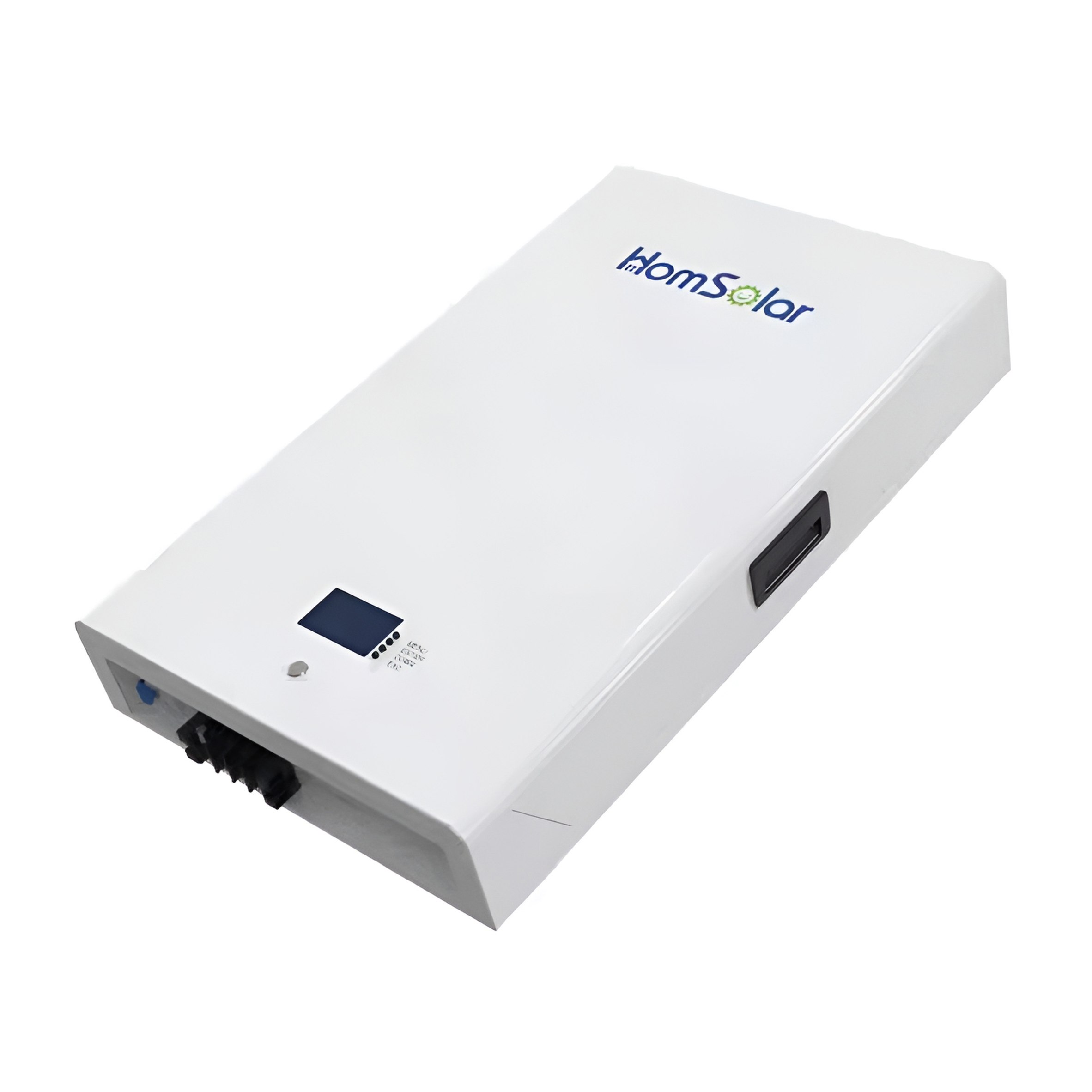
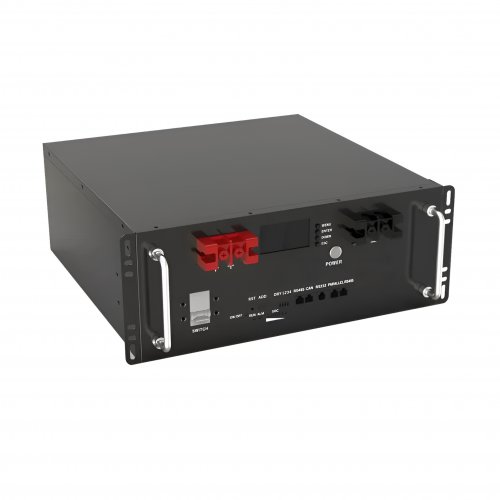
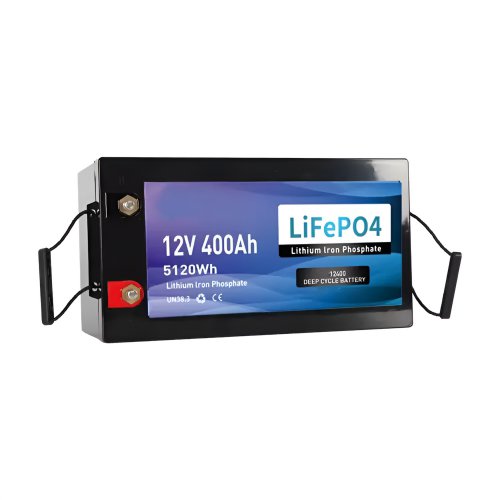
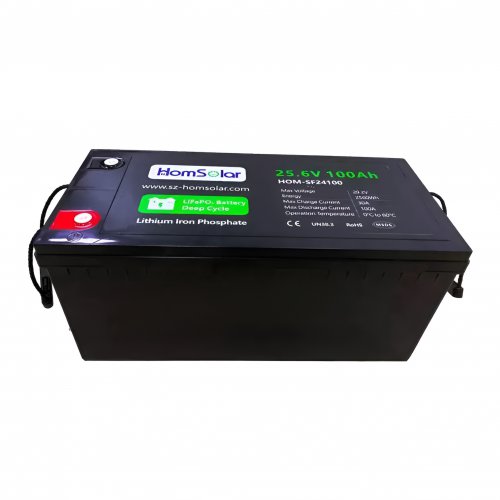
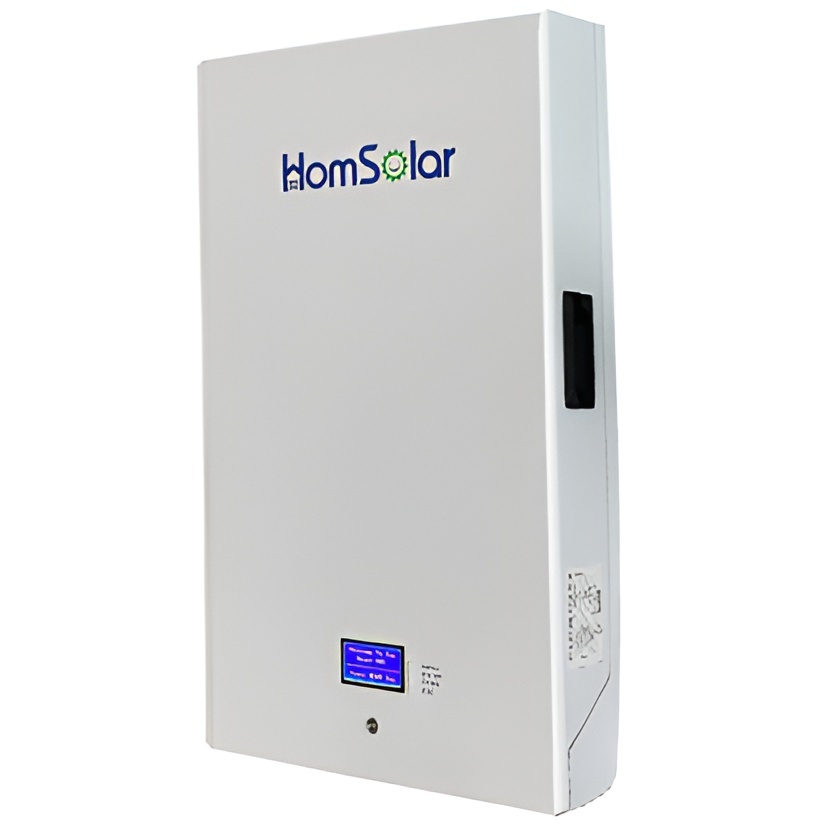
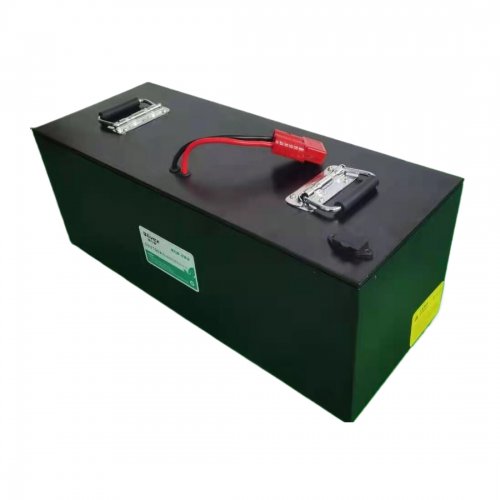
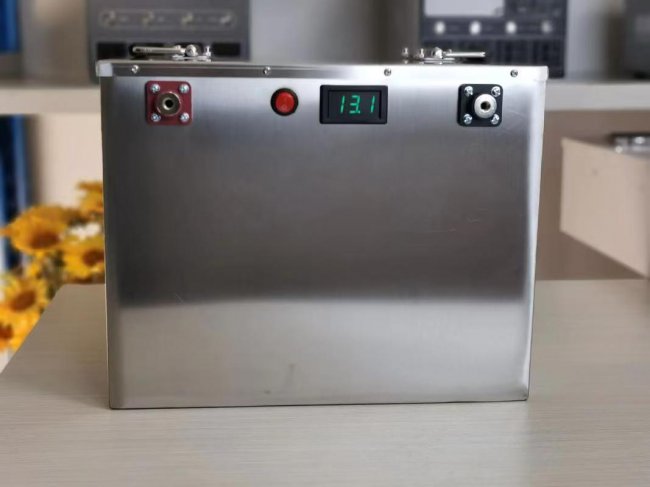
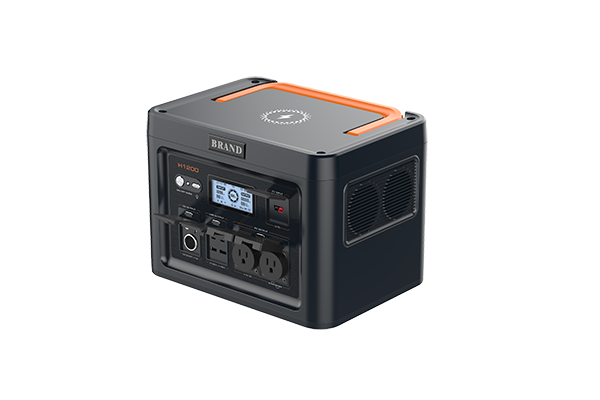
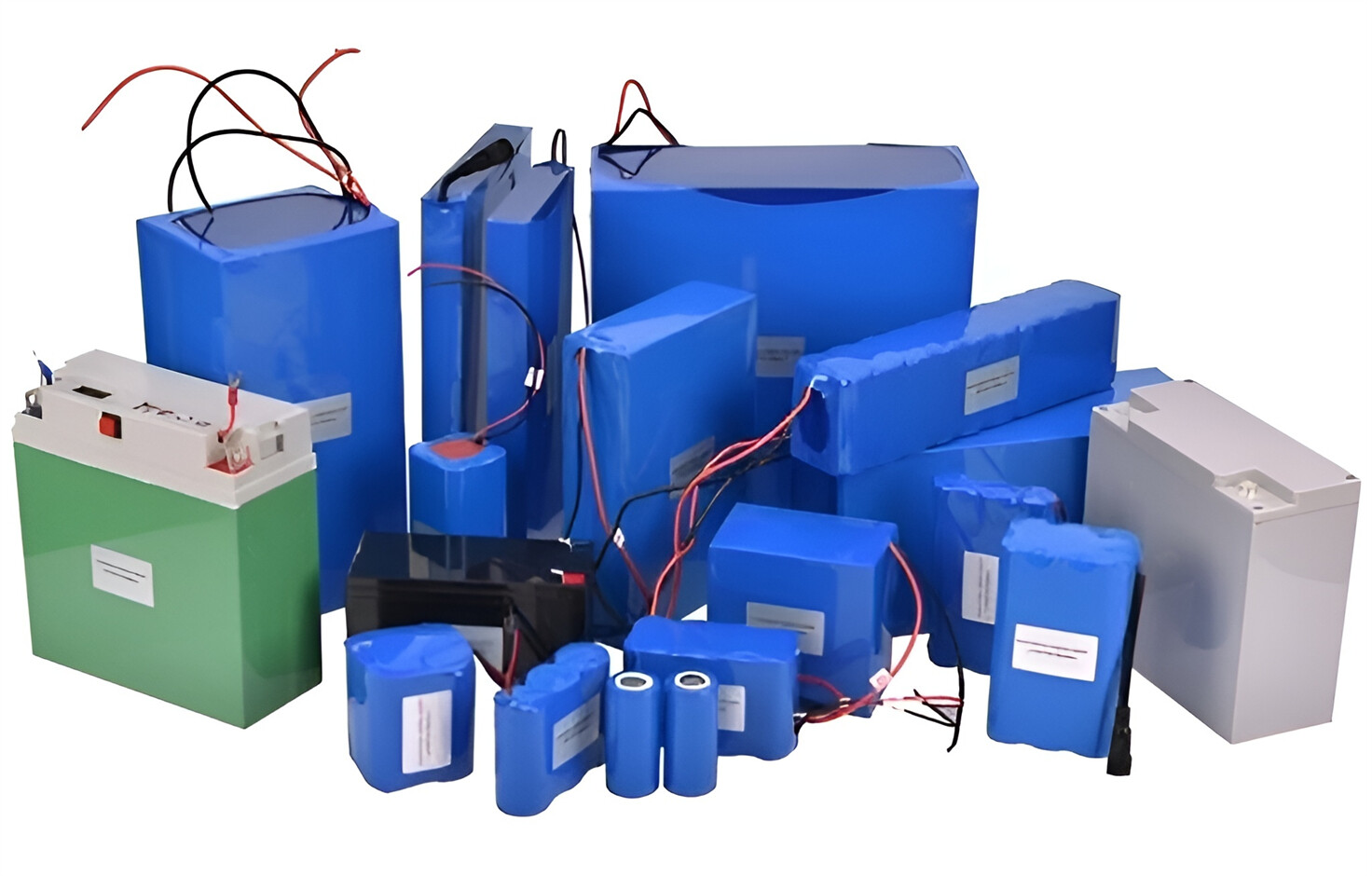
HomSolar Supports Lifepo4 battery pack customization/OEM/ODM service, welcome to contact us and tell us your needs.


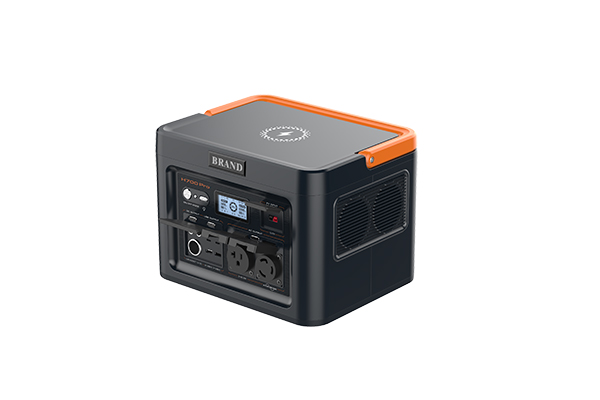
HomSolar: Your One-stop LiFePO4 Battery Pack & ESS Solution Manufacturer
Our line of LiFePO4 (LFP) batteries offer a solution to demanding applications that require a lighter weight, longer life, and higher capacity battery. Features include advanced battery management systems (BMS), Bluetooth® communication and active intelligent monitoring.
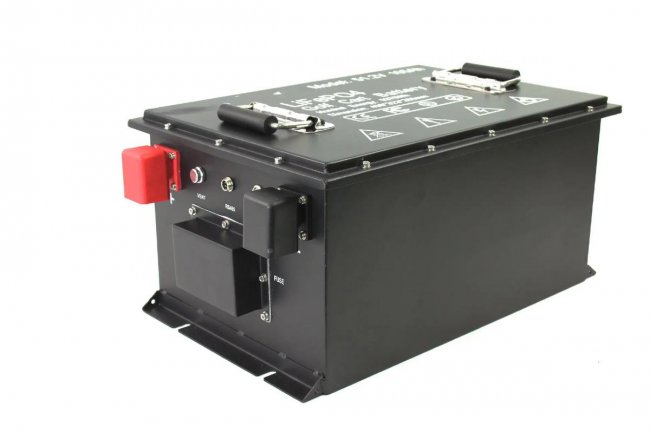
Customised Lithium Iron Phosphate Battery Casing
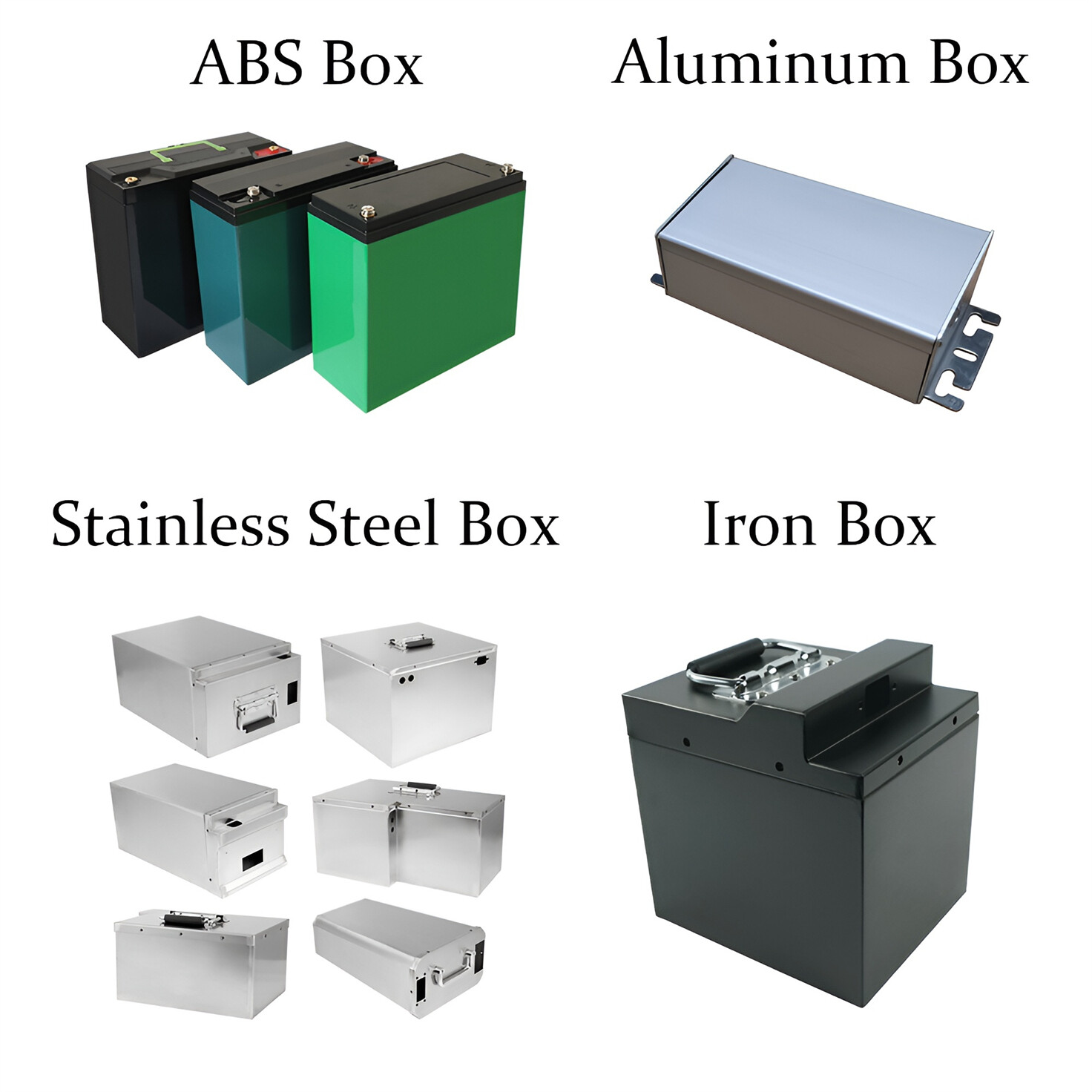
ABS plastic housing, aluminium housing, stainless steel housing and iron housing are available, and can also be designed and customised according to your needs.
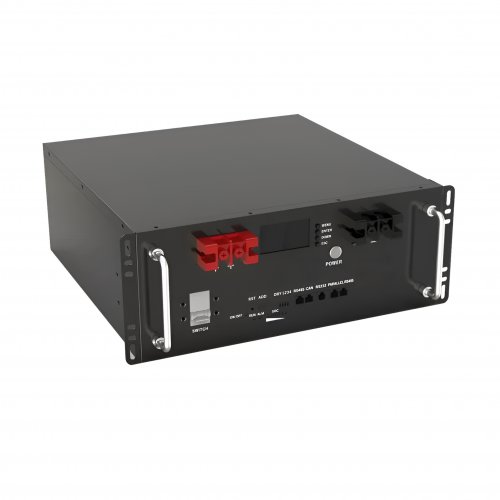
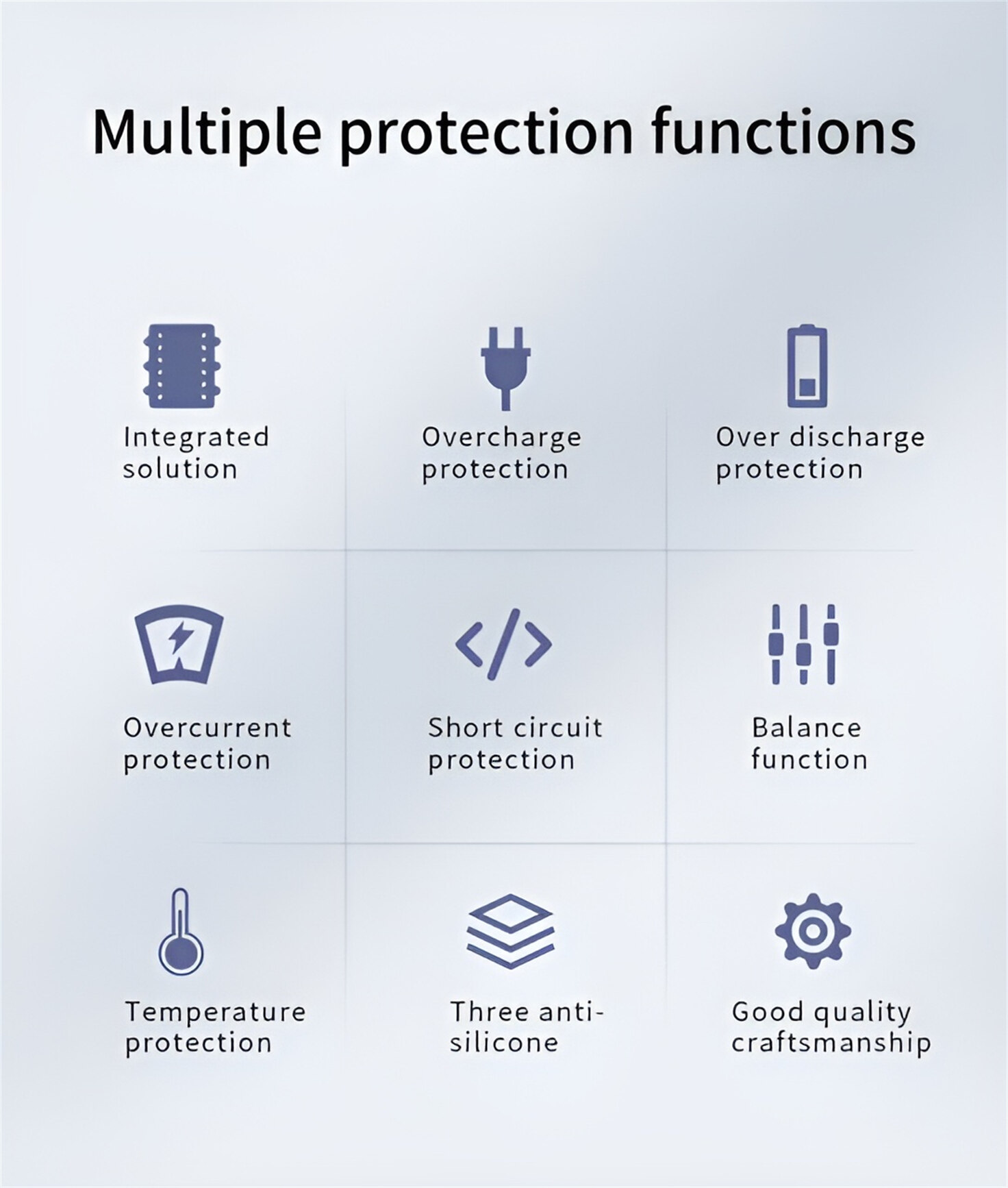
HomSolar Smart BMS
Intelligent Battery Management System for HomSolar Energy Storage System. Bluetooth, temperature sensor, LCD display, CAN interface, UART interface also available.

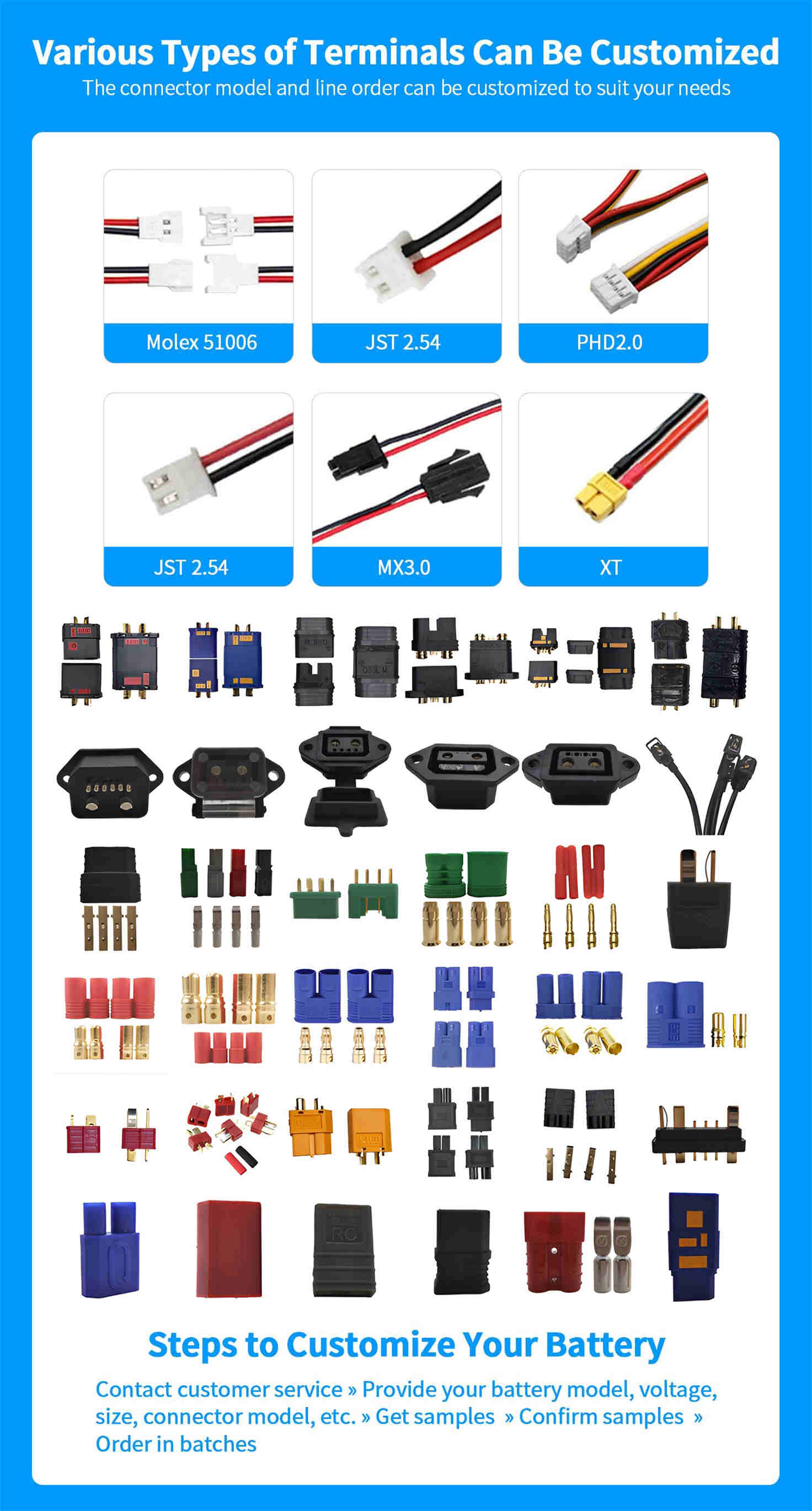
Terminals & Plugs Can Be Customized
A wide range of terminals and plugs can be customised to suit the application needs of your battery products.
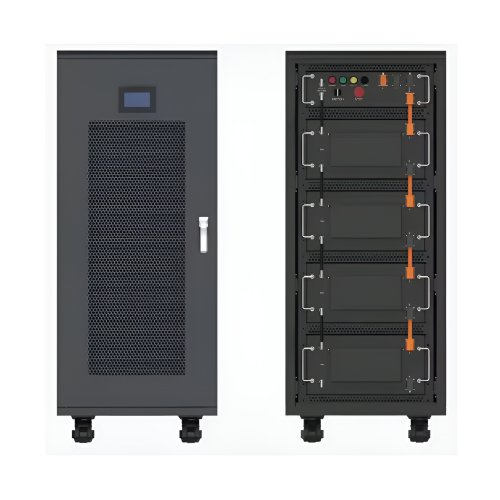
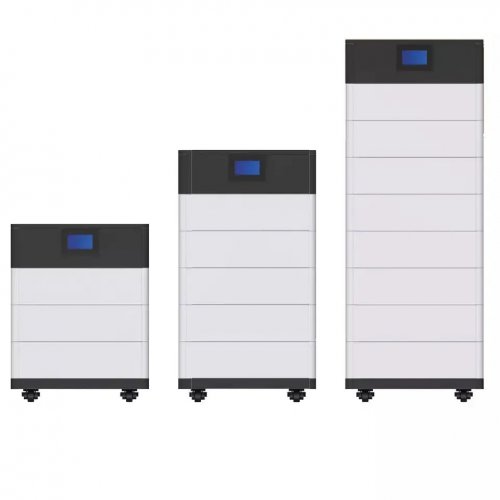
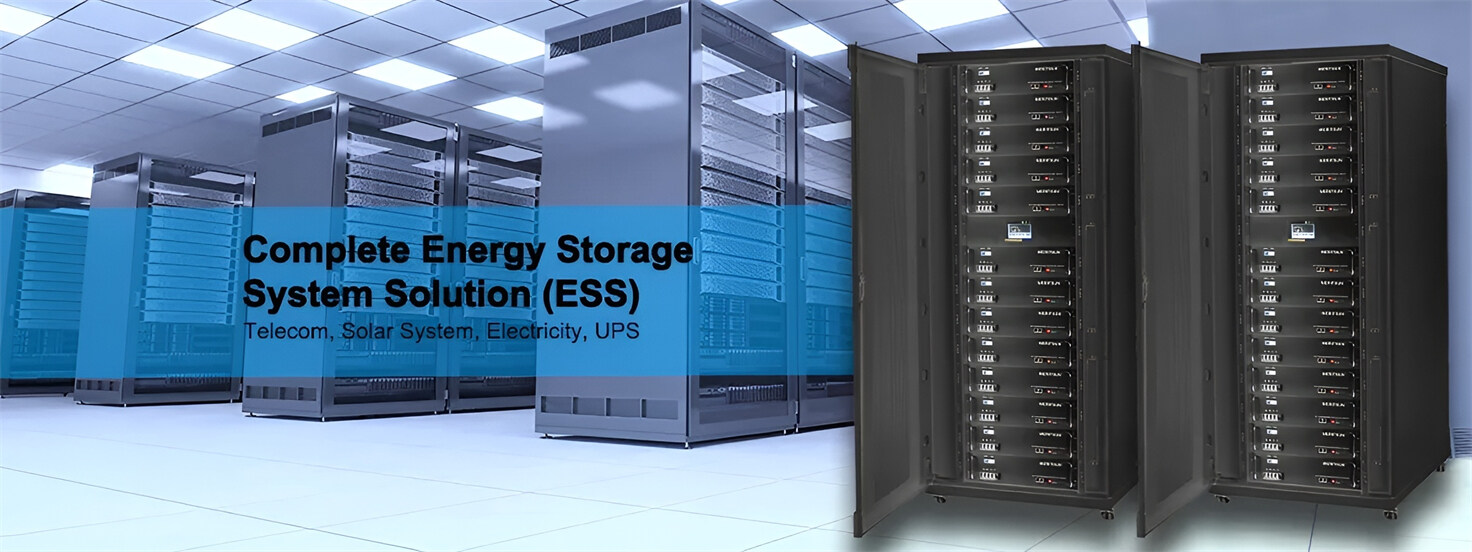
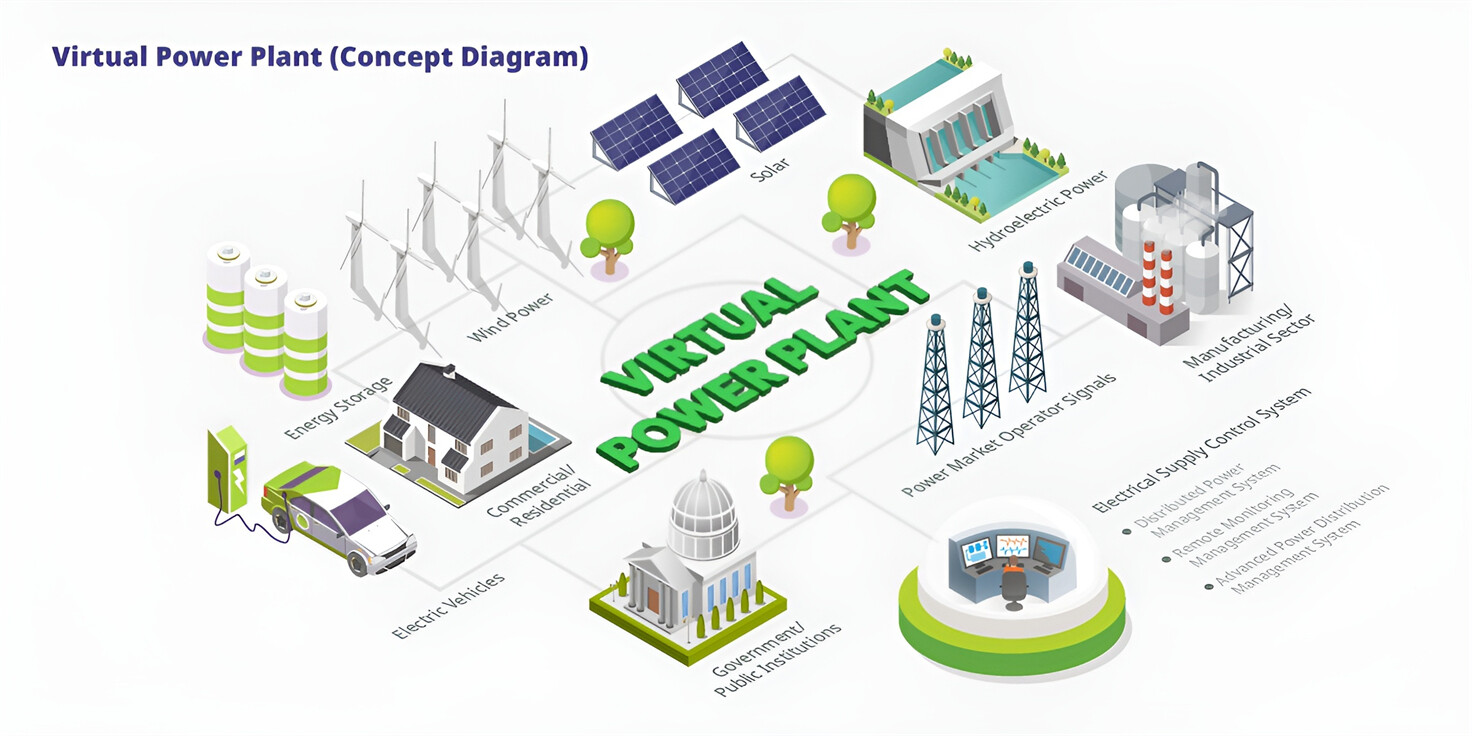
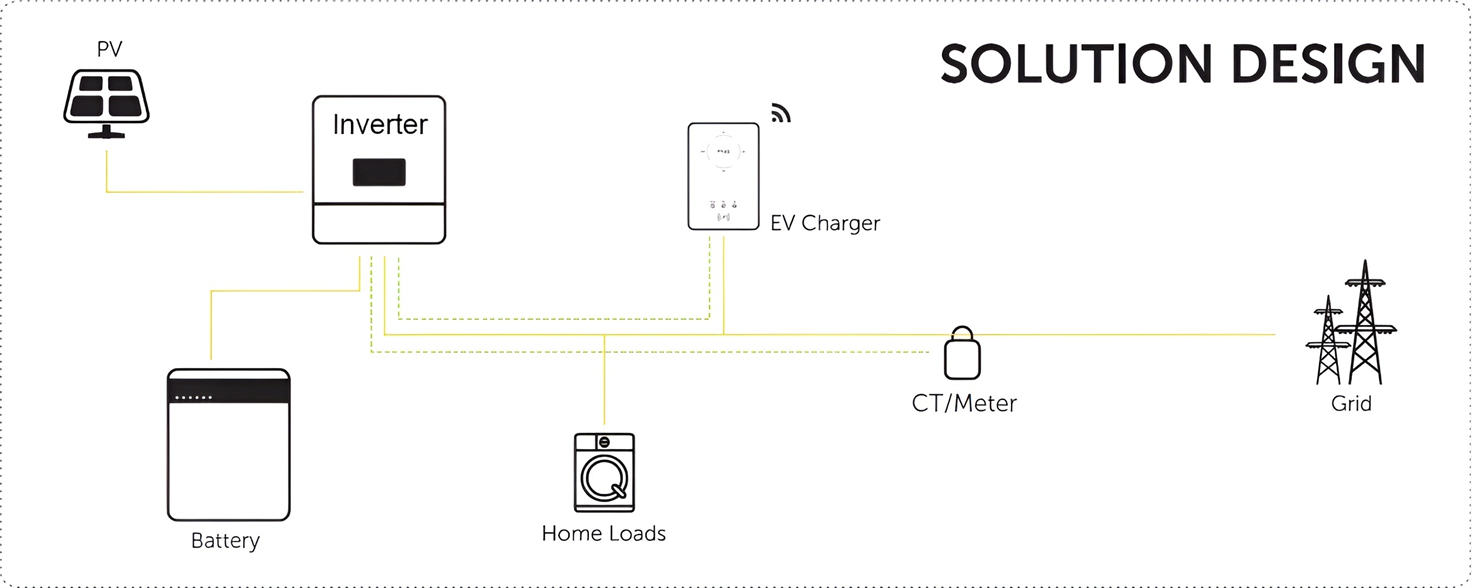
Well-designed Solutions for Energy Storage Systems
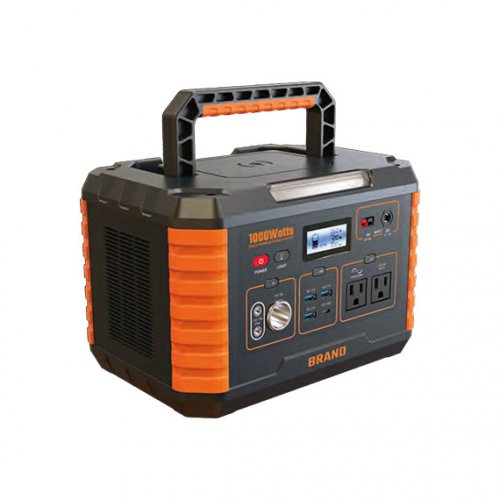
We will design the perfect energy storage system solution according to your needs, so that you can easily solve the specific industry applications of battery products.
About Our Battery Cells
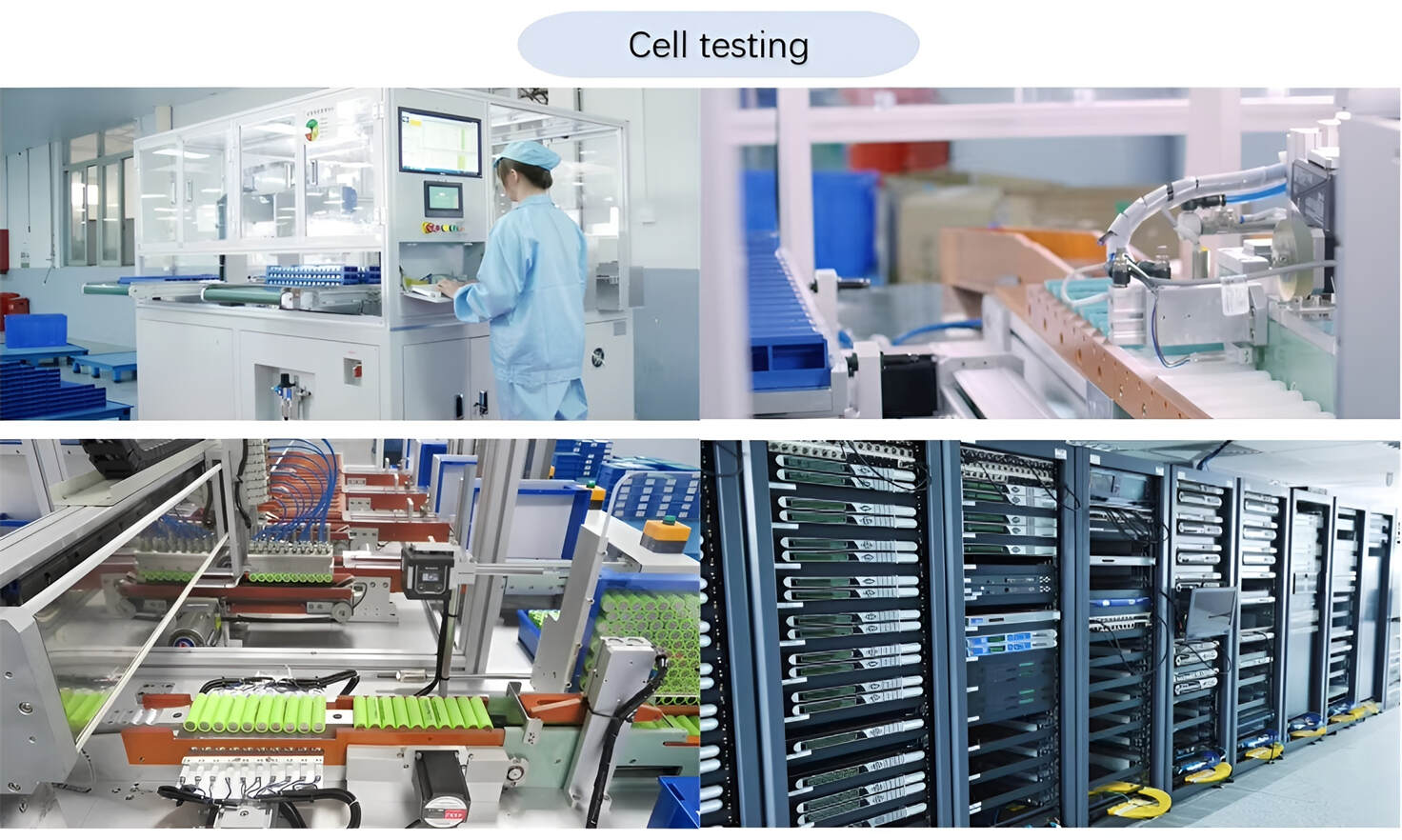
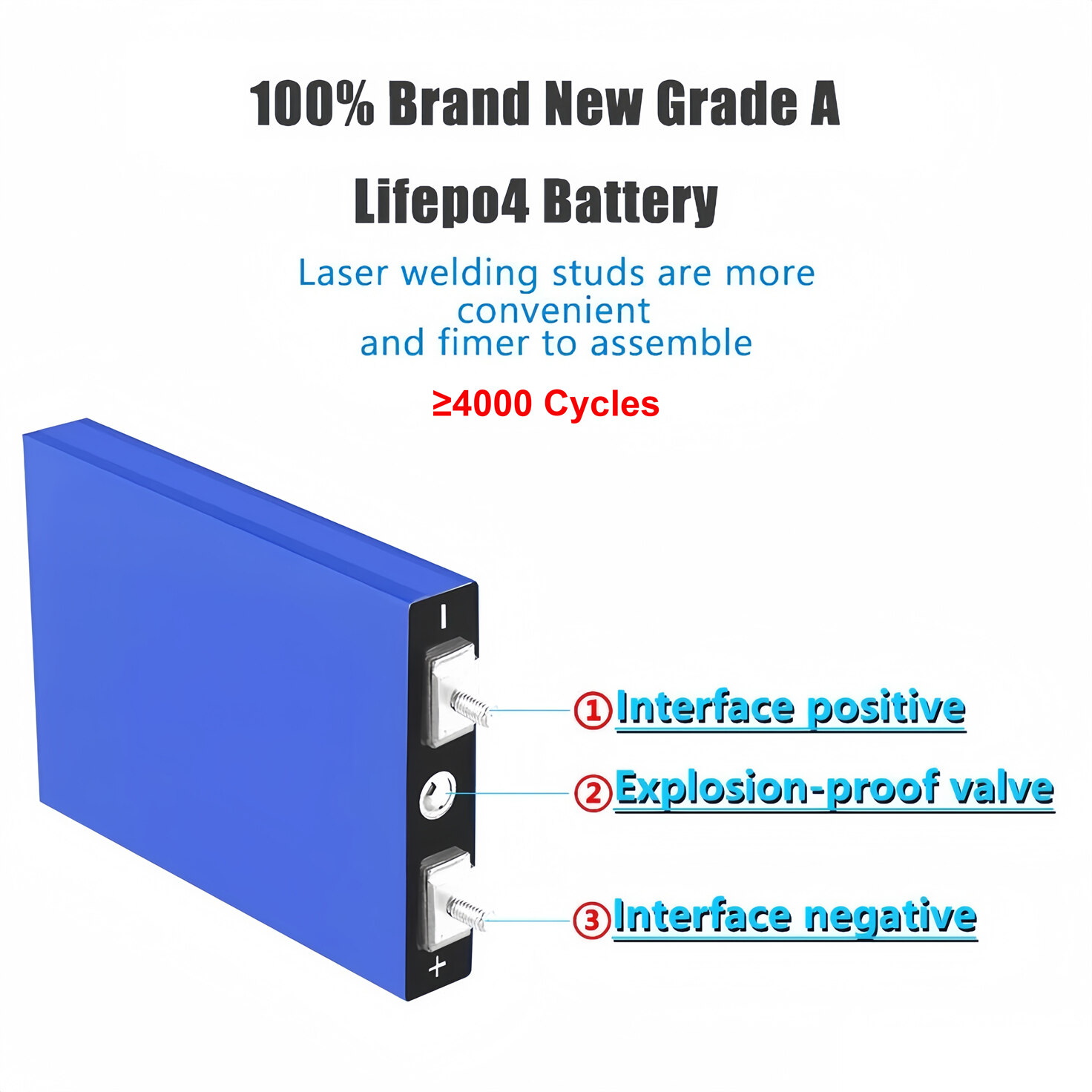
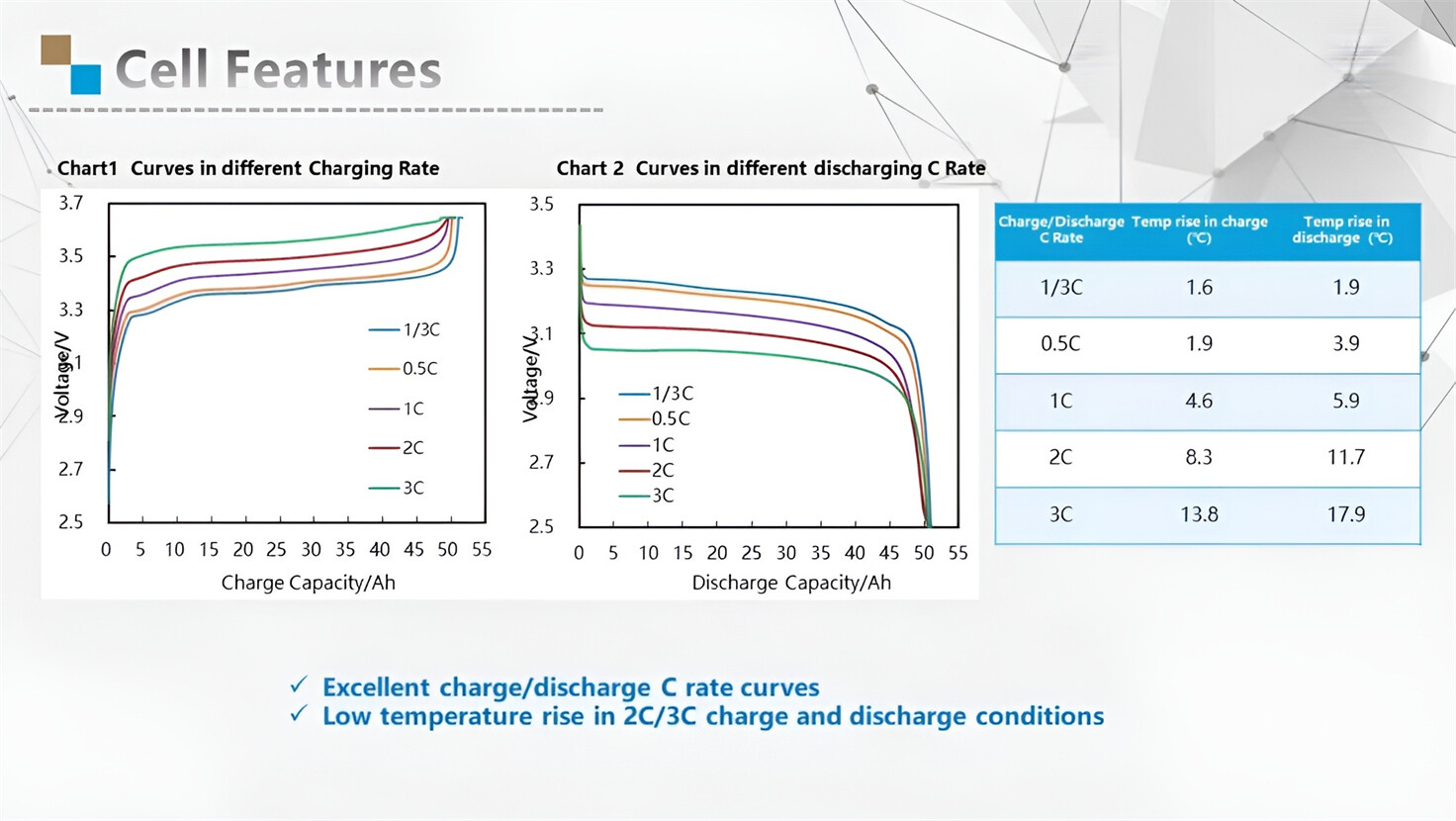
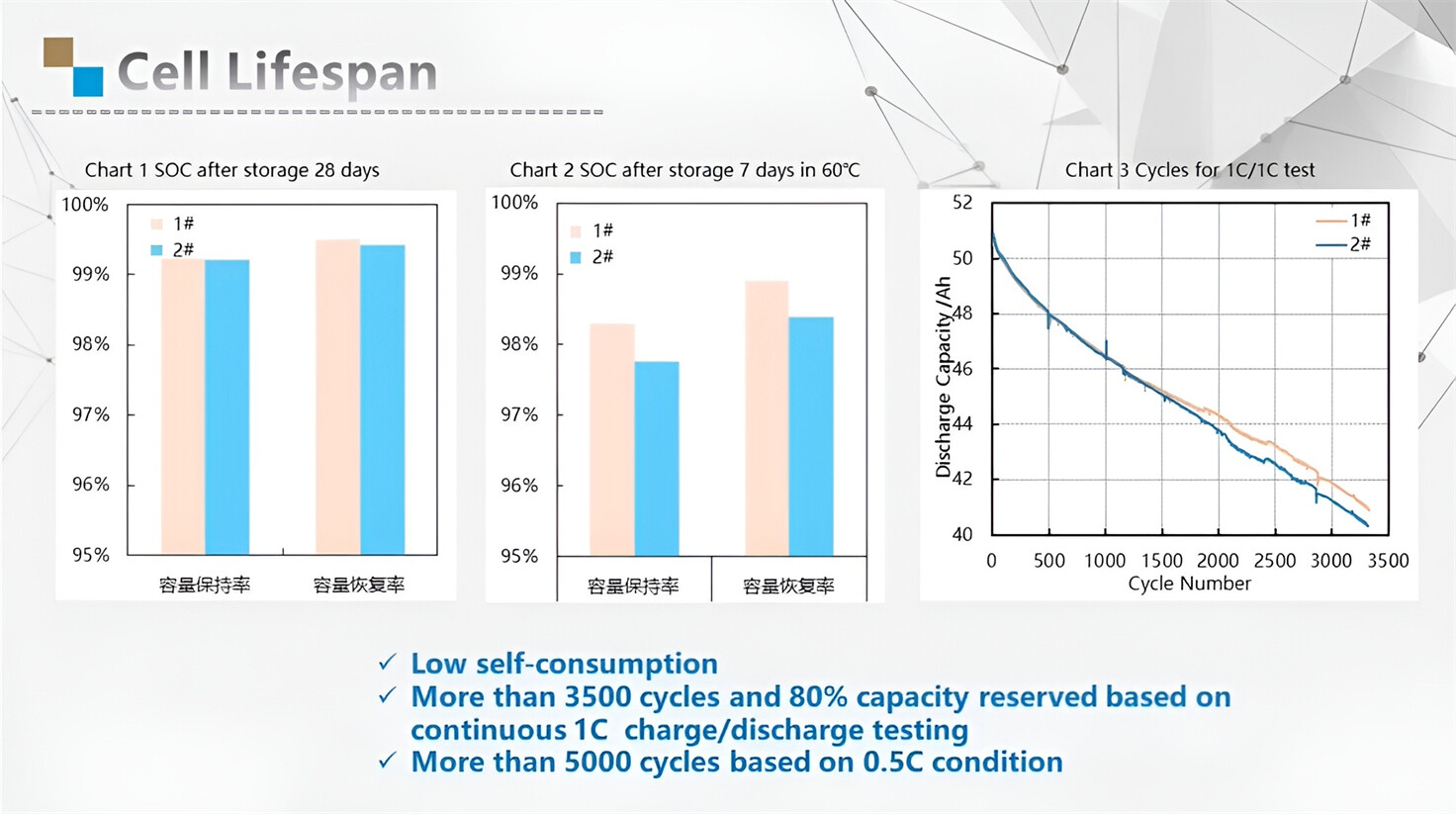
Our energy storage system products use brand new grade A LiFePO4 cells with a battery lifespan of more than 4,000 charge/discharge cycles.
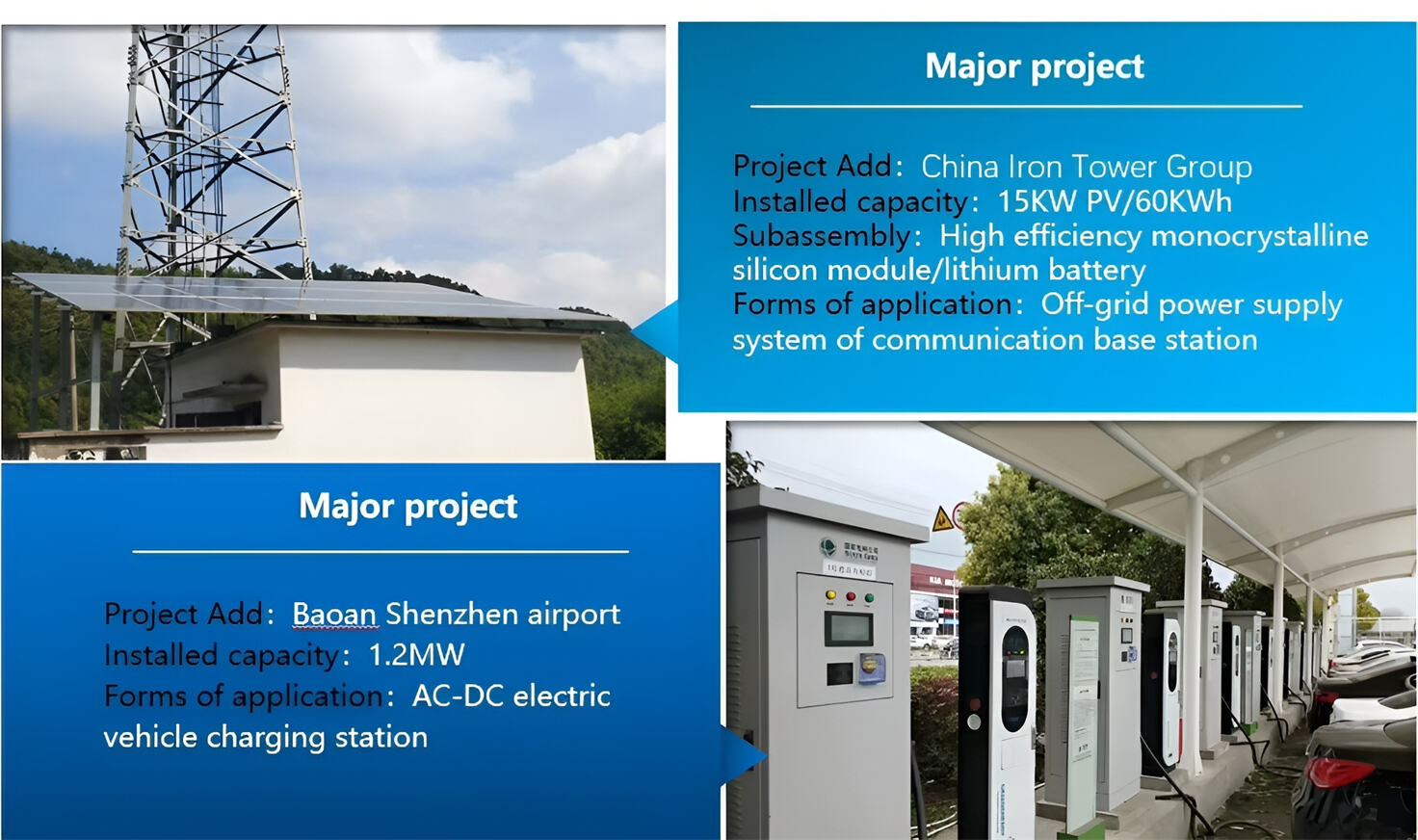
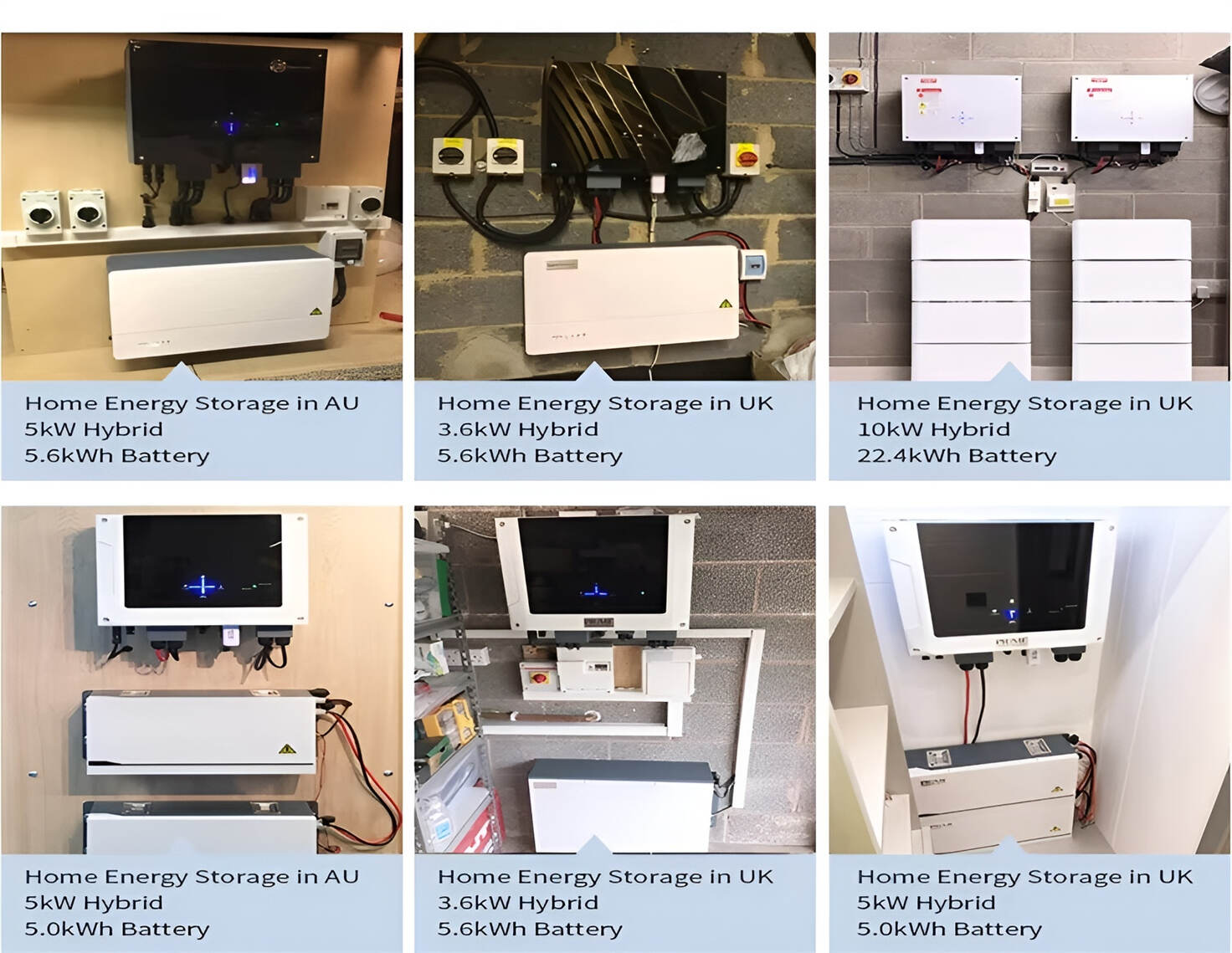
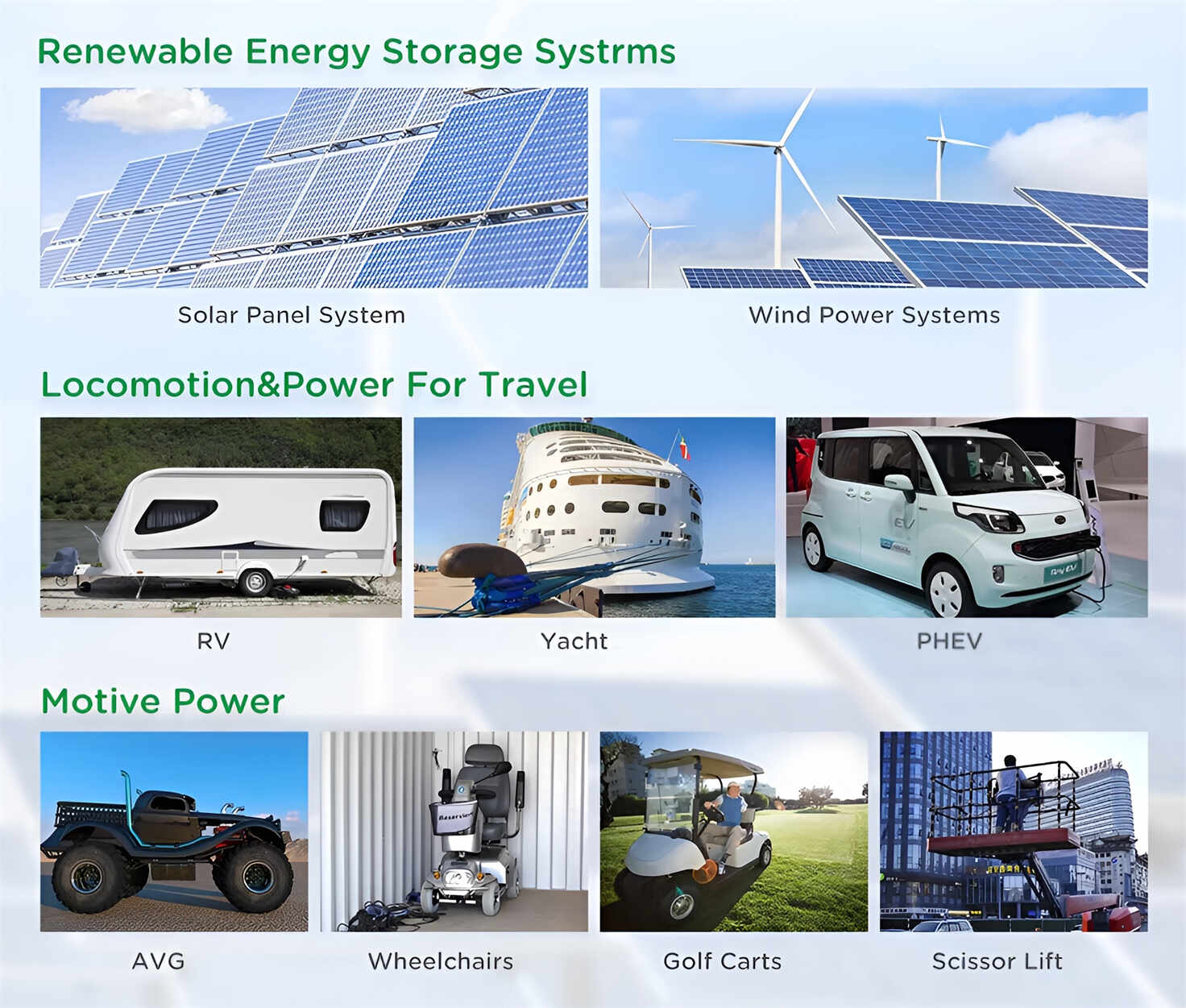
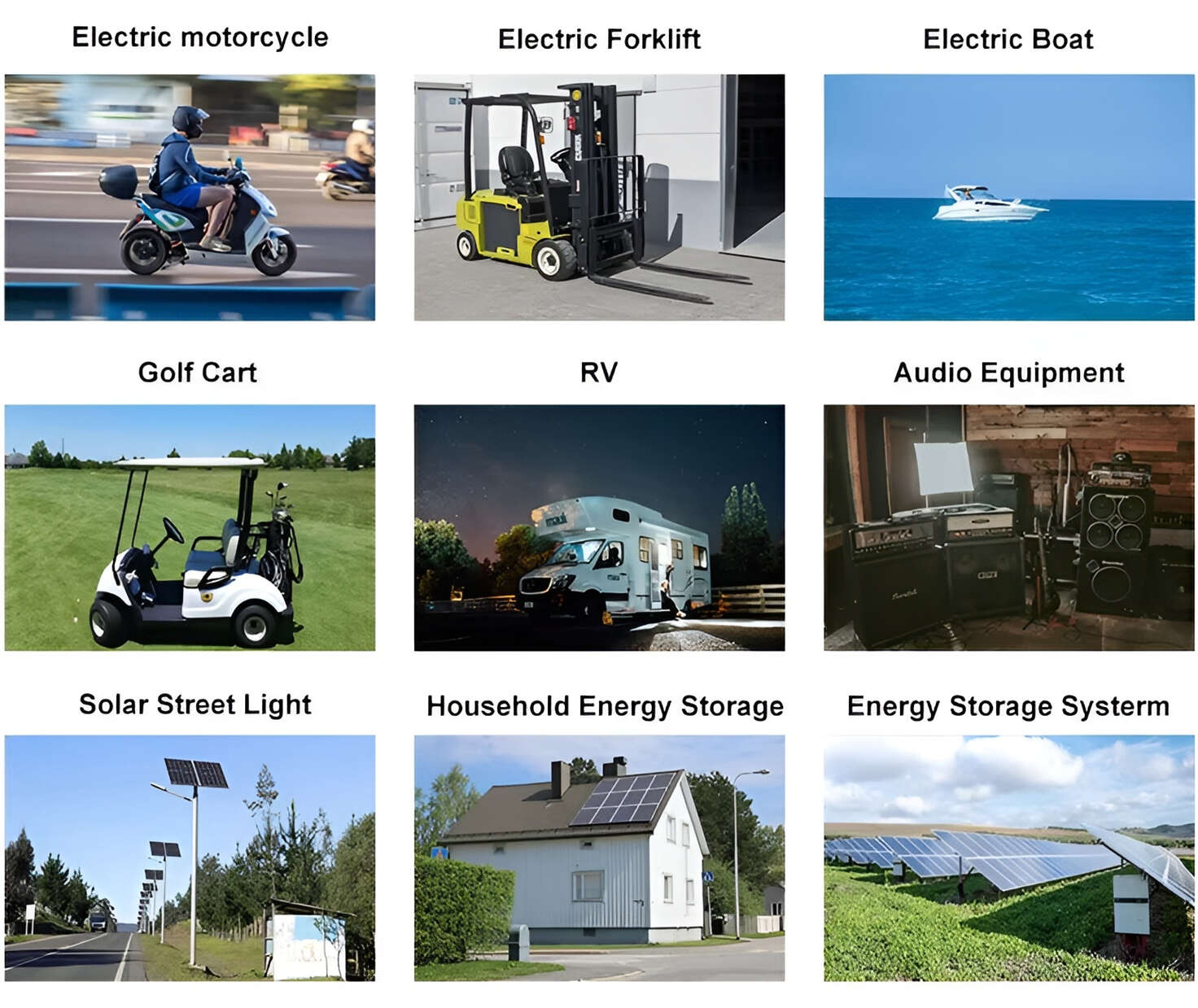
Applications in Different Industries
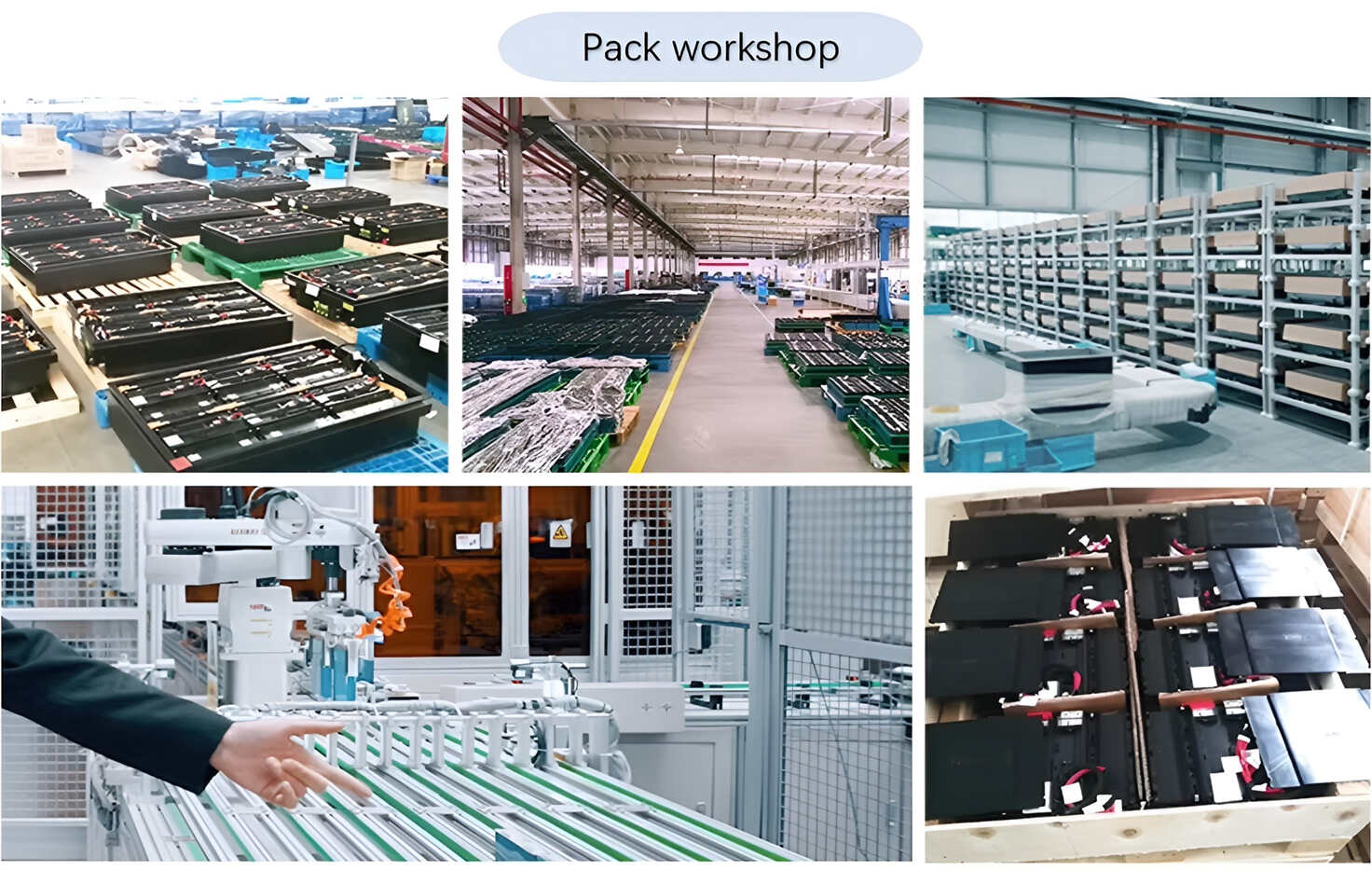
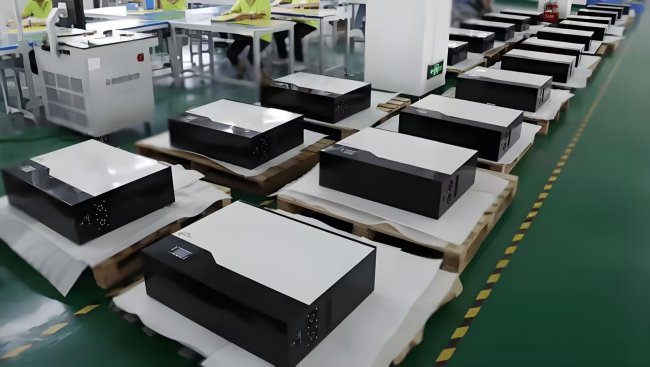
We supply customized & OEM battery pack, assemble cells with wiring, fuse and plastic cover, all the cell wires connected to PCB plug or built BMS.
Applications: E-bike, Electric Scooter, Golf Carts, RV, Electric Wheelchair, Electric Tools, Robot Cleaner, Robot Sweeper, Solar Energy Storage System, Emergency Light, Solar Power Light, Medical Equipment, UPS Backup Power Supply.
We can provide you with customized services. We have the ability to provide a vertical supply chain, from single cells to pack/module and to a complete power solution with BMS, etc.
HomSolar (Shenzhen) Technology Co., Ltd