Advances In Cycle Life: Unlocking Next-generation Energy Storage Through Material And Interface Engineering
The relentless pursuit of longer-lasting energy storage systems has placed "cycle life" at the forefront of materials science and electrochemistry research. As the demand for electric vehicles (EVs), grid-scale storage, and durable consumer electronics intensifies, the ability of batteries to withstand thousands of charge-discharge cycles without significant degradation has become a critical metric. Recent years have witnessed a paradigm shift from merely optimizing existing chemistries to fundamentally re-engineering materials and interfaces at the atomic and molecular levels, leading to unprecedented extensions in operational longevity.
Decoding Degradation: A Shift to Multimodal Analysis
A foundational advancement has been the move beyond post-mortem analysis toin-situandoperandocharacterization techniques. The understanding of cycle life failure mechanisms has been revolutionized by tools such asin-situtransmission electron microscopy (TEM), synchrotron X-ray diffraction, and solid-state nuclear magnetic resonance (NMR). These methods allow researchers to observe degradation, such as crack propagation in electrode particles or the formation of unstable solid-electrolyte interphases (SEI), in real-time under operating conditions. For instance, Liet al.(2022) utilizedoperandoneutron depth profiling to map the spatial distribution of lithium loss in silicon-anode batteries, directly correlating localized "dead lithium" formation with capacity fade over cycles. This granular understanding is crucial for designing targeted solutions rather than applying broad, often ineffective, mitigation strategies.
Material Innovations: From Bulk to Nano-engineering
At the heart of cycle life enhancement are breakthroughs in electrode material design.Silicon-Dominant Anodes: Silicon, with its high theoretical capacity, has long been plagued by massive volume expansion (>300%) during lithiation, leading to pulverization and rapid cycle life decay. The latest research has moved beyond simple carbon blending to sophisticated nanostructuring. Porous silicon scaffolds, yolk-shell structures where silicon nanoparticles are encapsulated within a conductive carbon shell with void space, have shown remarkable resilience. A recent study demonstrated a yolk-shell Si-C composite anode that retained 74% of its capacity after 1000 cycles, a feat previously unattainable for silicon-rich anodes (Liu, Y. et al., 2023). Furthermore, the integration of self-healing polymers as binders has emerged as a game-changing strategy. These polymers can reversibly form hydrogen or ionic bonds, mechanically holding the electrode together as it expands and contracts, thereby dramatically improving cycle life.Stabilizing High-Voltage Cathodes: For cathodes, particularly nickel-rich layered oxides (NMC) and lithium-rich manganese oxides, the challenges include phase transitions, transition metal dissolution, and oxygen release at high voltages. Recent breakthroughs involve the use of conformal coating technologies. Atomic layer deposition (ALD) and molecular layer deposition (MLD) are now used to apply ultra-thin, uniform coatings of Al2O3, LiAlF4, or organic-inorganic hybrid layers on cathode particles. These nanoscale coatings, often just a few atoms thick, physically isolate the cathode from the electrolyte, suppressing parasitic reactions and stabilizing the crystal structure. Chenet al.(2023) reported an NMC811 cathode with a gradient LiZrO3 coating, which exhibited a capacity retention of 92% after 2000 cycles at a 1C rate, far exceeding the performance of its uncoated counterpart.The Solid-State Revolution: The transition from liquid to solid-state batteries (SSBs) represents the most profound shift for cycle life. By replacing flammable liquid electrolytes with a solid ion conductor, many degradation pathways are eliminated, including transition metal dissolution and continuous SEI growth. However, new challenges arose, such as poor interfacial contact and lithium dendrite propagation through the solid electrolyte. Recent progress has been staggering. The development of halide-based solid electrolytes (e.g., Li3YCl6) offers superior oxidative stability against high-voltage cathodes. Moreover, engineering the anode interface with thin, ductile lithium metal layers or using alloy anodes (e.g., Li-In) has shown promise. A team from the University of California San Diego recently demonstrated a solid-state battery cell that achieved a record-breaking 10,000 cycles while maintaining 82% capacity, leveraging a novel silicon anode directly compatible with a sulfide-based solid electrolyte (Zhao, K. et al., 2023).
Electrolyte Engineering: The Liquid Interphase Mastery
Even in liquid systems, electrolyte engineering has seen a renaissance. The traditional approach of using carbonate-based solvents with lithium hexafluorophosphate (LiPF6) salt is being superseded by high-concentration "solvent-in-salt" electrolytes and localized high-concentration electrolytes (LHCEs). These formulations reduce free solvent molecules, leading to the formation of a more inorganic, stable, and flexible SEI on the anode and a cathode-electrolyte interphase (CEI) on the cathode. This robust interphase is less prone to cracking and reformation, a primary cause of active lithium inventory loss. A notable study introduced a fluorinated cyclic ether solvent that co-intercalates into the graphite anode during the first cycle, forming a highly fluorinated, elastic SEI that enables exceptional cycling stability even at high rates (Cui, M. et al., 2024).
Operational Intelligence: AI and Smart Management
Beyond chemistry, operational strategies are being augmented by artificial intelligence (AI) and machine learning (ML). Researchers are developing digital twins of batteries—virtual models that are continuously updated with real-world operational data. These models can predict the onset of degradation and prescribe adaptive charging protocols that minimize stress. For example, ML algorithms can design charging currents that avoid the conditions known to promote lithium plating, a key degradation mechanism, thereby proactively extending cycle life.
Future Outlook and Challenges
The trajectory of cycle life research points towards a future of hyper-stable, multi-functional energy storage. Key focus areas will include:
1. Interfacial Genome Project: A systematic, high-throughput exploration of all possible solid-solid and solid-liquid interfaces to create a database of stable pairings, accelerating the discovery of optimal material combinations. 2. Dynamic Self-Healing Systems: The next generation of materials will incorporate intrinsic self-healing properties, not just in binders but within the active materials and electrolytes themselves, using thermal, electrical, or chemical triggers to repair damagein-situ. 3. Sustainability and Recycling: As cycle life extends, the environmental footprint of battery production becomes a larger portion of the total lifecycle impact. Future research must integrate recyclability and the use of abundant materials into the design process from the outset. 4. Beyond Lithium: The principles learned from extending the cycle life of lithium-ion batteries are directly applicable to emerging chemistries like sodium-ion and potassium-ion, which offer potential cost and sustainability advantages.
In conclusion, the advances in cycle life are a testament to the power of interdisciplinary science. By moving from macro-scale engineering to precise atomic-level control over materials and their interfaces, the scientific community is steadily overcoming the fundamental barriers to creating batteries that last for decades. The goal of an EV battery that outlives the vehicle itself, or a grid battery that operates reliably for 30 years, is transitioning from a distant dream to an imminent reality.
References (Examples):Li, Y., et al. (2022).Spatially Resolved Tracking of Lithium Loss in Silicon Anodes via Operando Neutron Depth Profiling. Nature Energy, 7(4), 310-319.Liu, Y., et al. (2023).A Yolk-Shell Structured Silicon Anode with Superior Cycling Stability Enabled by a Self-Healing Polymeric Binder. Advanced Materials, 35(18), 2209101.Chen, L., et al. (2023).Gradient LiZrO3 Coating for Stabilizing Ni-Rich Cathodes Over 2000 Cycles. Joule, 7(5), 1020-1035.Zhao, K., et al. (2023).A Solid-State Battery with an Ultrastable Silicon Anode Exceeding 10,000 Cycles. Nature, 619(7968), 82-88.Cui, M., et al. (2024).Fluorinated Cyclic Ether Electrolyte for High-Voltage Lithium Metal Batteries with Exceptional Cycle Life. Science Advances, 10(12), eadn1165.
Customized/OEM/ODM Service
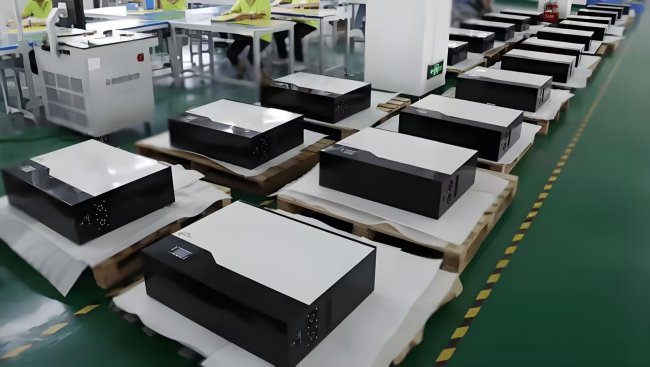
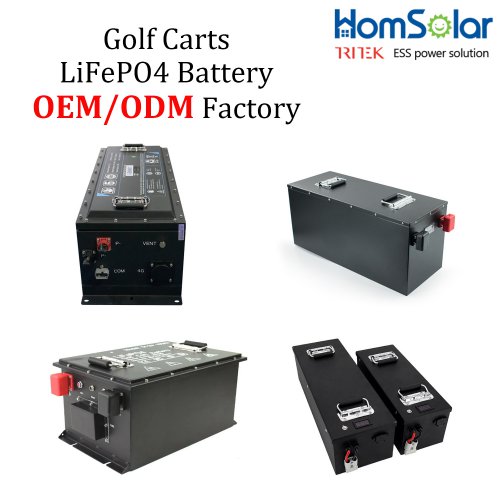
HomSolar Supports Lifepo4 battery pack customization/OEM/ODM service, welcome to contact us and tell us your needs.

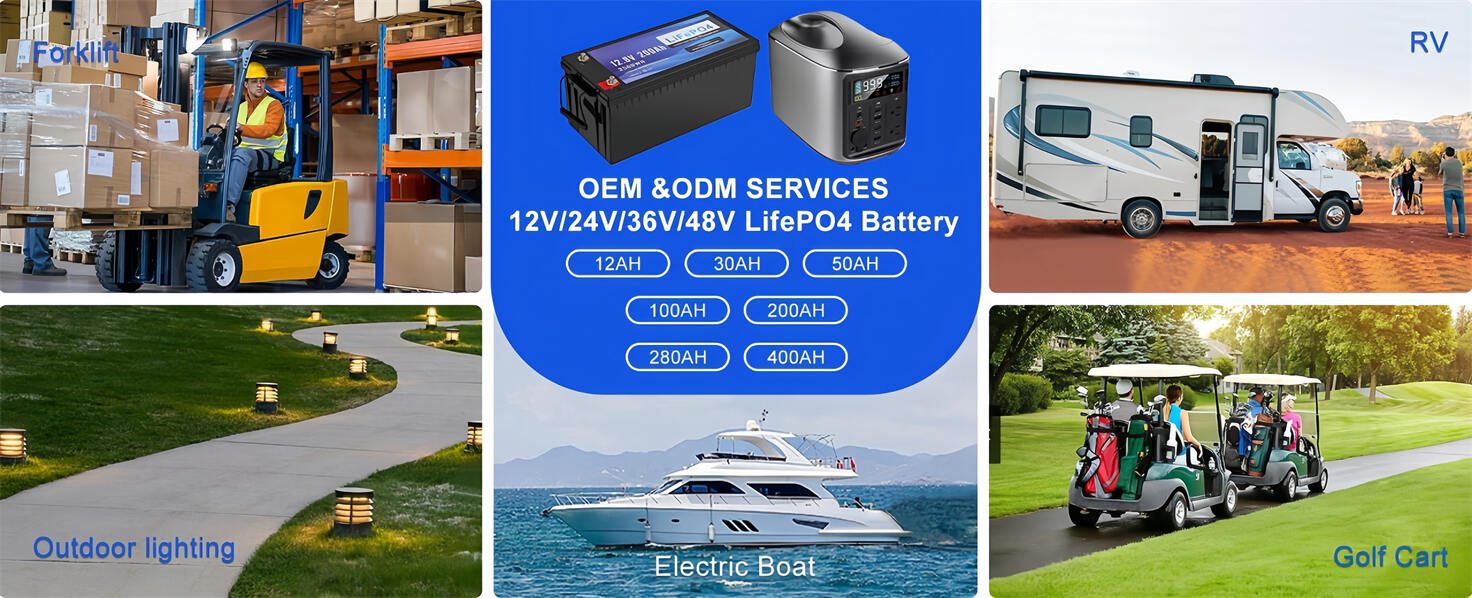
HomSolar: Your One-stop LiFePO4 Battery Pack & ESS Solution Manufacturer
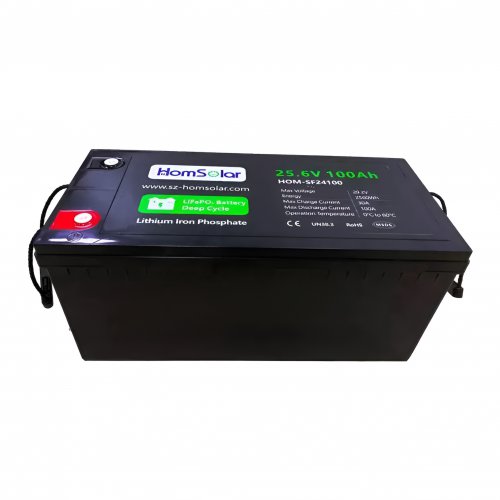
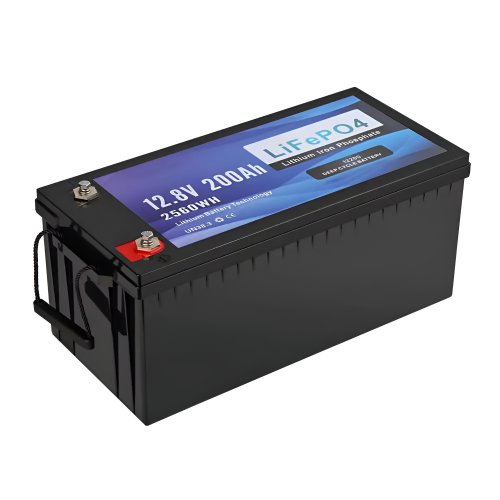
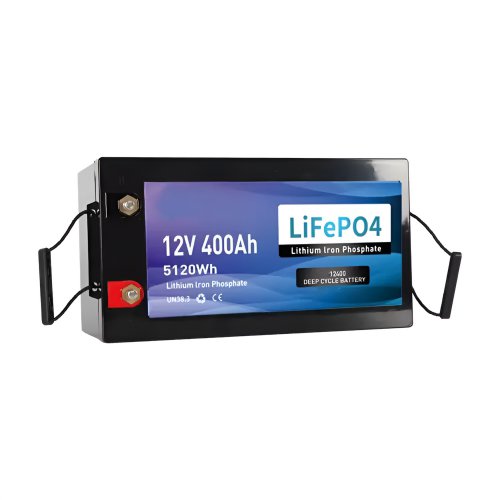
Our line of LiFePO4 (LFP) batteries offer a solution to demanding applications that require a lighter weight, longer life, and higher capacity battery. Features include advanced battery management systems (BMS), Bluetooth® communication and active intelligent monitoring.
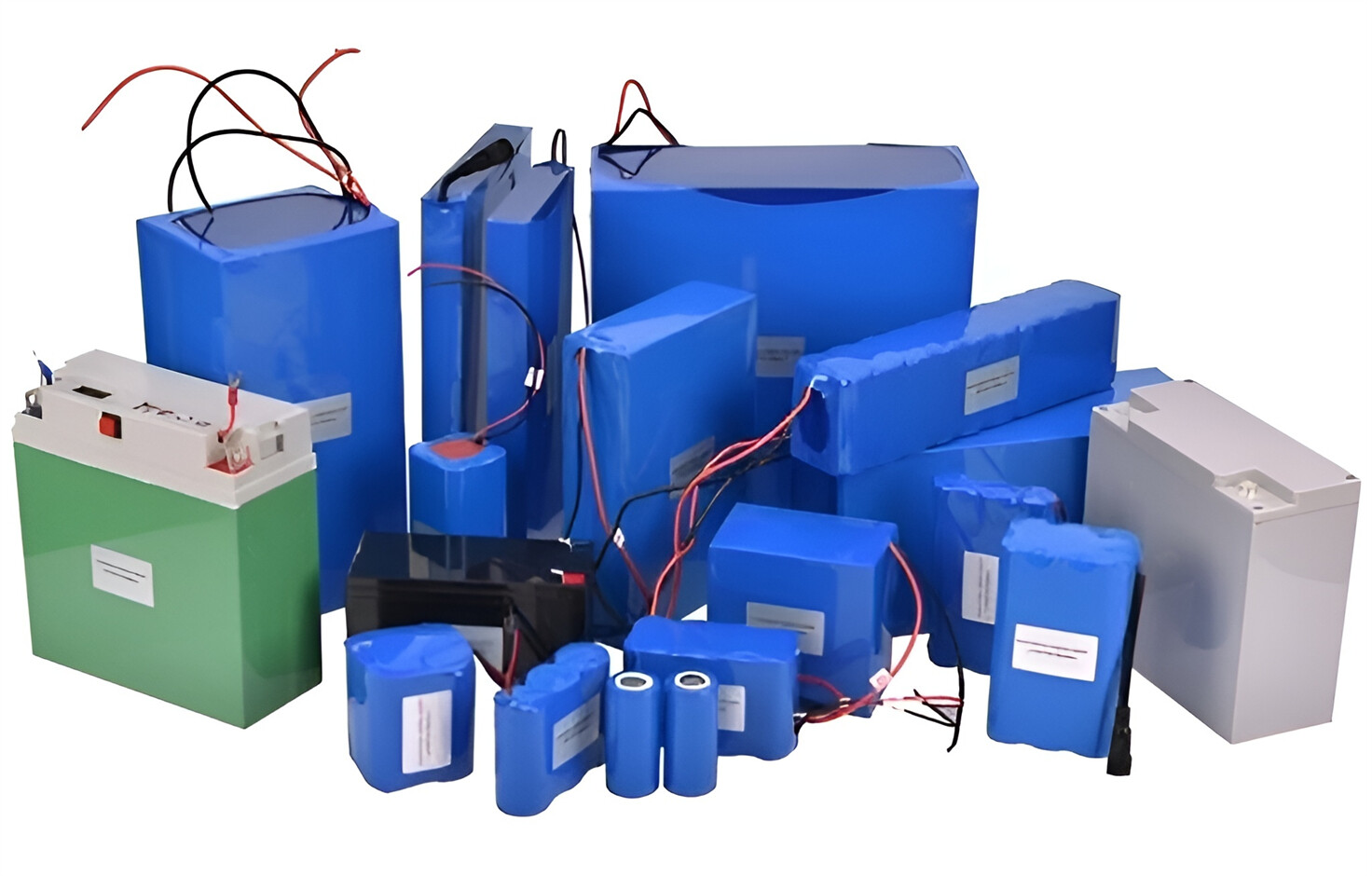
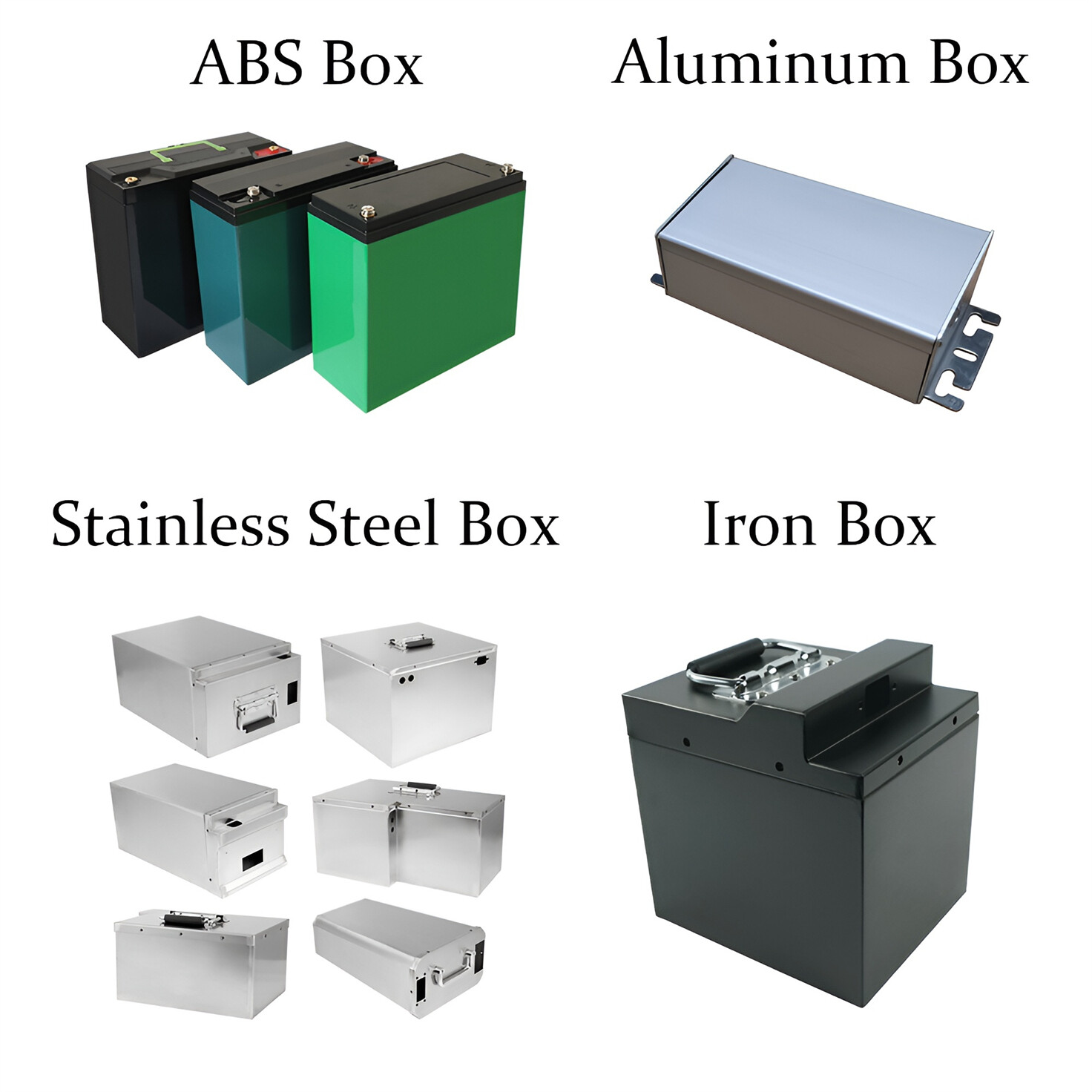
Customised Lithium Iron Phosphate Battery Casing
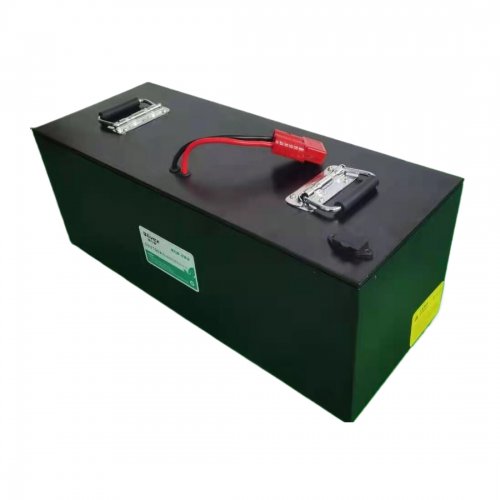
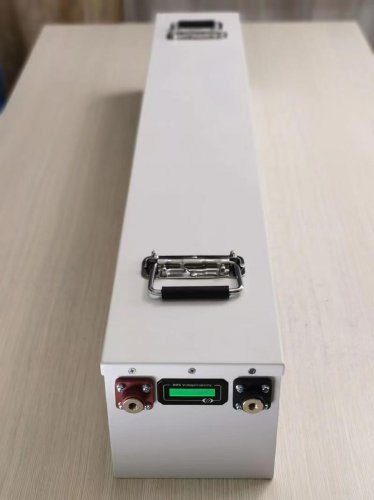
ABS plastic housing, aluminium housing, stainless steel housing and iron housing are available, and can also be designed and customised according to your needs.
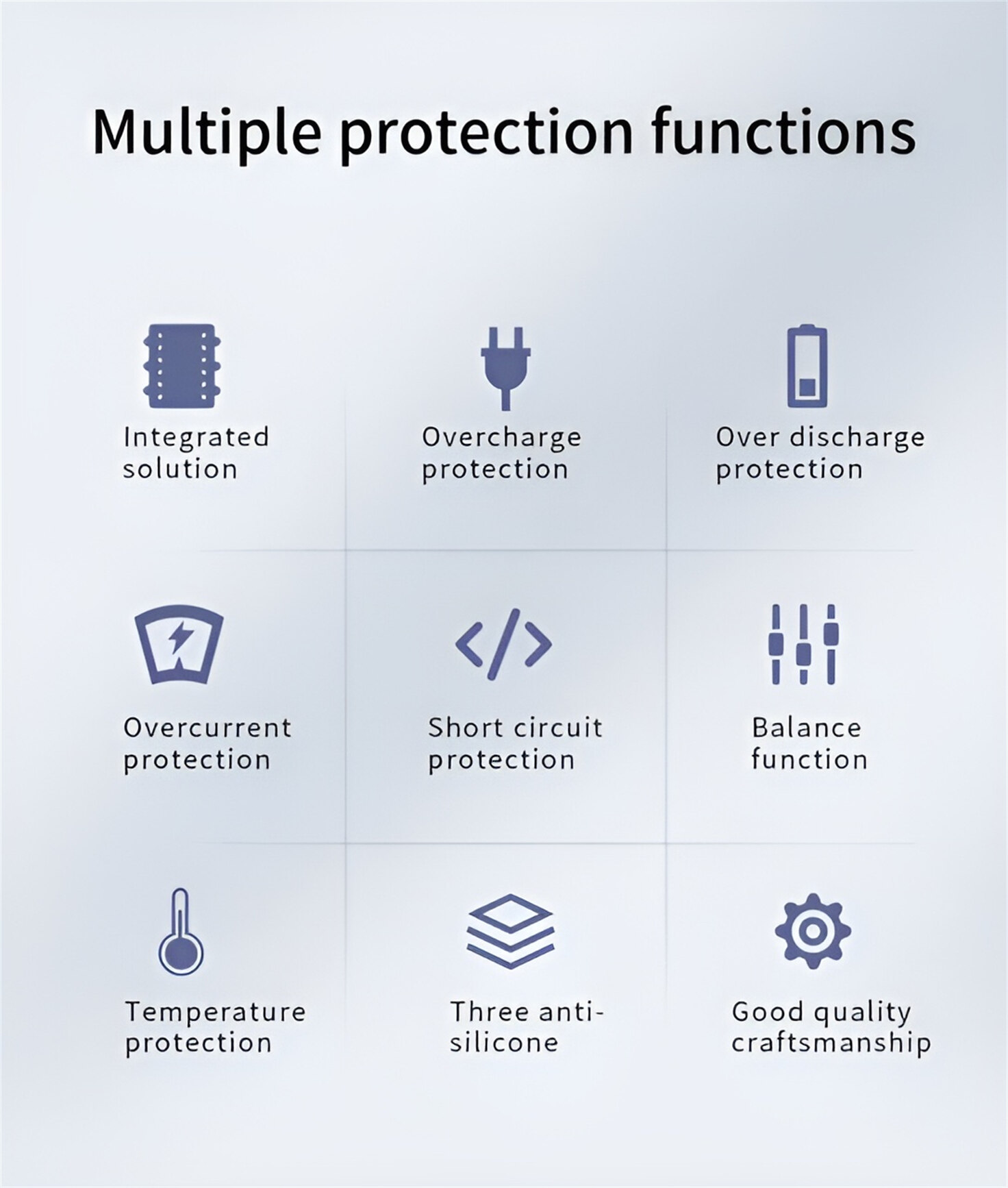
HomSolar Smart BMS
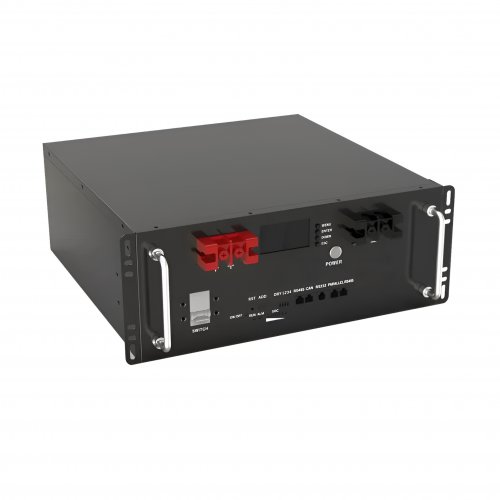
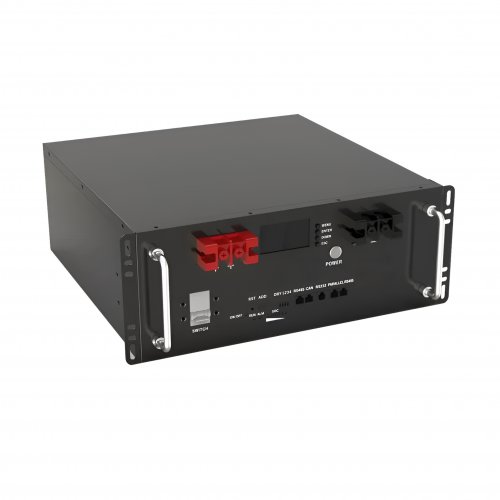
Intelligent Battery Management System for HomSolar Energy Storage System. Bluetooth, temperature sensor, LCD display, CAN interface, UART interface also available.

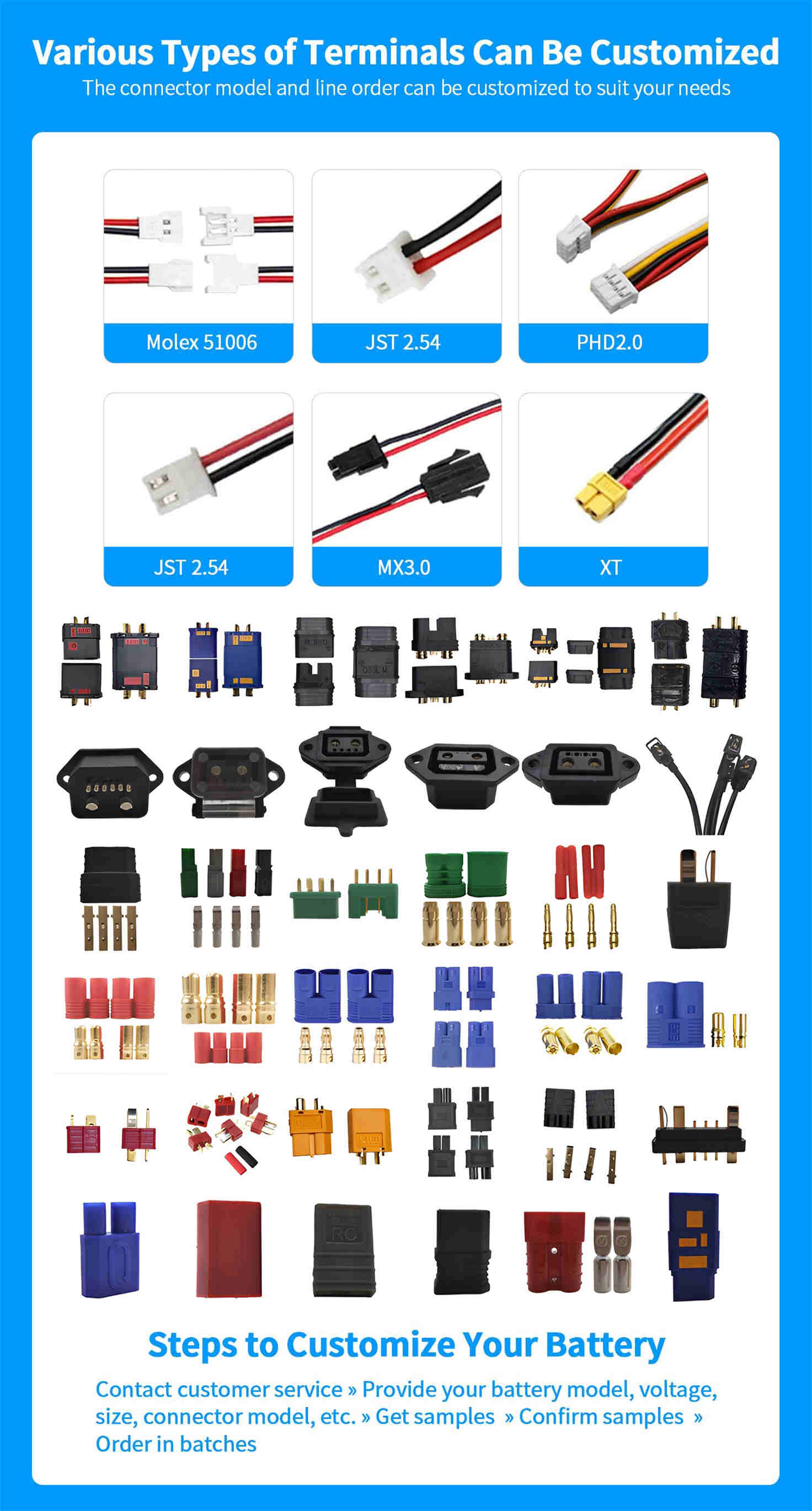
Terminals & Plugs Can Be Customized
A wide range of terminals and plugs can be customised to suit the application needs of your battery products.
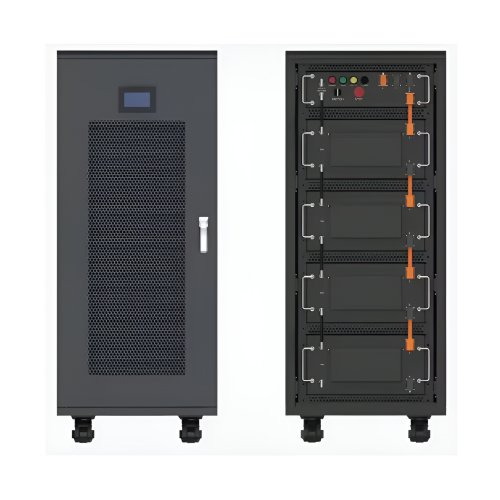
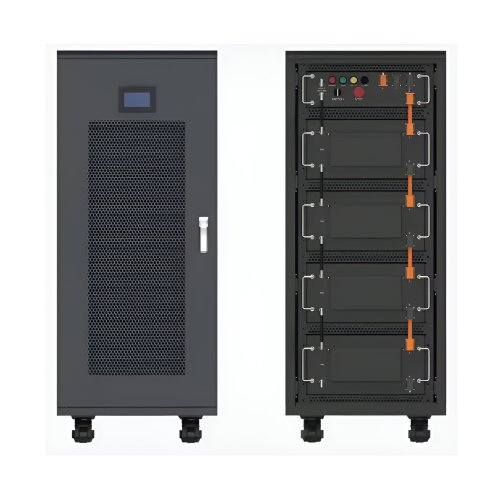
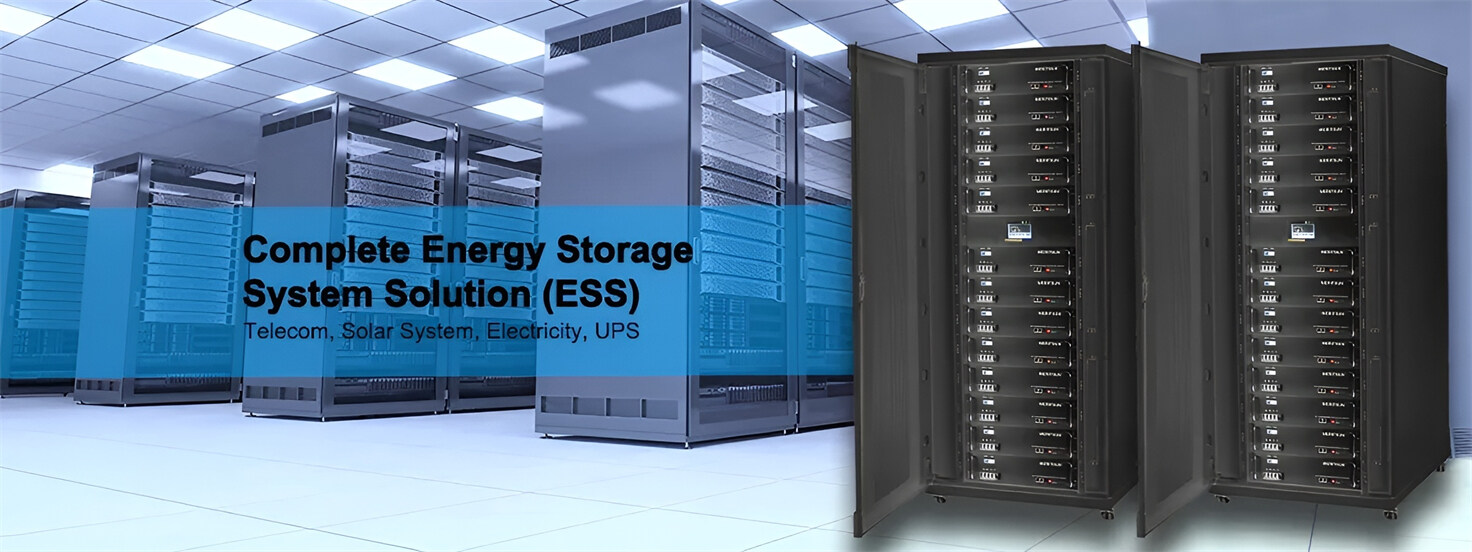
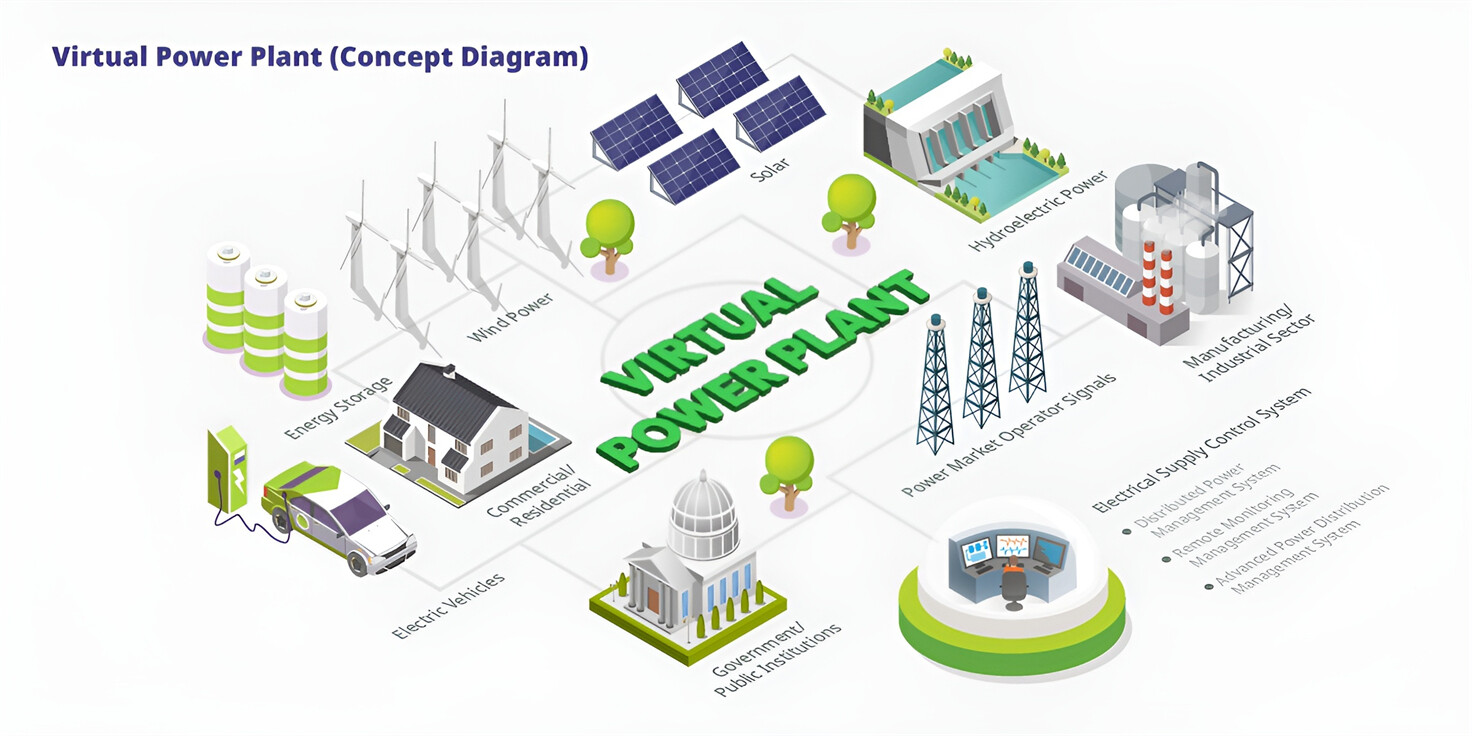
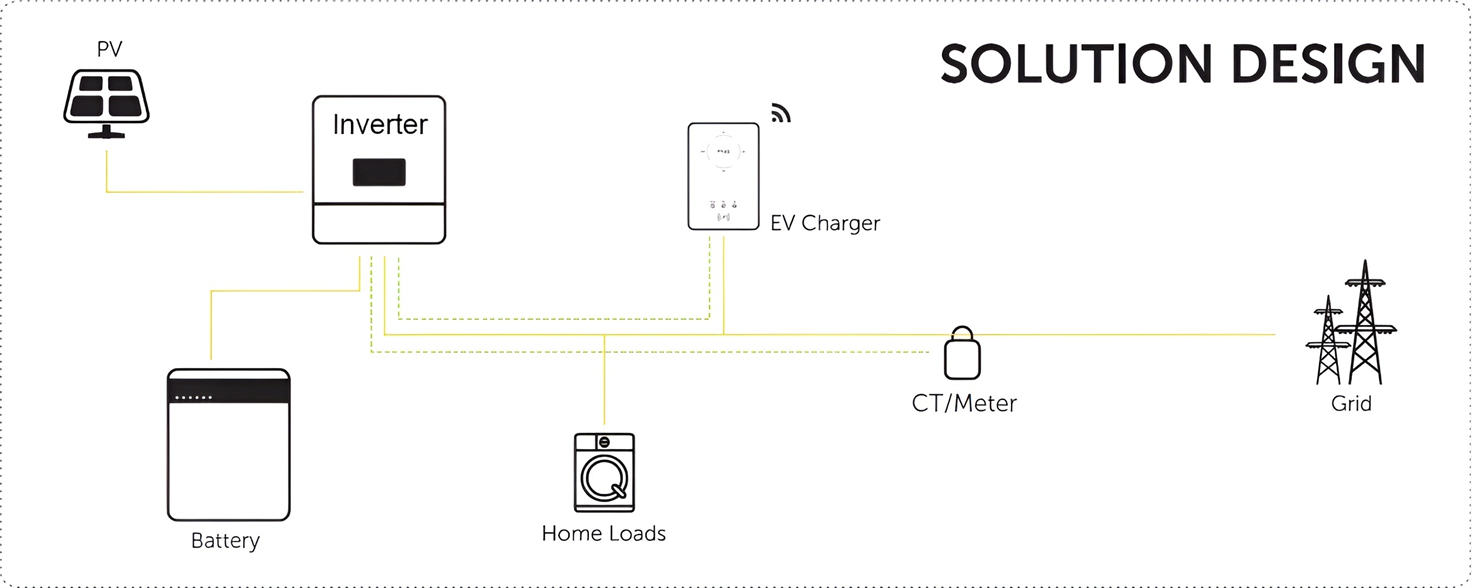
Well-designed Solutions for Energy Storage Systems
We will design the perfect energy storage system solution according to your needs, so that you can easily solve the specific industry applications of battery products.
About Our Battery Cells
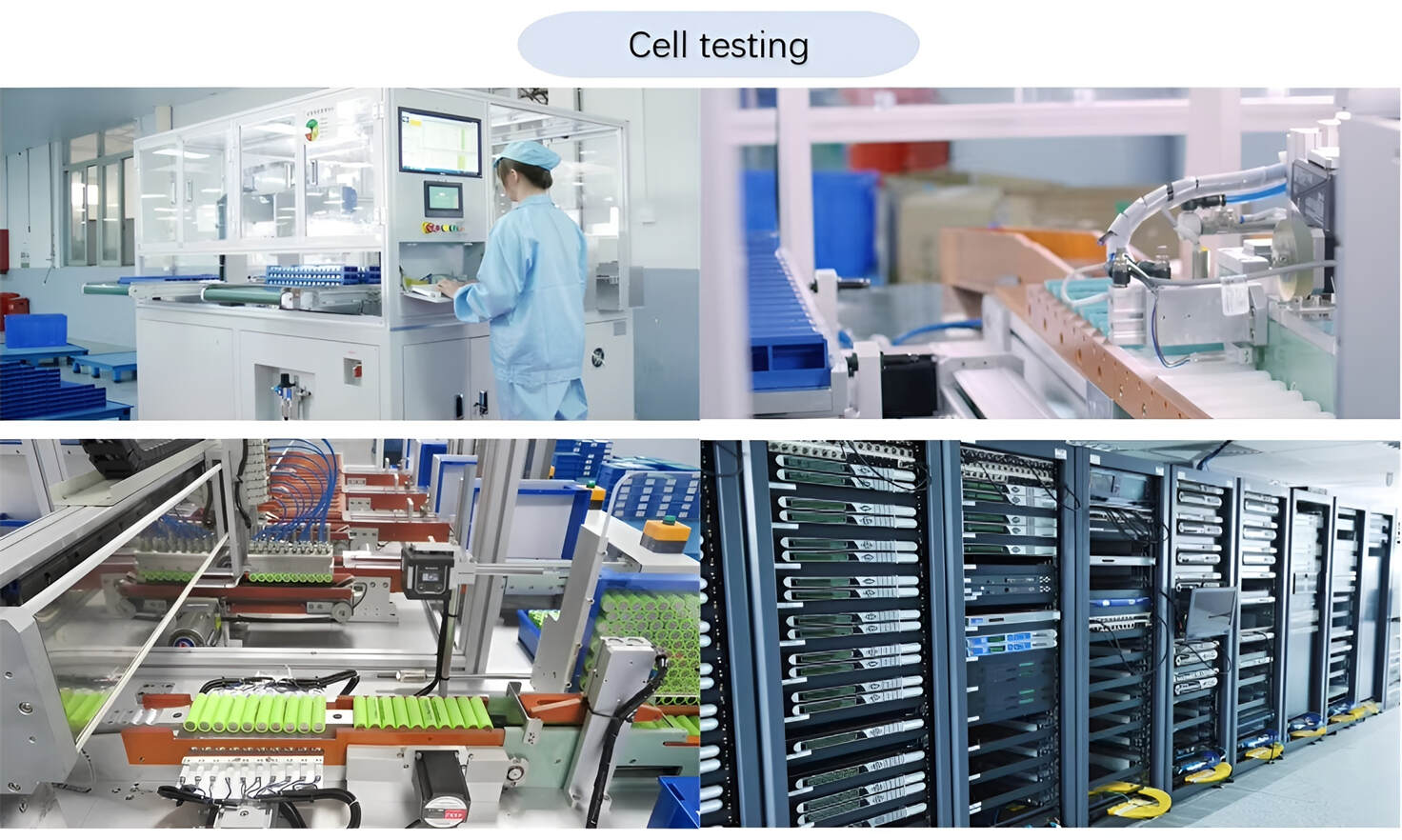
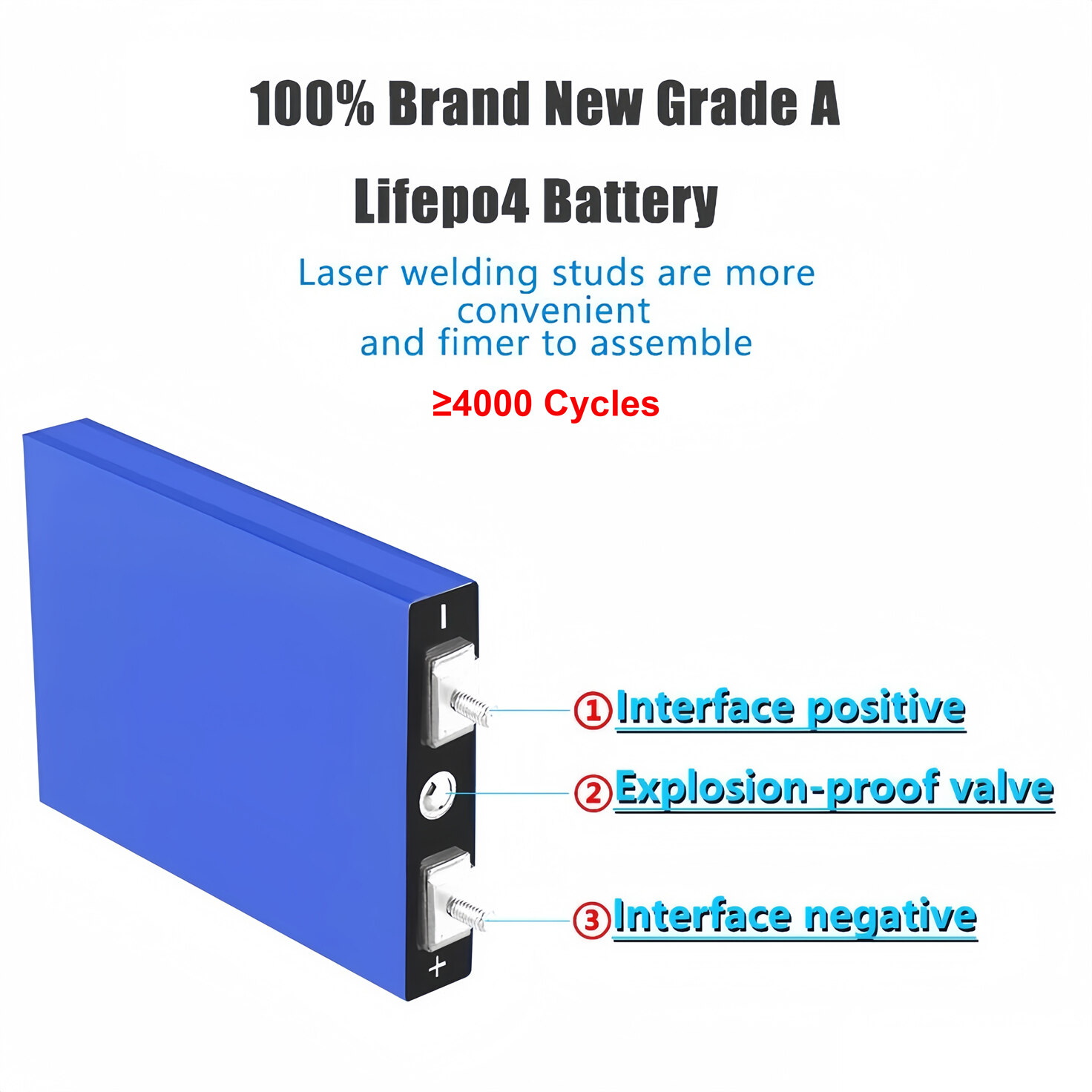
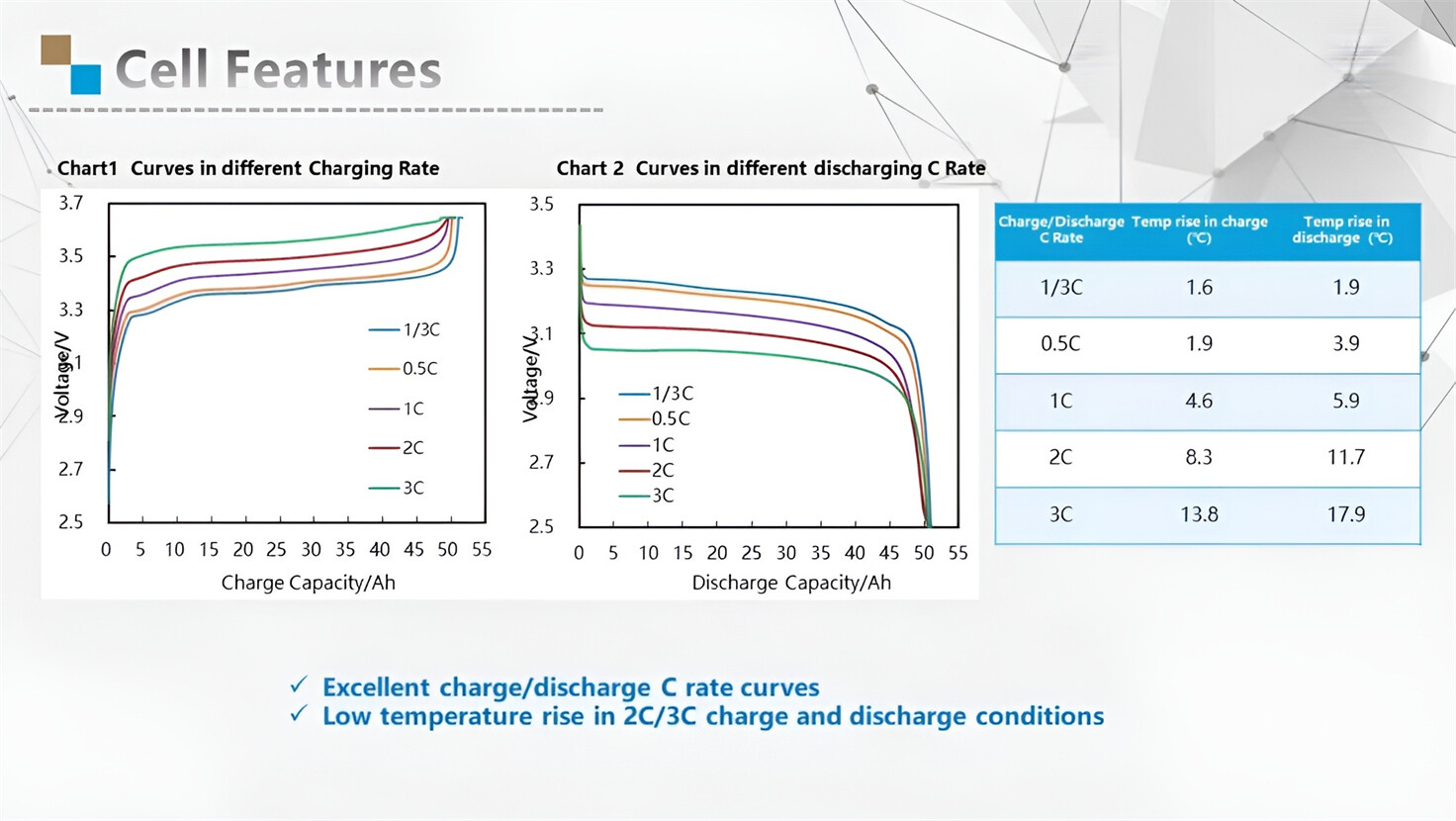
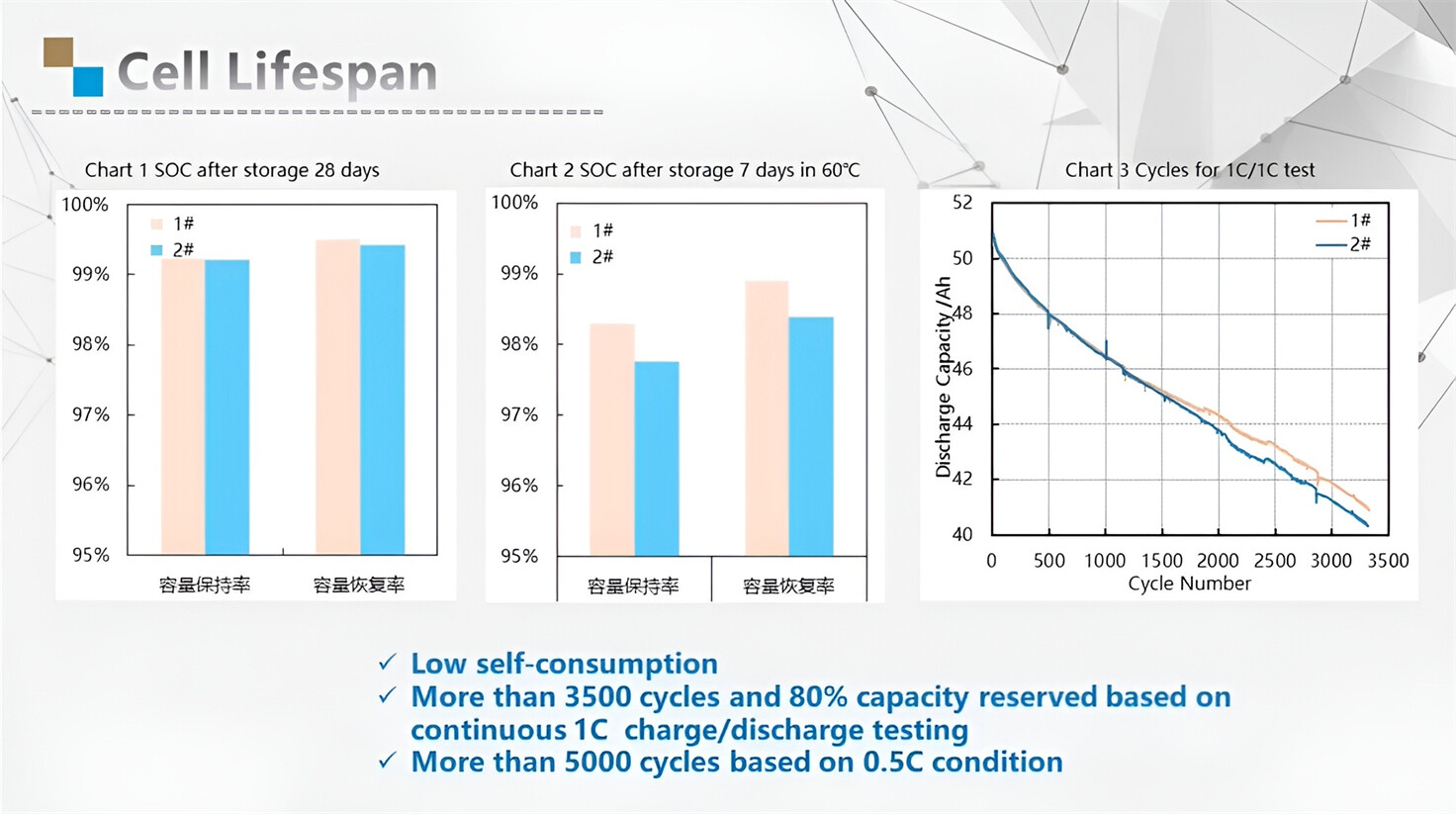
Our energy storage system products use brand new grade A LiFePO4 cells with a battery lifespan of more than 4,000 charge/discharge cycles.
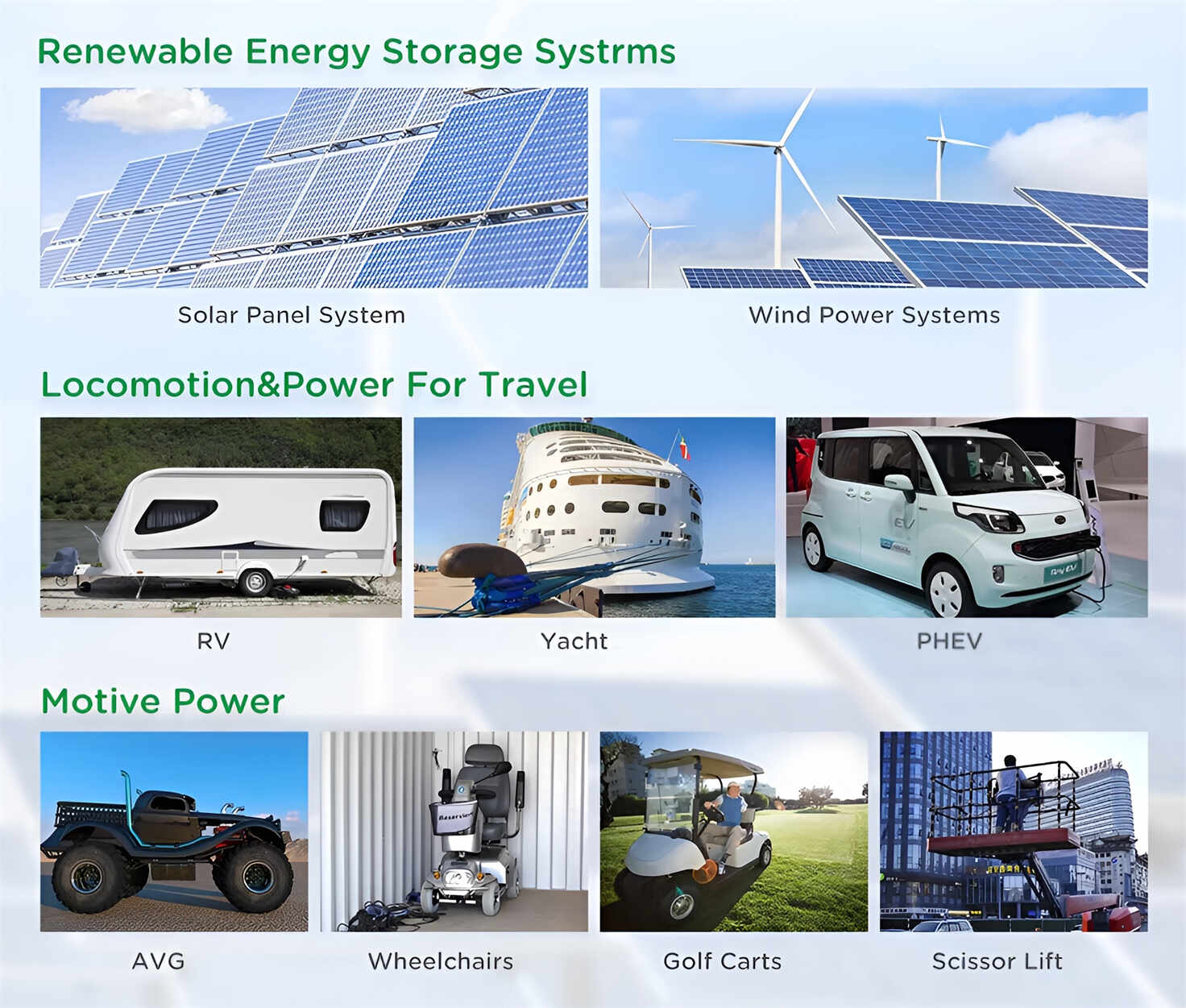
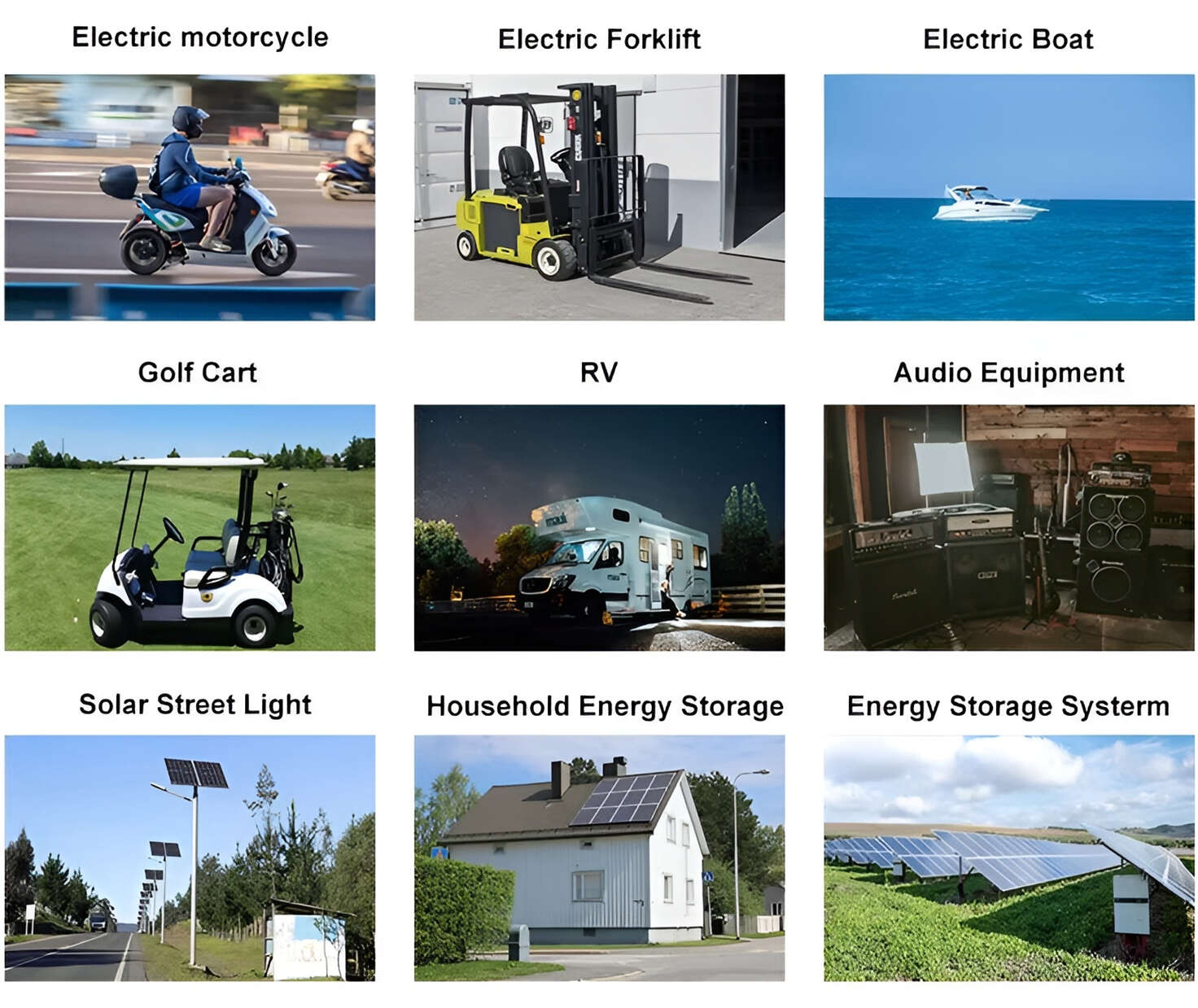
Applications in Different Industries
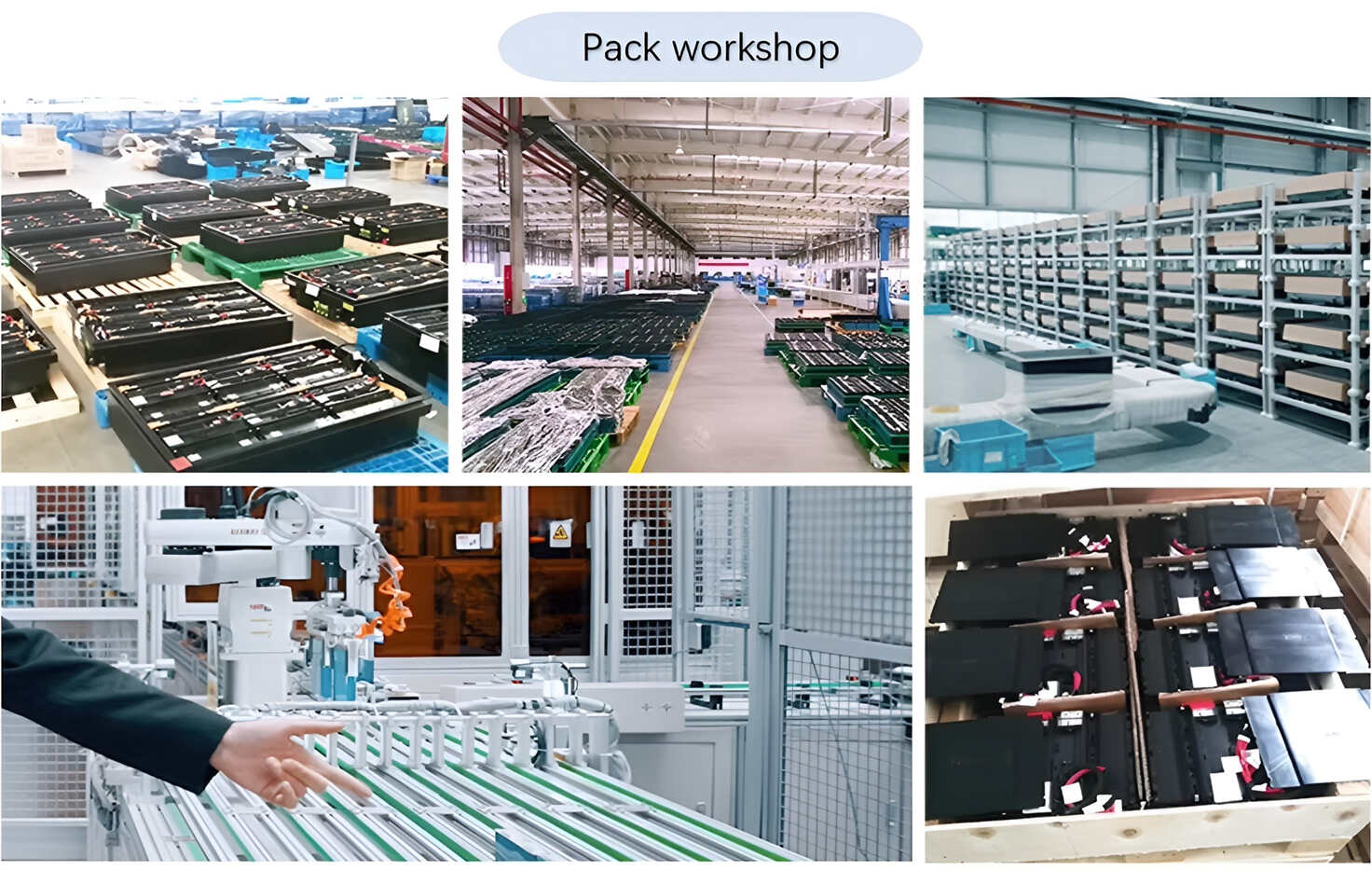
We supply customized & OEM battery pack, assemble cells with wiring, fuse and plastic cover, all the cell wires connected to PCB plug or built BMS.
Applications: E-bike, Electric Scooter, Golf Carts, RV, Electric Wheelchair, Electric Tools, Robot Cleaner, Robot Sweeper, Solar Energy Storage System, Emergency Light, Solar Power Light, Medical Equipment, UPS Backup Power Supply.
We can provide you with customized services. We have the ability to provide a vertical supply chain, from single cells to pack/module and to a complete power solution with BMS, etc.
HomSolar (Shenzhen) Technology Co., Ltd