Advances In Cycle Life: Unlocking Next-generation Energy Storage Through Material And Interface Engineering
The relentless global pursuit of sustainable energy and electrified transportation has placed unprecedented demands on electrochemical energy storage systems, particularly rechargeable batteries. At the heart of their long-term viability and economic feasibility lies a single, critical parameter: cycle life. It is the definitive metric of durability, quantifying the number of charge-discharge cycles a battery can endure before its capacity degrades to a specified percentage of its initial value. Recent scientific progress has moved beyond incremental improvements, focusing instead on a fundamental understanding and precise engineering of the materials and interfaces that govern degradation. This article explores the latest breakthroughs in extending cycle life across various battery chemistries, highlighting the synergistic strategies that are pushing the boundaries of longevity.
The Lithium-Ion Paradigm: Refining the Established Leader
While lithium-ion (Li-ion) batteries are commercially mature, research into extending their cycle life remains intensely active. The primary degradation mechanisms—cathode lattice instability, anode solid-electrolyte interphase (SEI) growth, and electrolyte depletion—are now being tackled with atomic-level precision.
A significant breakthrough has been the development and implementation of single-crystal cathode materials. Traditional cathodes like NMC (Lithium Nickel Manganese Cobalt Oxide) are composed of polycrystalline particles. During cycling, particularly at high voltages, anisotropic lattice strain and micro-crack formation at grain boundaries lead to parasitic side reactions and impedance growth. Single-crystal NMC cathodes, with their absence of grain boundaries, exhibit superior structural integrity. As demonstrated by Li et al. (2022), single-crystal NMC811 cathodes retained over 90% of their capacity after 2,000 cycles, far outperforming their polycrystalline counterparts. This structural robustness mitigates crack-induced degradation, fundamentally enhancing cycle life.
Concurrently, advancements in electrolyte engineering have been revolutionary. The quest for a stable SEI on graphite anodes has led to the design of novel electrolyte formulations. The use of fluorinated solvents and high-concentration electrolytes has proven highly effective. Fluorinated solvents, such as fluoroethylene carbonate (FEC), preferentially decompose to form a LiF-rich SEI. LiF possesses high mechanical strength and low ionic resistance, creating a passivating layer that remains stable over thousands of cycles, preventing continuous electrolyte decomposition. Furthermore, localized high-concentration electrolytes (LHCEs) create a solvation structure that promotes the formation of a robust, inorganic-rich SEI and cathode-electrolyte interphase (CEI), simultaneously protecting both electrodes. This dual-protection mechanism has been shown to enable high-nickel NMC/graphite cells to achieve over 1,000 cycles with minimal degradation.
Beyond Lithium-Ion: The Quest for Durable Next-Generation Chemistries
The push for higher energy density and the scarcity of lithium have spurred research into alternative chemistries, where cycle life is the principal barrier to commercialization.
For lithium-sulfur (Li-S) batteries, with their exceptional theoretical energy density, the cycle life has historically been plagued by the polysulfide shuttle effect. Recent strategies involve the design of multifunctional sulfur hosts and interlayers. For instance, catalysts such as single-atom cobalt embedded in nitrogen-doped graphene have been shown to accelerate the conversion kinetics of lithium polysulfides to insoluble Li2S, drastically reducing shuttle effect. Coupled with novel polymer binders that chemically trap polysulfides within the cathode, researchers have demonstrated Li-S cells that can withstand over 500 cycles with a low capacity decay rate of less than 0.05% per cycle.
In the realm of sodium-ion batteries, seen as a potential successor for large-scale storage, cycle life is closely tied to the stability of the cathode structure. Prussian white analogues and layered oxide materials suffer from phase transitions and metal dissolution. The application of elemental doping and surface coating has yielded remarkable improvements. Doping with elements like magnesium or titanium stabilizes the crystal lattice, while a thin, conformal coating of Al2O3 or carbon via atomic layer deposition (ALD) physically isolates the cathode from the electrolyte, suppressing side reactions. These approaches have enabled high-performance sodium-ion cells to achieve cycle lives exceeding 3,000 cycles, making them increasingly competitive for grid storage applications.
Perhaps the most promising frontier is the development of all-solid-state batteries (ASSBs). By replacing the flammable liquid electrolyte with a solid-state conductor, ASSBs promise superior safety and, potentially, a much longer cycle life by suppressing lithium dendrite growth. The key challenge has been the unstable interface between the solid electrolyte (e.g., sulfide-based LGPS) and the high-capacity lithium metal anode. A landmark study by Lee et al. (2023) introduced an interlayer engineering strategy, depositing a thin, ductile lithiophilic layer (e.g., Au or Si) between the Li metal and the solid electrolyte. This interlayer promotes uniform lithium plating/stripping and acts as a physical barrier, preventing dendrite penetration. Such interface control has resulted in ASSB cells that maintain stable cycling for over 1,000 cycles with high coulombic efficiency, a critical step towards practical application.
Future Outlook and Concluding Remarks
The trajectory of cycle life research is clear: a shift from bulk material optimization to the precise control of interfaces and the utilization of advanced diagnostics. The future will be shaped by several key trends.
First, the integration of multimodal and in-situ/operando characterization techniques—such as synchrotron X-ray tomography, cryo-electron microscopy, and NMR spectroscopy—will provide unprecedented, real-time visualization of degradation processes, guiding targeted material design.
Second, the role of artificial intelligence and machine learning will expand dramatically. AI can analyze vast datasets from testing and characterization to identify hidden correlations between synthesis parameters, material properties, and cycle life, accelerating the discovery of novel electrolyte formulations and optimal doping elements.
Finally, the concept of self-healing materials represents a paradigm shift. Polymers and composites that can autonomously repair micro-cracks or reform a damaged SEI during cycling could ultimately render some degradation mechanisms obsolete, opening the door to batteries with near-infinite cycle life.
In conclusion, the advances in cycle life are a testament to the power of fundamental science in solving applied engineering challenges. Through sophisticated material design, from single-crystal cathodes to tailored electrolytes and engineered interfaces, we are systematically dismantling the barriers to ultra-long-lived energy storage. As these technologies mature and converge, the vision of batteries that reliably power our devices, vehicles, and grids for decades is steadily transitioning from ambition to imminent reality.
References:Li, J., et al. (2022). "Origin of the Ultrahigh Cycling Stability of Single-Crystal Ni-Rich NCM Cathodes."Advanced Energy Materials, 12(15), 2103036.Lee, Y.-G., et al. (2023). "Stable All-Solid-State Lithium Metal Batteries Enabled by a Lithiophilic Hybrid Interlayer."Nature Energy, 8, 360-370.Cheng, X.-B., et al. (2021). "A Review of Solid Electrolyte Interphases on Lithium Metal Anode."Advanced Science, 8(7), 2003092.Pang, Q., et al. (2022). "Designing Catalytic Hosts for Long-Life Lithium-Sulfur Batteries."Joule, 6(6), 1129-1152.
Customized/OEM/ODM Service
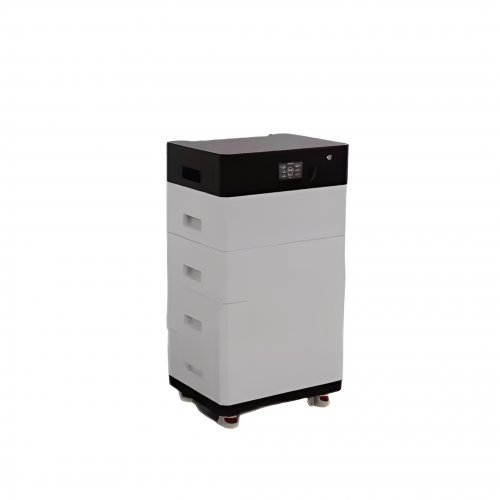
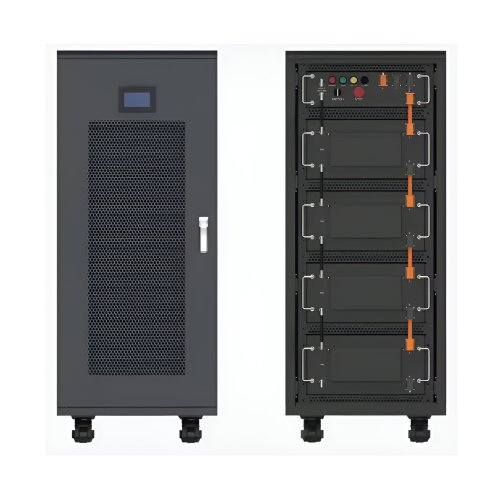
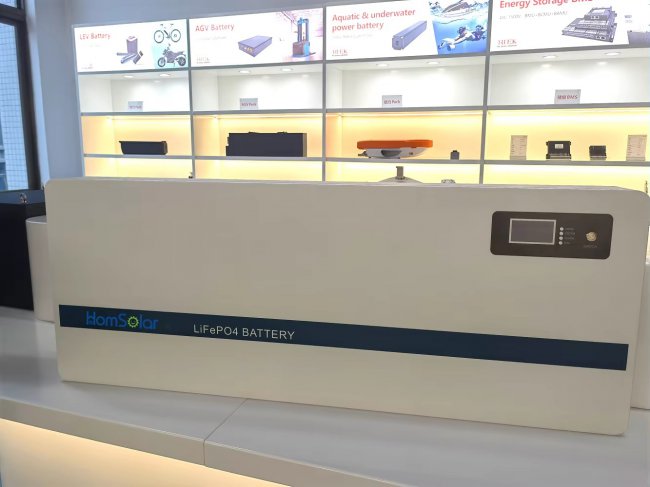
HomSolar Supports Lifepo4 battery pack customization/OEM/ODM service, welcome to contact us and tell us your needs.

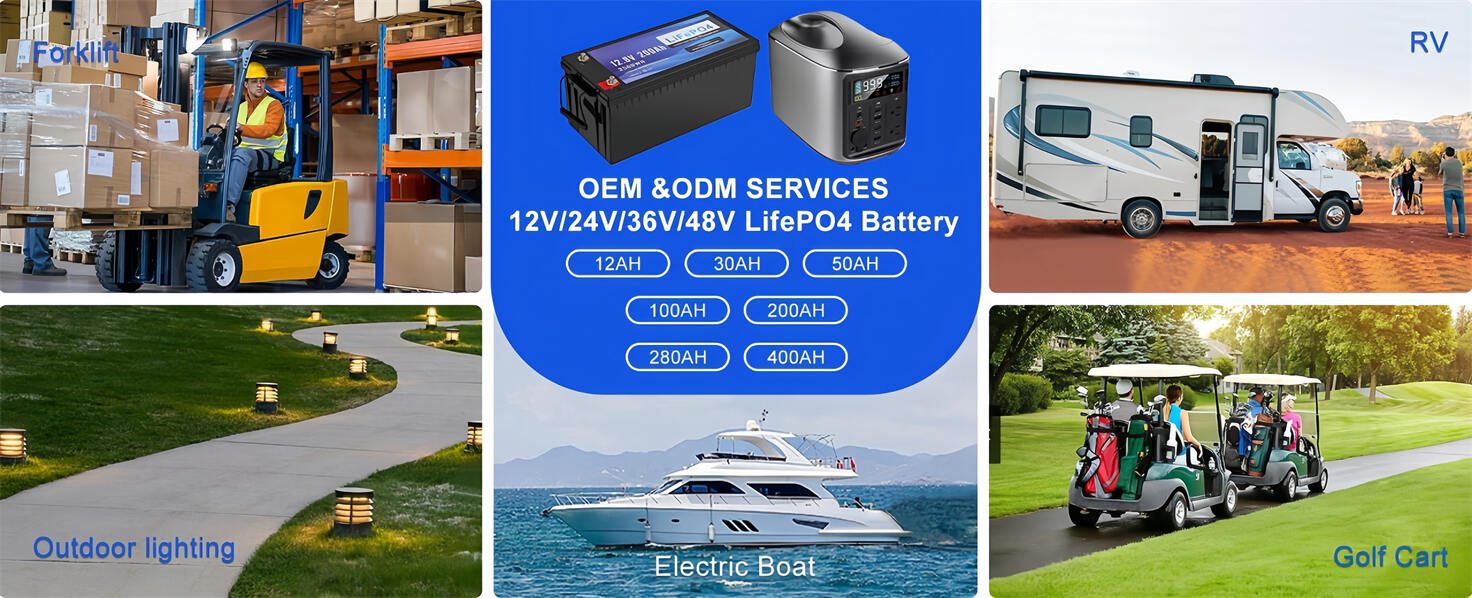
HomSolar: Your One-stop LiFePO4 Battery Pack & ESS Solution Manufacturer
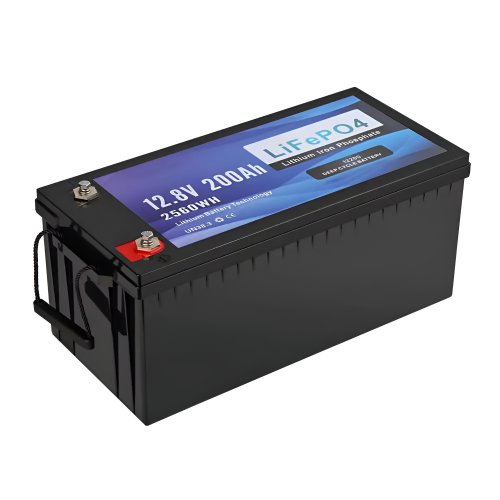
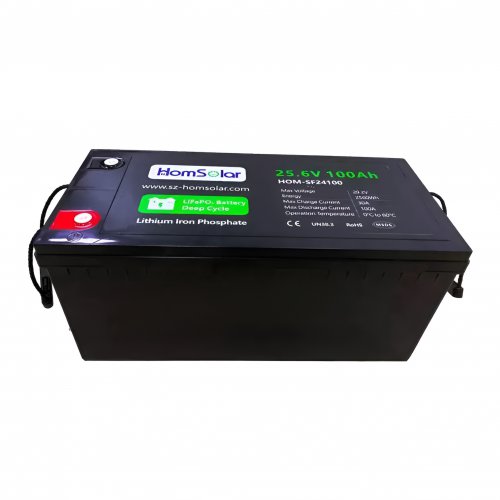
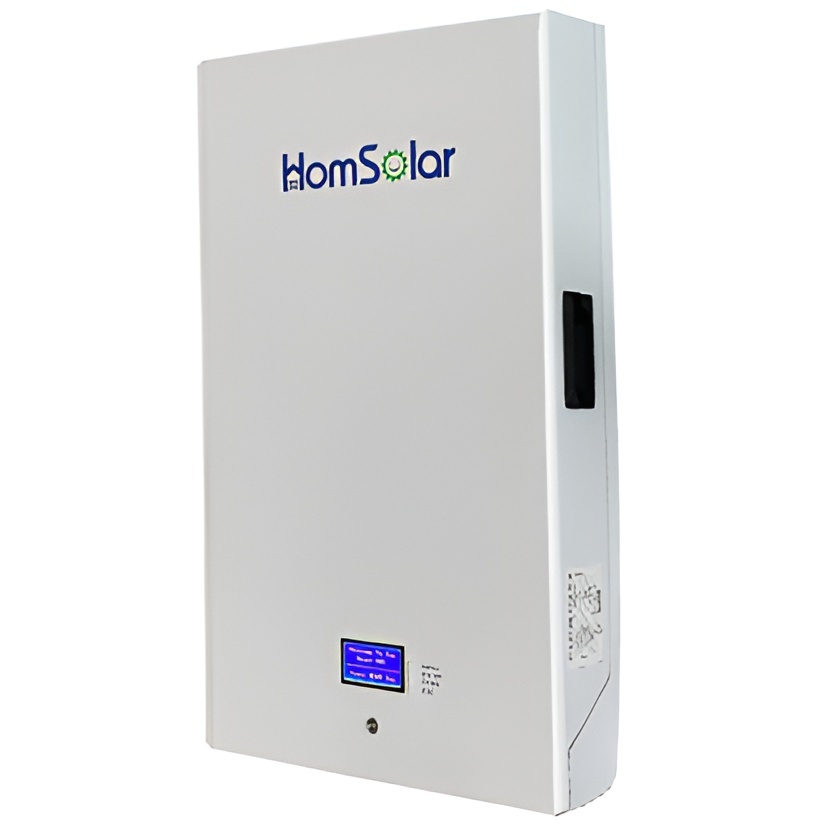
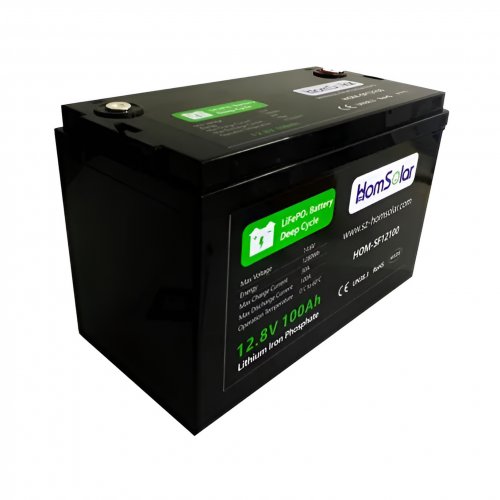
Our line of LiFePO4 (LFP) batteries offer a solution to demanding applications that require a lighter weight, longer life, and higher capacity battery. Features include advanced battery management systems (BMS), Bluetooth® communication and active intelligent monitoring.
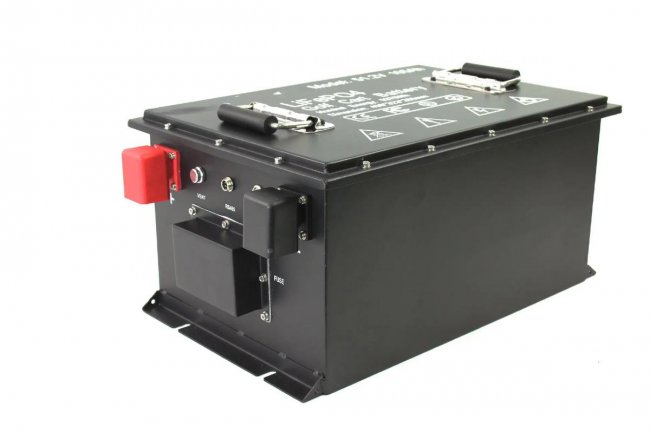
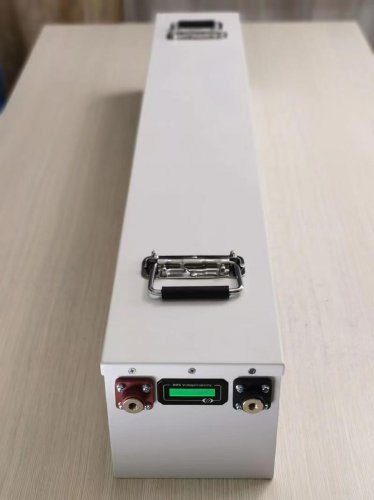
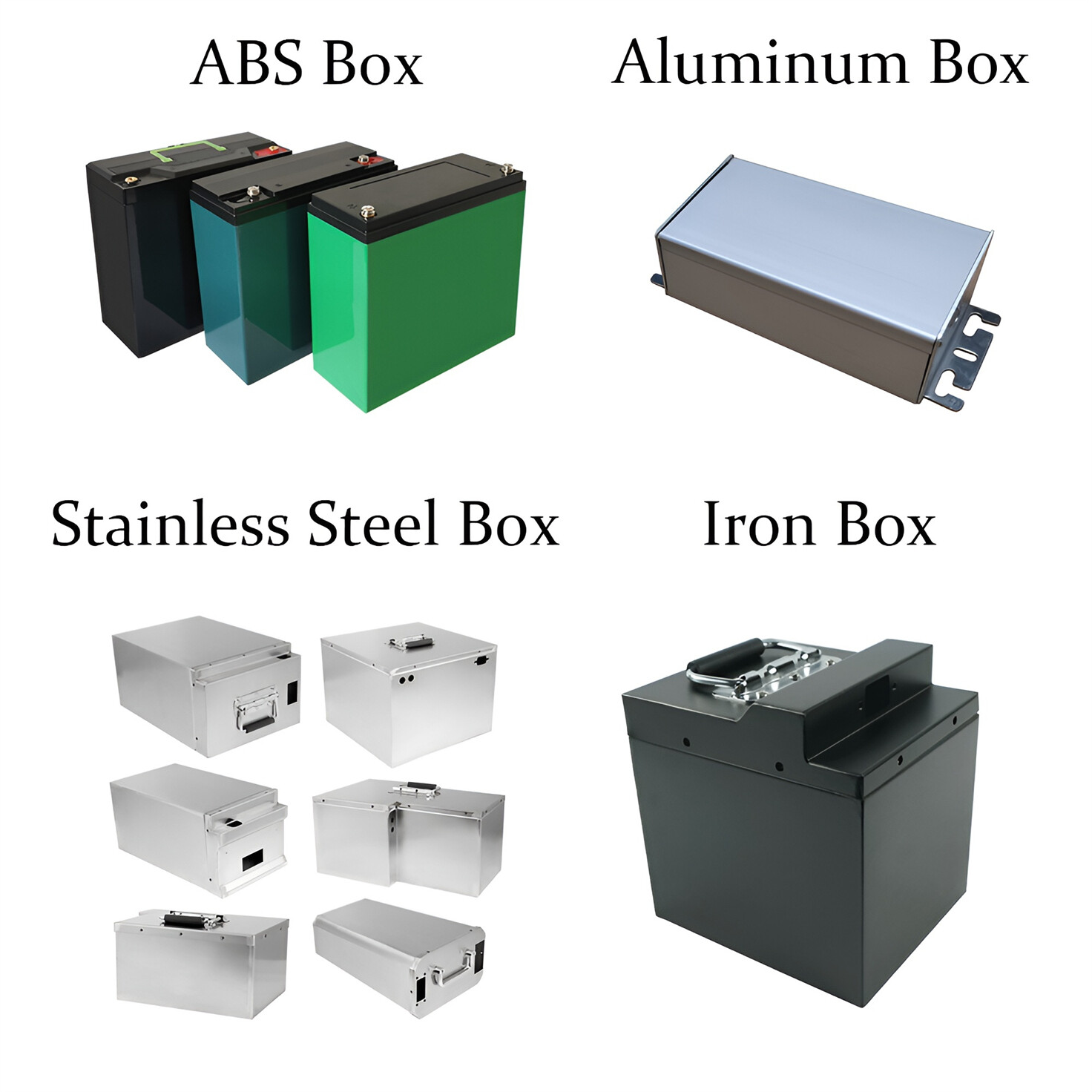
Customised Lithium Iron Phosphate Battery Casing
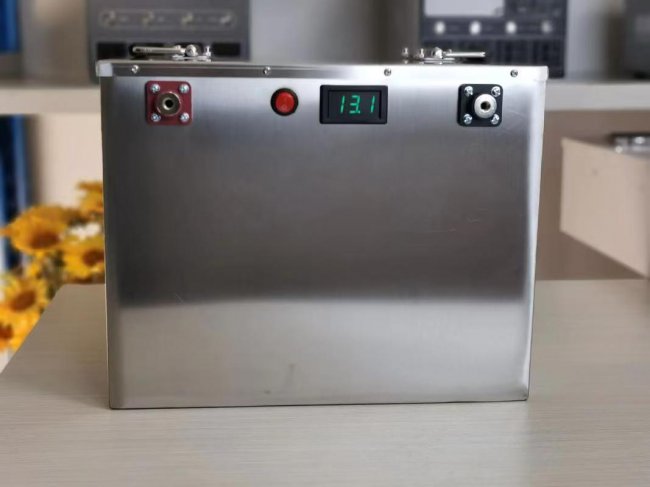
ABS plastic housing, aluminium housing, stainless steel housing and iron housing are available, and can also be designed and customised according to your needs.
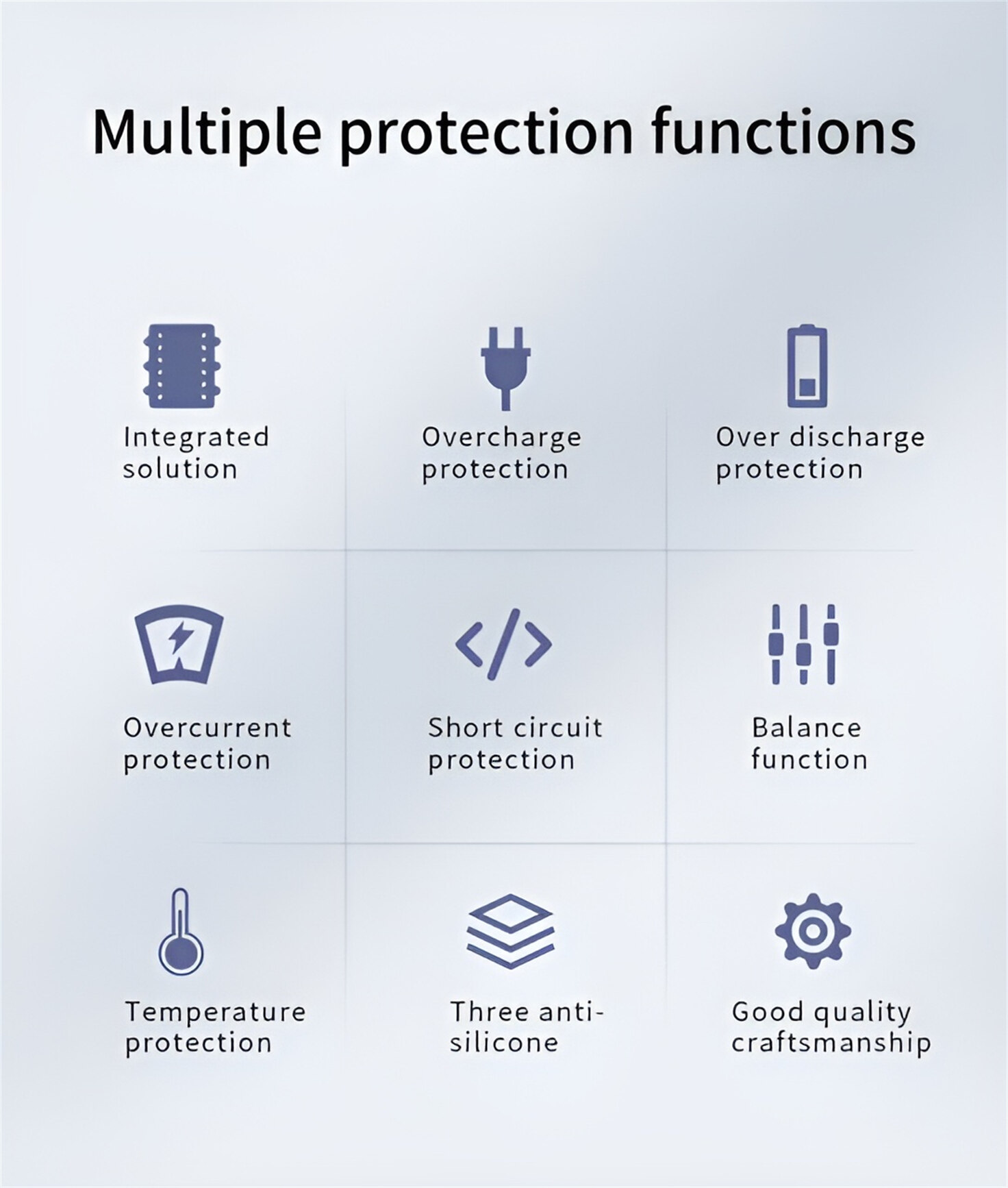
HomSolar Smart BMS
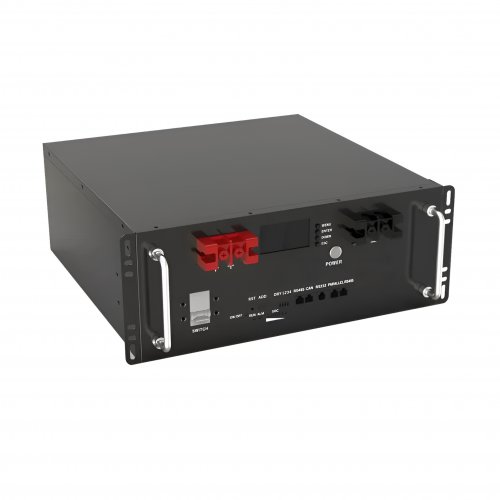
Intelligent Battery Management System for HomSolar Energy Storage System. Bluetooth, temperature sensor, LCD display, CAN interface, UART interface also available.

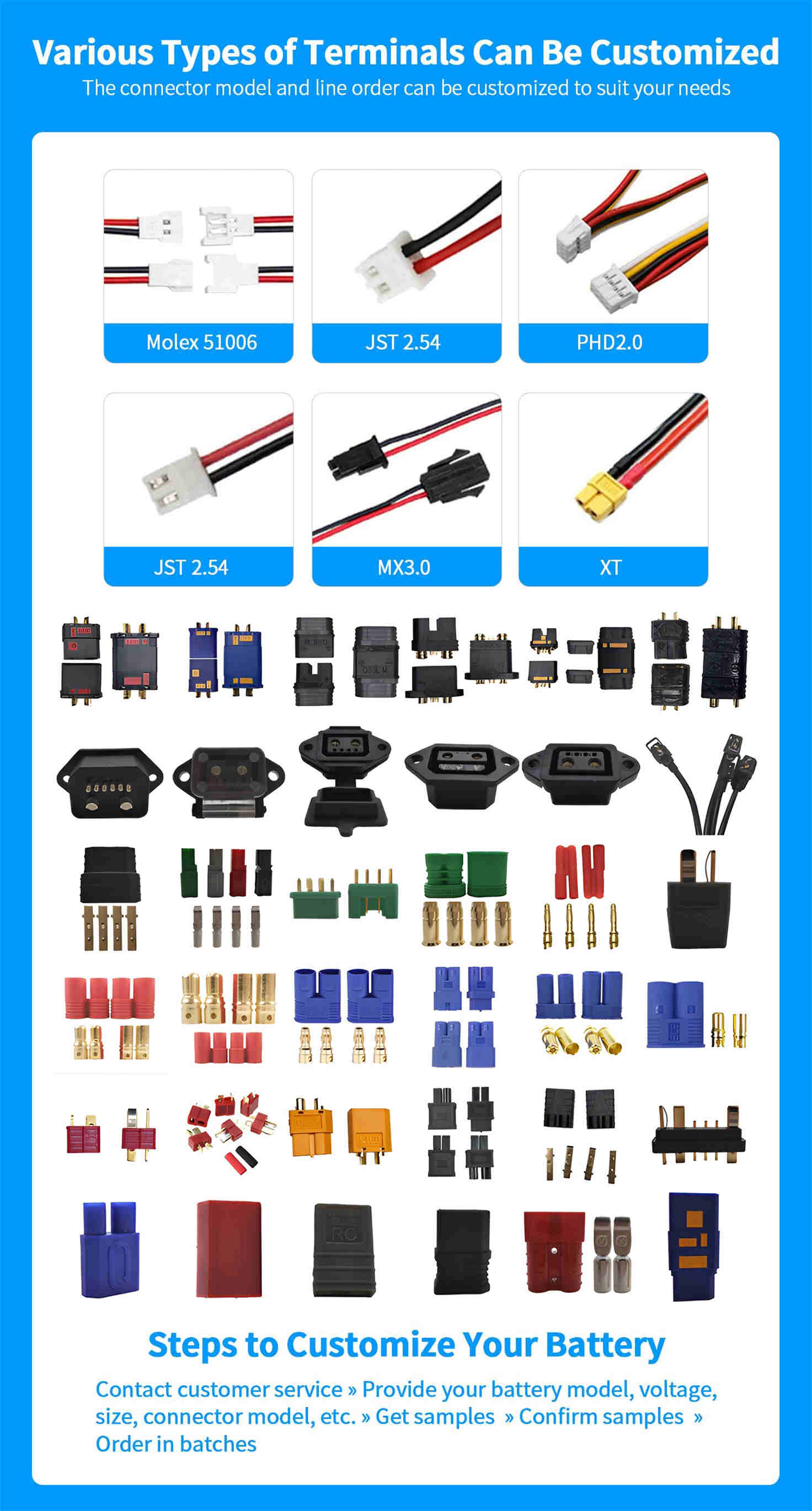
Terminals & Plugs Can Be Customized
A wide range of terminals and plugs can be customised to suit the application needs of your battery products.
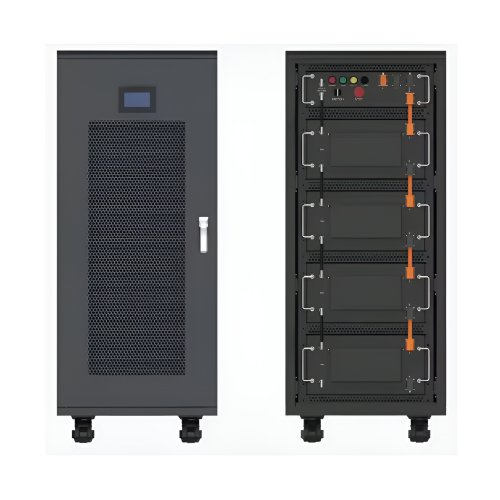
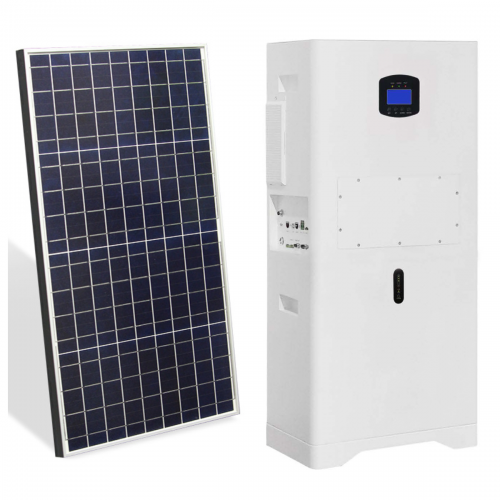
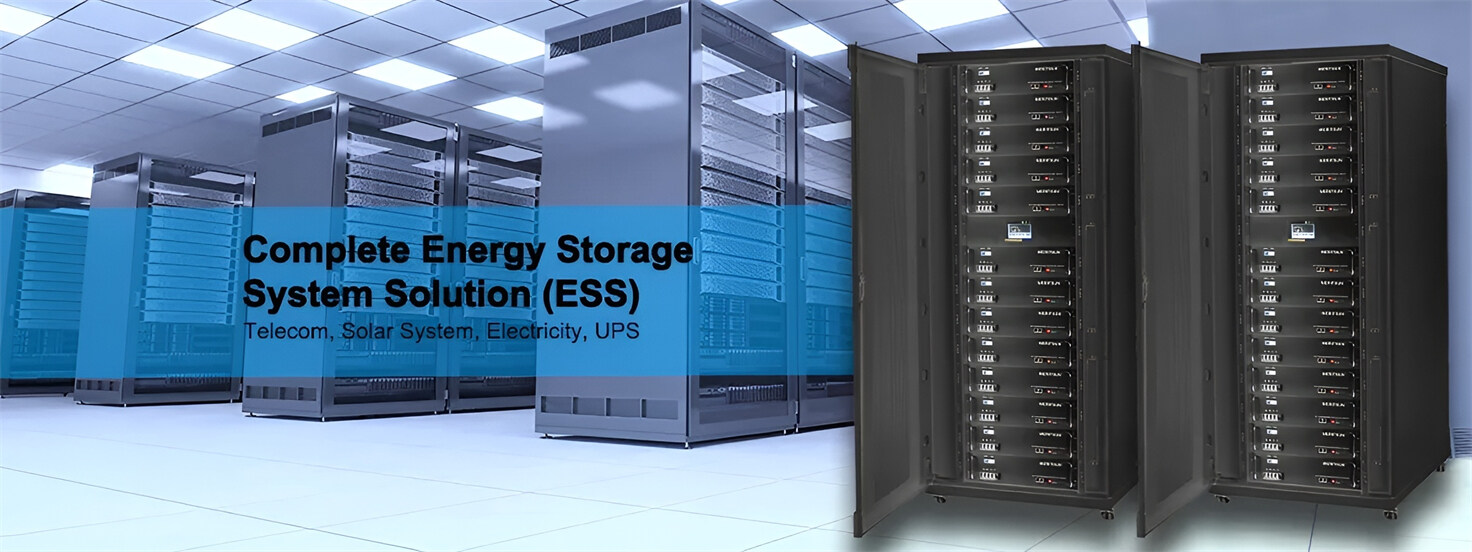
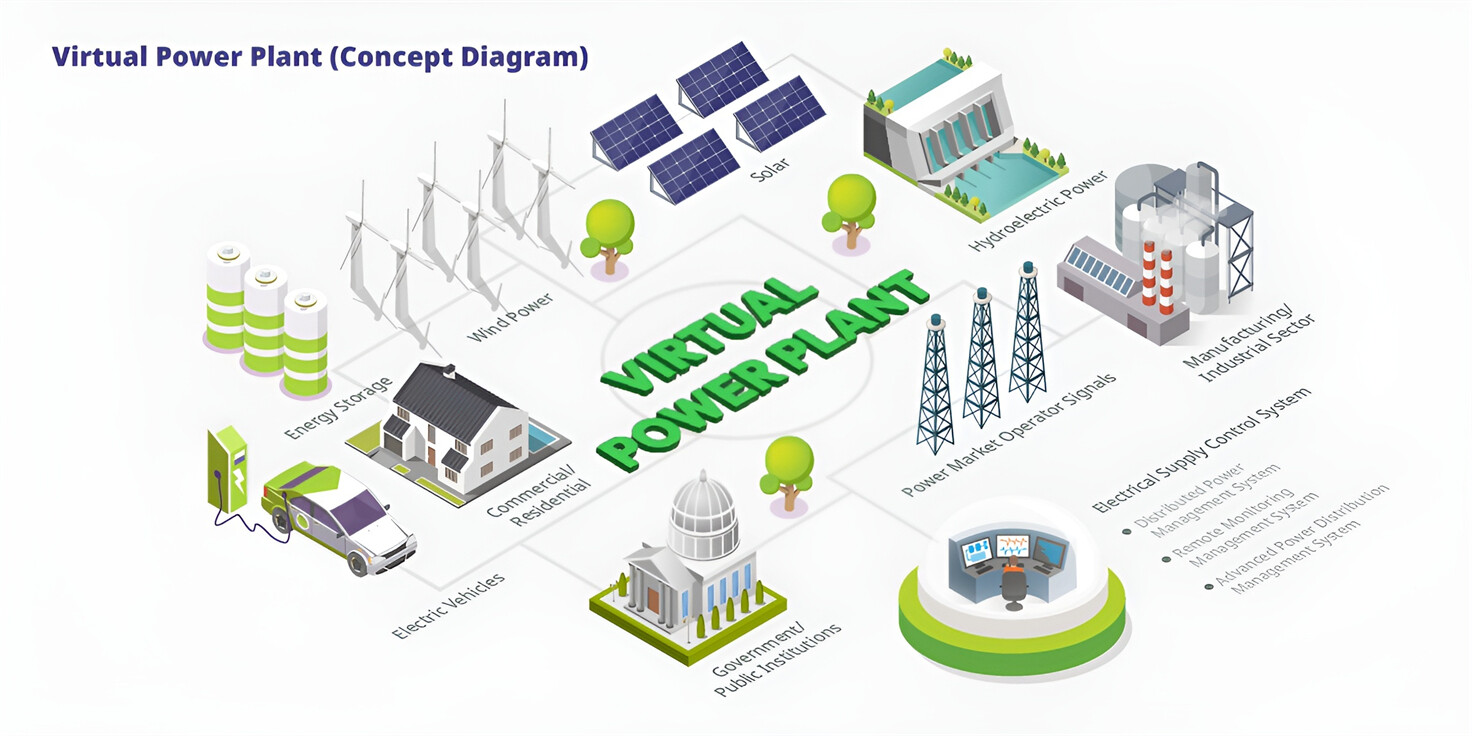
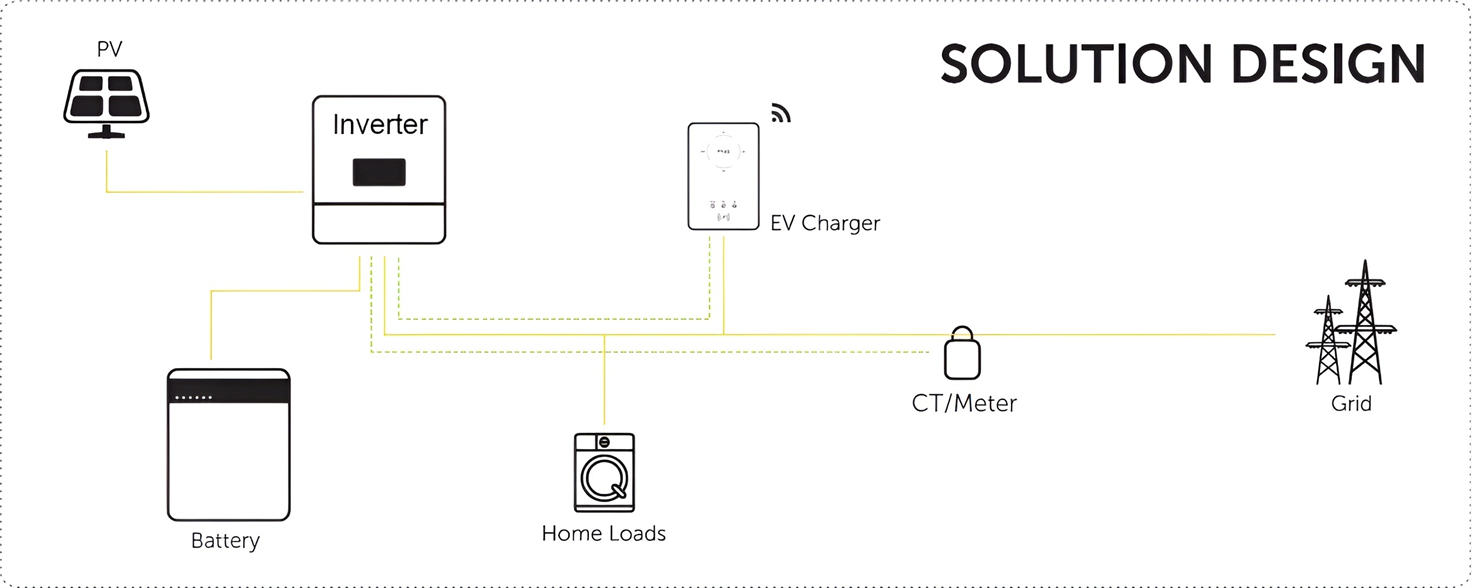
Well-designed Solutions for Energy Storage Systems
We will design the perfect energy storage system solution according to your needs, so that you can easily solve the specific industry applications of battery products.
About Our Battery Cells
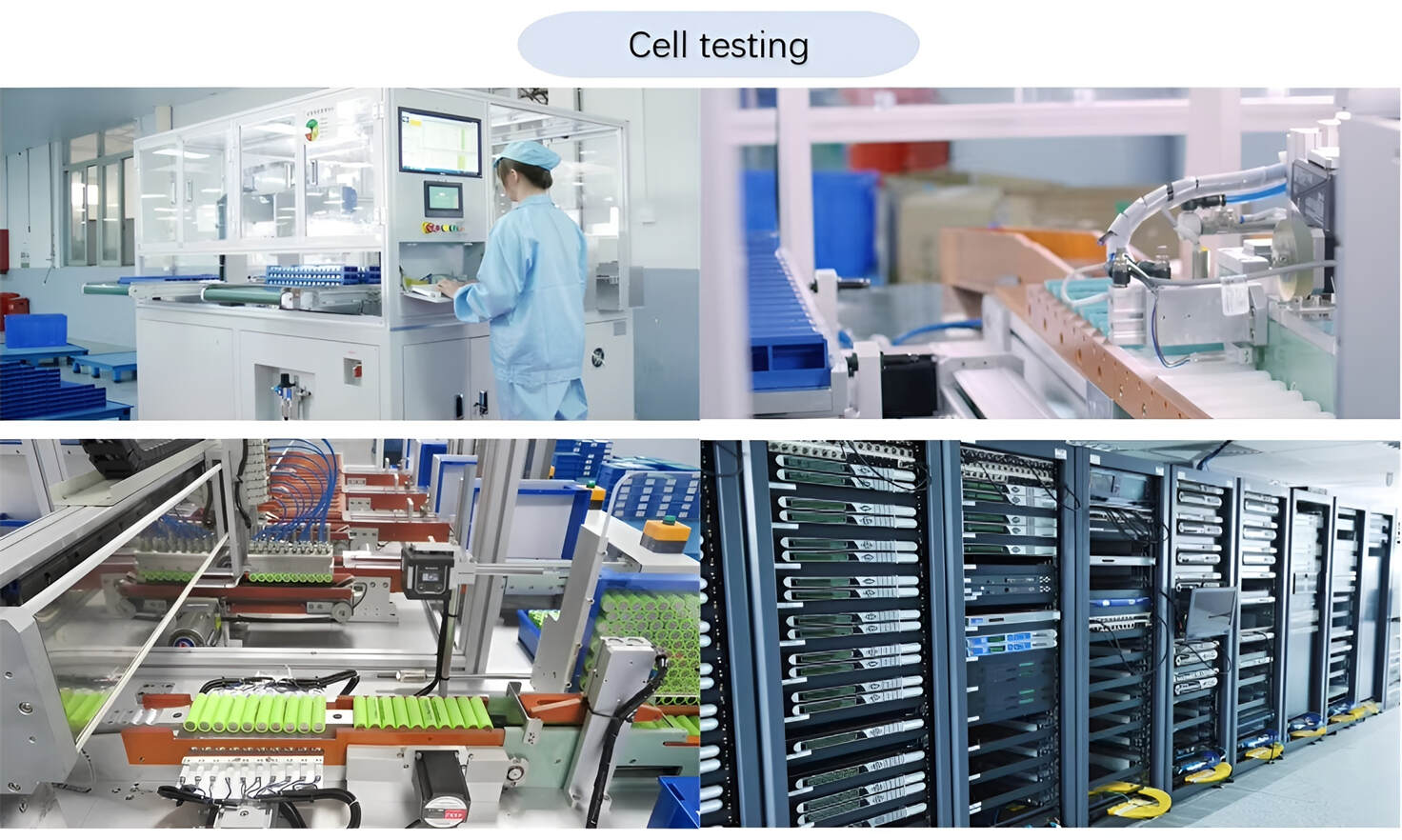
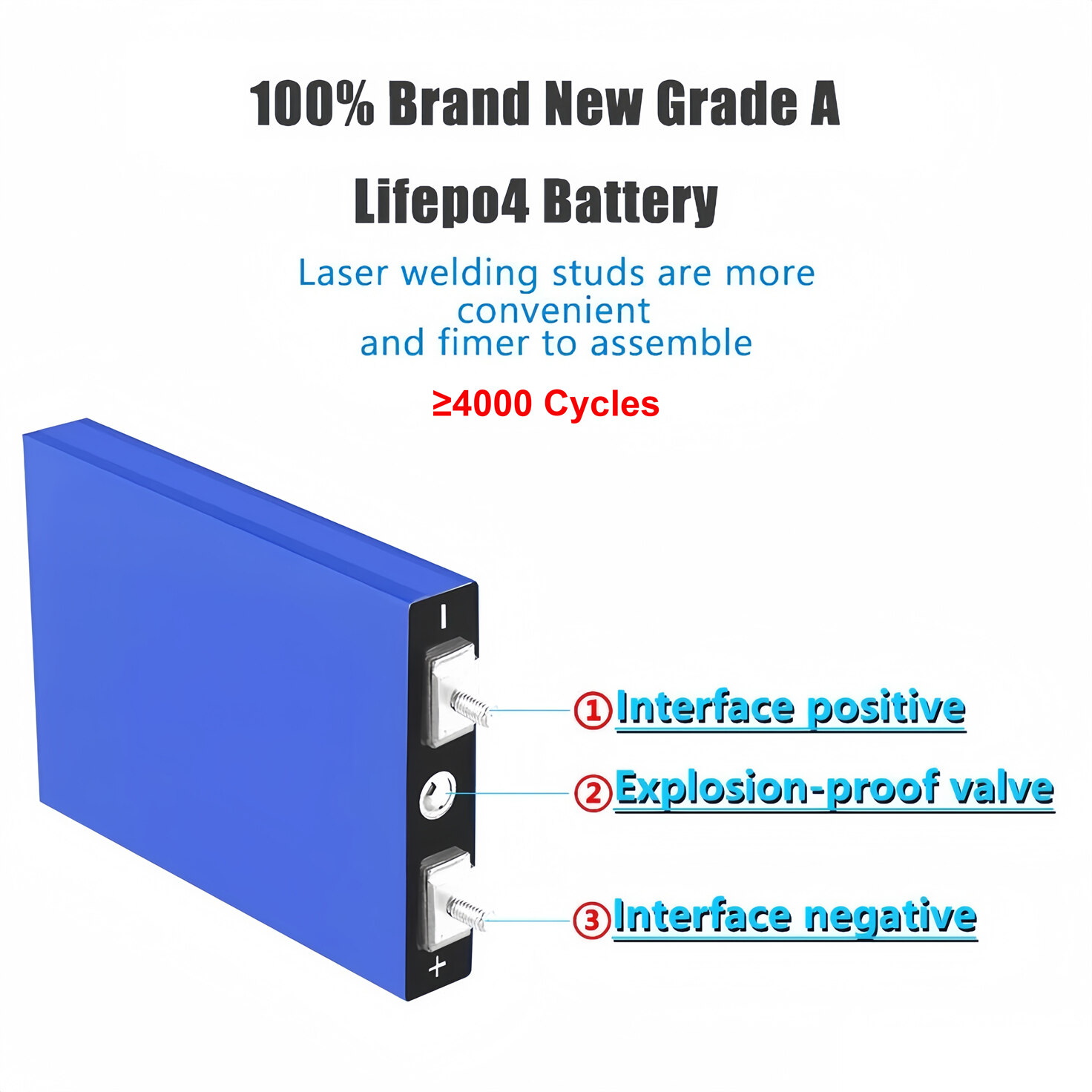
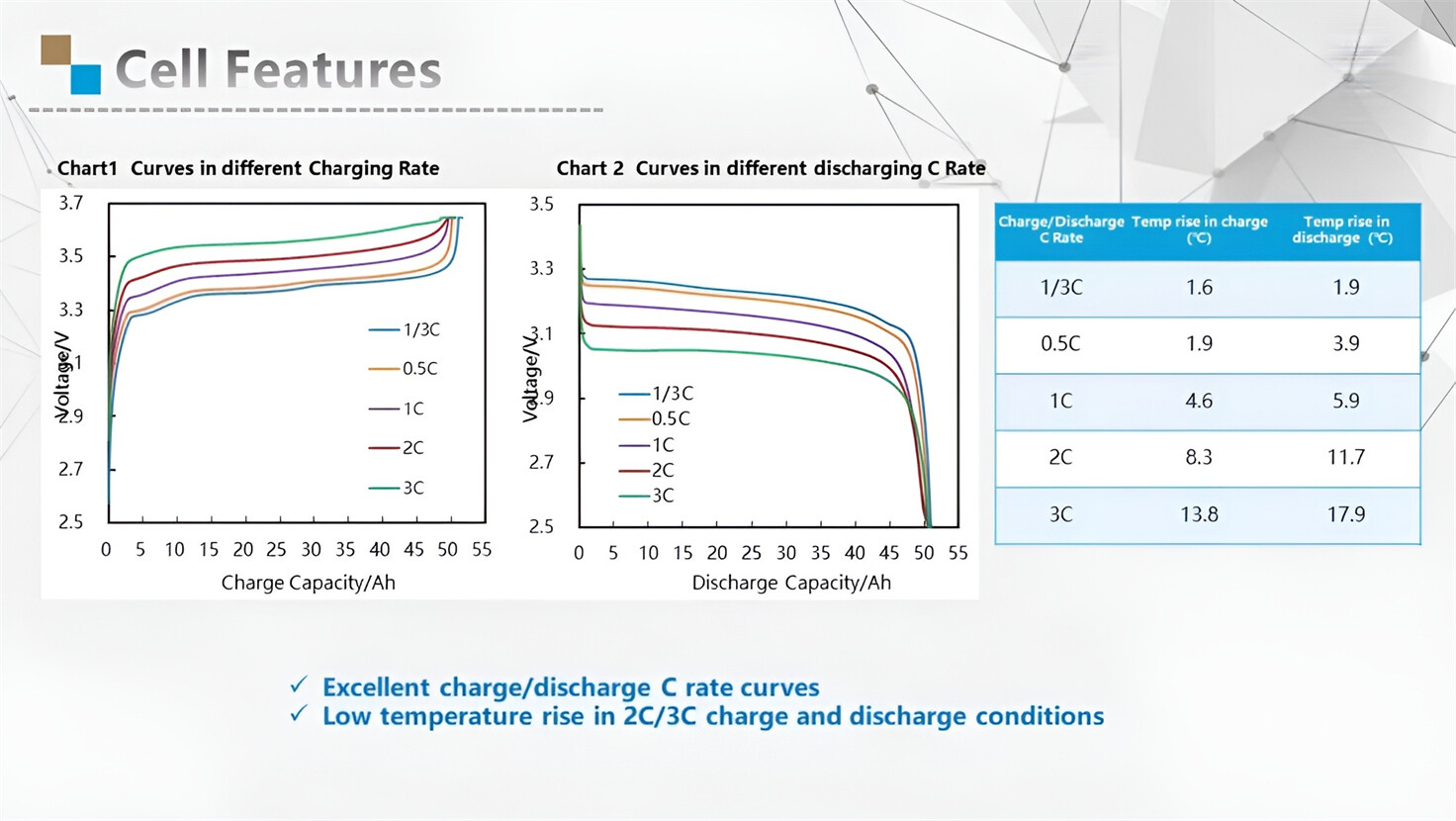
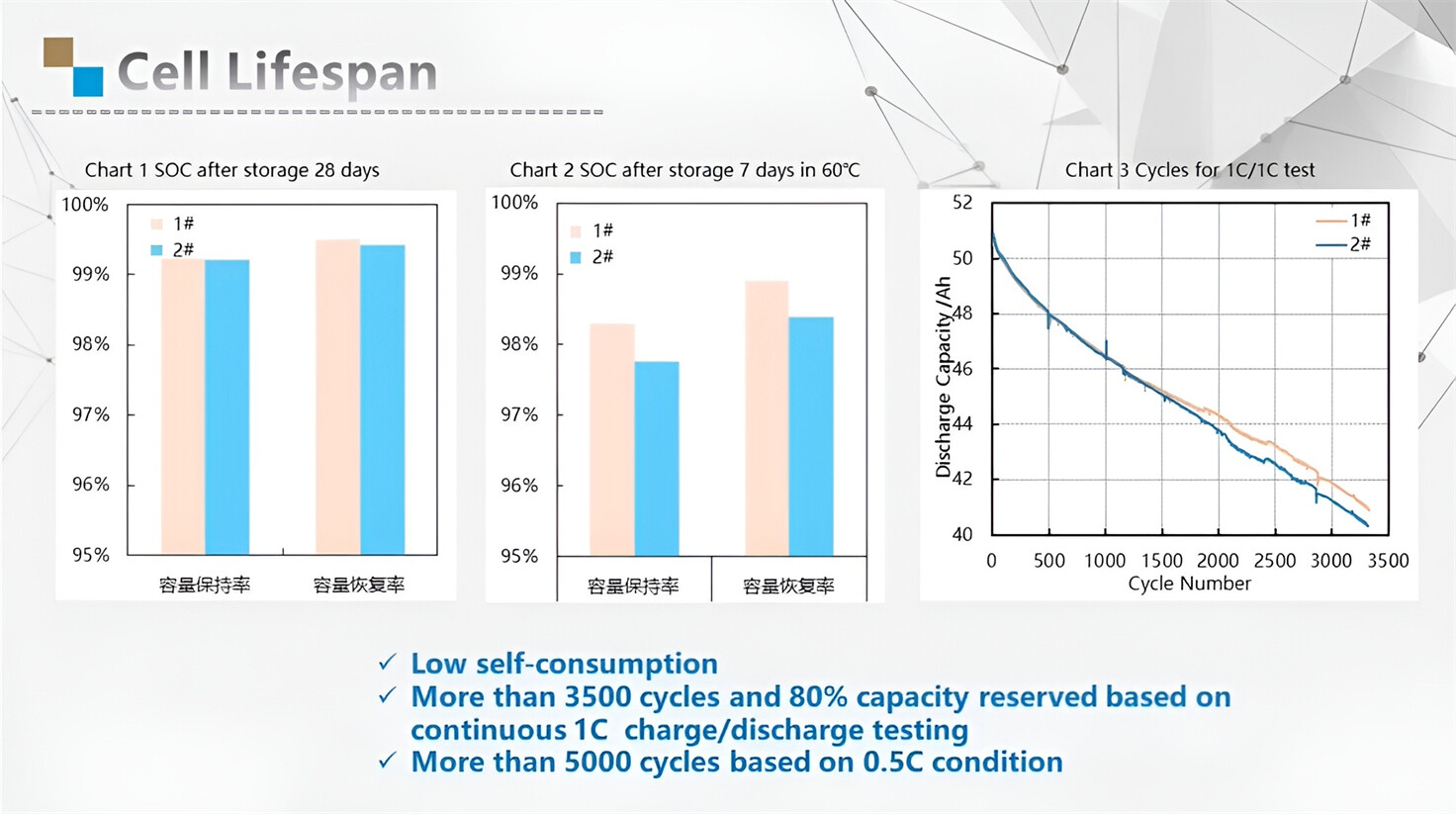
Our energy storage system products use brand new grade A LiFePO4 cells with a battery lifespan of more than 4,000 charge/discharge cycles.
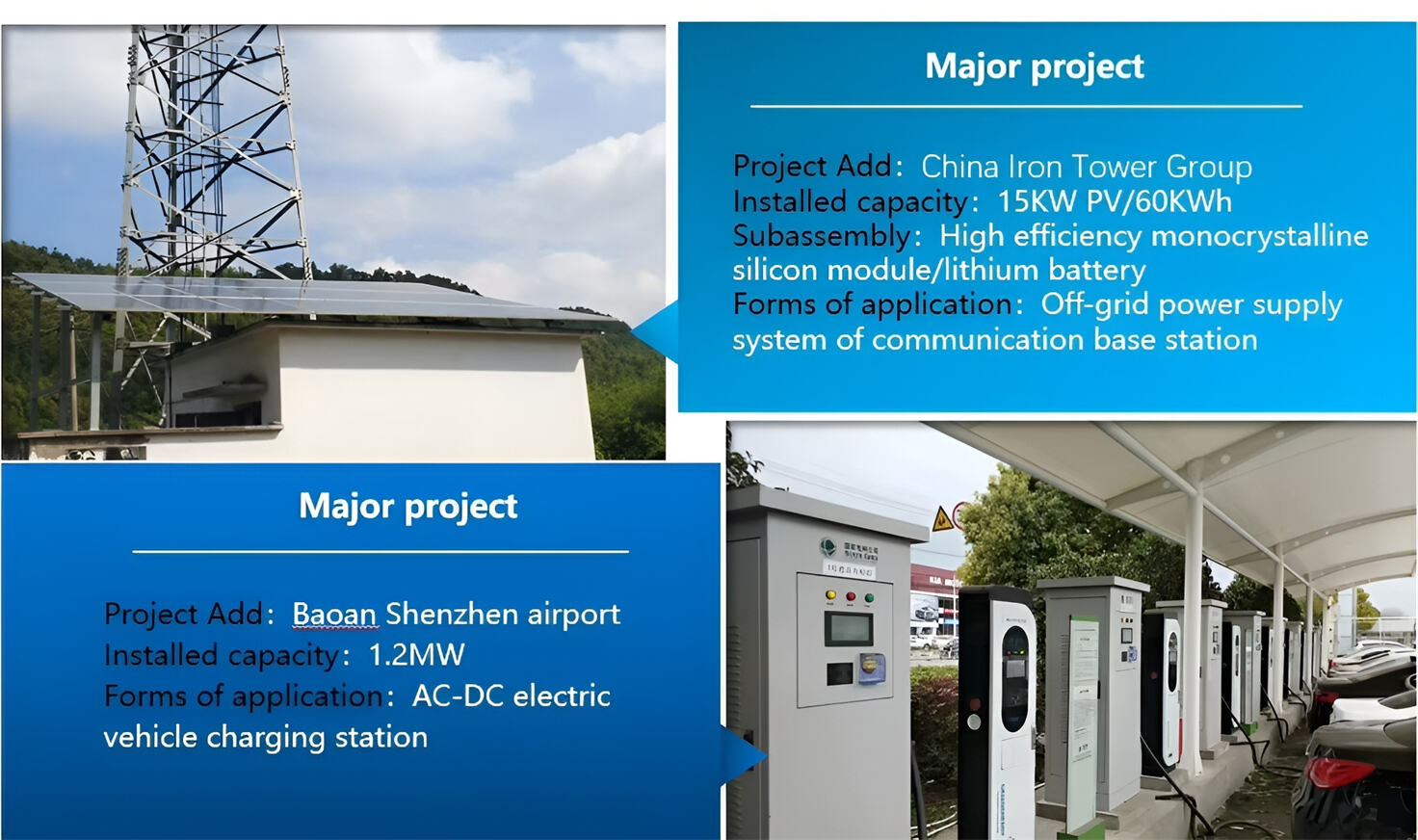
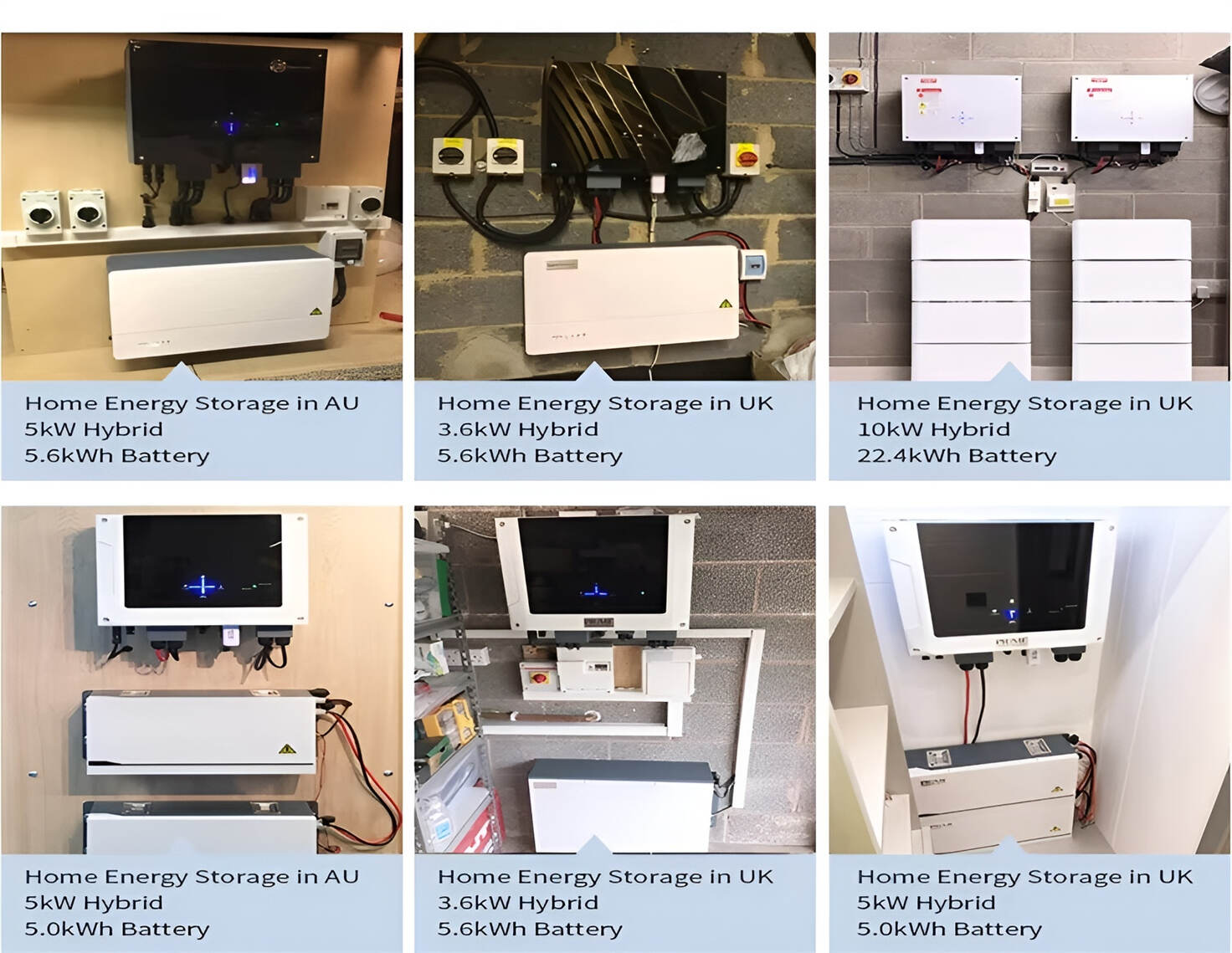
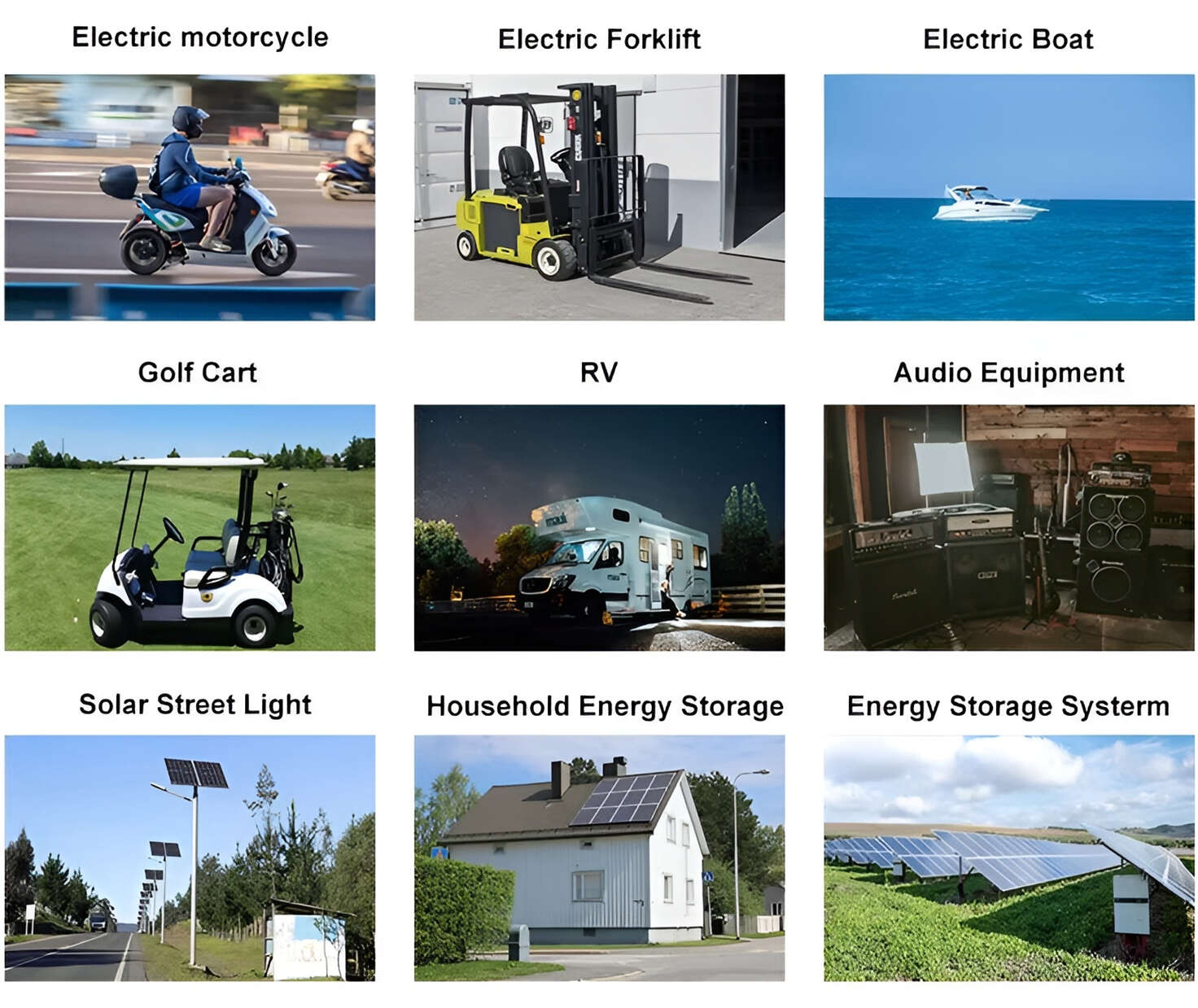
Applications in Different Industries
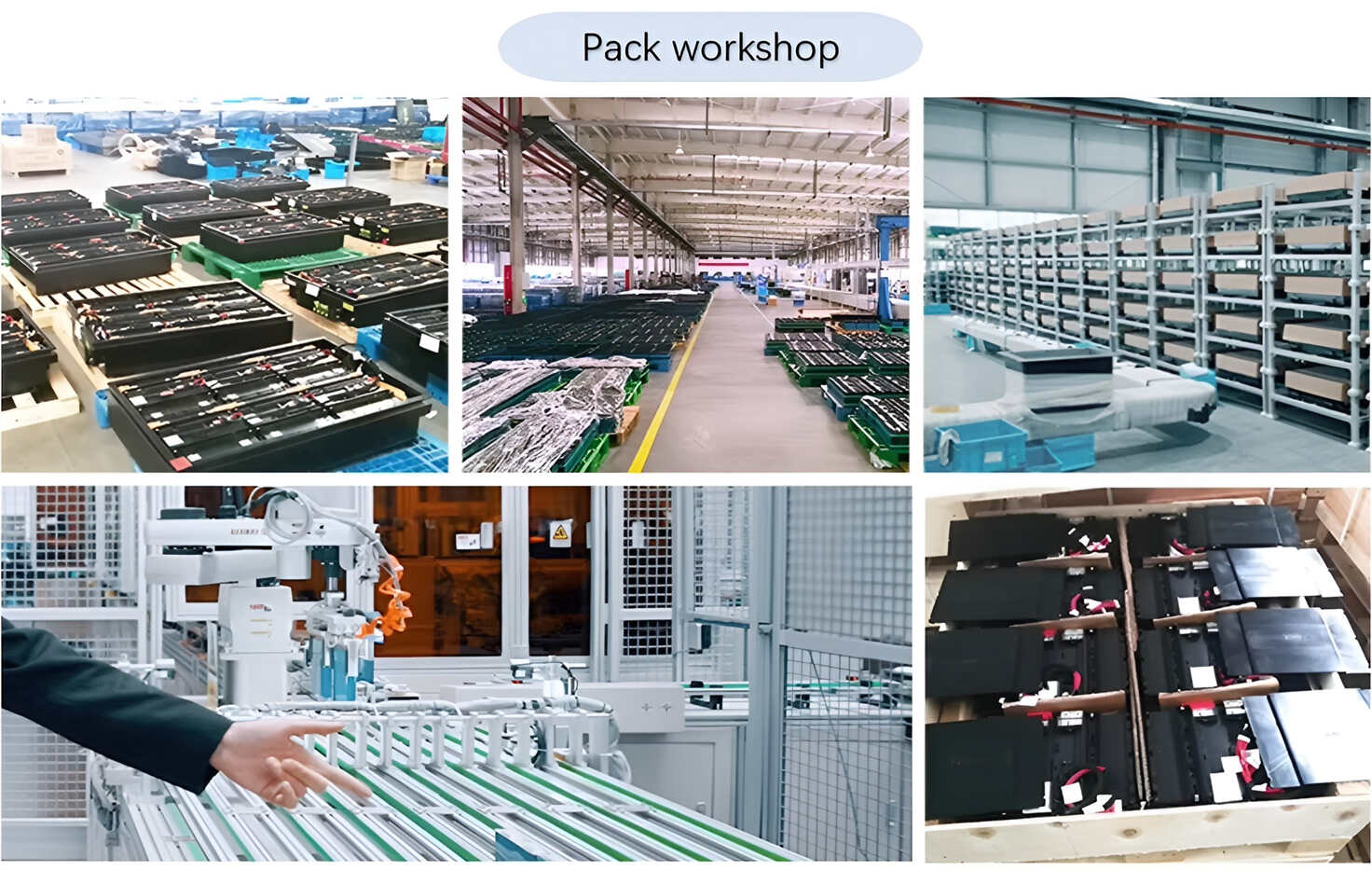
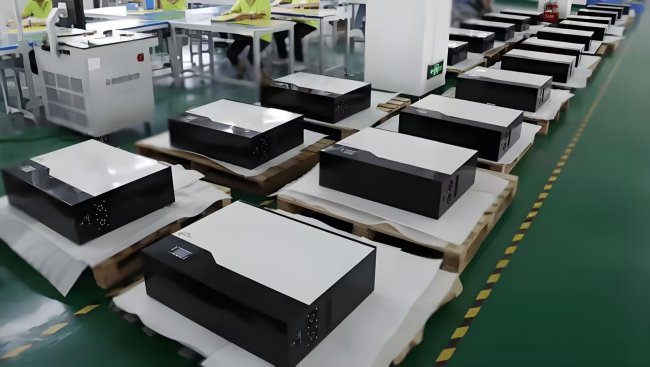
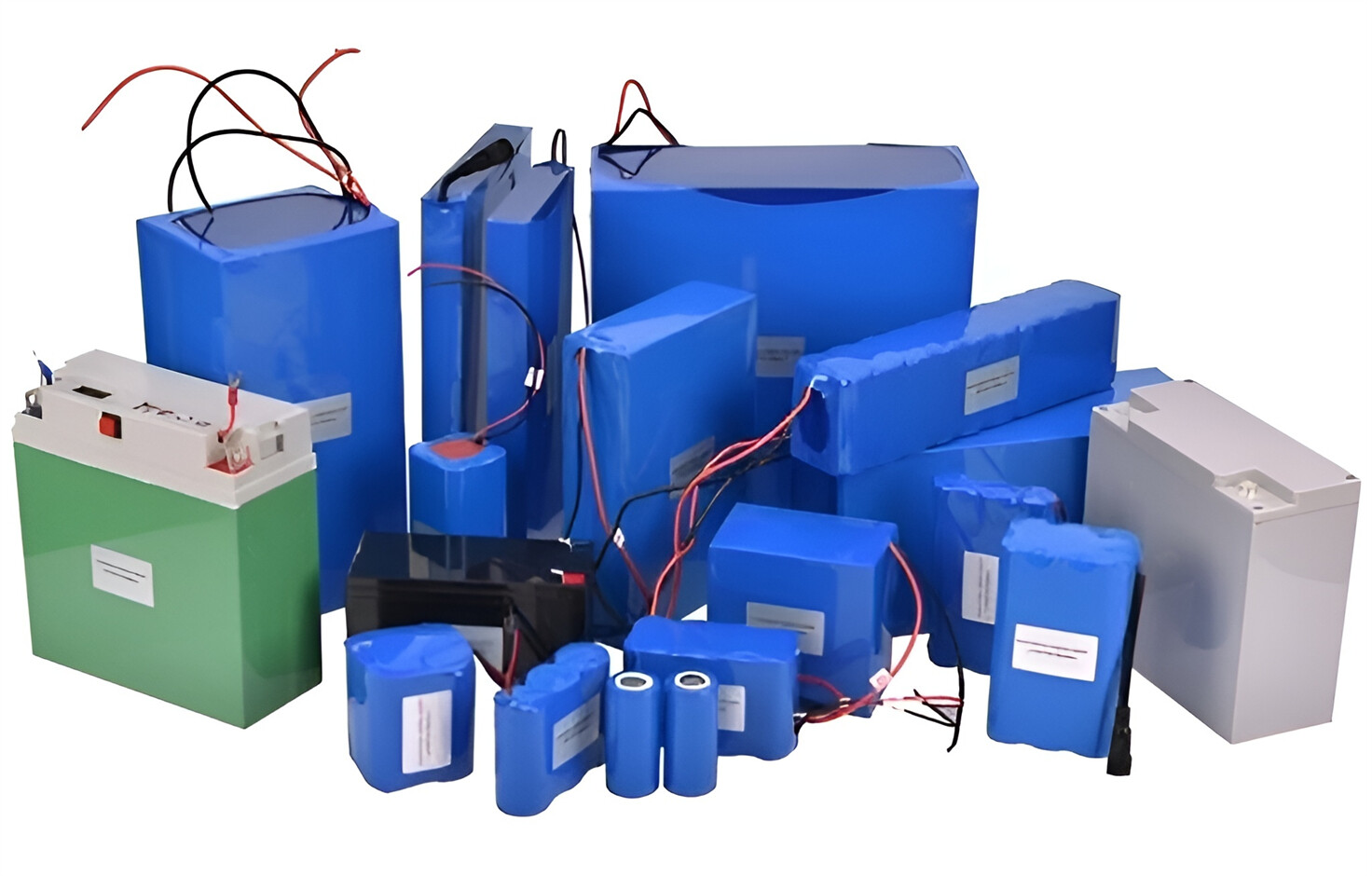
We supply customized & OEM battery pack, assemble cells with wiring, fuse and plastic cover, all the cell wires connected to PCB plug or built BMS.
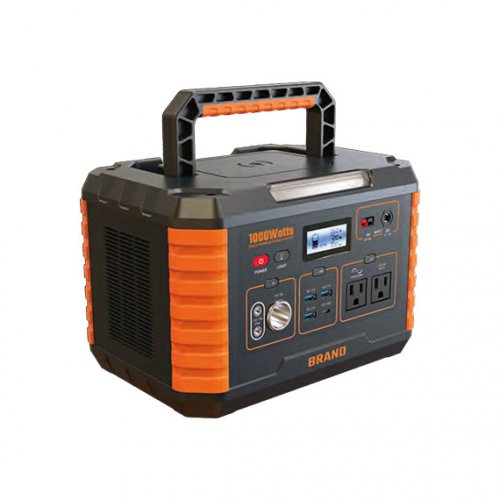
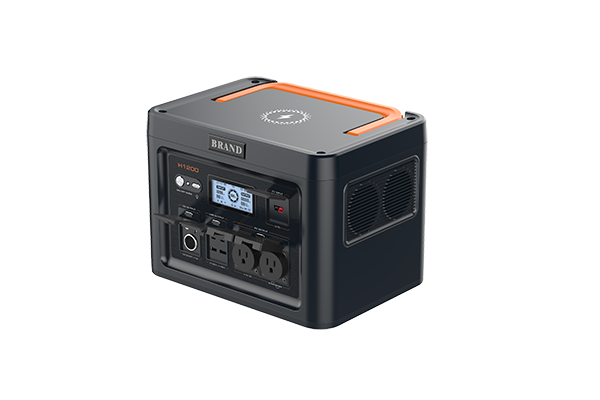
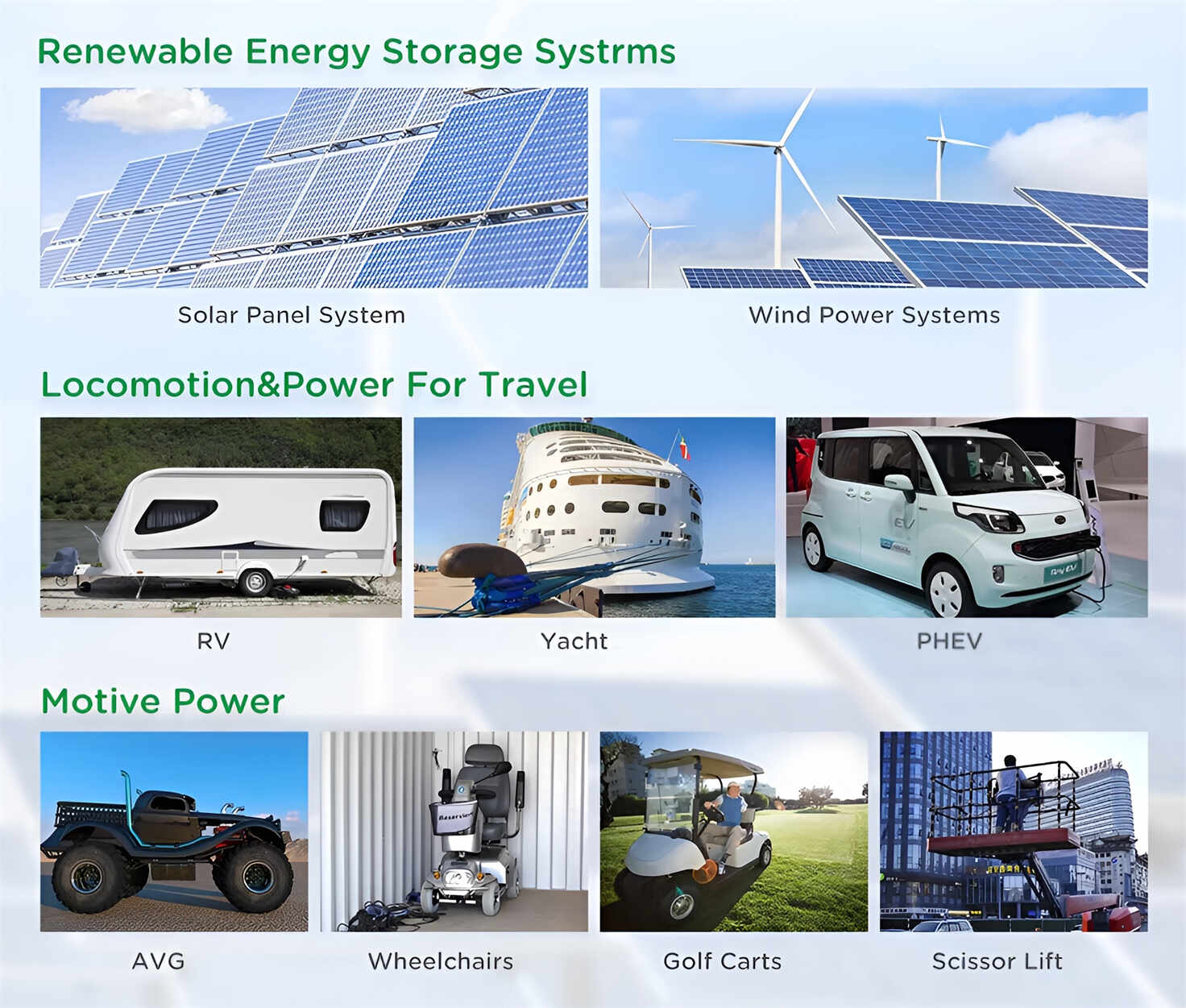
Applications: E-bike, Electric Scooter, Golf Carts, RV, Electric Wheelchair, Electric Tools, Robot Cleaner, Robot Sweeper, Solar Energy Storage System, Emergency Light, Solar Power Light, Medical Equipment, UPS Backup Power Supply.
We can provide you with customized services. We have the ability to provide a vertical supply chain, from single cells to pack/module and to a complete power solution with BMS, etc.
HomSolar (Shenzhen) Technology Co., Ltd