Advances In Composite Cathode: From Multi-scale Engineering To Next-generation Batteries
The relentless pursuit of high-performance energy storage systems has positioned the composite cathode as the linchpin in the evolution of secondary batteries, particularly lithium-ion (LIB) and emerging solid-state batteries (SSBs). A composite cathode is an intricately engineered structure, typically comprising active material particles, a conductive carbon network, and a polymeric binder, which together form the battery's positive electrode. Recent research has transcended traditional optimization of individual components, focusing instead on sophisticated multi-scale engineering and the integration of novel functionalities to overcome fundamental limitations in energy density, power capability, cycle life, and safety.
Latest Research and Technological Breakthroughs
1. Multi-scale Architecture Design: The paradigm has shifted from simply mixing components to architecting the cathode at multiple scales. At the nanoscale, core-shell and concentration-gradient structures have been refined to mitigate interfacial degradation. For instance, Ni-rich layered oxides (e.g., LiNixMnyCo1-x-yO2, NMC) are now being synthesized with a Mn-rich shell or a gradient composition that gradually changes from a Ni-rich core to a Mn-rich surface. This design effectively suppresses parasitic reactions at the cathode-electrolyte interface and improves structural integrity during cycling, thereby enhancing thermal stability and cycle life (Li et al., 2023). Concurrently, at the microscale, researchers are designing ordered porous structures via freeze-casting or templating methods. These architectures facilitate rapid ion and electrolyte transport, significantly reducing cell polarization at high charging rates and enabling ultra-fast charging capabilities.
2. Integration for Solid-State Batteries: The most profound advancements are occurring in the realm of SSBs. The traditional composite cathode design faces new challenges in a solid-state configuration, where poor solid-solid point contacts between rigid cathode particles and the solid electrolyte (SE) lead to high interfacial resistance. A groundbreaking approach involves creating a "cathode composite" where the active material, solid electrolyte (e.g., Li6PS5Cl, LLZO), and conductive carbon are co-sintered or intimately mixed at the particle level. Recent work has demonstrated the use of solvent-assisted processing and low-temperature sintering to form a percolating network of SE within the cathode layer, ensuring continuous Li+ pathways (Fan et al., 2024). Furthermore, the application of ultra-thin, conformal coatings of solid electrolytes or ductile ionic conductors directly onto cathode particles via atomic layer deposition (ALD) or chemical vapor deposition has proven effective in stabilizing the interface and reducing impedance, a critical step towards practical SSBs.
3. Interfacial Engineering and Cathode Electrolyte Interphases (CEI): The understanding and control of the interphase layer on cathode particles, the CEI, have deepened considerably. Instead of allowing its uncontrolled formation, researchers are now proactively constructing artificial CEI (ACEI) layers. These nanoscale coatings, comprising materials like Li3PO4, LiAlO2, or lithium halides, act as a physical barrier to prevent transition metal dissolution and inhibit oxidative decomposition of the electrolyte. A notable breakthrough is the in-situ formation of a fluorinated ACEI using novel electrolyte additives, which creates a robust, LiF-rich interface that is exceptionally stable against high voltages (>4.5 V vs. Li/Li+), enabling the use of high-capacity, high-voltage cathodes (Zhang et al., 2023).
4. Beyond Lithium-Ion: Sulfur and Air Systems: Composite cathode engineering is pivotal for next-generation chemistries. For lithium-sulfur (Li-S) batteries, the focus is on designing multifunctional host matrices. Recent studies highlight 3D porous scaffolds based on graphene/carbon nanotubes interwoven with polar catalysts such as single-atom dispersed metals (e.g., Co, Ni) or metal nitrides. These composites not only confine lithium polysulfides physically and chemically but also catalytically accelerate their conversion kinetics, tackling the notorious shuttle effect and sluggish redox reactions simultaneously (Chen et al., 2024). Similarly, for lithium-air batteries, composite cathodes featuring hierarchically porous carbon and dispersed redox mediators are being developed to manage the solid discharge products (Li2O2) and achieve high round-trip efficiency.
5. Advanced Binders and Sustainable Components: The humble binder has been re-envisioned as a functional component. Traditional polyvinylidene fluoride (PVDF) is being replaced by multifunctional binders, often water-processable and derived from sustainable sources. Conducting polymers like PEDOT:PSS, self-healing polymers, and binders with functional groups that chemically anchor to active material surfaces are gaining traction. These advanced binders enhance mechanical cohesion, improve electronic conductivity, and even participate in forming stable CEIs, contributing to overall electrode robustness and longevity while reducing environmental impact.
Future Outlook
The trajectory of composite cathode development points towards increasingly intelligent and multifunctional systems. Key future directions include:AI-Driven Material Discovery and Optimization: The complexity of multi-component, multi-scale composites makes them ideal candidates for AI and machine learning. These tools will accelerate the discovery of optimal compositions, architectures, and processing parameters, moving beyond trial-and-error approaches.Dynamic and Responsive Interfaces: The next frontier is "smart" composite cathodes with interfaces that can self-heal in response to mechanical cracks or dynamically adjust their transport properties during operation. Incorporating stimuli-responsive materials could lead to cathodes that prevent thermal runaway autonomously.Full Integration with Solid-State Systems: The ultimate goal for SSBs is the seamless integration of the cathode composite with the solid electrolyte separator, potentially as a monolithic structure. This requires breakthroughs in processing techniques that allow for co-sintering of dissimilar materials without detrimental reactions.Focus on Sustainability and Circularity: Future research must prioritize the use of abundant, low-cost, and environmentally benign materials. This includes developing efficient recycling protocols specifically designed for complex composite cathodes to recover valuable metals and regenerate functional components, closing the material loop.
In conclusion, the field of composite cathodes is undergoing a revolutionary transformation. Through sophisticated multi-scale engineering, targeted interfacial control, and the integration of novel functionalities, composite cathodes are poised to unlock the full potential of current lithium-ion technology and pave the way for the commercialization of next-generation batteries, powering a more sustainable and electrified future.
References:Chen, Y., et al. (2024). "Single-Atom Cobalt Decorated Carbon Nanoframework as a Multifunctional Host for High-Loading Lithium-Sulfur Batteries."Advanced Energy Materials, 14(10), 2304567.Fan, X., et al. (2024). "Solvent-Assisted Synthesis of Low-Impedance Cathode Composites for Sulfide-Based All-Solid-State Batteries."Nature Energy, 9(2), 145-155.Li, H., et al. (2023). "Engineering Concentration-Gradient Ni-Rich Cathodes with Superior Cyclability and Thermal Stability for Practical Lithium-Ion Batteries."Joule, 7(5), 1025-1046.Zhang, J., et al. (2023). "In-Situ Formation of a LiF-Rich Artificial Cathode Electrolyte Interphase for High-Voltage LiNi0.8Mn0.1Co0.1O2 Cathodes."Angewandte Chemie International Edition, 62(18), e202218634.
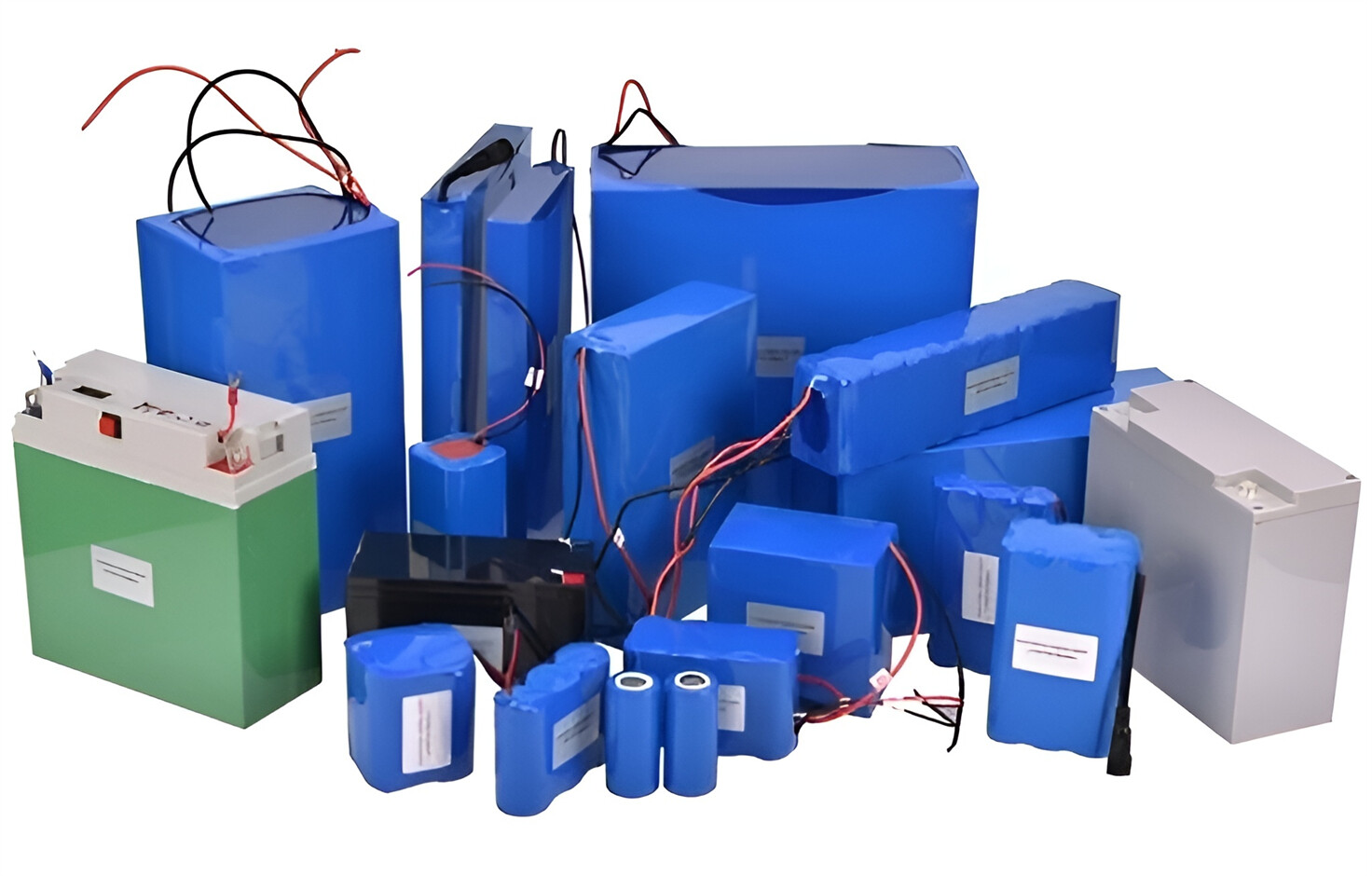
Customized/OEM/ODM Service
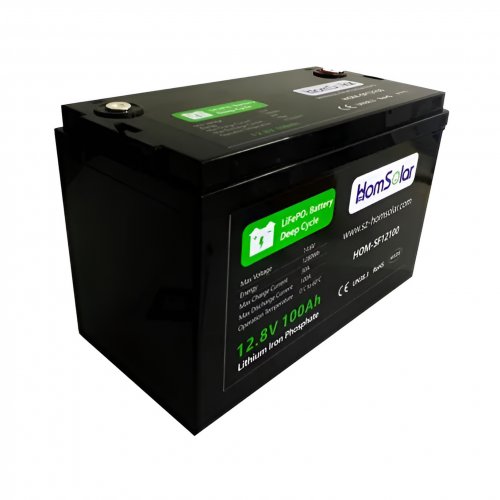
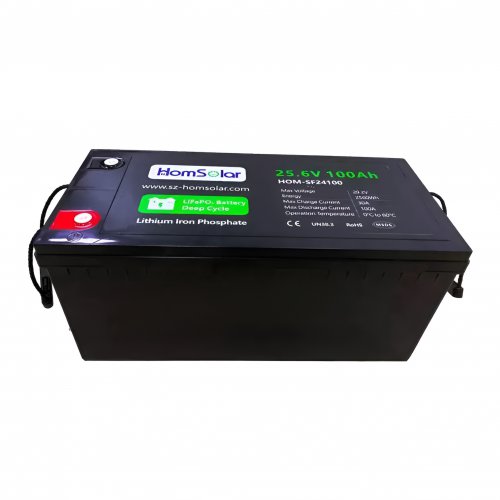
HomSolar Supports Lifepo4 battery pack customization/OEM/ODM service, welcome to contact us and tell us your needs.

HomSolar: Your One-stop LiFePO4 Battery Pack & ESS Solution Manufacturer
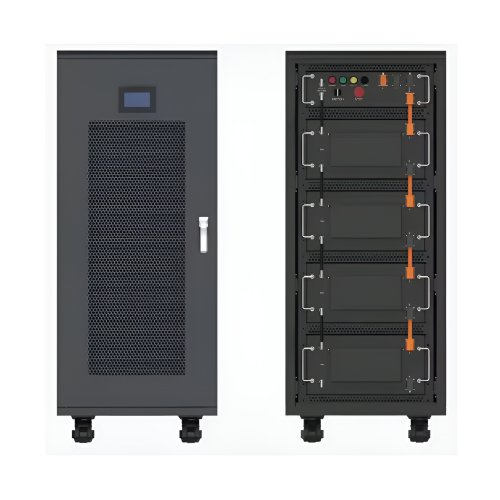
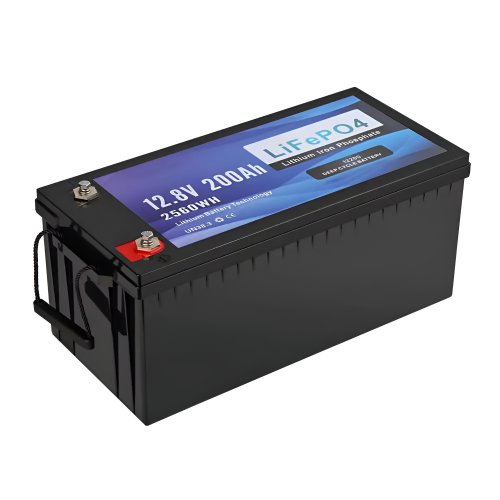
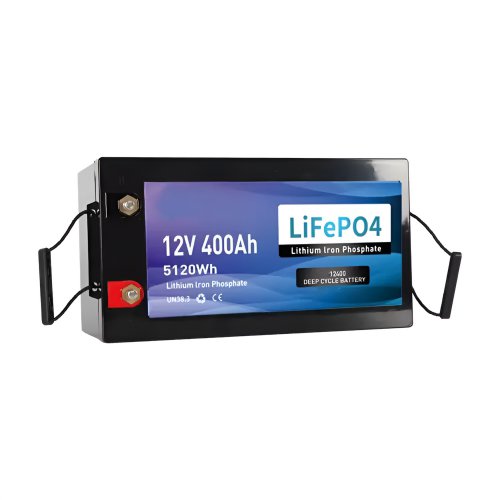
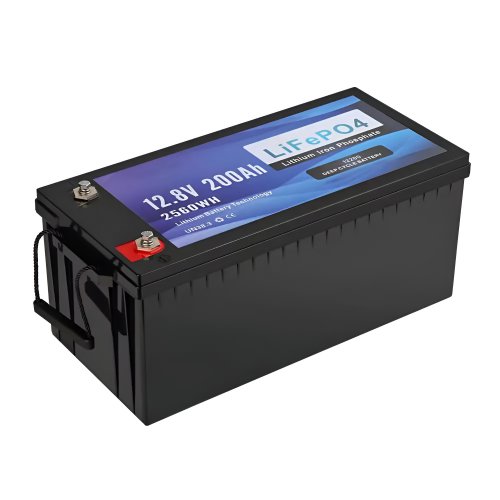
Our line of LiFePO4 (LFP) batteries offer a solution to demanding applications that require a lighter weight, longer life, and higher capacity battery. Features include advanced battery management systems (BMS), Bluetooth® communication and active intelligent monitoring.
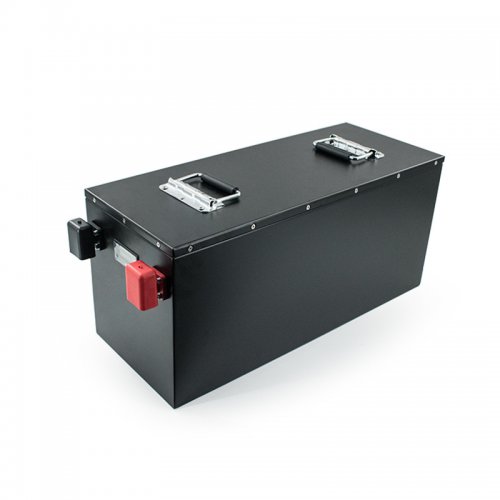
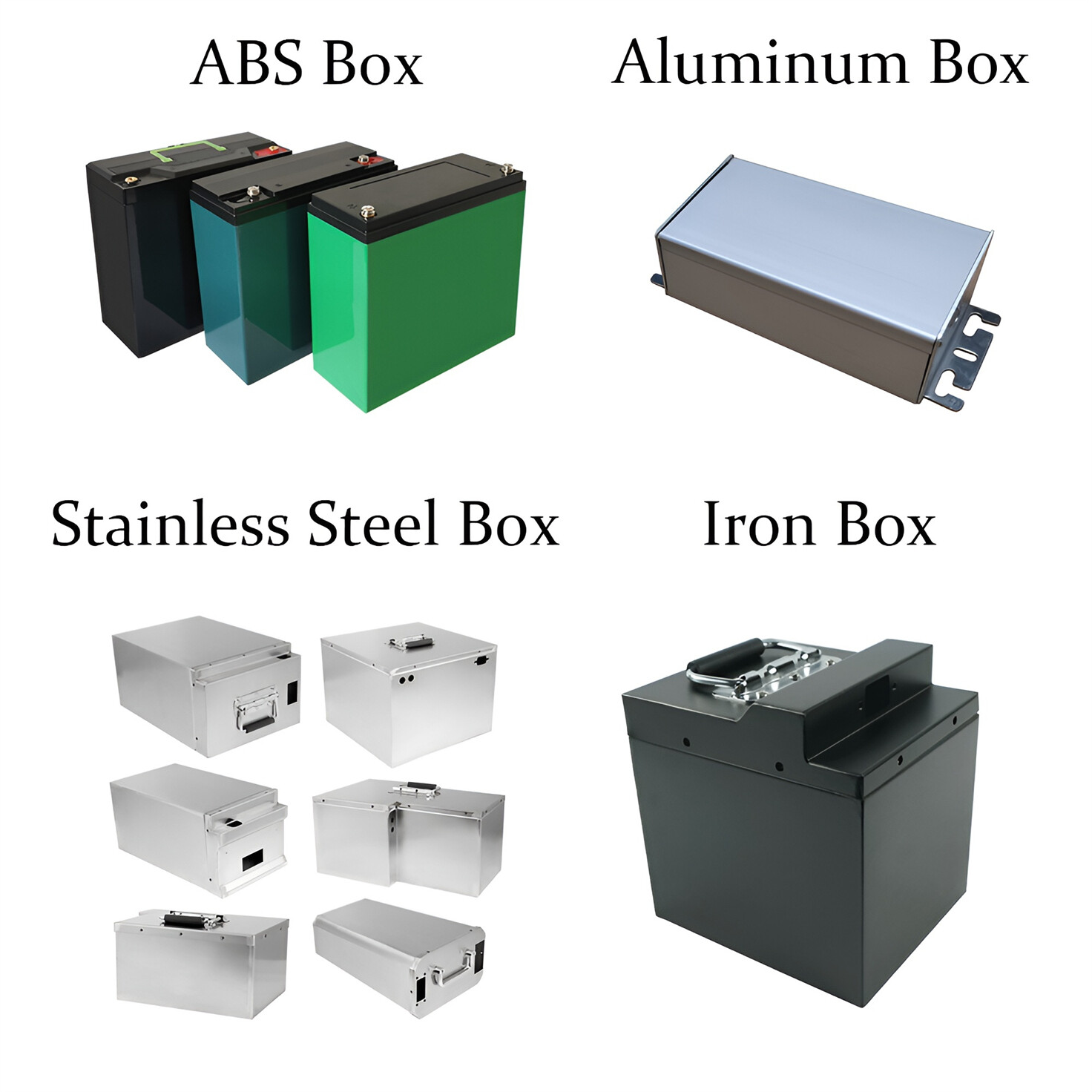
Customised Lithium Iron Phosphate Battery Casing
ABS plastic housing, aluminium housing, stainless steel housing and iron housing are available, and can also be designed and customised according to your needs.
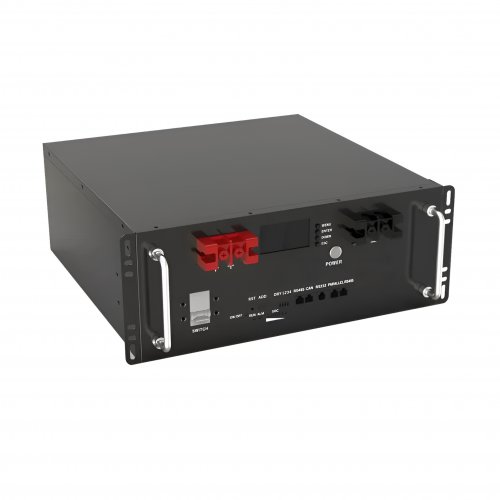
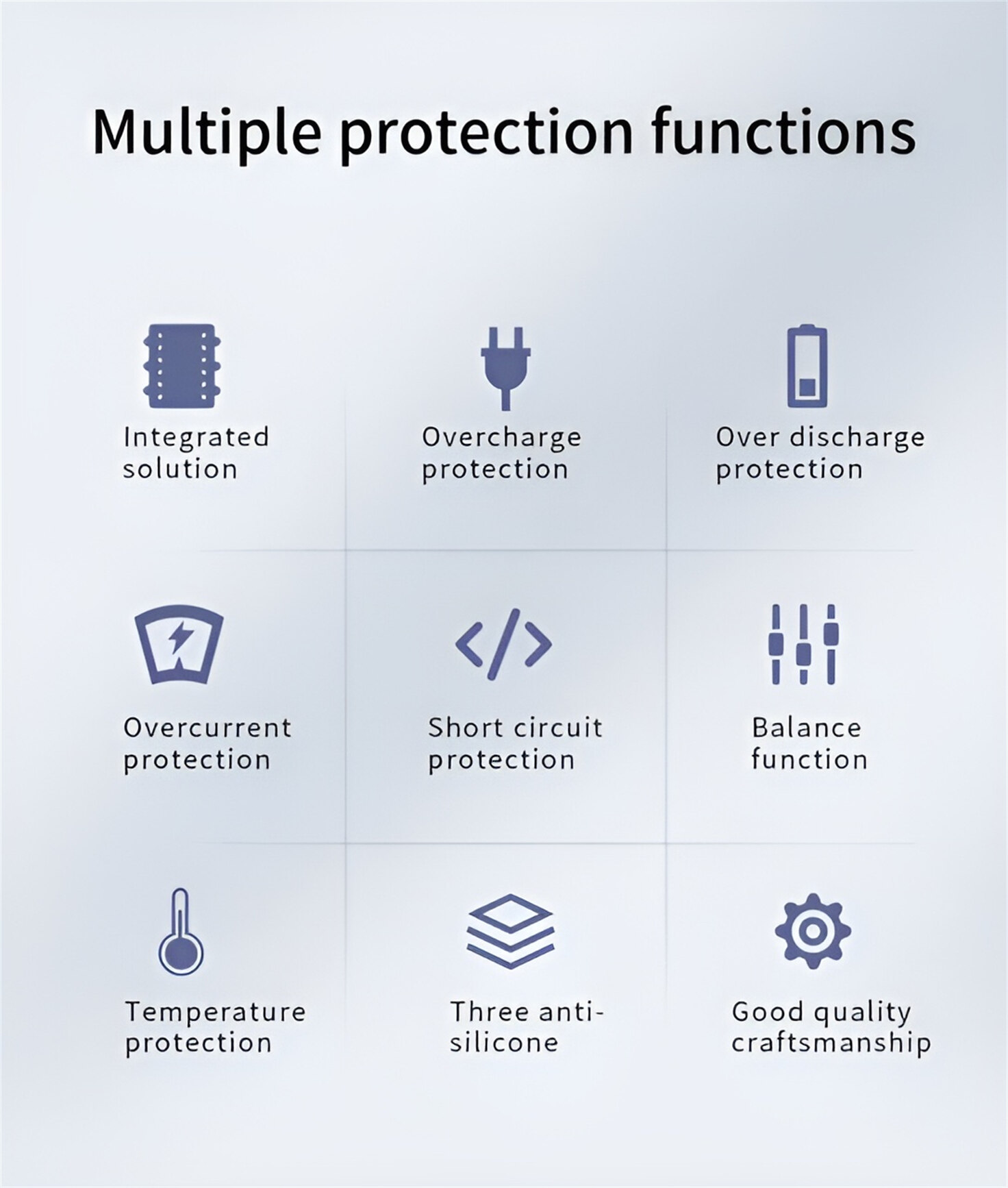
HomSolar Smart BMS
Intelligent Battery Management System for HomSolar Energy Storage System. Bluetooth, temperature sensor, LCD display, CAN interface, UART interface also available.

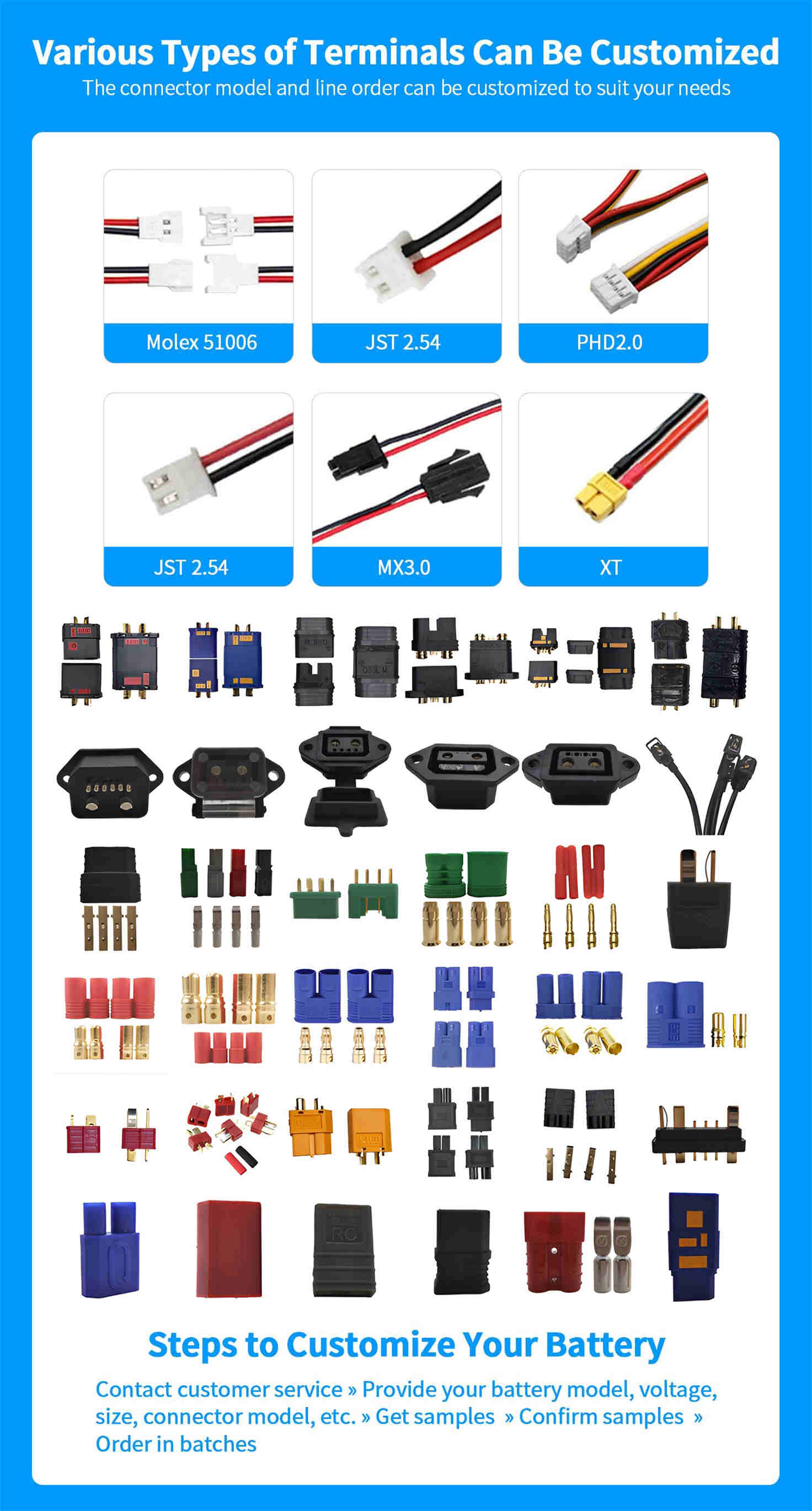
Terminals & Plugs Can Be Customized
A wide range of terminals and plugs can be customised to suit the application needs of your battery products.
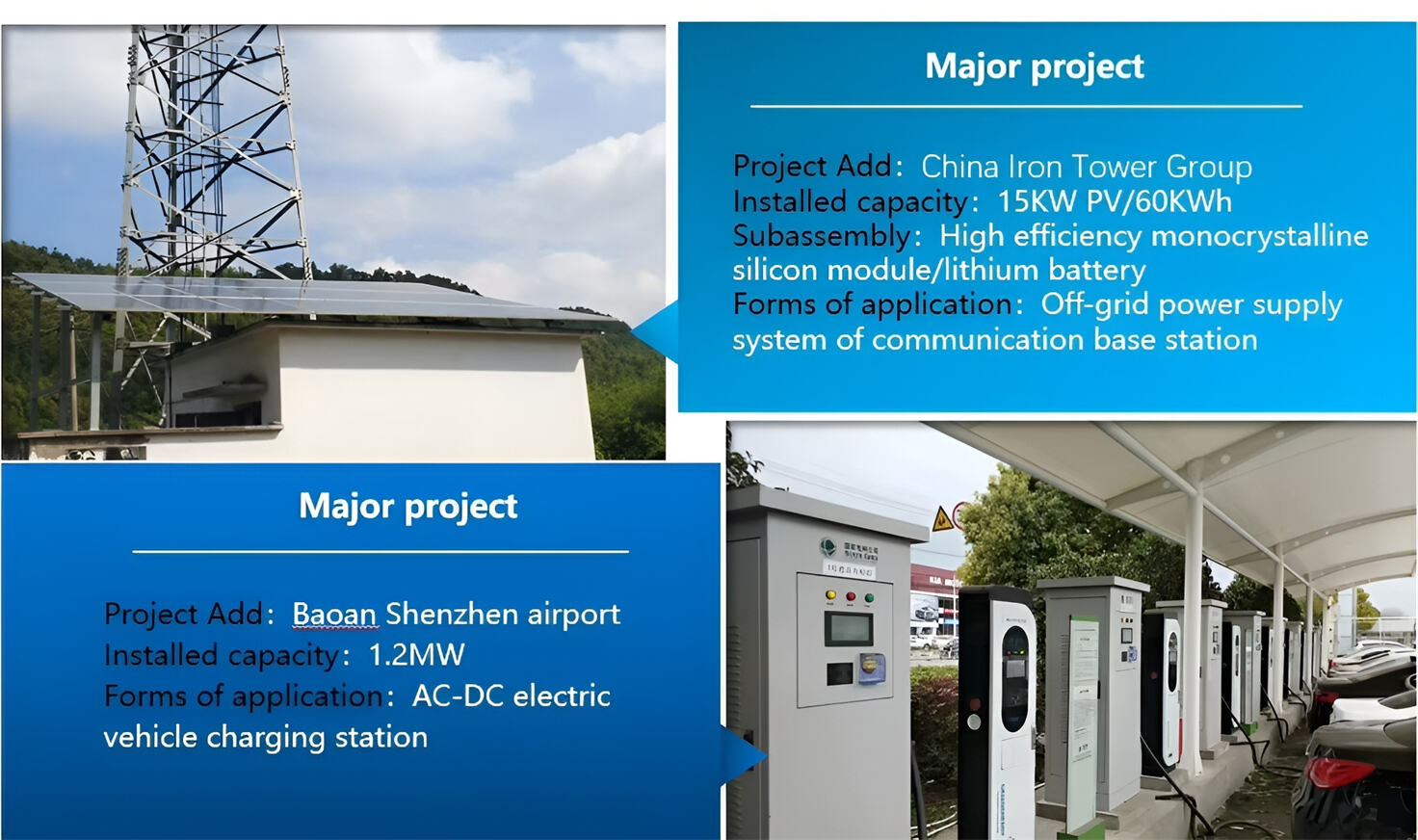
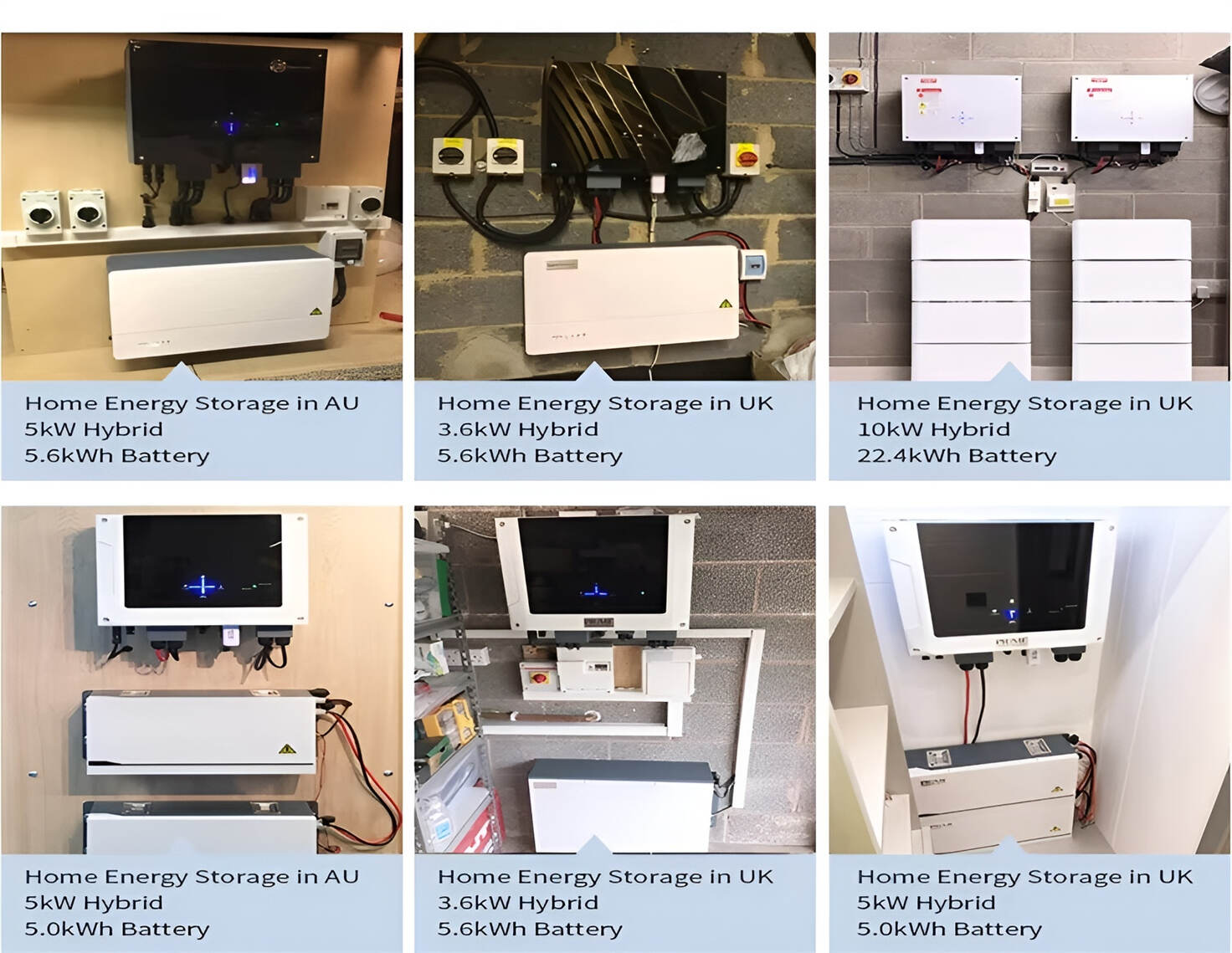
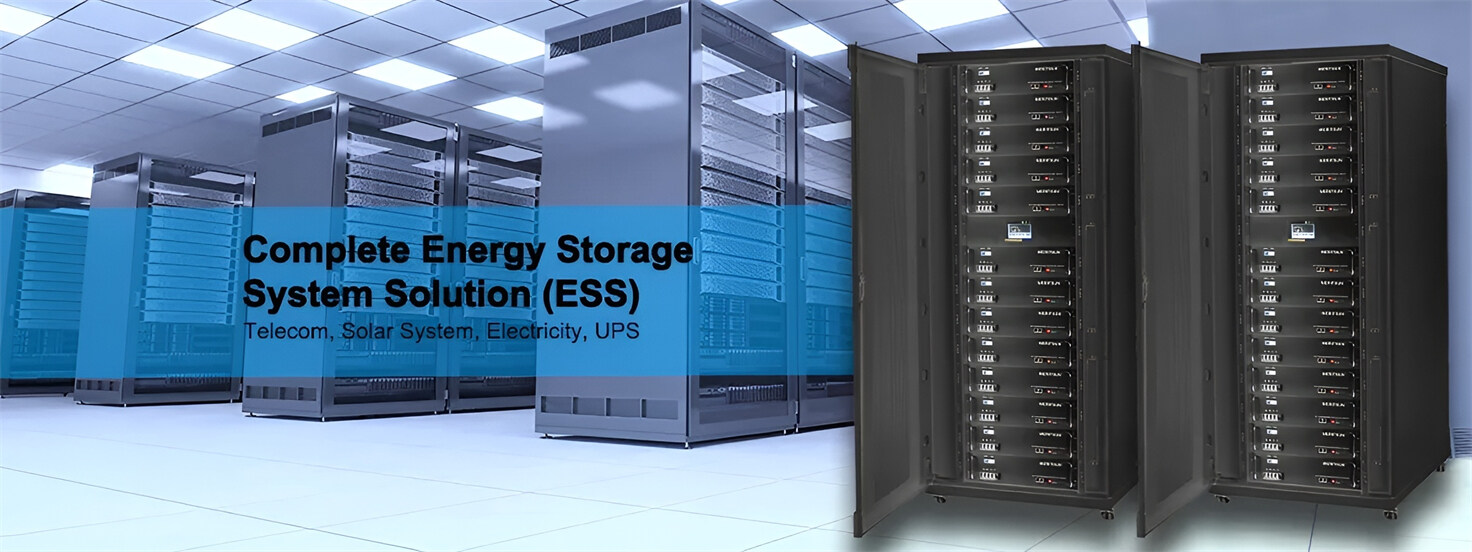
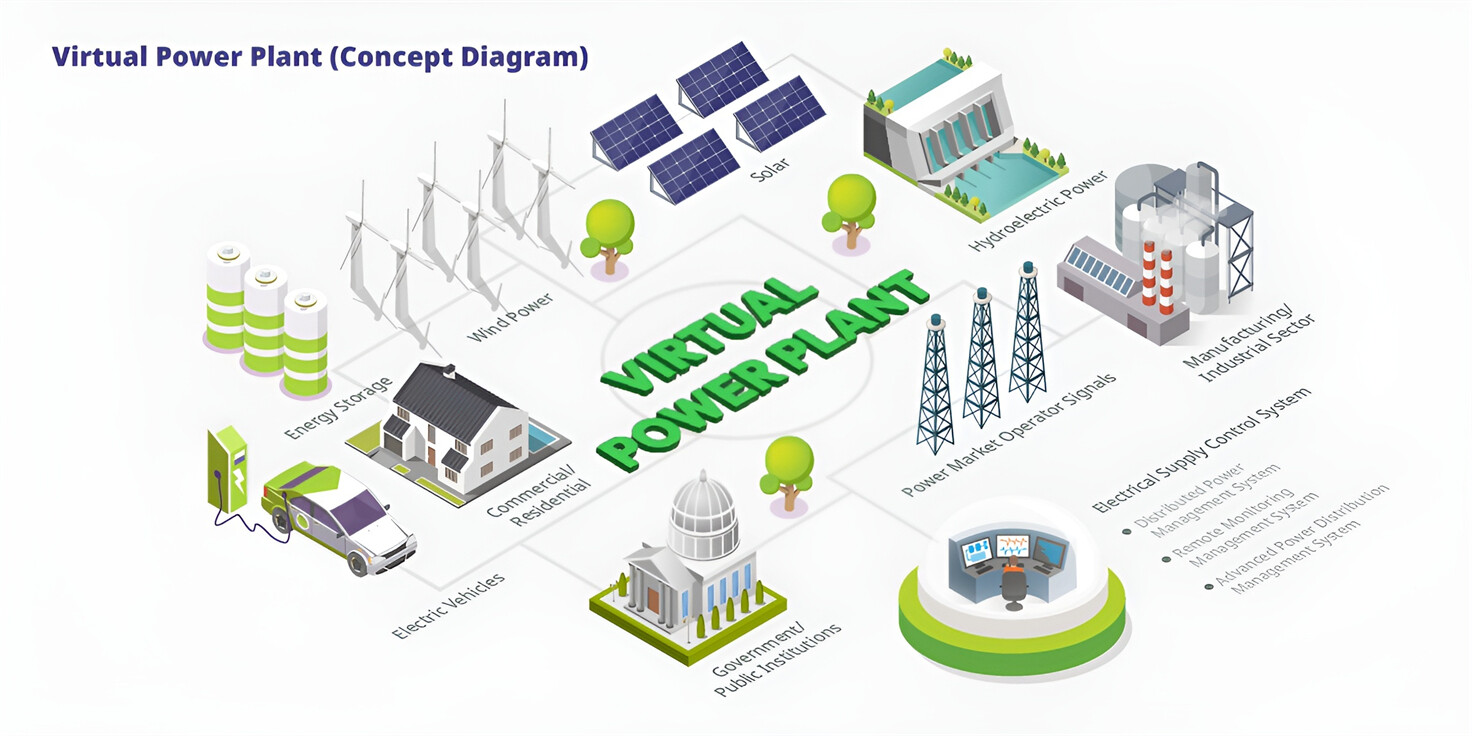
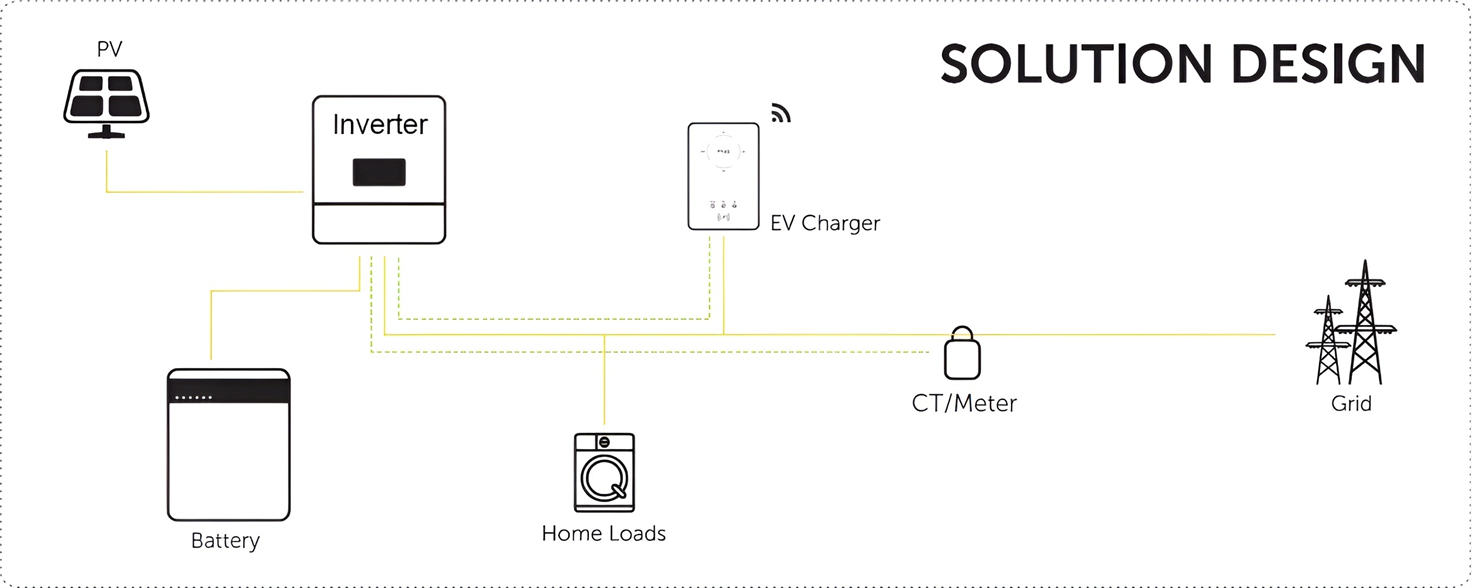
Well-designed Solutions for Energy Storage Systems
We will design the perfect energy storage system solution according to your needs, so that you can easily solve the specific industry applications of battery products.
About Our Battery Cells
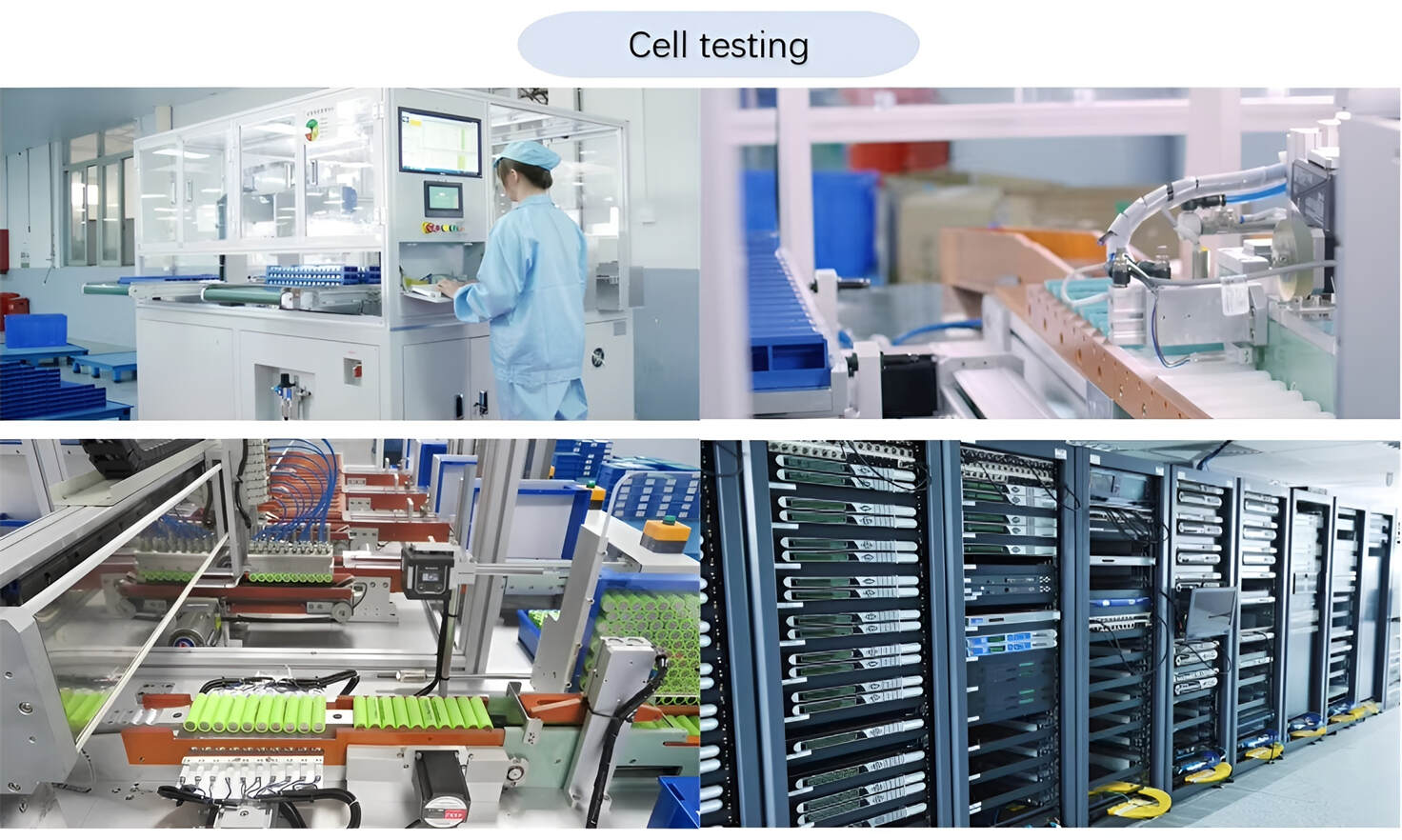
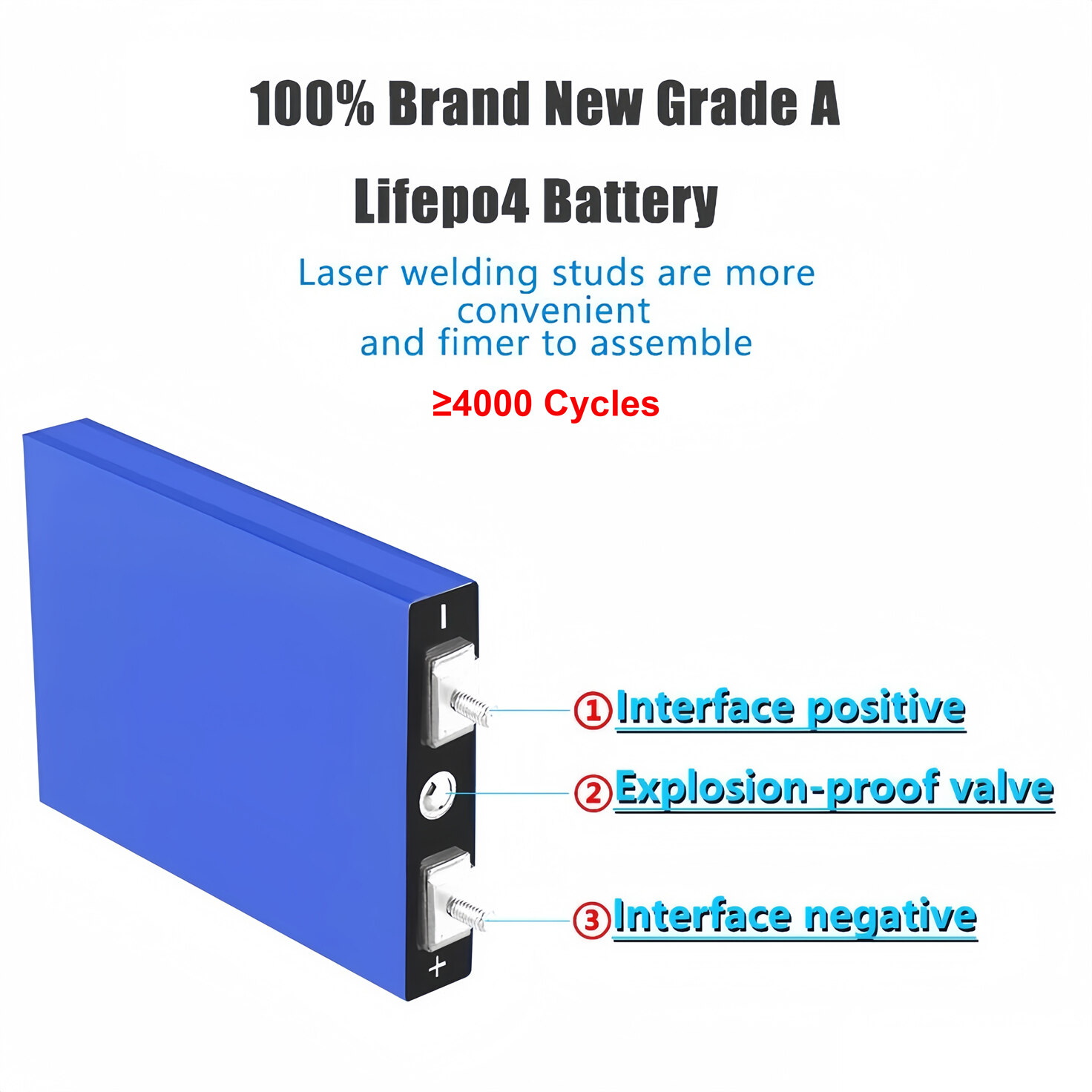
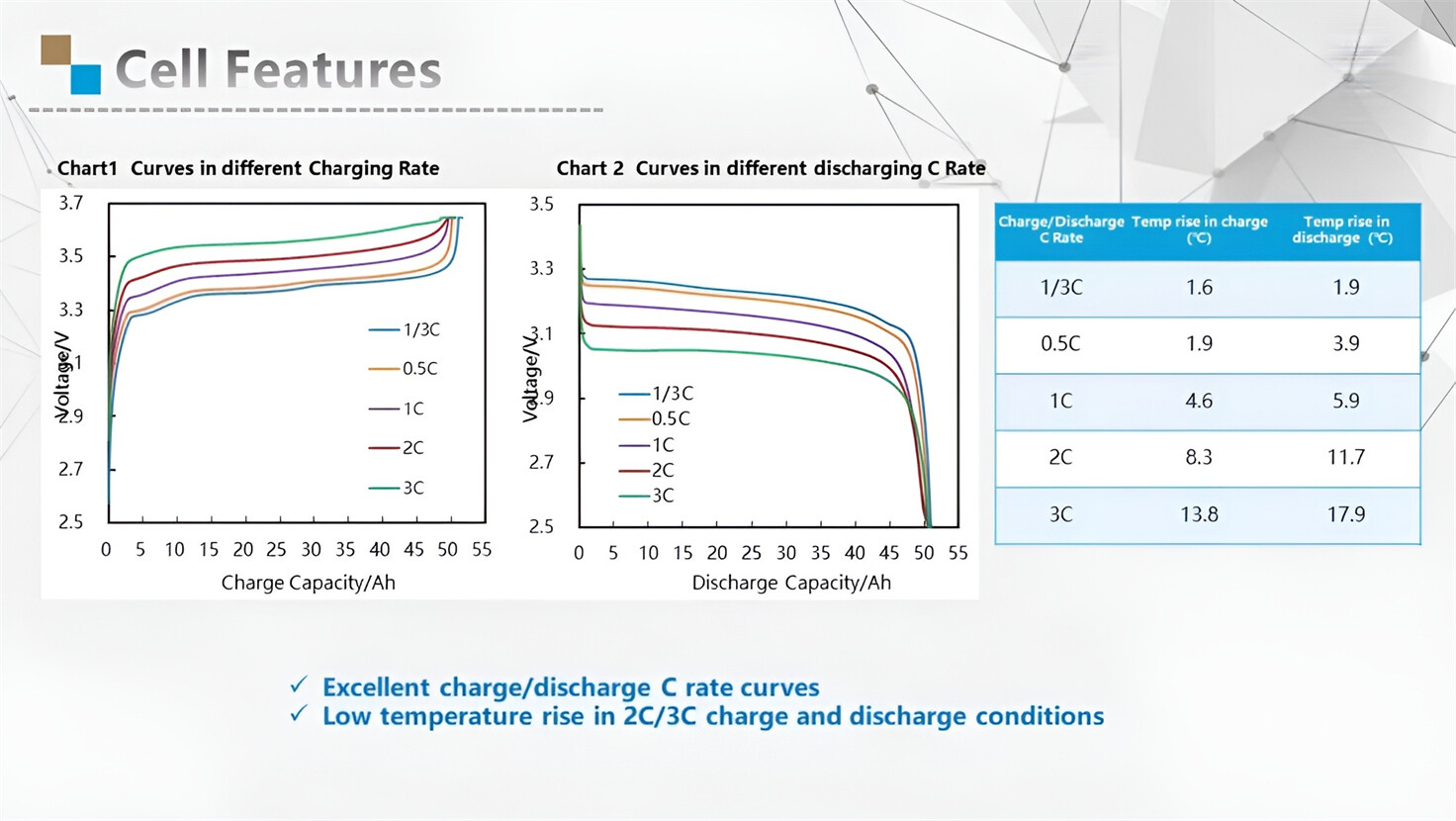
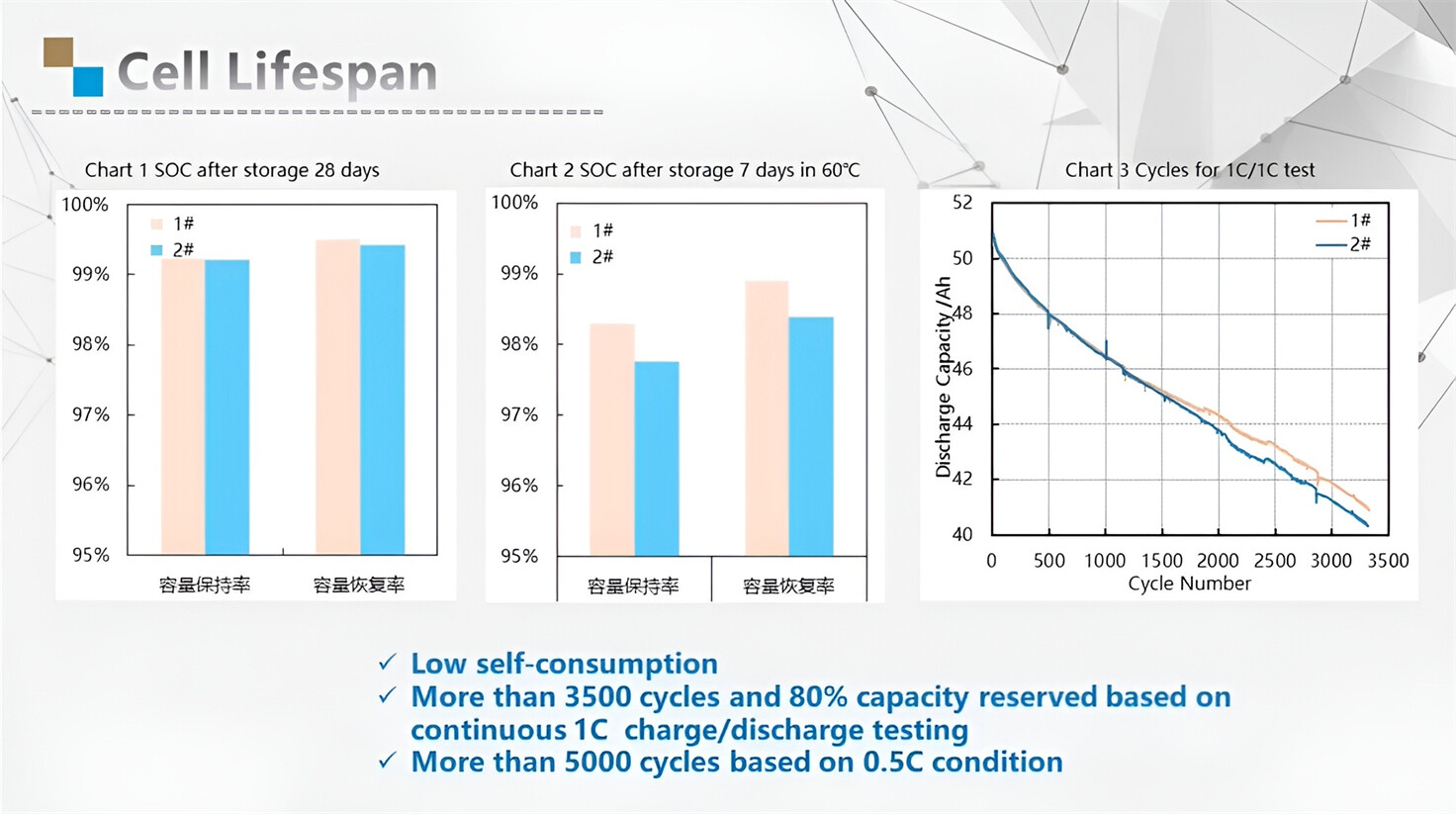
Our energy storage system products use brand new grade A LiFePO4 cells with a battery lifespan of more than 4,000 charge/discharge cycles.
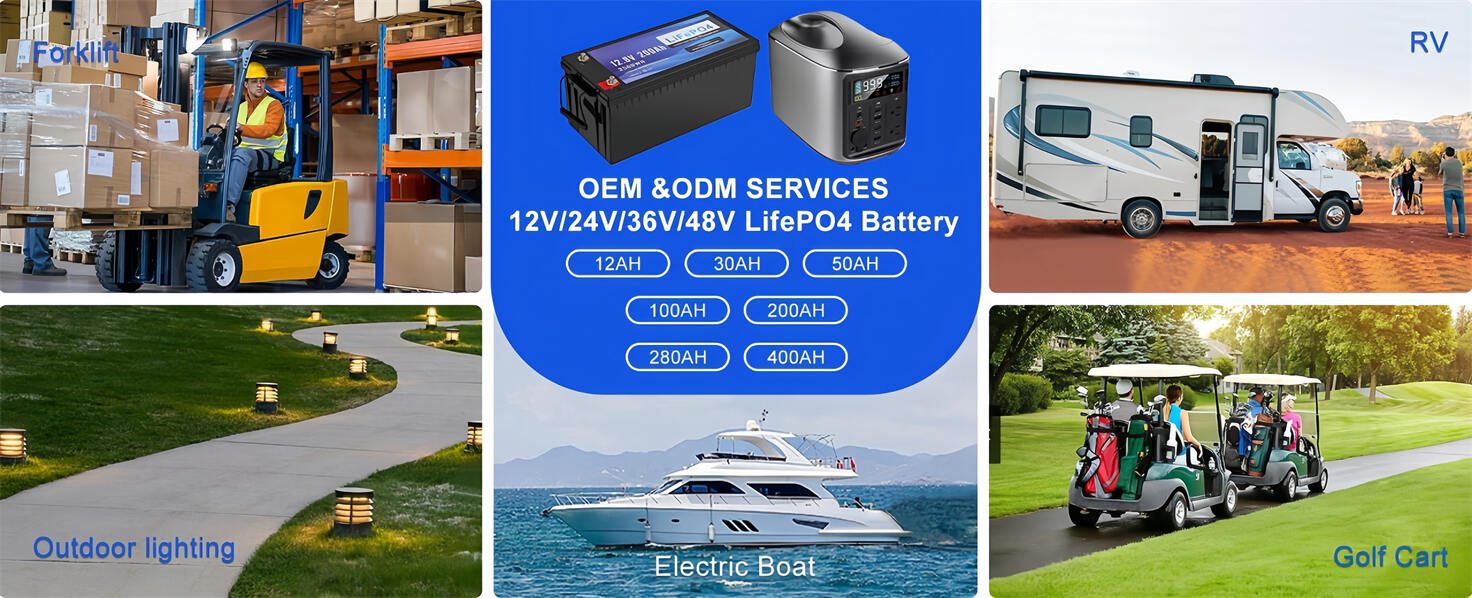
Applications in Different Industries
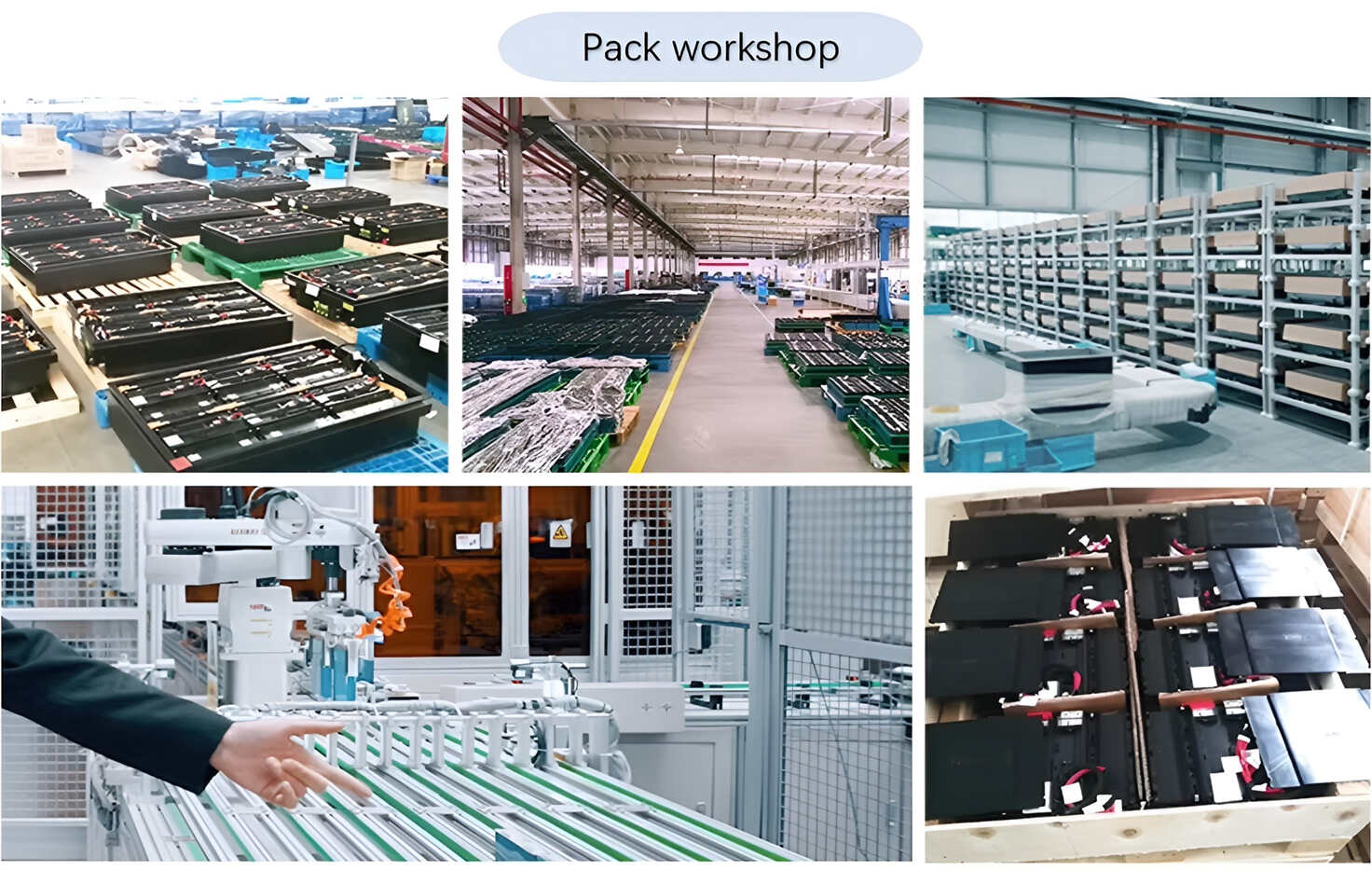
We supply customized & OEM battery pack, assemble cells with wiring, fuse and plastic cover, all the cell wires connected to PCB plug or built BMS.
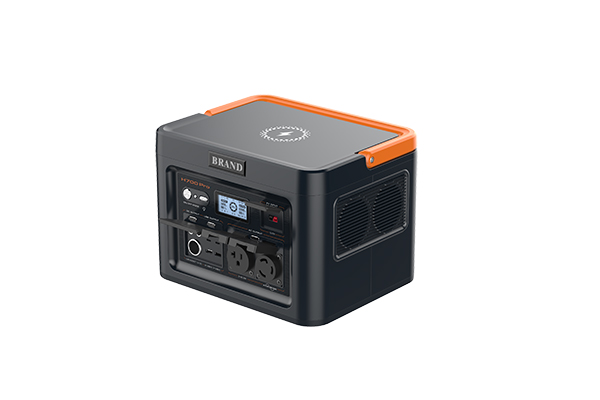
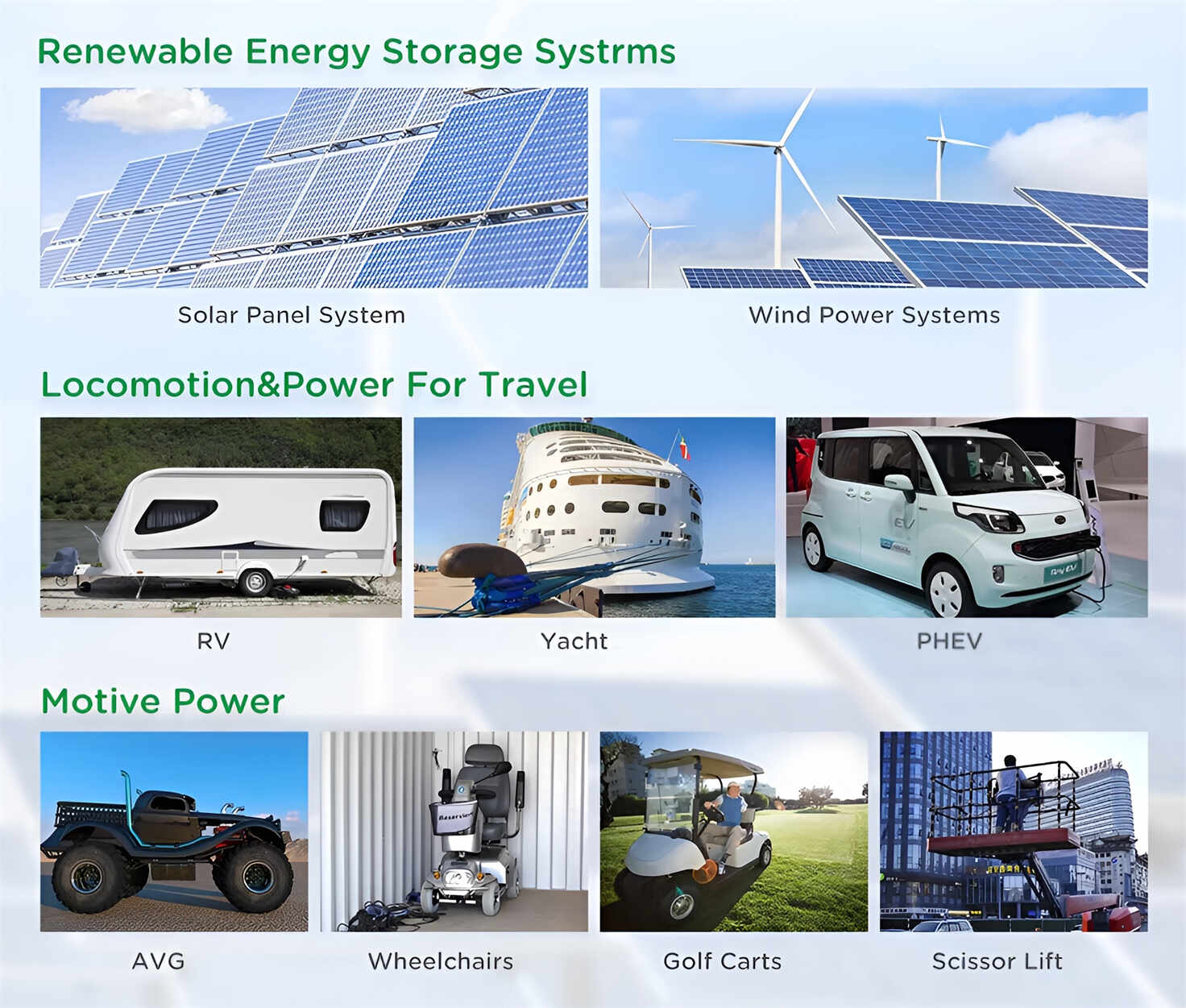
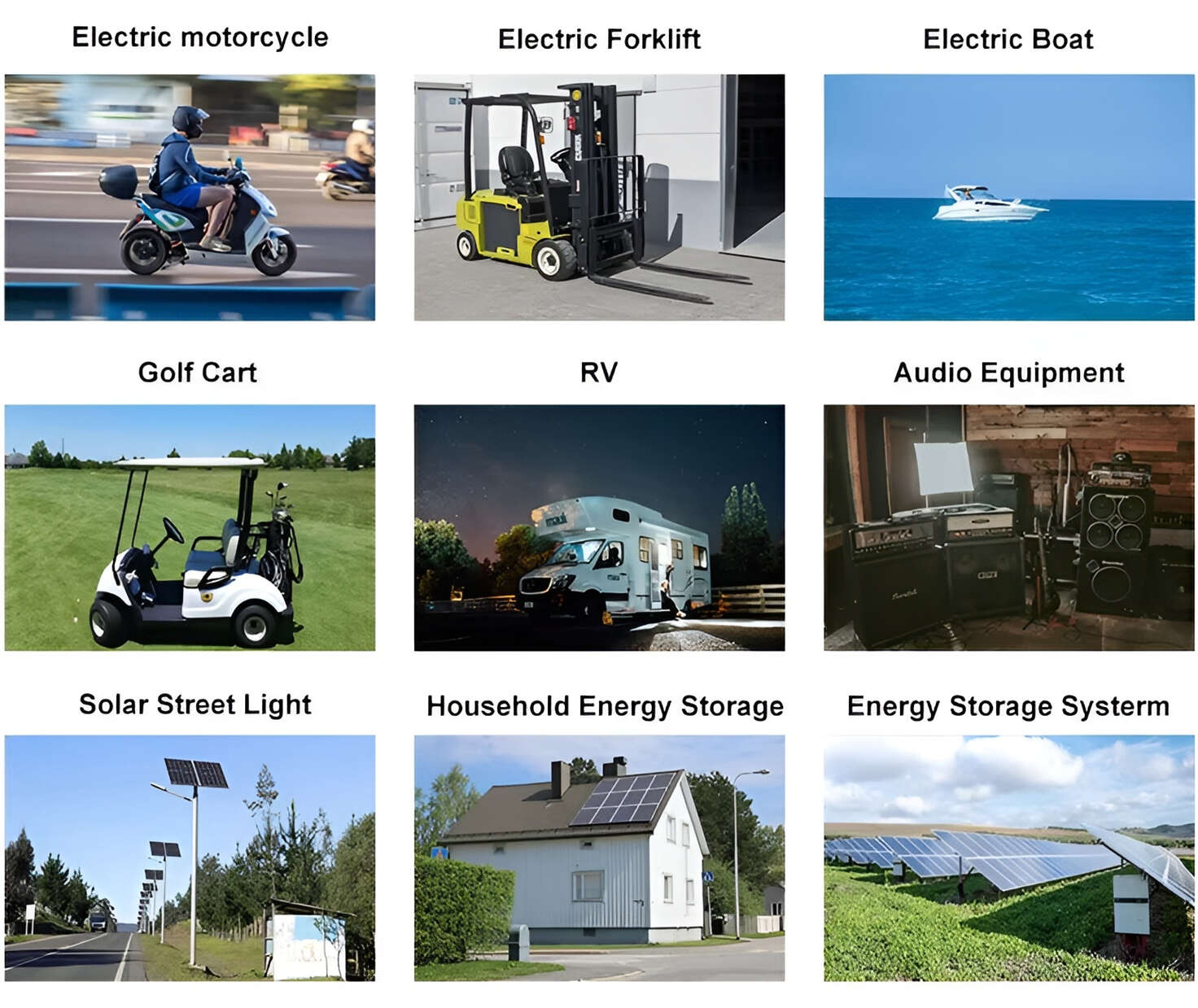
Applications: E-bike, Electric Scooter, Golf Carts, RV, Electric Wheelchair, Electric Tools, Robot Cleaner, Robot Sweeper, Solar Energy Storage System, Emergency Light, Solar Power Light, Medical Equipment, UPS Backup Power Supply.
We can provide you with customized services. We have the ability to provide a vertical supply chain, from single cells to pack/module and to a complete power solution with BMS, etc.
HomSolar (Shenzhen) Technology Co., Ltd