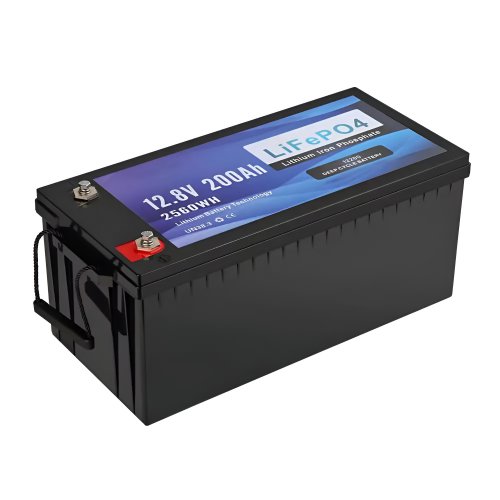
Advances In Cation Doping: Engineering Next-generation Functional Materials
The strategic introduction of foreign cationic species into host crystal lattices, a process known as cation doping, has long been a cornerstone of materials science. Moving far beyond the simple charge compensation in classic semiconductors like phosphorus-doped silicon, contemporary research has elevated cation doping into a sophisticated tool for precisely tailoring the electronic, optical, magnetic, and catalytic properties of a vast array of materials. Recent advances, powered by cutting-edge synthesis techniques and high-resolution characterization tools, are revealing unprecedented control over material behavior, unlocking new functionalities, and paving the way for next-generation technologies in energy, electronics, and environmental remediation.
Recent Research Breakthroughs and Novel Applications
A significant portion of recent breakthroughs has been concentrated in the field of energy conversion and storage. In lithium-ion batteries, the instability of high-voltage cathode materials, such as LiNixMnyCozO2 (NMC), poses a major challenge to achieving higher energy densities. Multi-element co-doping has emerged as a powerful strategy to address this. For instance, the synergistic doping of elements like Al, Zr, and Ti has been shown to enhance structural integrity and suppress phase transitions during cycling. Aluminum doping stabilizes the layered structure, while zirconium and titanium segregate at grain boundaries, strengthening the particle and facilitating Li+ diffusion. This multi-pronged approach significantly improves cyclability and rate capability at high operating voltages, as demonstrated in studies by Li et al. (2022), who reported a co-doped NMC cathode retaining over 90% capacity after 500 cycles.
Similarly, in photocatalytic water splitting, cation doping is instrumental in overcoming the limitations of wide-bandgap semiconductors like TiO2. While traditional non-metal anion doping (e.g., N-doping) narrows the bandgap for visible-light absorption, it often introduces charge recombination centers. Recent work has focused on high-valence cation doping (e.g., W6+, Nb5+) and the creation of defect complexes. Doping with Nb5+ into TiO2 not only introduces donor levels but can also form complexes with oxygen vacancies, which collectively enhance charge separation and mobility. A landmark study by Wang et al. (2023) utilized a novel solvothermal method to incorporate single-atom W6+ dopants into the TiO2 lattice, achieving a record-high hydrogen evolution rate under visible light by creating optimal intermediate bands without introducing detrimental defects.
Beyond energy, cation doping is revolutionizing quantum materials and optoelectronics. In two-dimensional (2D) transition metal dichalcogenides (TMDs) like MoS2, the introduction of Re, V, or Nb cations can transform the electronic structure. Rhenium doping, for example, creates stable donor states, effectively converting intrinsic n-type MoS2 into a p-type semiconductor, a critical step for developing 2D complementary metal-oxide-semiconductor (CMOS) logic circuits. Furthermore, doping in perovskite quantum dots (QDs) has enabled precise tuning of their luminescence properties and stability. The partial substitution of Pb2+ with smaller cations like Mn2+ or Zn2+ not only passivates surface defects, reducing non-radiative recombination, but also introduces new emission channels (e.g., the orange-red emission from Mn2+), leading to high-efficiency white LEDs with excellent color rendering.
Technological Innovations in Doping Methodology
The precision of doping has been dramatically enhanced by new synthetic and analytical technologies. Conventional methods like solid-state reaction often suffer from inhomogeneous distribution and limited solubility of dopants. The advent of advanced techniques such as flame spray pyrolysis and molecular beam epitaxy (MBE) allows for atomic-level control. For instance, pulsed-laser deposition (PLD) enables the fabrication of thin films with precisely controlled doping profiles, which is crucial for oxide electronics.
Perhaps the most profound innovation is the move towards "single-atom doping." Using sophisticated atomic-layer deposition (ALD) or tailored coordination chemistry, researchers can now place individual dopant cations at specific lattice sites. This eliminates the randomness of conventional doping and allows for the study of fundamental dopant-host interactions. Coupled with this progress in synthesis is the power of advanced characterization. Spherical aberration-corrected scanning transmission electron microscopy (STEM) combined with electron energy loss spectroscopy (EELS) can now directly visualize individual dopant atoms and determine their oxidation state and local coordination environment. Furthermore, high-resolution solid-state NMR and synchrotron-based X-ray absorption fine structure (XAFS) spectroscopy provide complementary information on the short-range structure around the dopant ions, revealing the true nature of the doped materials beyond what bulk techniques can discern.
Computational materials science, particularly density functional theory (DFT), plays an indispensable role in guiding doping strategies. High-throughput DFT calculations can screen thousands of potential dopant-host combinations to predict formation energies, optimal doping sites, and the resulting electronic structure modifications before any experimental work is undertaken. This "materials-by-design" approach, as exemplified in the work of Jain et al. (2021) on screening for stable, high-conductivity solid electrolytes, significantly accelerates the discovery of optimal doping schemes for specific applications.
Future Outlook and Challenges
The future of cation doping research is poised to become even more precise, dynamic, and multifunctional. Several exciting directions are emerging:
1. Multi-Modal and Gradient Doping: Future materials may feature spatially graded doping concentrations or different dopants at specific locations within a single particle or device to create built-in fields that enhance charge separation in photovoltaics or ion transport in batteries. 2. Strain and Phase Engineering: Dopants induce local strain, which can be harnessed to stabilize metastable phases with superior properties. The intentional use of doping to engineer phase transitions, such as in morphotropic phase boundary piezoelectrics, will be a key area of exploration. 3. In-situ and Dynamic Doping: Developing methods to dynamically tune doping levels in operando, perhaps through optical, electrical, or electrochemical stimuli, could lead to adaptive materials whose properties can be switched on demand. 4. AI-Guided Discovery: The integration of machine learning with DFT and experimental datasets will enable the predictive design of complex, multi-component doped systems, moving beyond human intuition to discover non-obvious yet highly effective doping paradigms.
Despite the progress, significant challenges remain. Precisely controlling the concentration, distribution, and oxidation state of dopants at an industrial scale is non-trivial. A deeper understanding of dopant-defect interactions and their evolution under operational stress (e.g., cycling in batteries, continuous illumination in photocatalysts) is crucial for long-term stability. Furthermore, the often-observed trade-off between enhanced one property (e.g., electronic conductivity) and the degradation of another (e.g., thermal stability) requires clever multi-dopant engineering to resolve.
In conclusion, cation doping has evolved from a simple compositional modification into a powerful and versatile paradigm for materials design. The convergence of novel synthesis, unprecedented characterization, and predictive computation is enabling a level of control that was unimaginable a decade ago. As we continue to learn to command the periodic table with atomic precision, cation doping will undoubtedly remain at the forefront of creating the advanced functional materials needed to address the pressing technological challenges of the 21st century.
References (Illustrative):Li, W., et al. (2022). Synergistic Al-Zr-Ti Co-doping for Stabilizing LiNi0.8Mn0.1Co0.1O2 Cathodes at High Voltage.Advanced Energy Materials, 12(15), 2103201.Wang, Y., et al. (2023). Single-Atom Tungsten Doping Engineered Intermediate Band for Efficient Visible-Light-Driven Hydrogen Evolution on TiO2.Nature Communications, 14, 1244.Jain, A., et al. (2021). A High-Throughput Computational Framework for Identifying Dopants to Promote Ionic Conductivity in Solid Electrolytes.Chemistry of Materials, 33(15), 5854-5866.
Customized/OEM/ODM Service
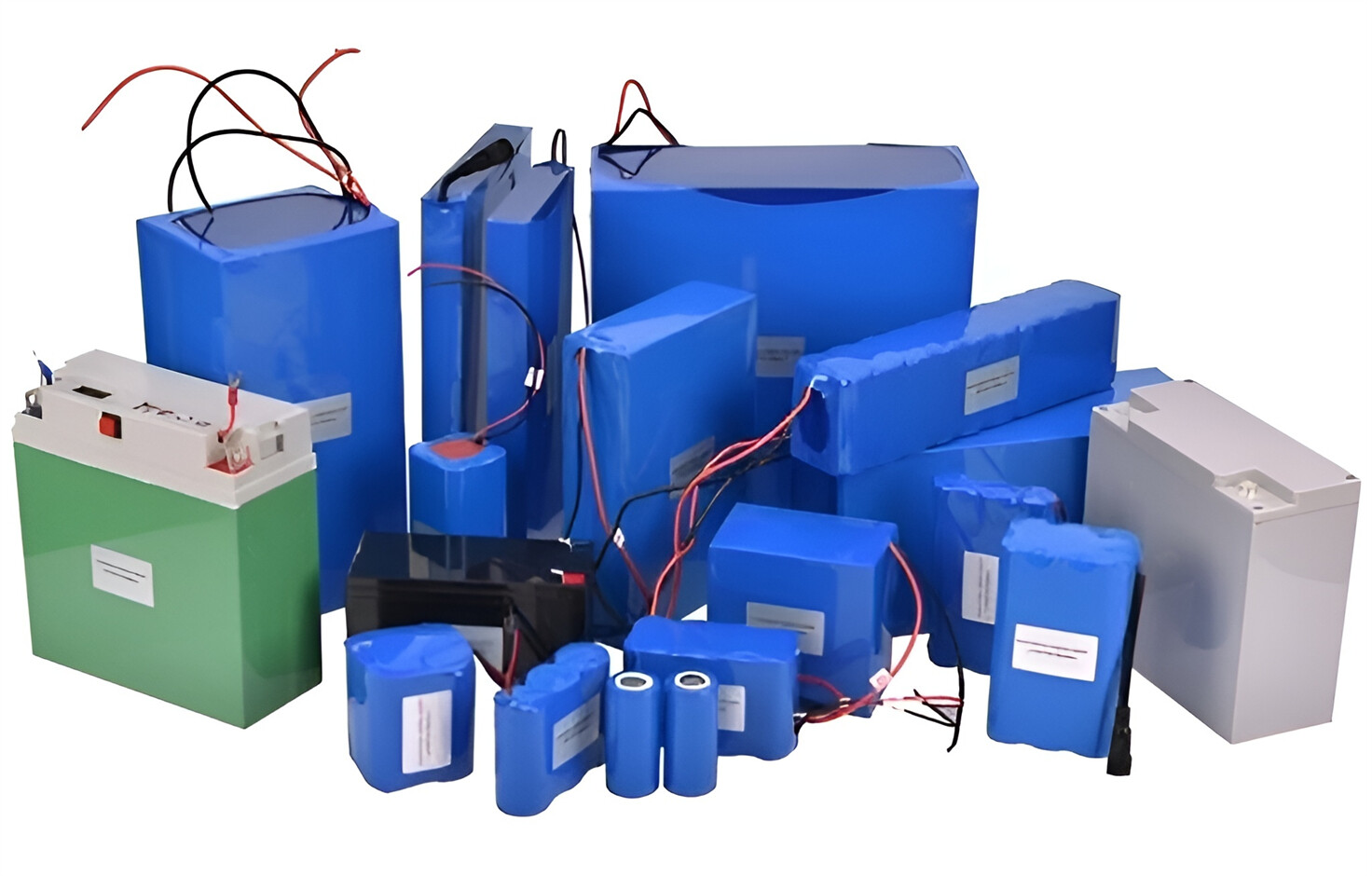
HomSolar Supports Lifepo4 battery pack customization/OEM/ODM service, welcome to contact us and tell us your needs.


HomSolar: Your One-stop LiFePO4 Battery Pack & ESS Solution Manufacturer
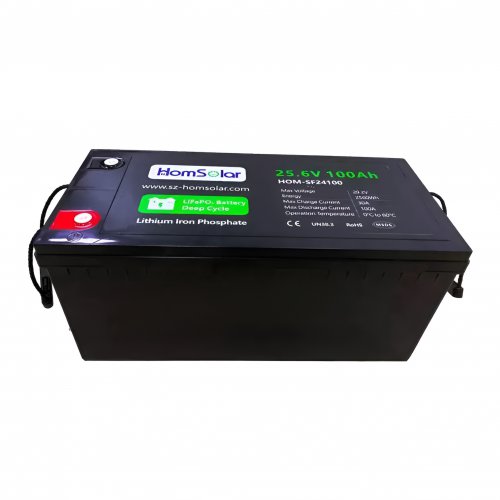
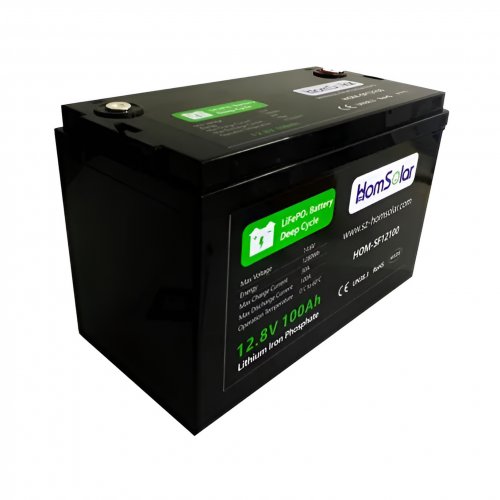
Our line of LiFePO4 (LFP) batteries offer a solution to demanding applications that require a lighter weight, longer life, and higher capacity battery. Features include advanced battery management systems (BMS), Bluetooth® communication and active intelligent monitoring.
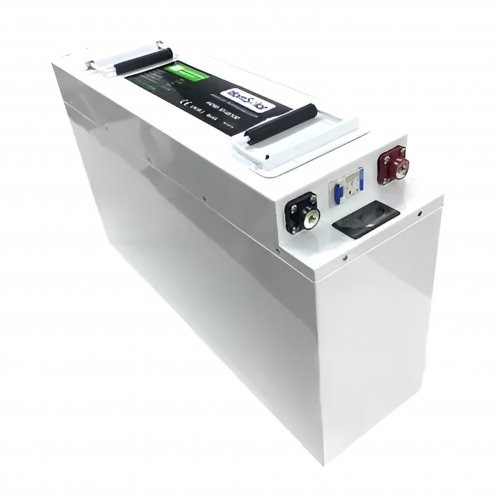
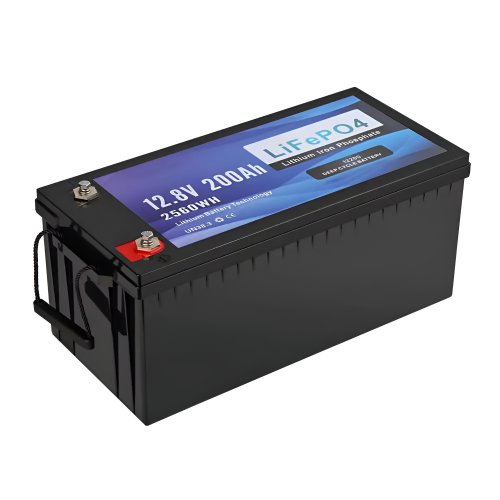
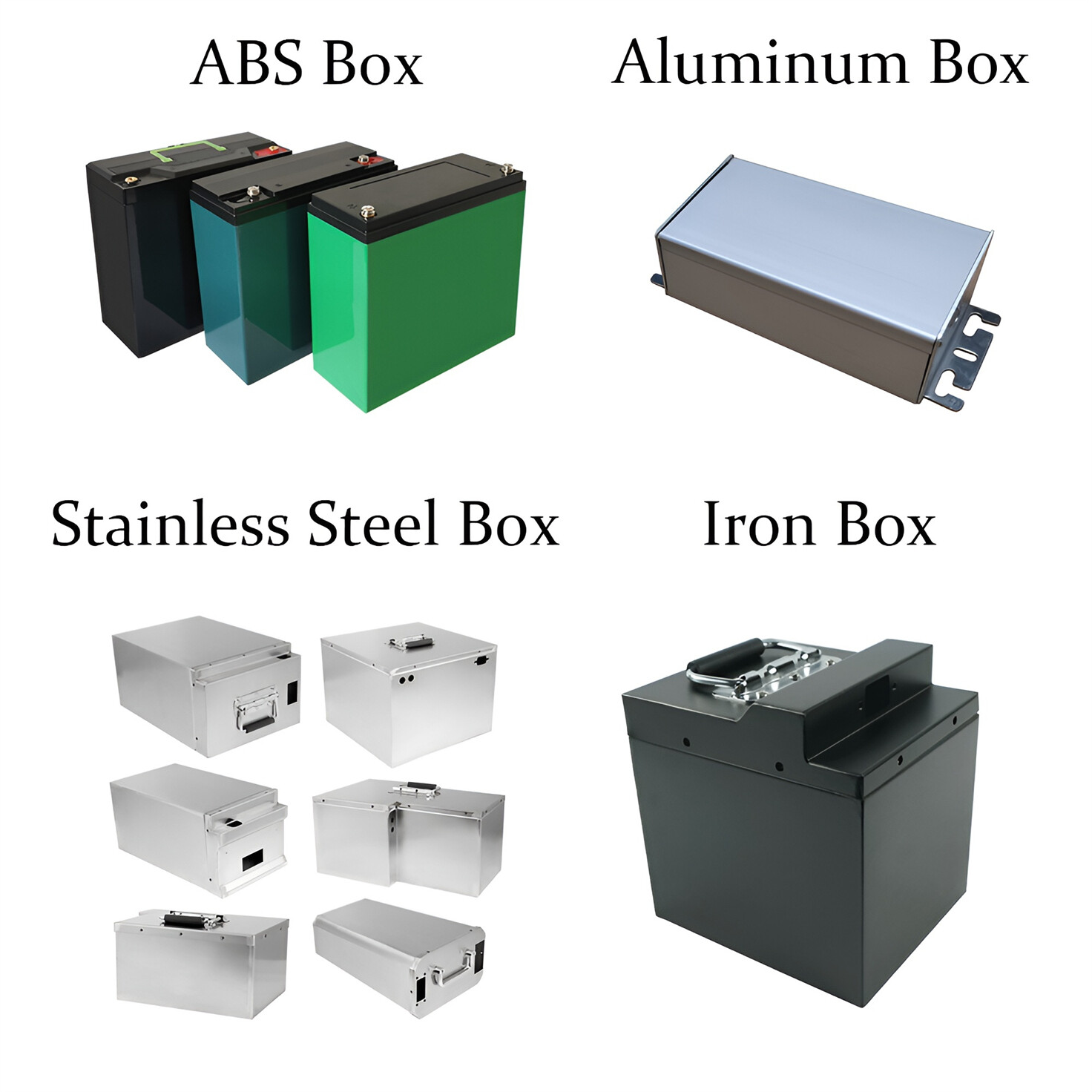
Customised Lithium Iron Phosphate Battery Casing
ABS plastic housing, aluminium housing, stainless steel housing and iron housing are available, and can also be designed and customised according to your needs.
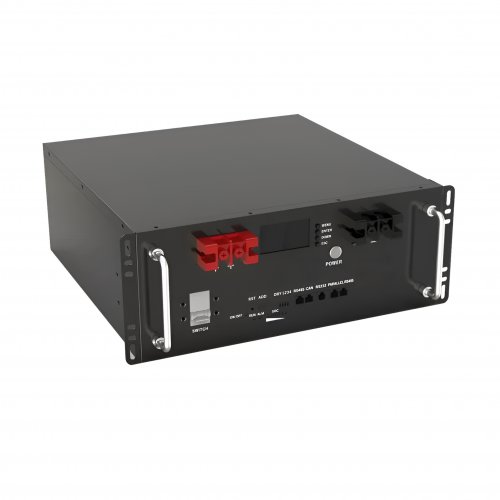
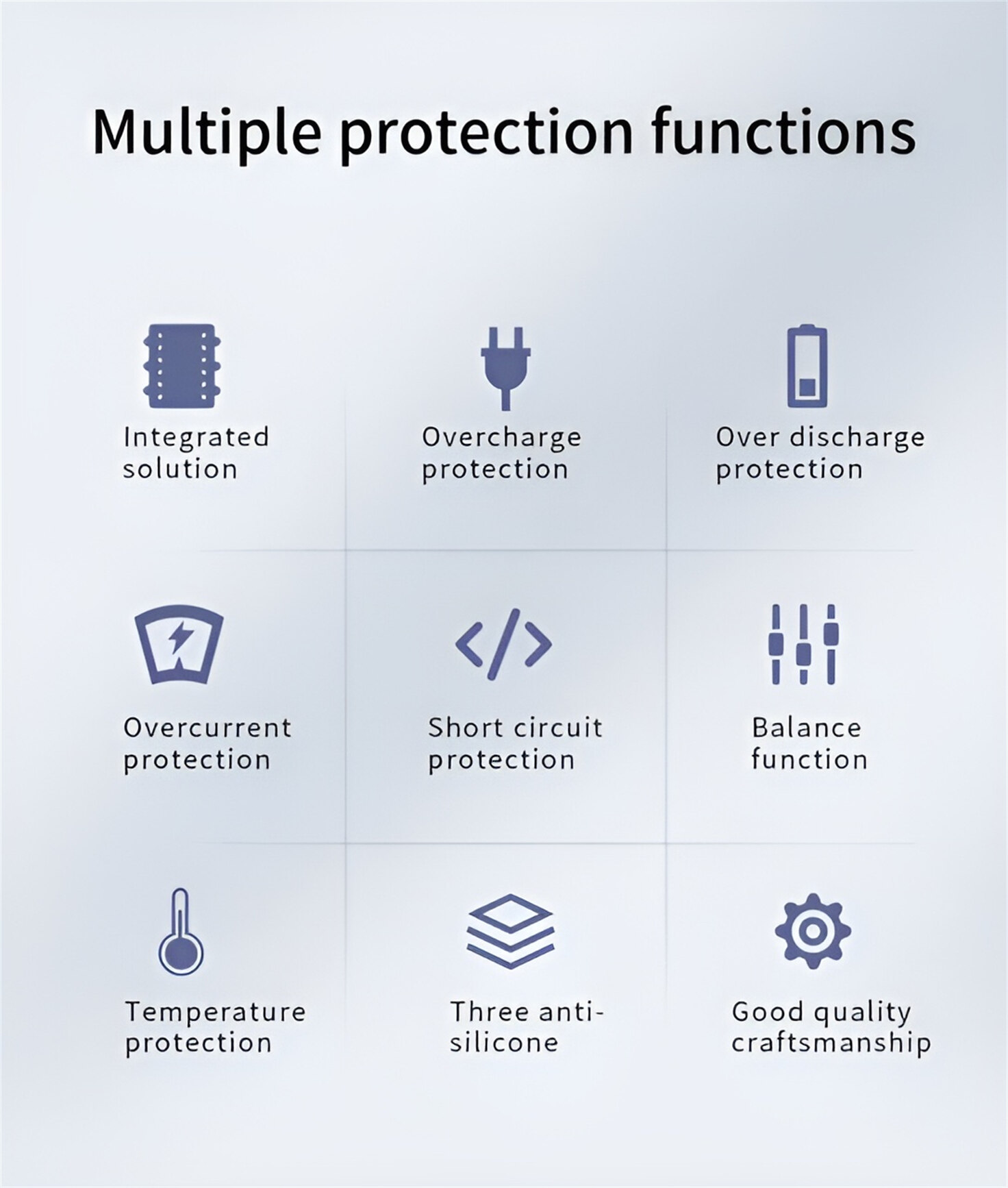
HomSolar Smart BMS
Intelligent Battery Management System for HomSolar Energy Storage System. Bluetooth, temperature sensor, LCD display, CAN interface, UART interface also available.

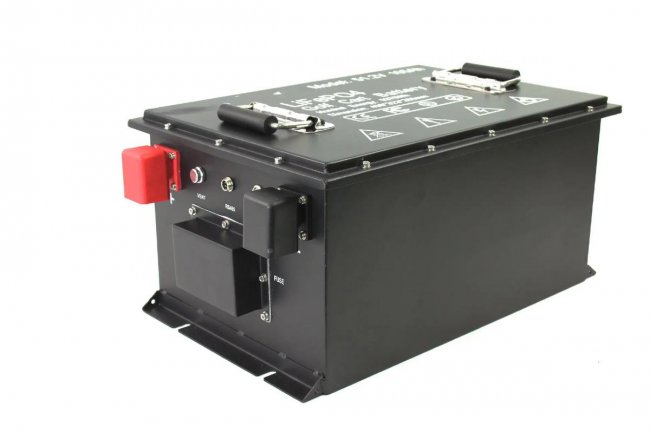
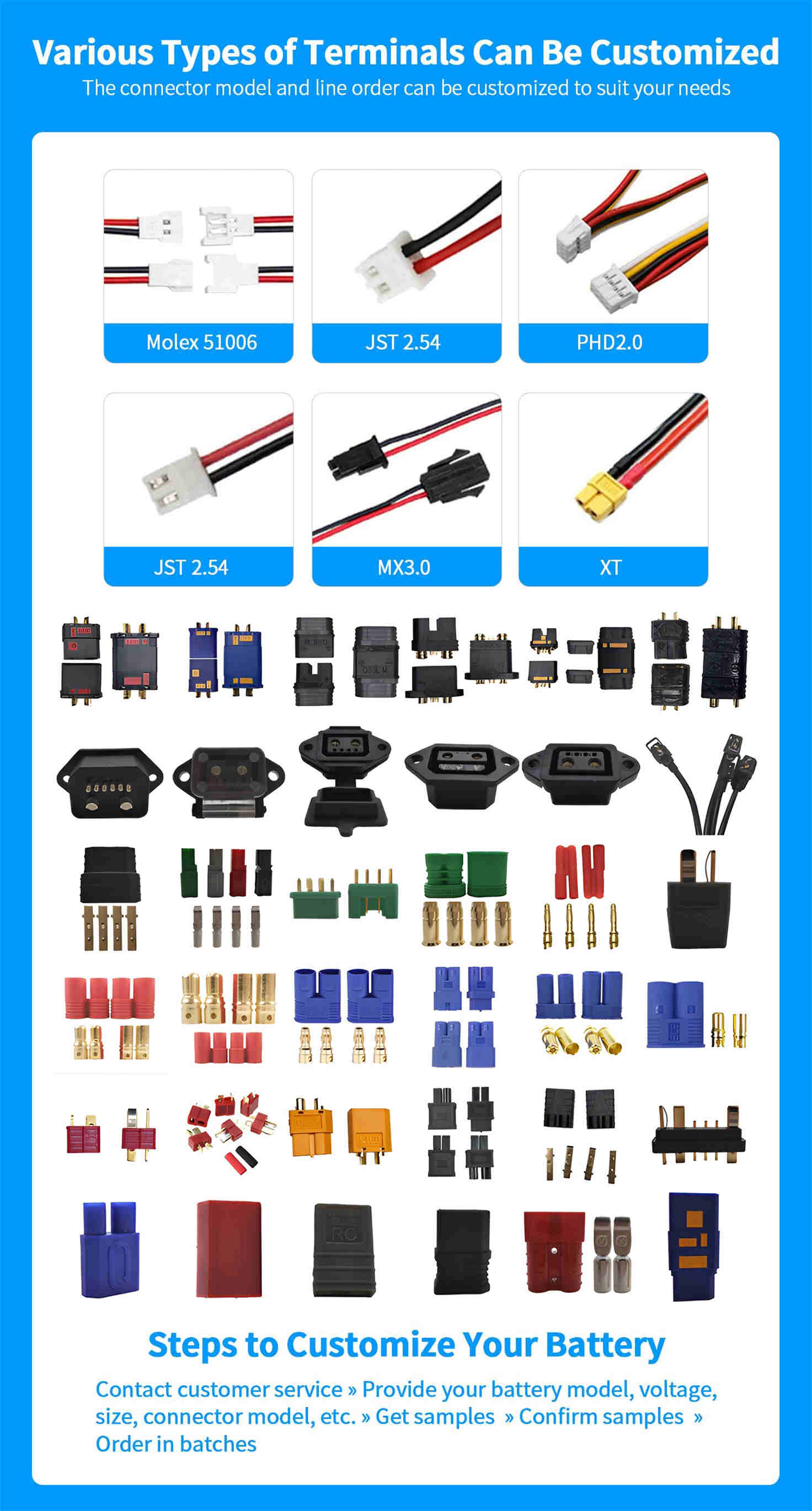
Terminals & Plugs Can Be Customized
A wide range of terminals and plugs can be customised to suit the application needs of your battery products.
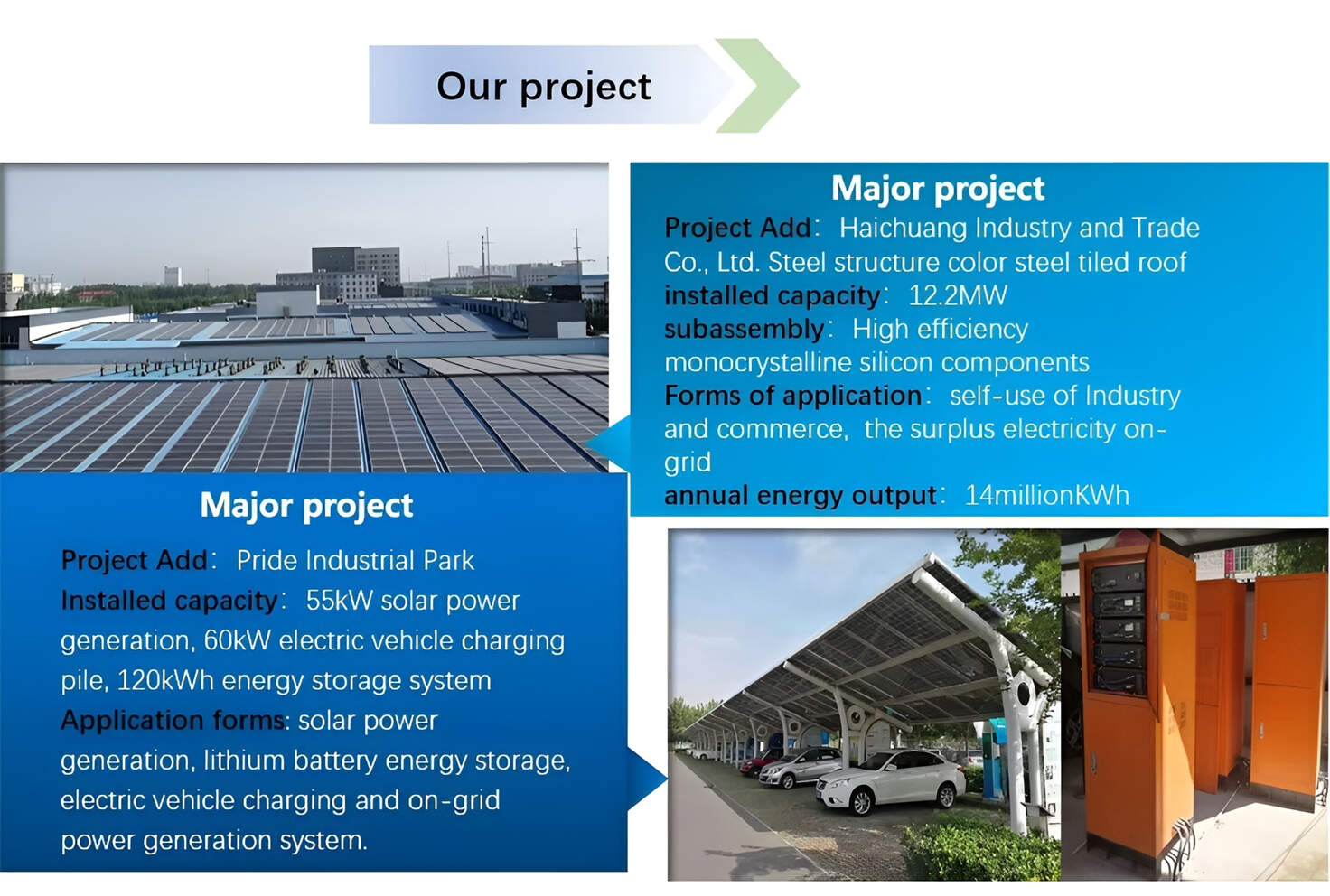
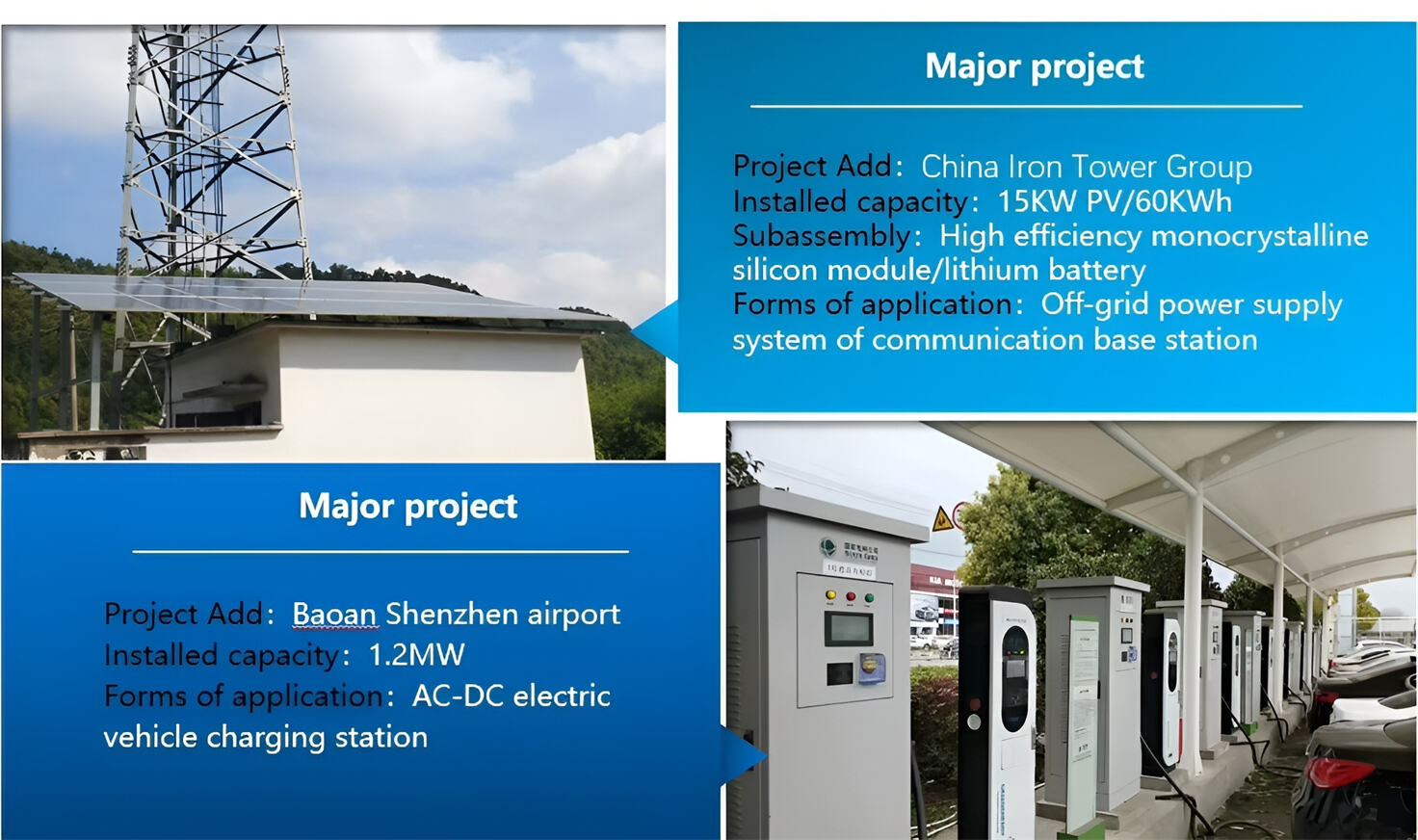
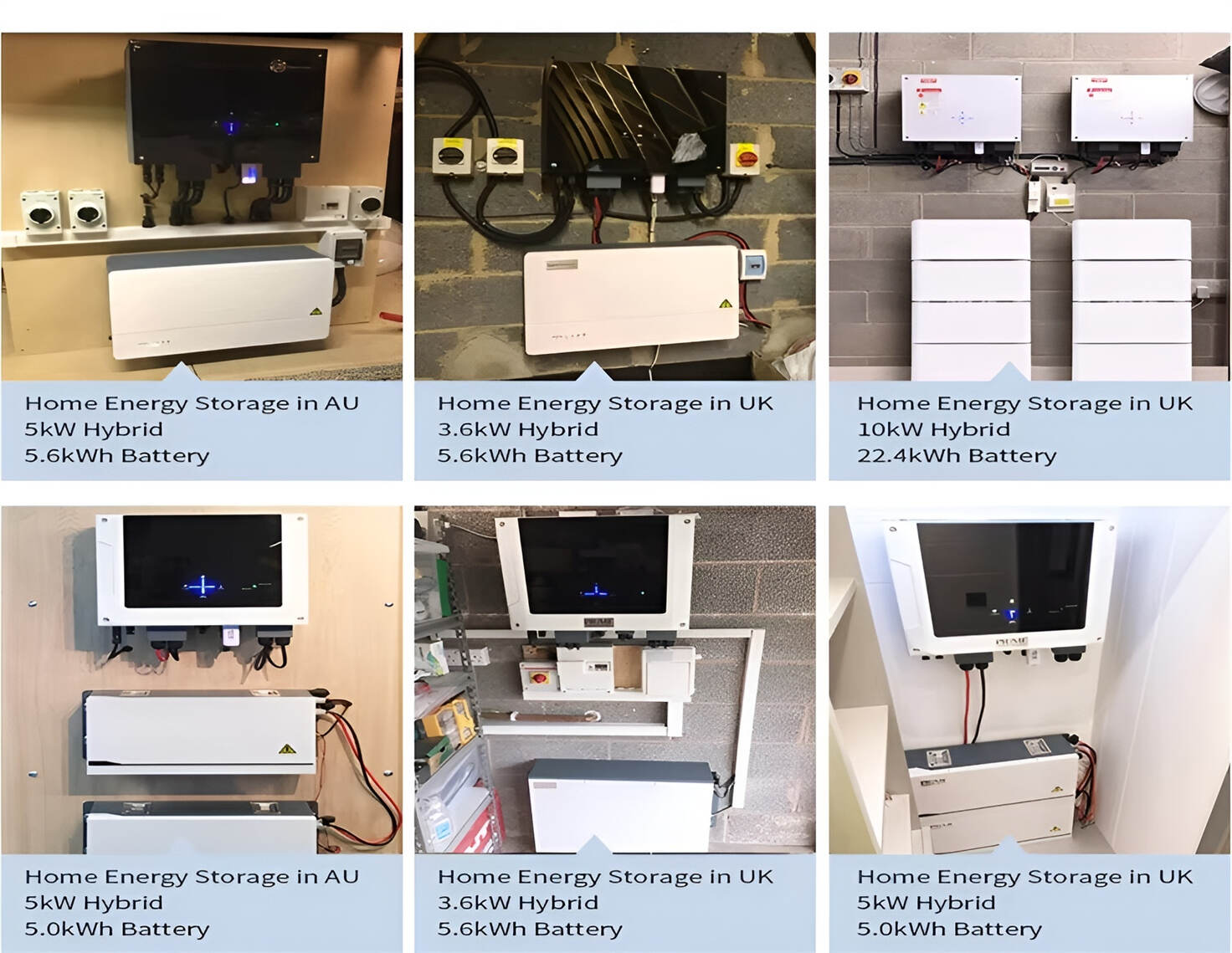
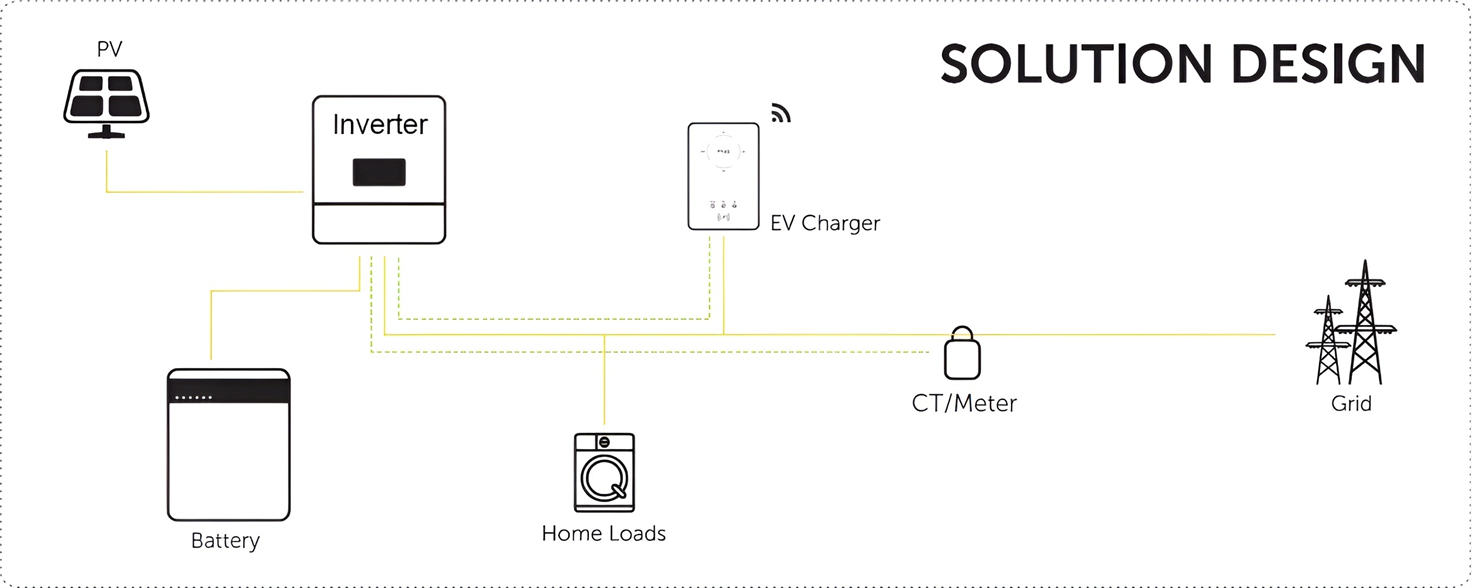
Well-designed Solutions for Energy Storage Systems
We will design the perfect energy storage system solution according to your needs, so that you can easily solve the specific industry applications of battery products.


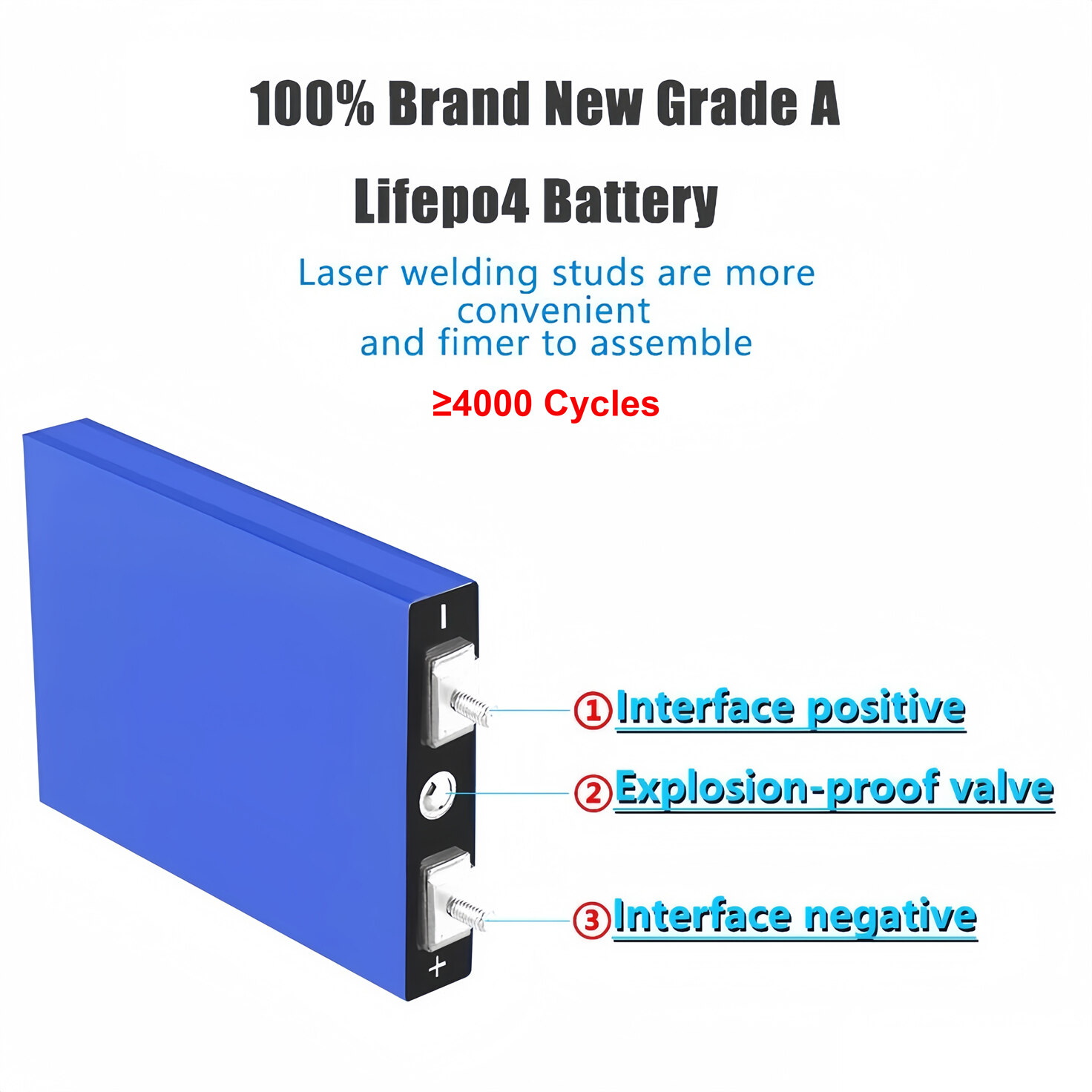
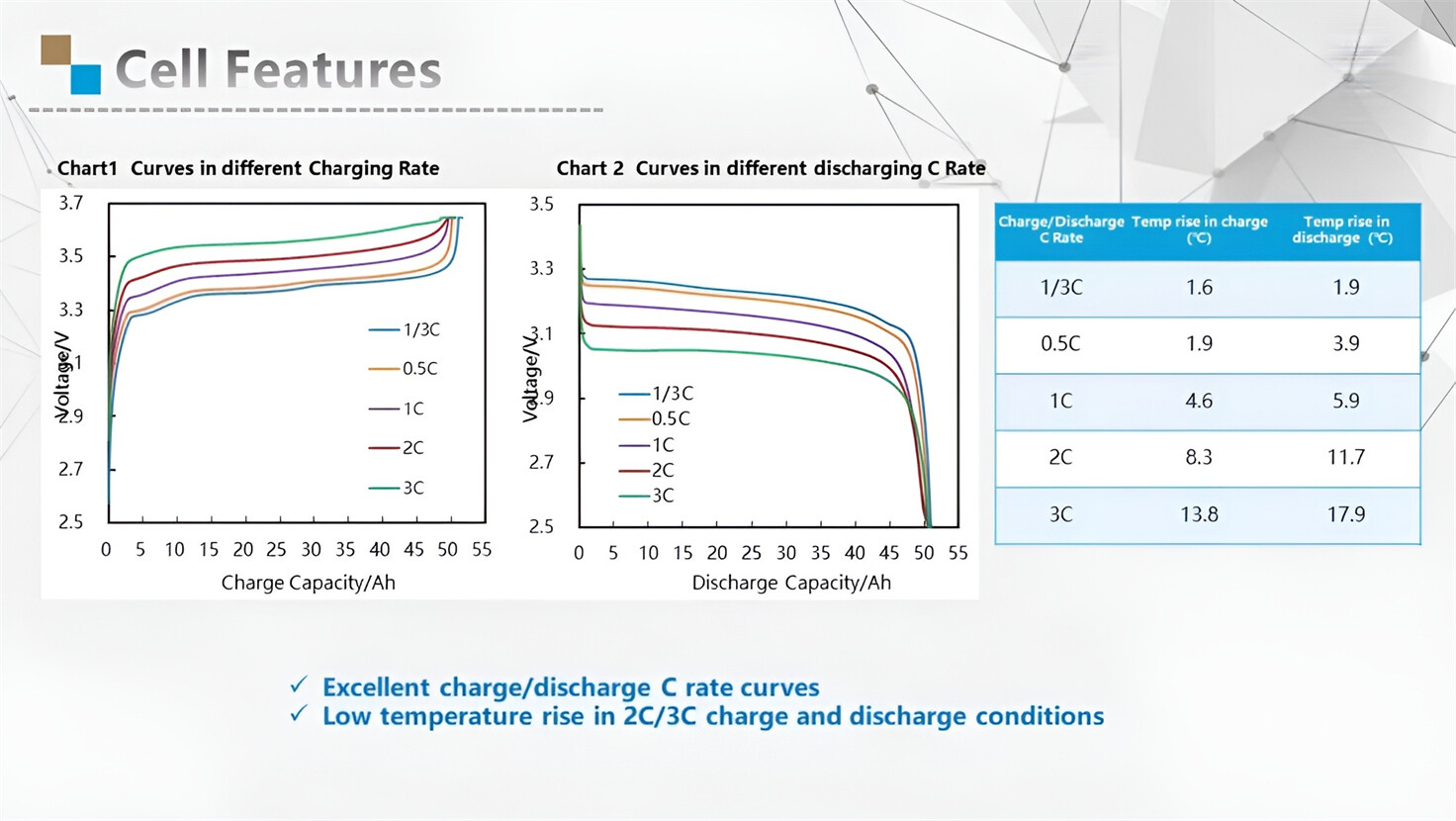
About Our Battery Cells
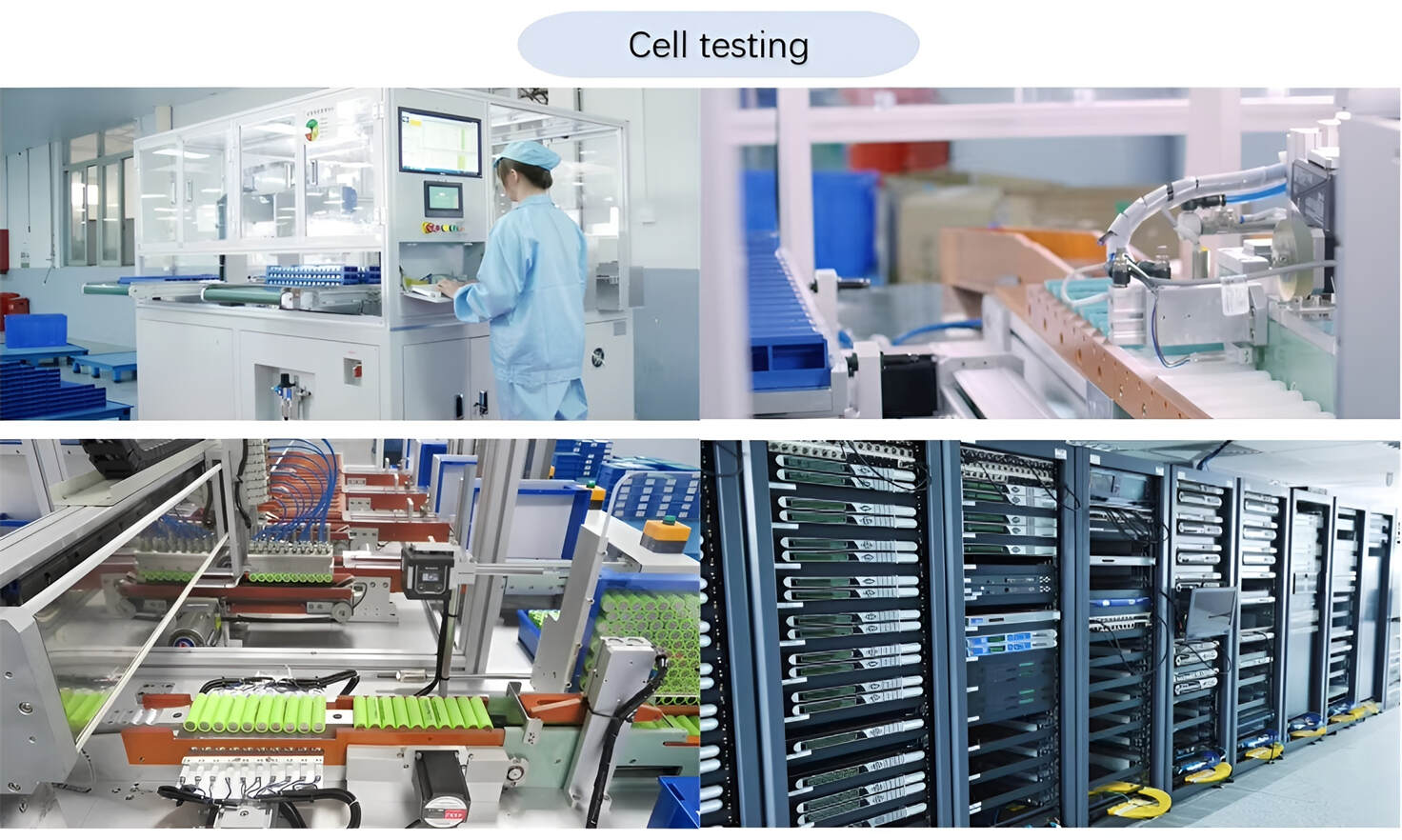
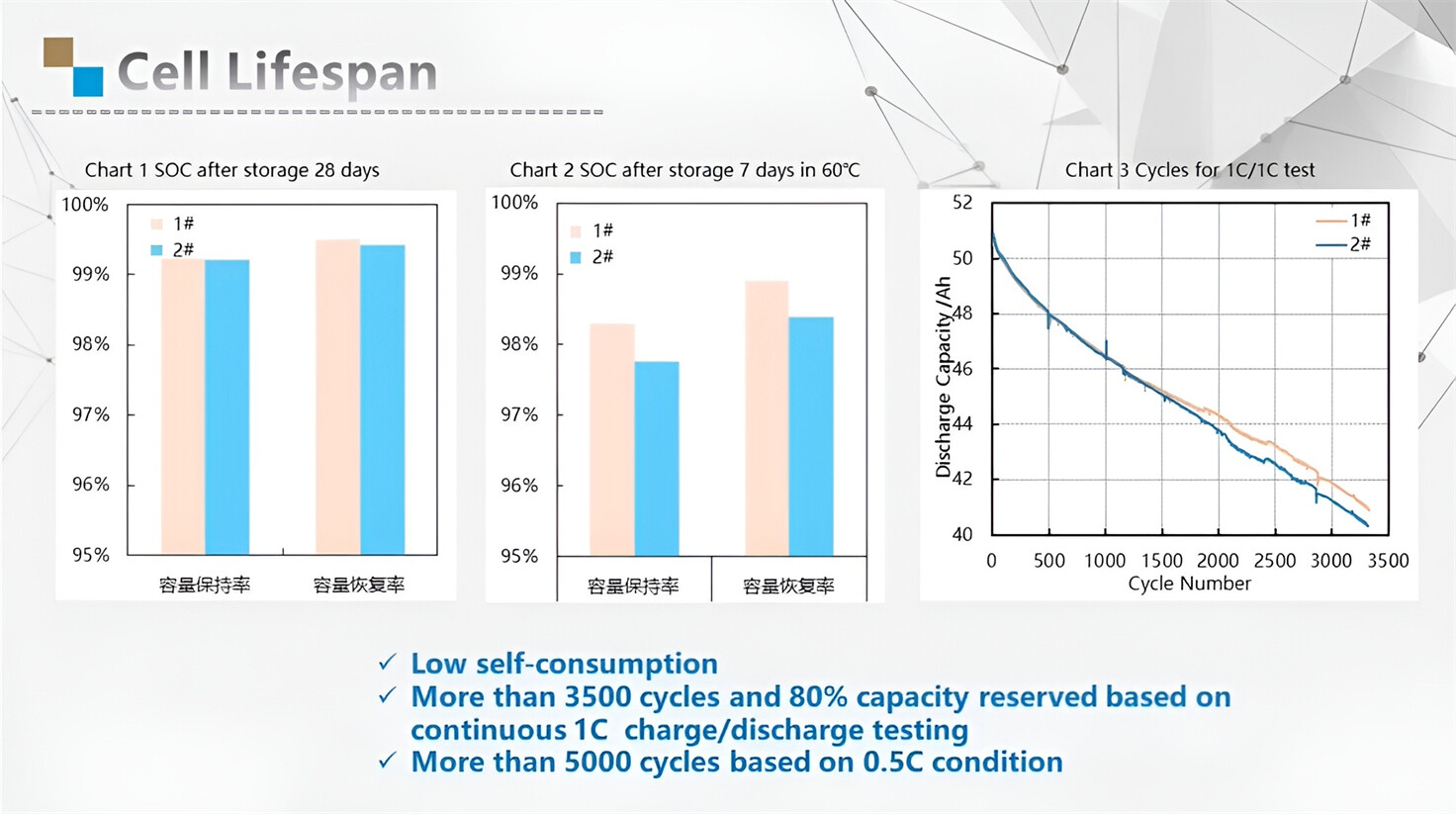
Our energy storage system products use brand new grade A LiFePO4 cells with a battery lifespan of more than 4,000 charge/discharge cycles.
Applications in Different Industries
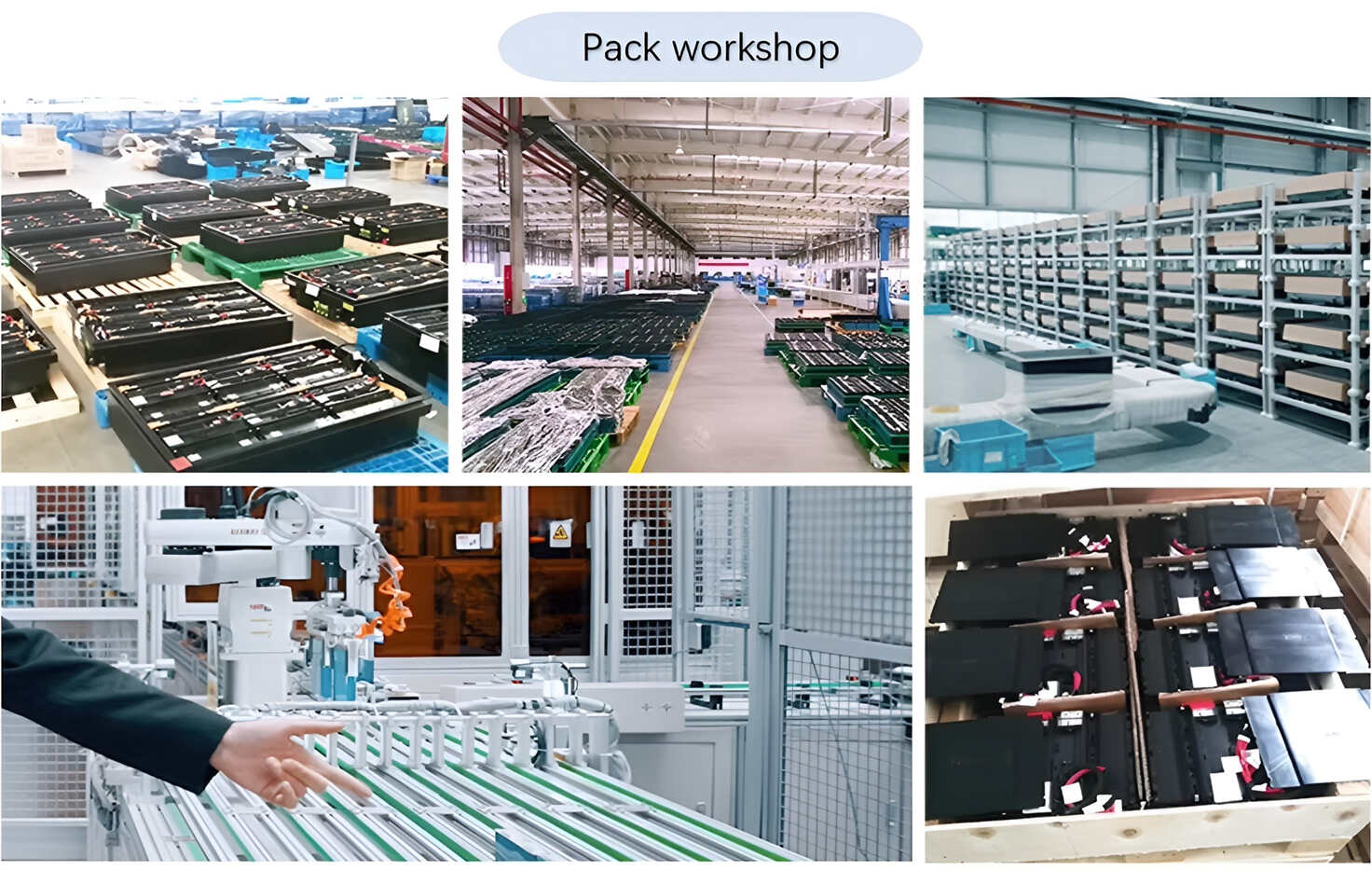
We supply customized & OEM battery pack, assemble cells with wiring, fuse and plastic cover, all the cell wires connected to PCB plug or built BMS.
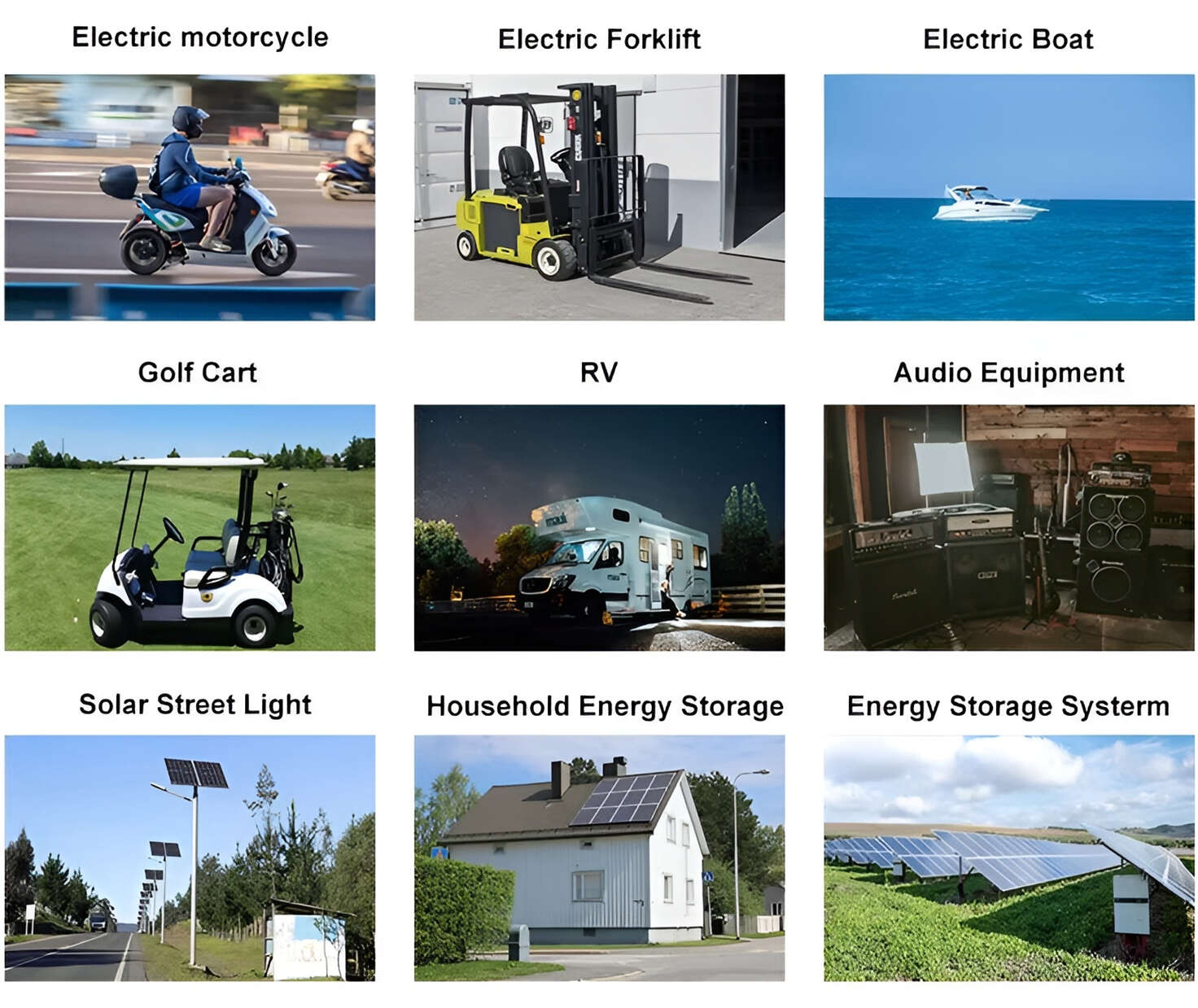
Applications: E-bike, Electric Scooter, Golf Carts, RV, Electric Wheelchair, Electric Tools, Robot Cleaner, Robot Sweeper, Solar Energy Storage System, Emergency Light, Solar Power Light, Medical Equipment, UPS Backup Power Supply.
We can provide you with customized services. We have the ability to provide a vertical supply chain, from single cells to pack/module and to a complete power solution with BMS, etc.

HomSolar (Shenzhen) Technology Co., Ltd