Advances In Battery Safety: From Materials Engineering To Smart System Integration
The global transition towards electrification, powered by the proliferation of electric vehicles (EVs) and grid-scale energy storage, hinges on the advancement of lithium-ion batteries (LIBs) and their successors. While energy density and cost have historically been the primary drivers of battery research, safety has now emerged as an equally critical frontier. Catastrophic battery failures, characterized by thermal runaway—an uncontrollable self-heating process—pose significant risks. Recent scientific progress is fundamentally reshaping our approach to battery safety, moving from passive containment to active prevention and intelligent management through innovations in materials science, electrolyte design, and integrated sensing technologies.
The Thermo-Chemical Challenge of Thermal Runaway
The genesis of a safety incident typically lies in the abuse conditions—thermal, mechanical, or electrical—that trigger a cascade of exothermic reactions. These begin with the decomposition of the solid-electrolyte interphase (SEI), proceed to the reaction between the anode and electrolyte, and culminate in the breakdown of the cathode material and the electrolyte itself, releasing oxygen and combustible gases. The key to enhancing safety is to raise the onset temperature of each of these reactions and to mitigate their consequences.
Material-Level Innovations: Building Intrinsic Safety
A significant thrust of recent research focuses on engineering electrode materials with inherently higher thermal stability.
1. Cathode Engineering: Conventional layered oxide cathodes (e.g., NMC, NCA) are prone to oxygen release at high temperatures, which fuels the thermal runaway fire. Research has made substantial strides in surface coating and bulk doping. For instance, the application of uniform nanoscale coatings of Al2O3, ZrO2, or Li3PO4 acts as a physical barrier, suppressing detrimental side reactions and inhibiting oxygen release from the cathode particles (Li et al.,Nature Energy, 2022). Furthermore, doping with elements like Al or Ti strengthens the crystal structure, raising the temperature required for its collapse.
2. Anode and Separator Advancements: The lithium-plated graphite anode is a primary trigger for internal short circuits. Alternatives like lithium titanate (LTO) anodes, while lower in energy density, offer exceptional thermal stability and eliminate lithium plating. For conventional graphite anodes, the separator is a critical line of defense. The industry-wide shift from polyolefin-based separators to ceramic-coated separators has significantly improved thermal shrinkage resistance. The latest breakthrough involves the development ofshutdown separators. These advanced separators incorporate thermally responsive polymers that melt and close their pores at a specific temperature (e.g., 130°C), effectively shutting down ion transport and preventing further electrochemical reactions before thermal runaway can initiate (Zhang et al.,Advanced Materials, 2023).
Revolutionizing the Electrolyte: From Flammable to Fire-Resistant
The organic liquid electrolyte, being highly flammable, is the primary fuel in a battery fire. Replacing it with non-flammable or flame-retardant alternatives is a major research goal.
1. Solid-State Batteries (SSBs): This is the most promising long-term solution. By replacing the liquid electrolyte with a solid ceramic, polymer, or sulfide electrolyte, the primary fuel source is eliminated. SSBs are inherently non-flammable and often exhibit wider operating temperature ranges. Recent progress has been in improving the ionic conductivity of solid electrolytes and mitigating interfacial resistance between the solid electrolyte and electrodes. Pilot-scale production lines for SSBs are now being established, marking a pivotal step from lab to market.
2. Liquid Electrolyte Formulations: As a near-term solution, significant effort is dedicated to formulating safer liquid electrolytes. The strategic addition of flame-retardant additives, such as organophosphates, has proven effective. These compounds interfere with the free radical chain reaction of combustion, effectively extinguishing potential fires. Another innovative approach involvesredox shuttle additives, which can electrochemically dissipate overcharge energy as heat, preventing voltage-driven degradation and subsequent failure (Chen et al.,Joule, 2023).
3. Quasi-Solid and Gel Electrolytes: Bridging the gap between liquid and solid states, high-concentration "solvent-in-salt" electrolytes and gel polymer electrolytes offer a compromise. They reduce the volatile solvent content, thereby lowering flammability, while maintaining good interfacial contact and ionic conductivity comparable to conventional liquids.
System-Level Intelligence: Early Detection and Proactive Management
Beyond intrinsic material safety, the paradigm is shifting towards "smart" batteries equipped with embedded sensors and advanced battery management systems (BMS).
1. Internal Sensing: Traditional BMS relies on external voltage and temperature readings, which are lagging indicators of internal failure. The integration of miniaturized sensors directly inside the cell is a groundbreaking development. Researchers have successfully embedded fiber Bragg grating (FBG) sensors to monitor internal strain and temperature with high precision, and even micro-sensors for detecting internal pressure buildup—a direct precursor to gas evolution and swelling (Meyer et al.,Nature Communications, 2022). This provides a critical early warning signal long before external temperature rises.
2. AI-Powered Diagnostics and Prognostics: The vast amount of data from these sensors, combined with operational data, is being leveraged by machine learning algorithms. These AI models can detect subtle anomalies in voltage curves and impedance spectra that are indicative of nascent faults like lithium plating or micro-shorts. This enables predictive safety management, allowing the system to derate performance or alert for maintenance before a critical condition develops.
3. Thermal Management System (TMS) Integration: Advanced TMS designs are evolving from simple cooling loops to proactive systems integrated with the BMS. For example, a TMS can be instructed to pre-emptively cool a cell that an AI algorithm has identified as being at a higher risk, or to direct coolant flow to a localized hotspot detected by internal sensors.
Future Outlook and Challenges
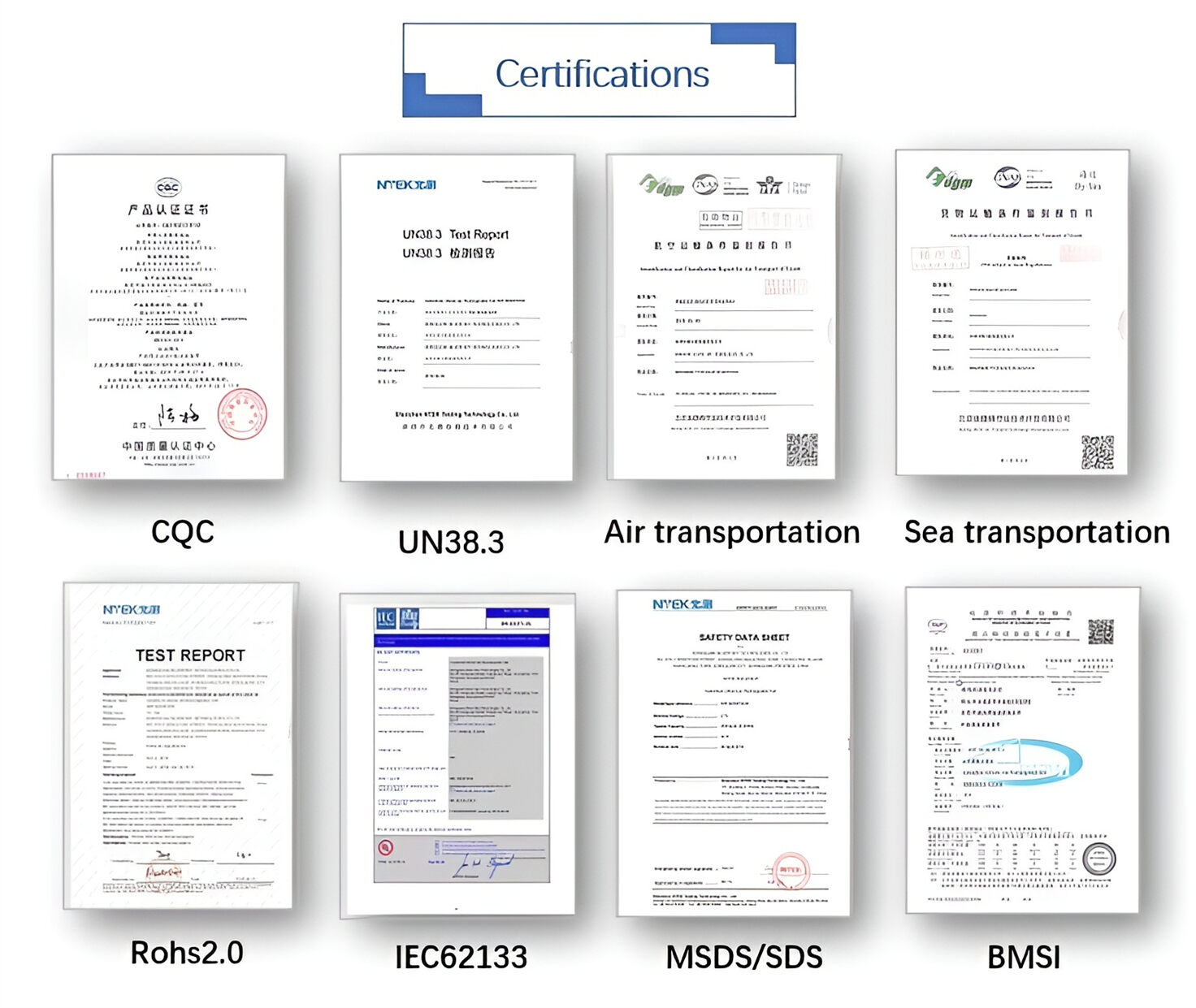
The future of battery safety lies in a holistic, multi-scale approach. The ultimate goal is the development of "fail-safe" batteries that are intrinsically resistant to abuse and capable of self-diagnosis and mitigation. The pathway forward will involve:Hybrid Systems: The integration of solid-state electrolytes with stable cathode/anode materials will likely dominate next-generation high-safety cells.Multi-Functional Materials: Research will focus on materials that serve dual purposes, such as self-healing electrodes that repair micro-cracks or electrolytes that can autonomously form a protective layer upon mechanical damage.Standardization and Regulation: As new technologies emerge, establishing robust safety testing standards and regulations for these advanced systems will be crucial for consumer confidence and market adoption.
In conclusion, the field of battery safety is undergoing a profound transformation. The convergence of materials science, electrochemistry, and data science is creating a new generation of energy storage devices that are not only more powerful but also fundamentally safer, thereby underpinning a secure and sustainable electrified future.
Customized/OEM/ODM Service
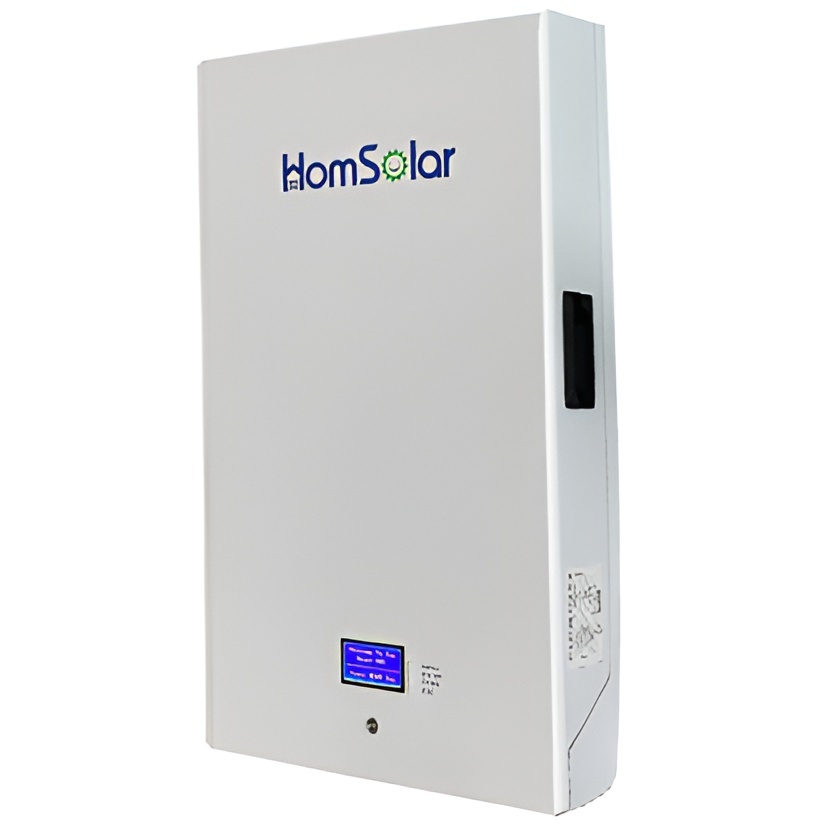
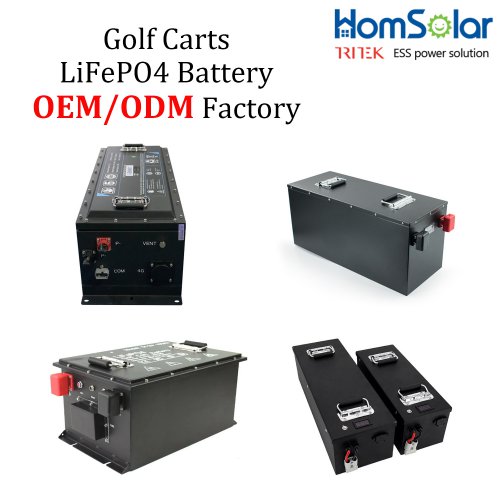
HomSolar Supports Lifepo4 battery pack customization/OEM/ODM service, welcome to contact us and tell us your needs.


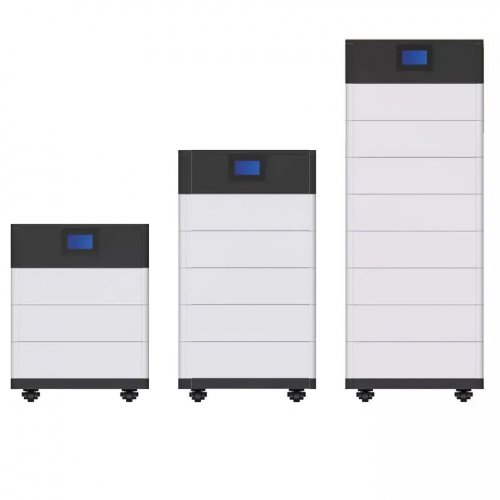
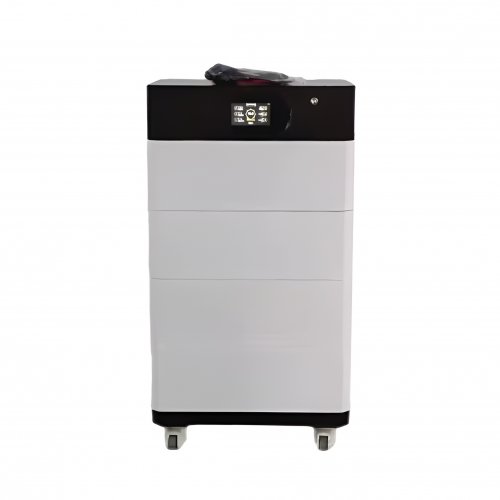
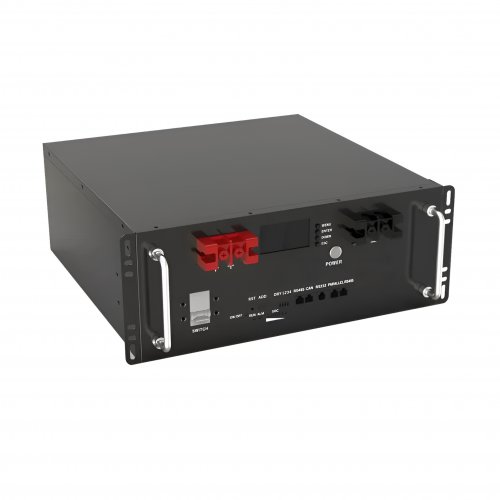
HomSolar: Your One-stop LiFePO4 Battery Pack & ESS Solution Manufacturer
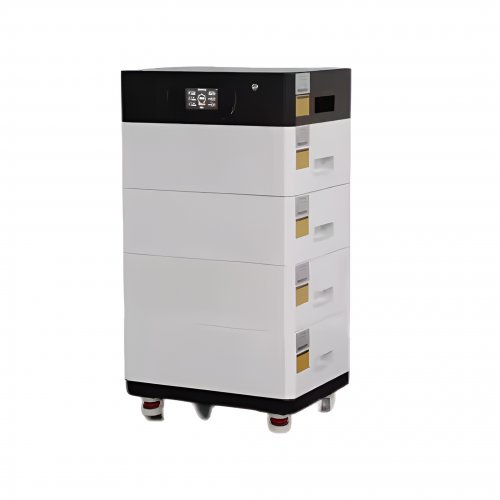
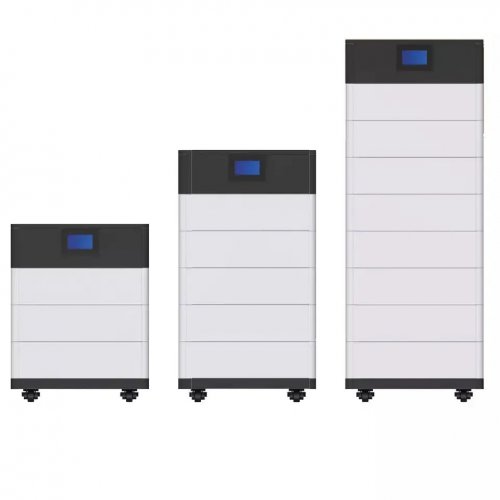
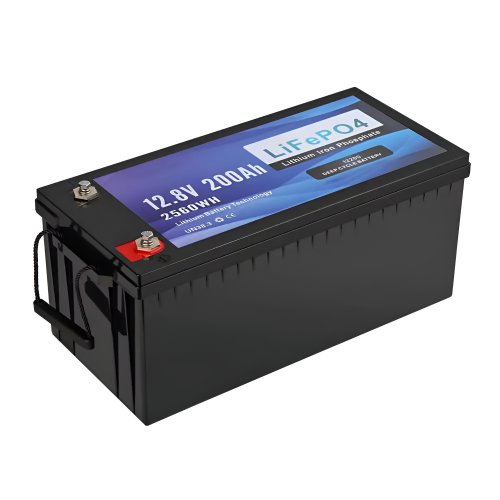
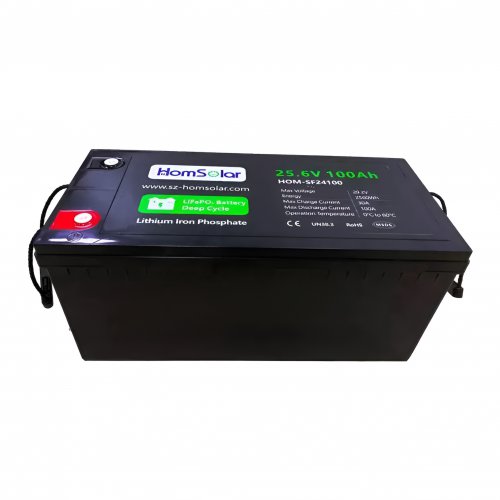
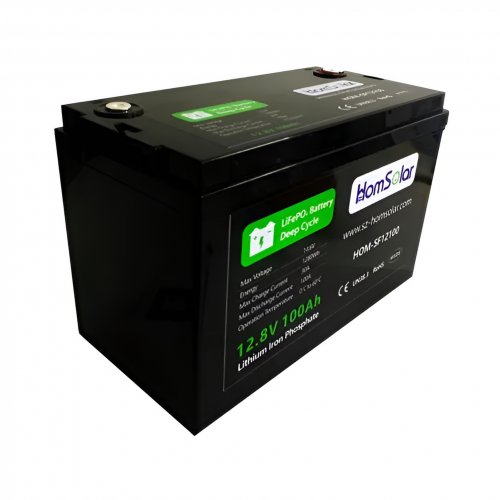
Our line of LiFePO4 (LFP) batteries offer a solution to demanding applications that require a lighter weight, longer life, and higher capacity battery. Features include advanced battery management systems (BMS), Bluetooth® communication and active intelligent monitoring.
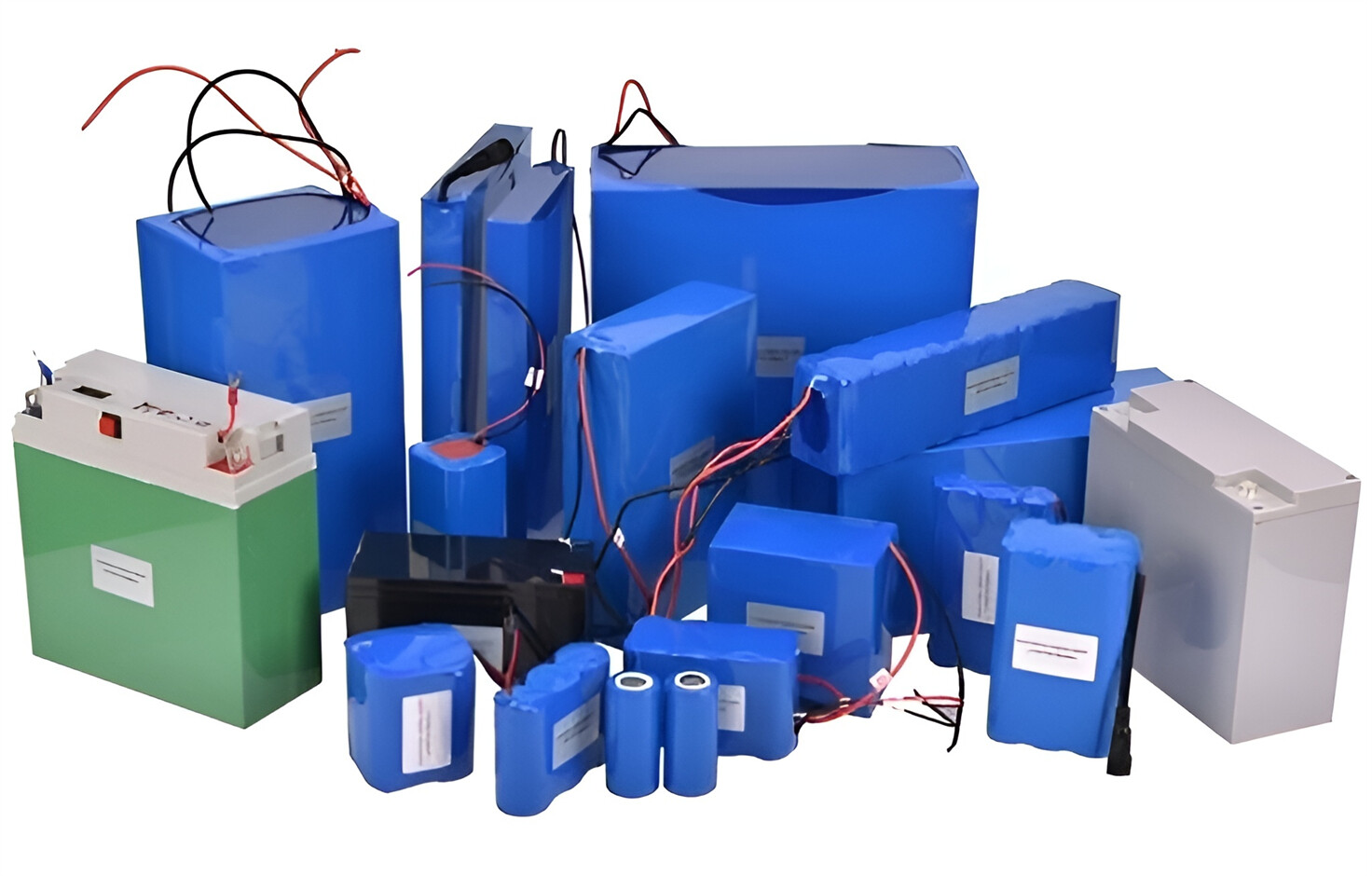
Customised Lithium Iron Phosphate Battery Casing
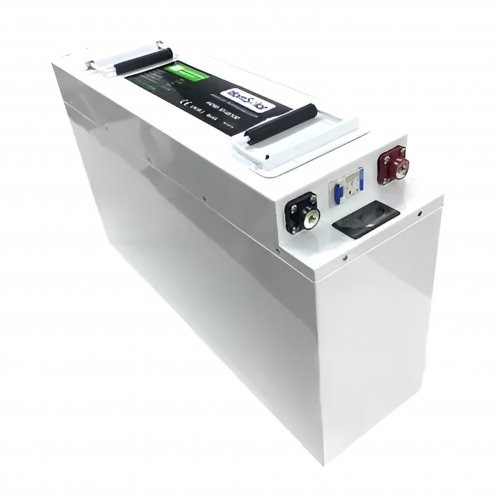
ABS plastic housing, aluminium housing, stainless steel housing and iron housing are available, and can also be designed and customised according to your needs.
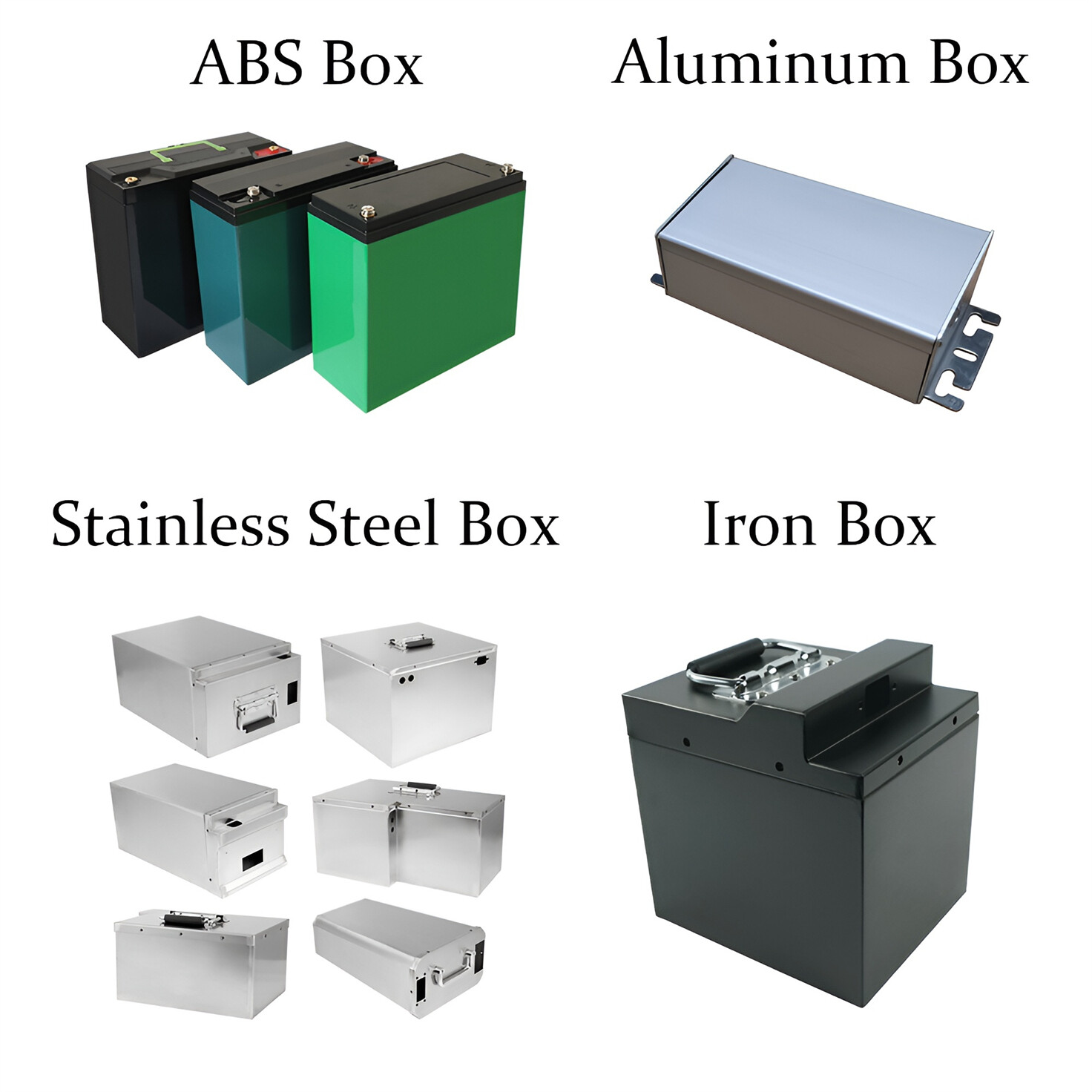
HomSolar Smart BMS
Intelligent Battery Management System for HomSolar Energy Storage System. Bluetooth, temperature sensor, LCD display, CAN interface, UART interface also available.

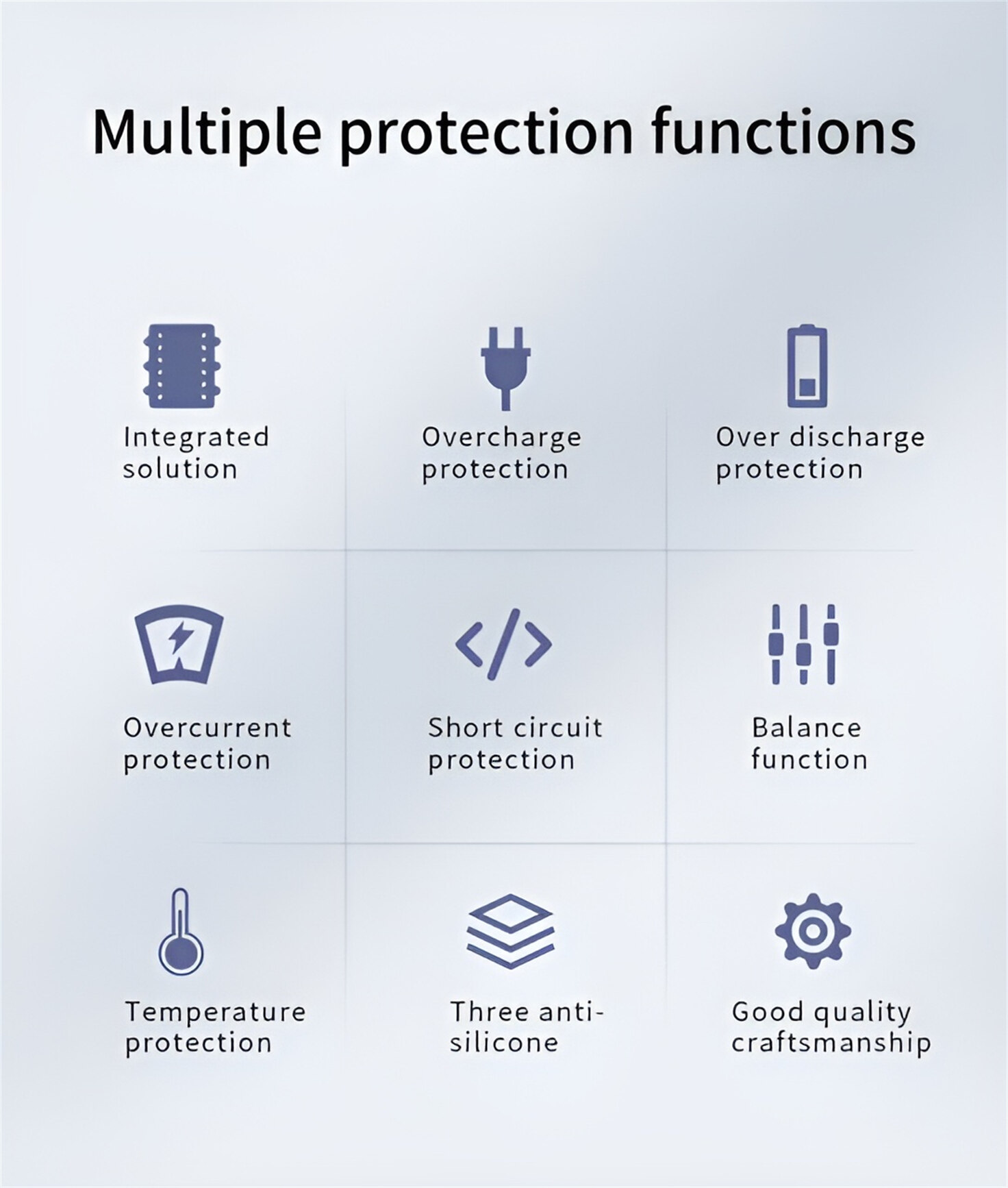
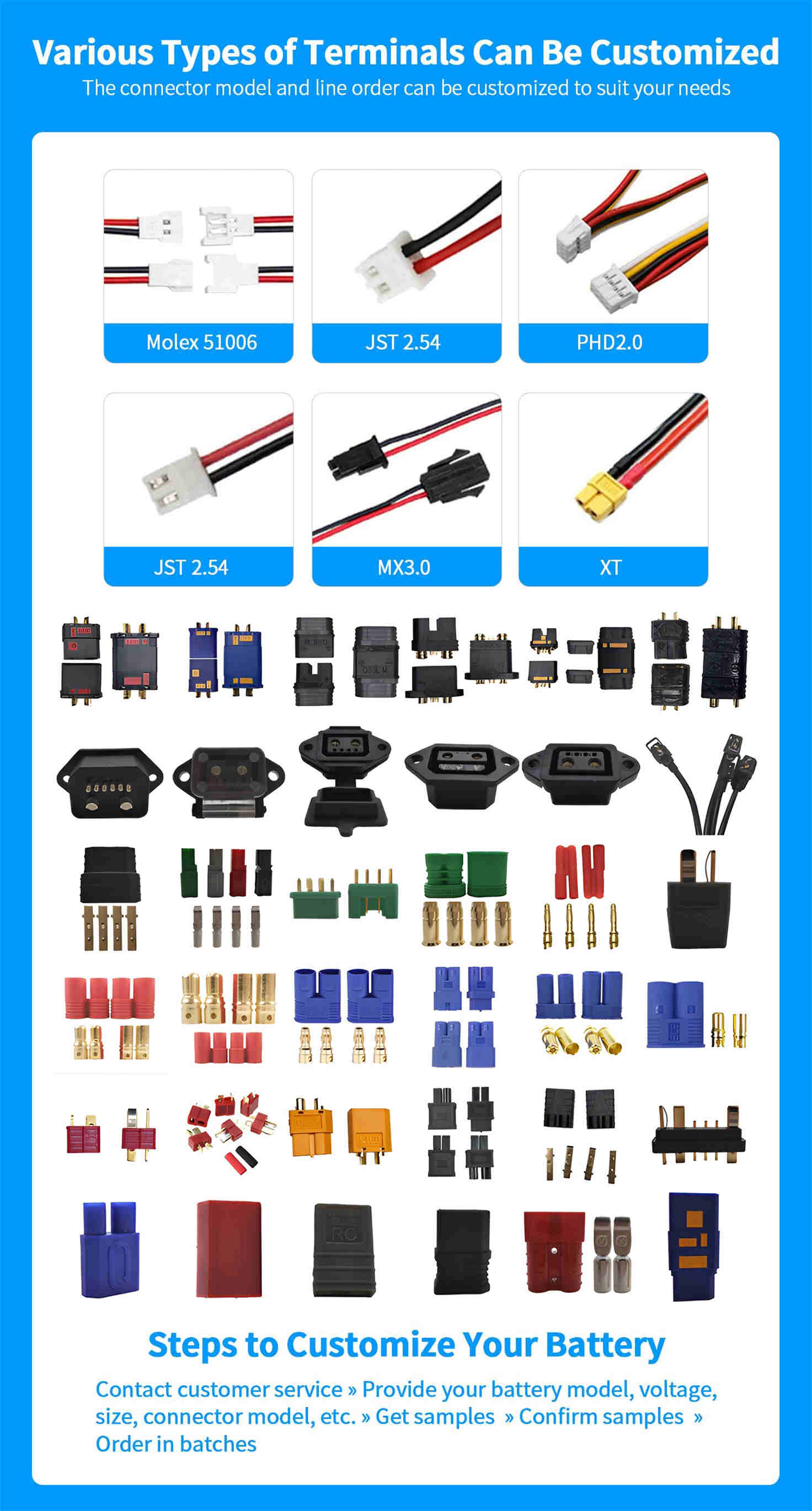
Terminals & Plugs Can Be Customized
A wide range of terminals and plugs can be customised to suit the application needs of your battery products.
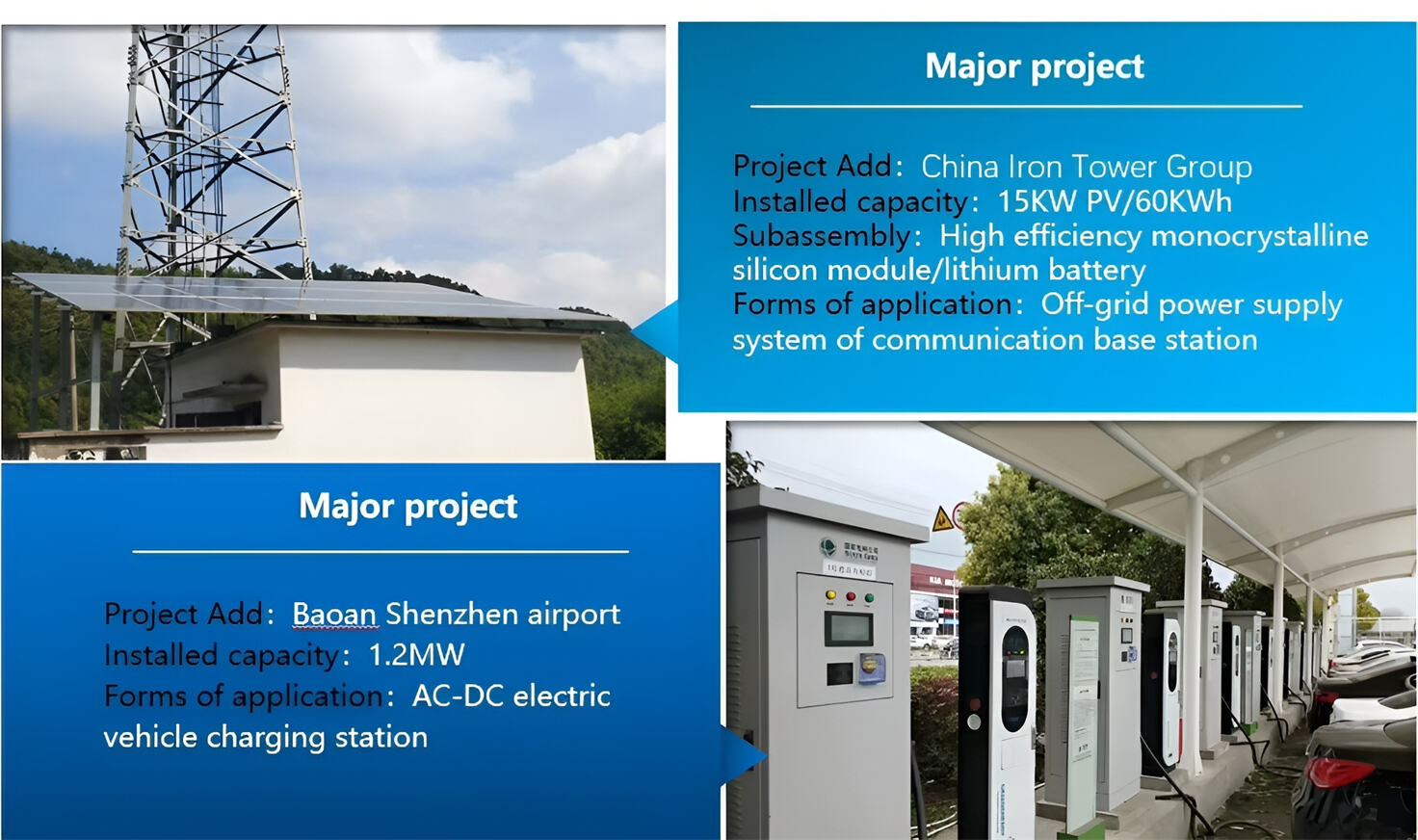
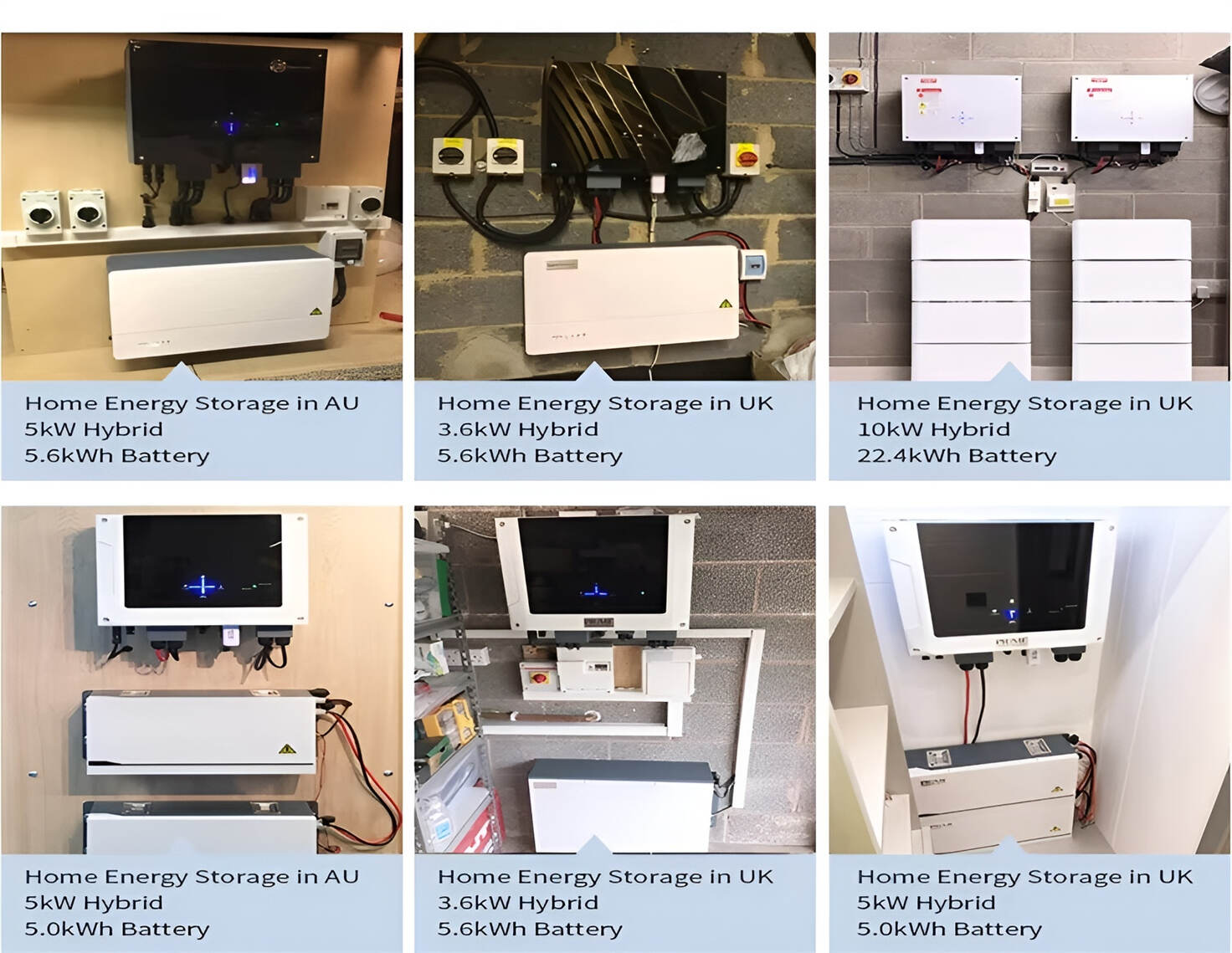
Well-designed Solutions for Energy Storage Systems
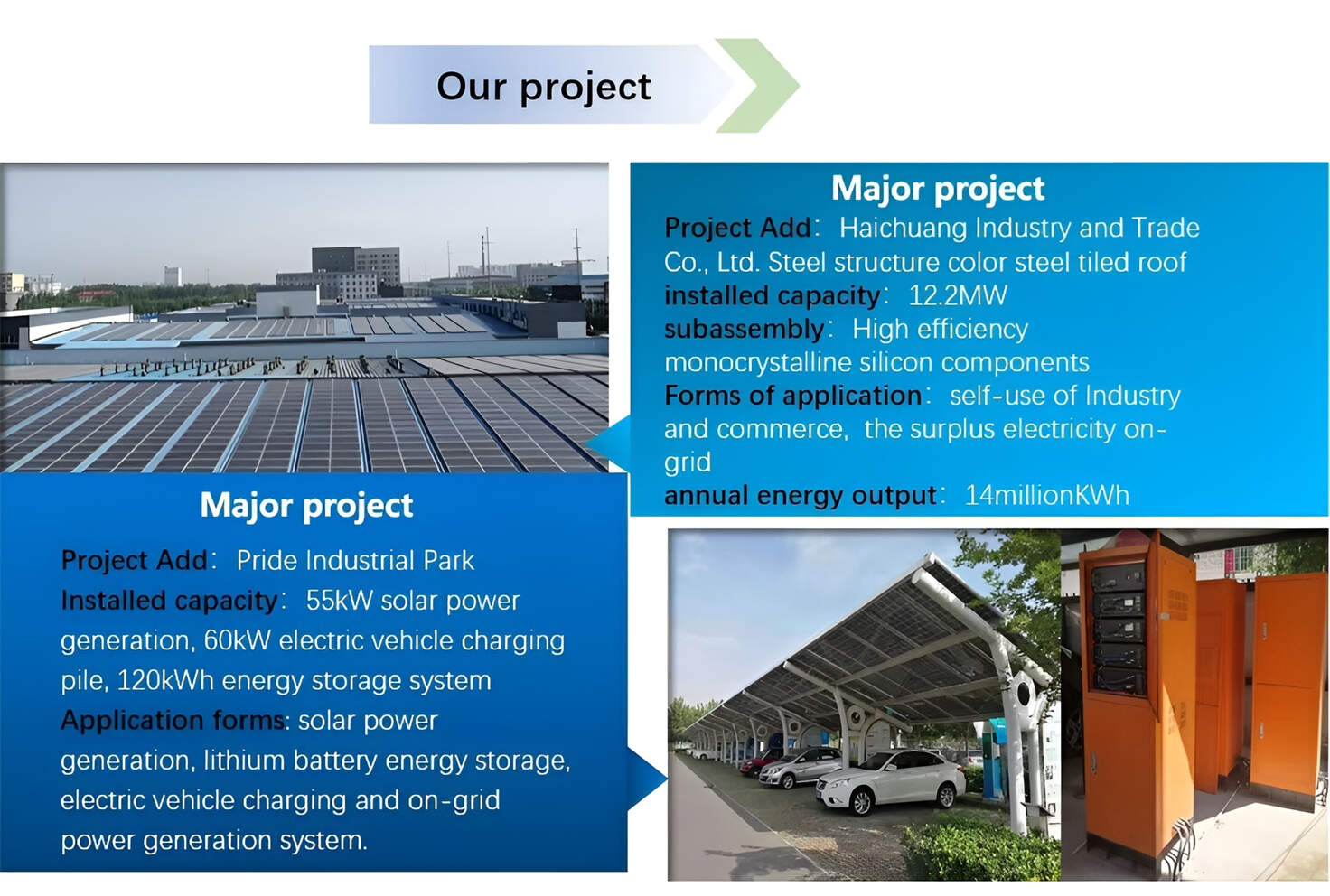
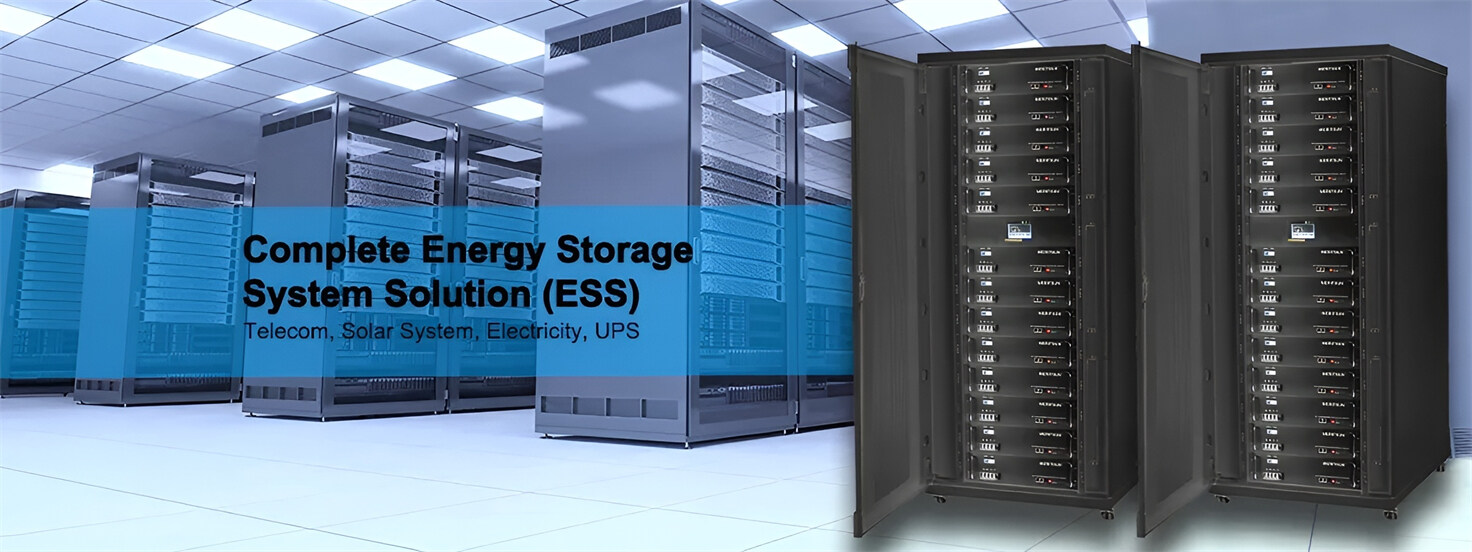
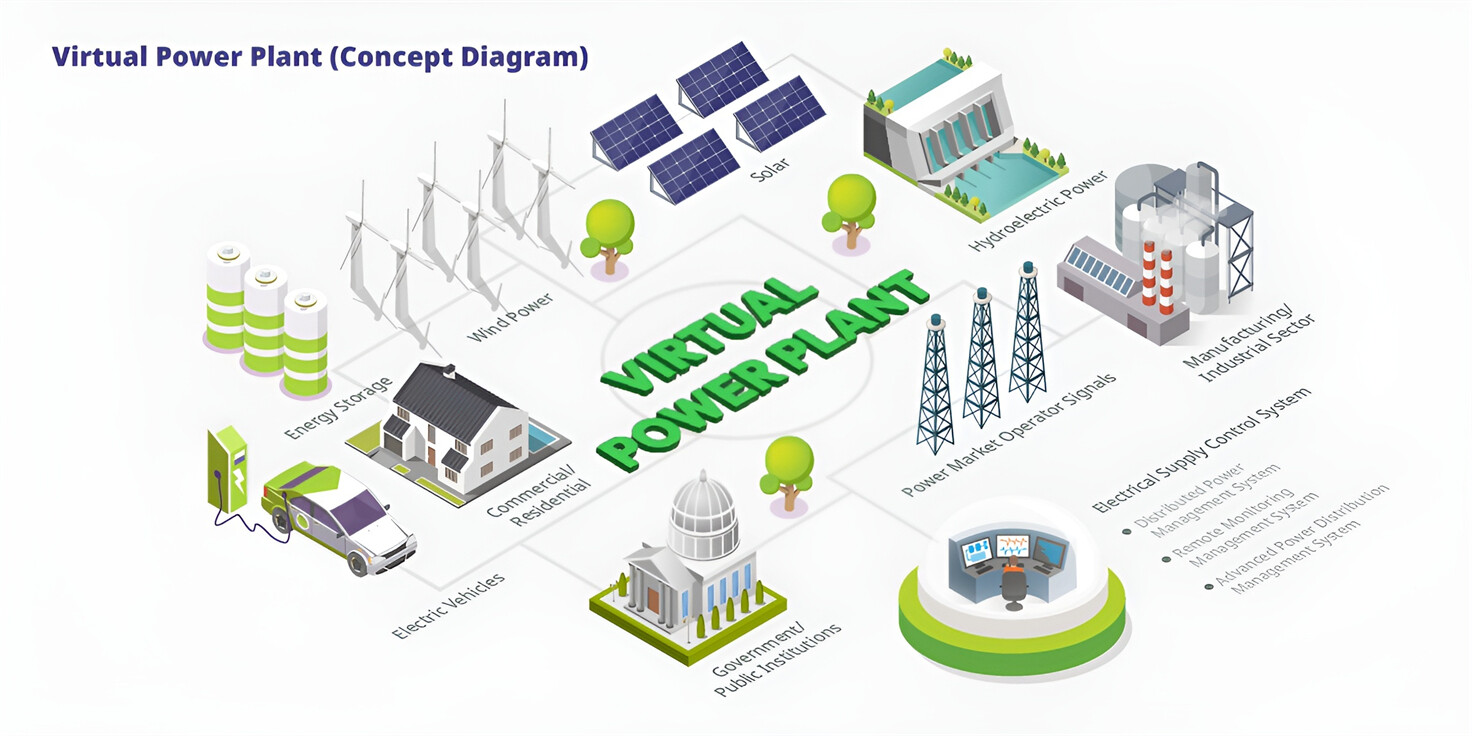
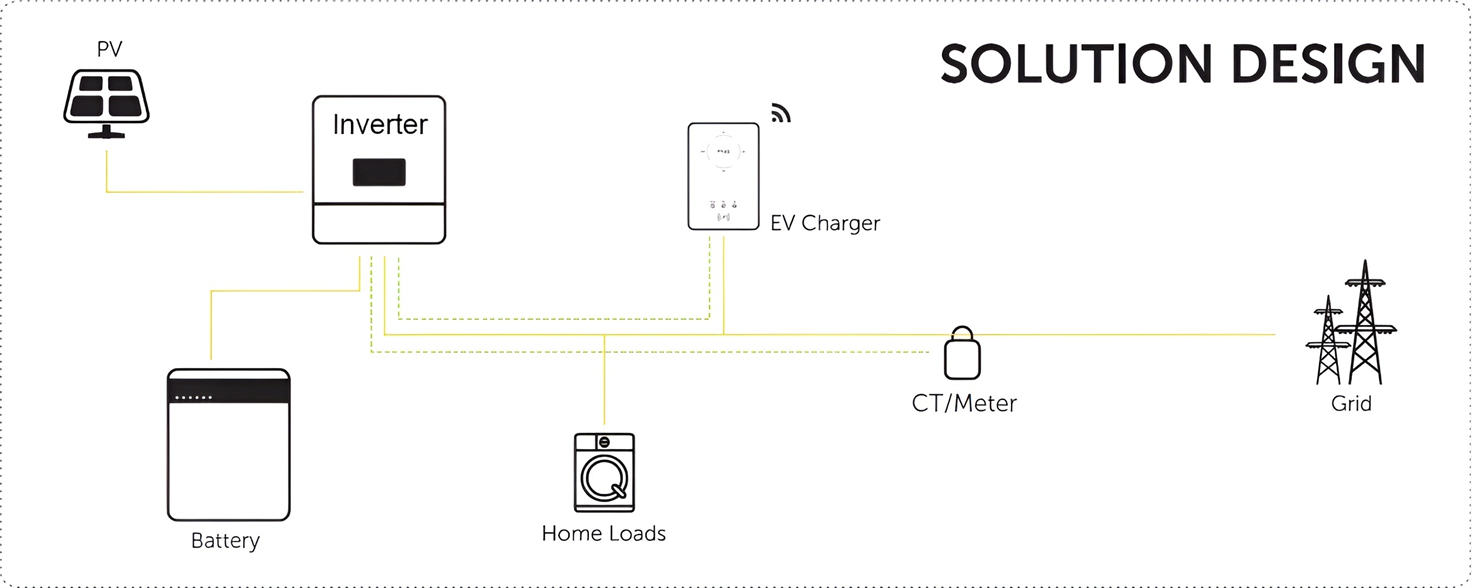
We will design the perfect energy storage system solution according to your needs, so that you can easily solve the specific industry applications of battery products.
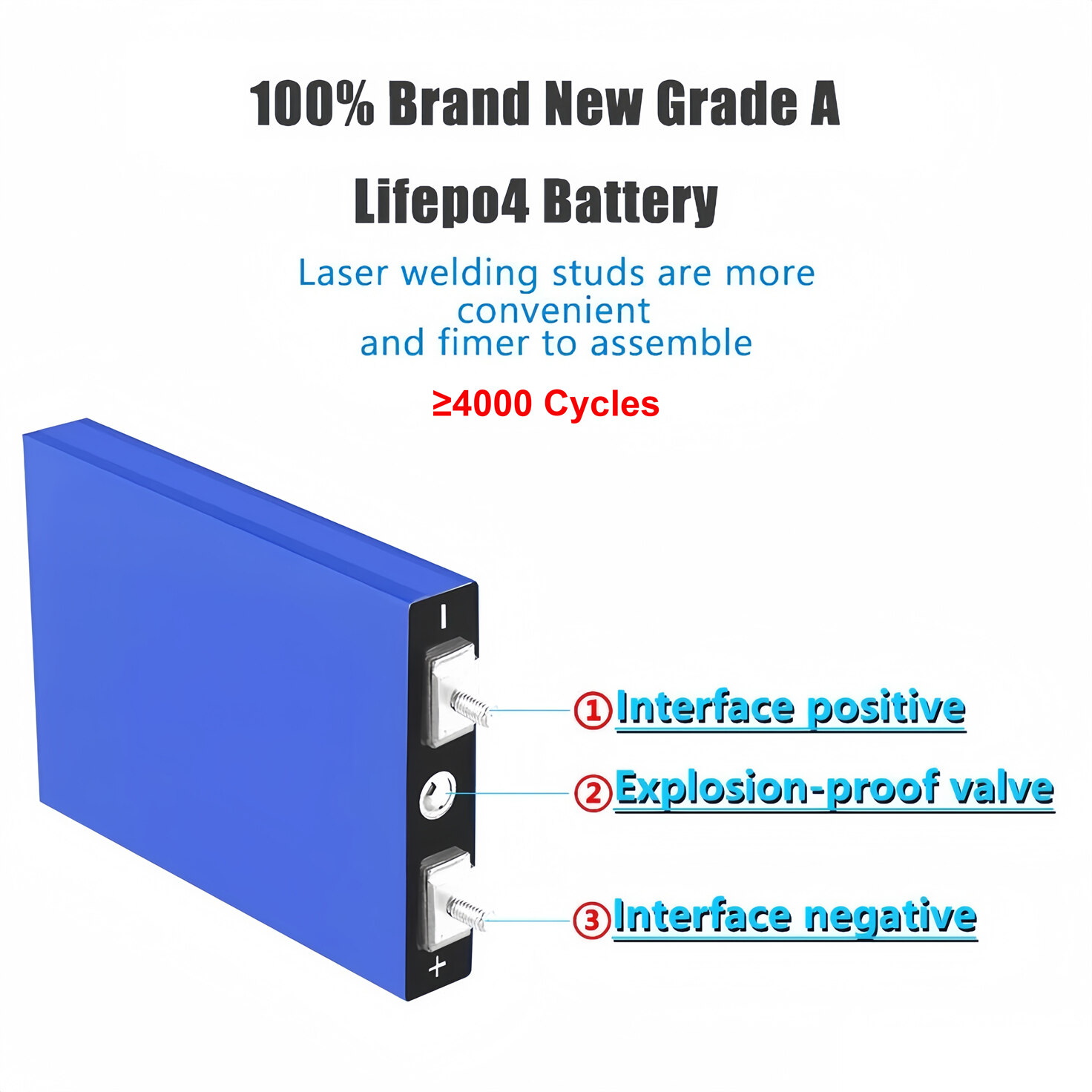
About Our Battery Cells
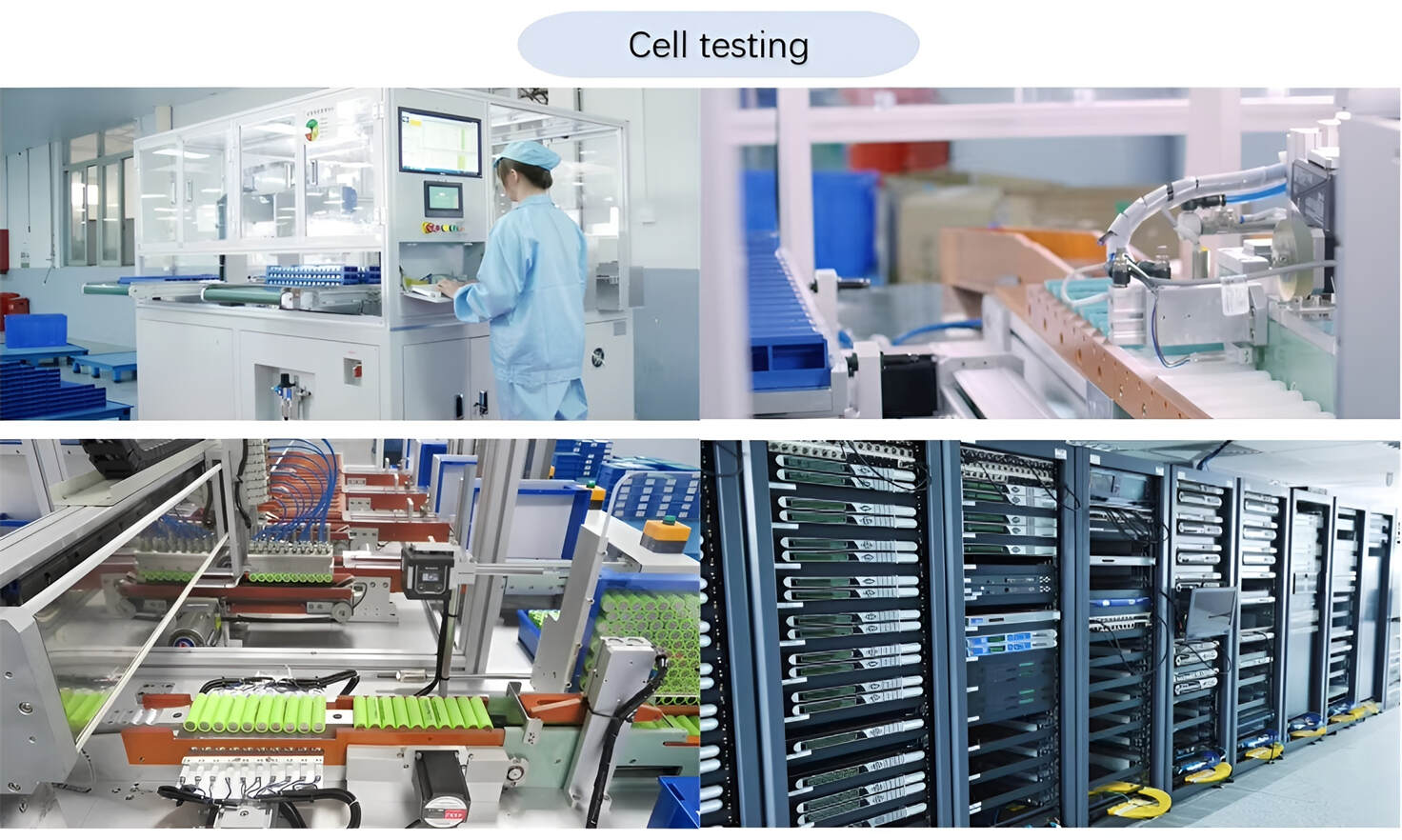
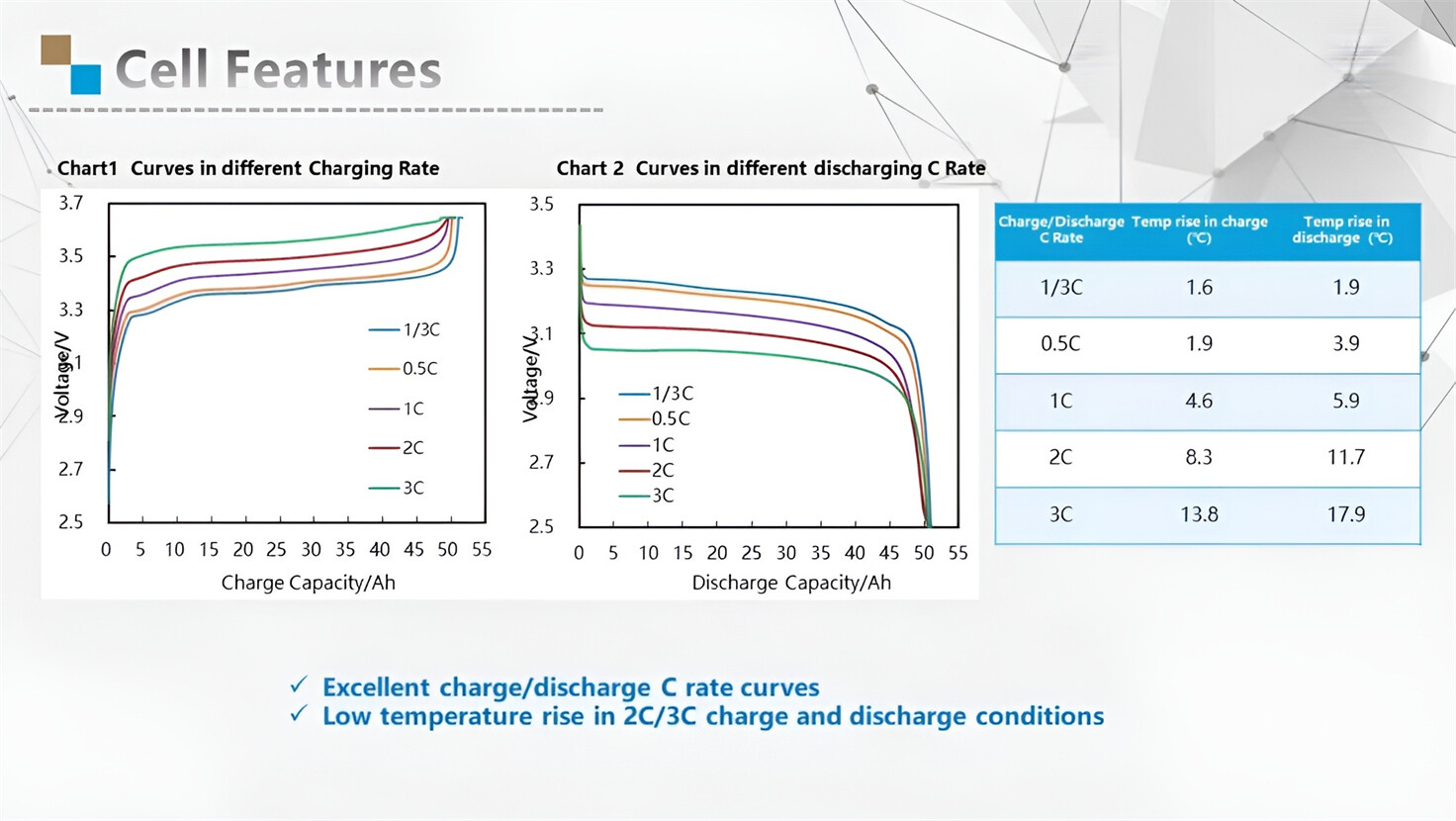
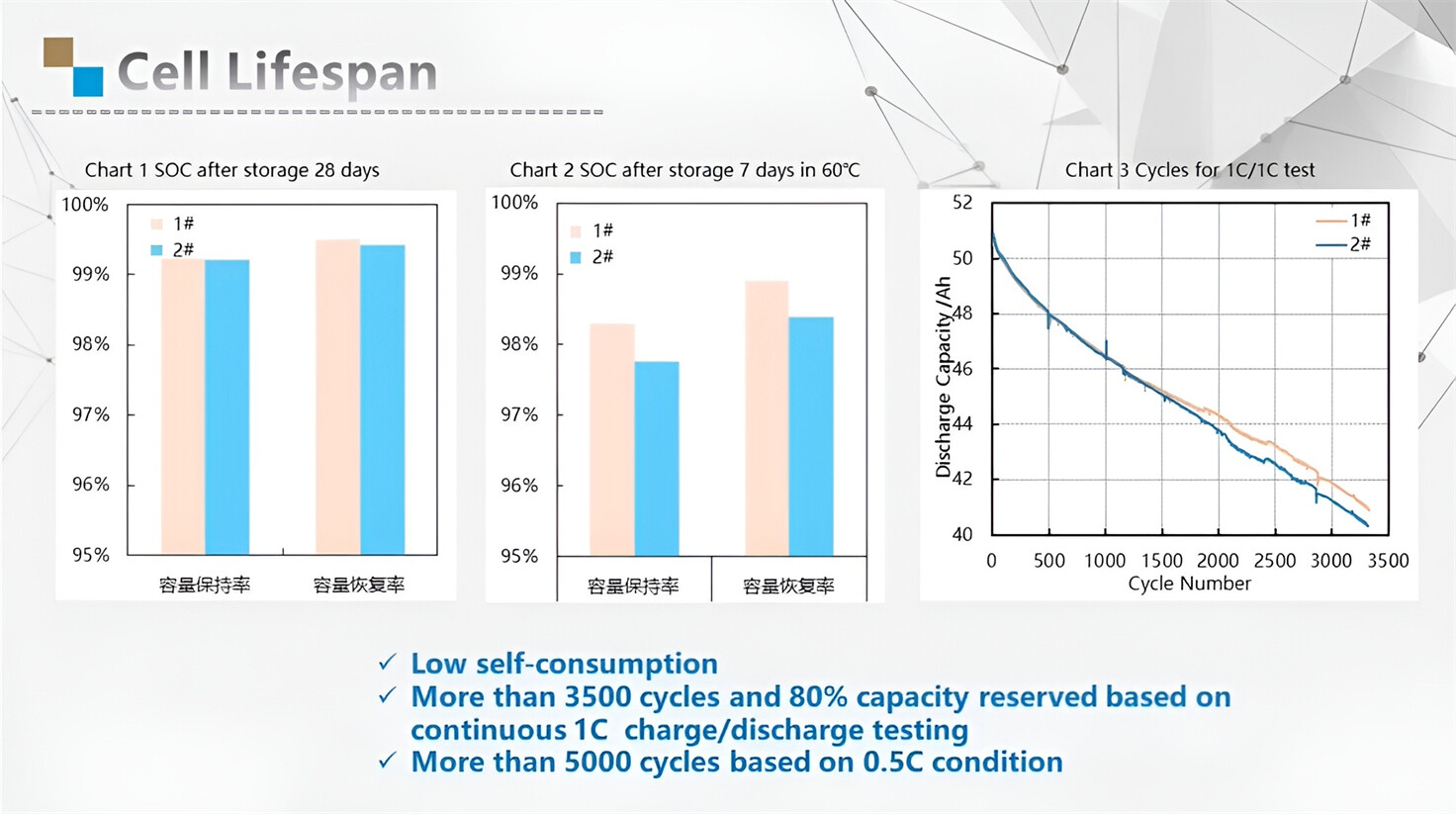
Our energy storage system products use brand new grade A LiFePO4 cells with a battery lifespan of more than 4,000 charge/discharge cycles.
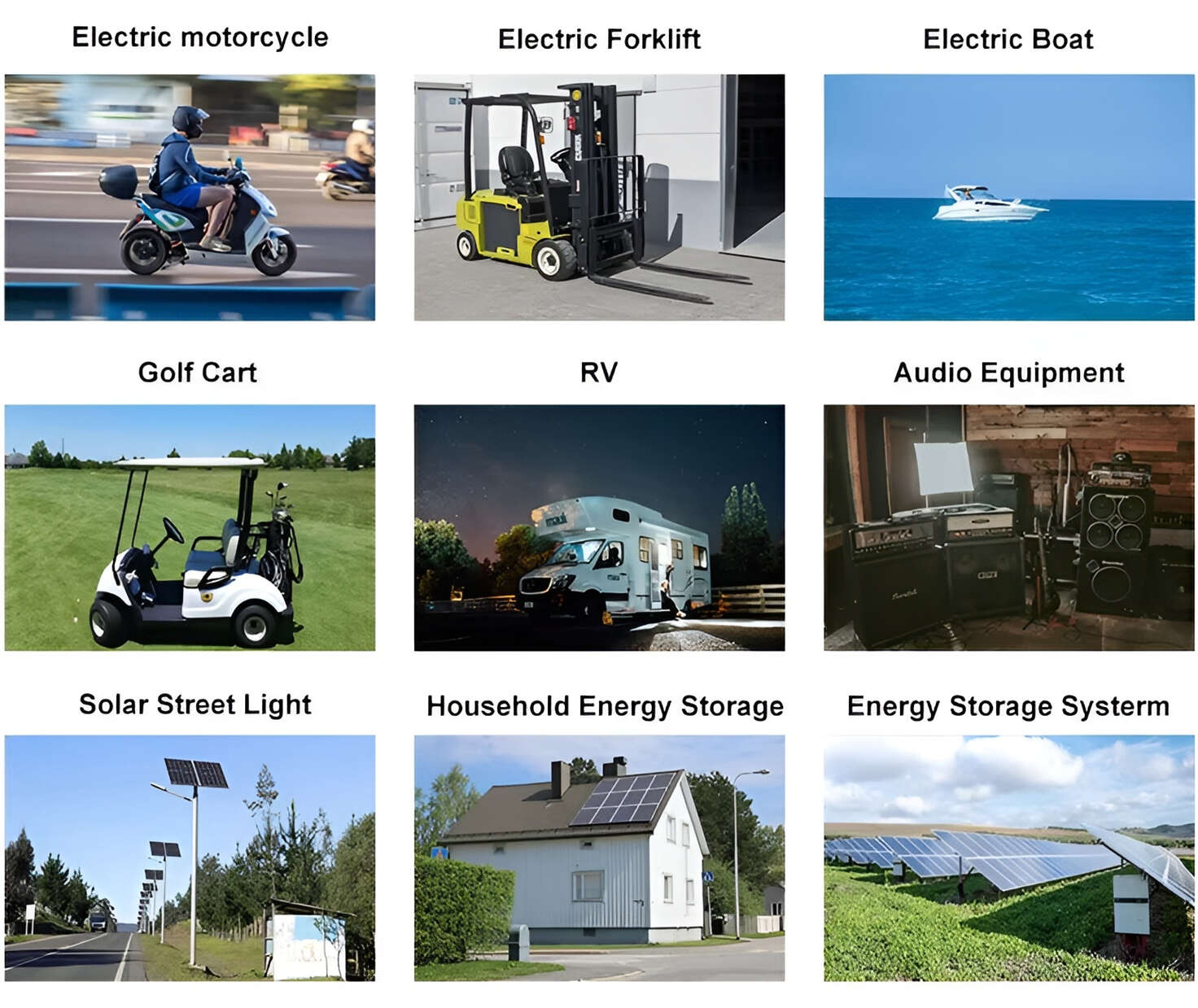
Applications in Different Industries
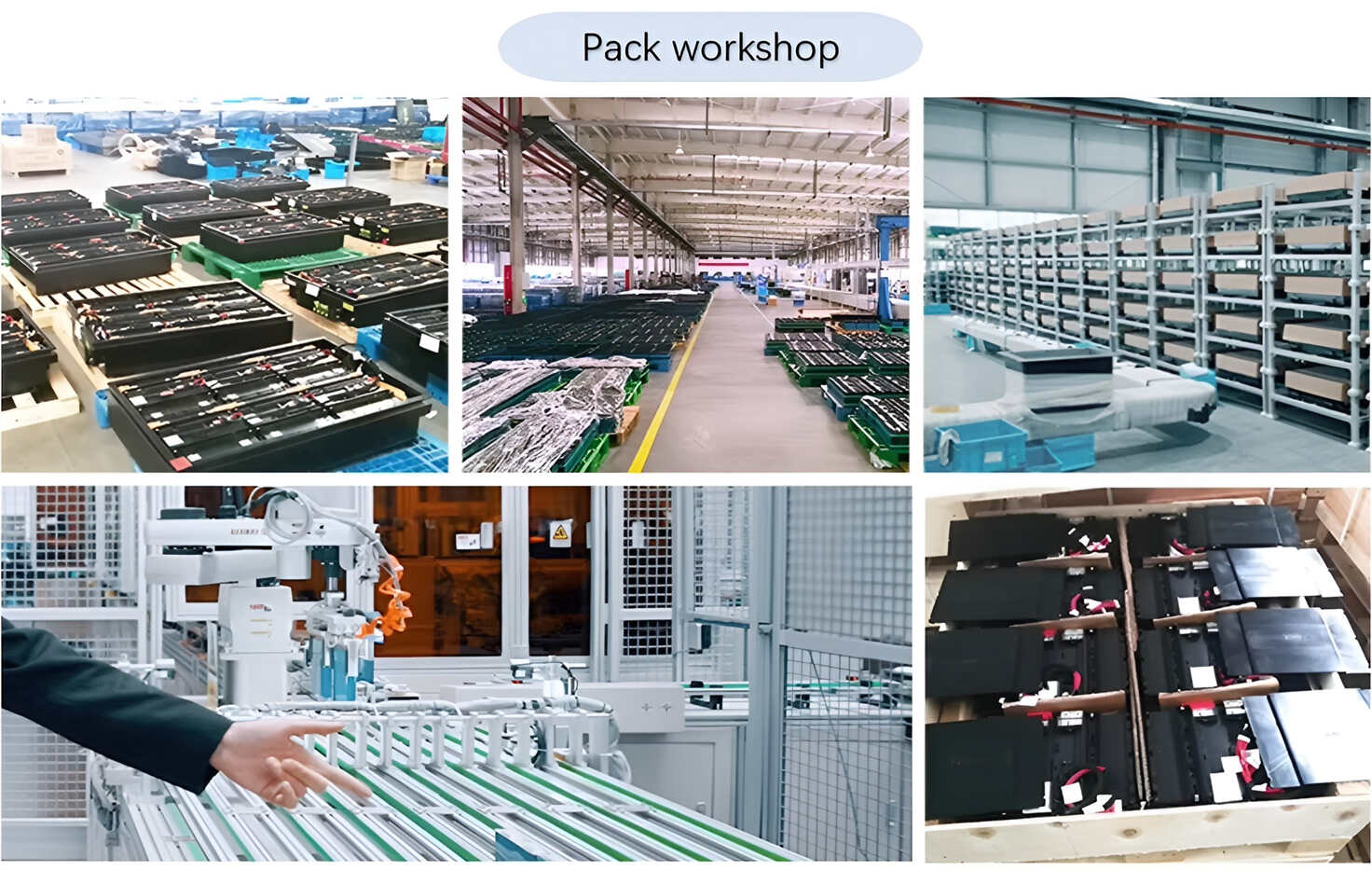
We supply customized & OEM battery pack, assemble cells with wiring, fuse and plastic cover, all the cell wires connected to PCB plug or built BMS.
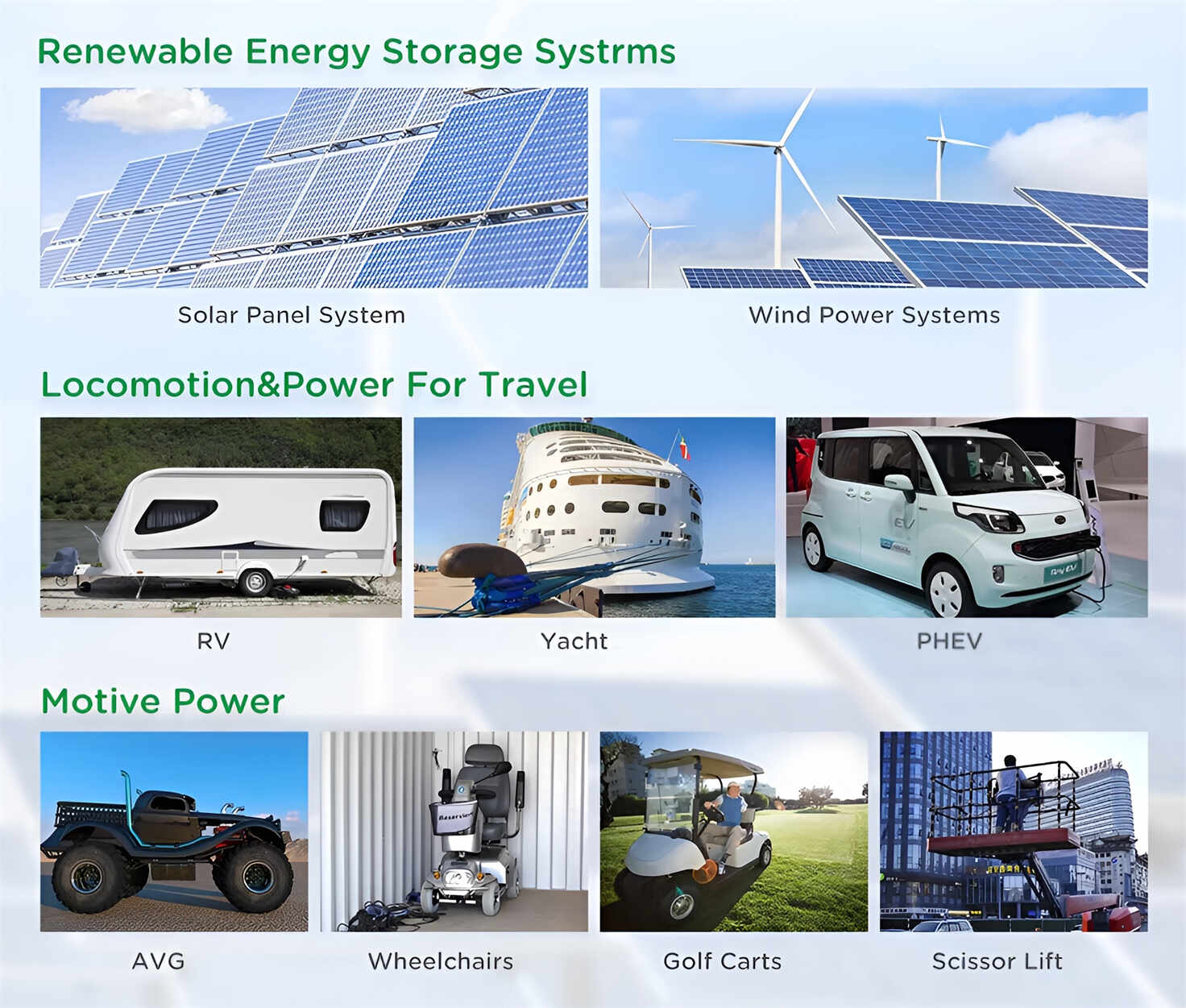
Applications: E-bike, Electric Scooter, Golf Carts, RV, Electric Wheelchair, Electric Tools, Robot Cleaner, Robot Sweeper, Solar Energy Storage System, Emergency Light, Solar Power Light, Medical Equipment, UPS Backup Power Supply.
We can provide you with customized services. We have the ability to provide a vertical supply chain, from single cells to pack/module and to a complete power solution with BMS, etc.
HomSolar (Shenzhen) Technology Co., Ltd