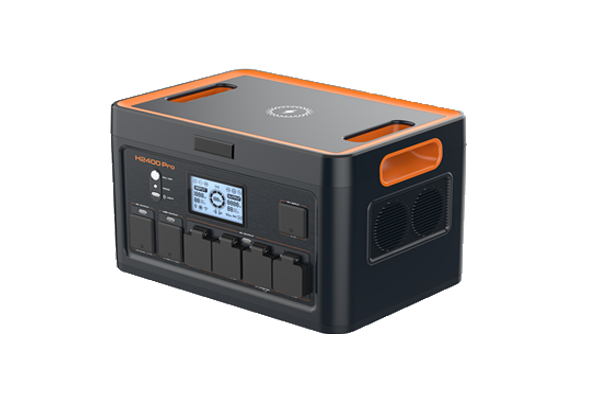
Advances In Battery Safety: From Materials Engineering To Smart System Integration
The global transition towards electrification, powered by the proliferation of electric vehicles (EVs) and grid-scale energy storage, hinges on the performance and safety of lithium-ion batteries (LIBs) and their next-generation counterparts. While energy density and cost have historically been the primary drivers of battery research, safety has emerged as an equally critical frontier. Catastrophic battery failure, often termed thermal runaway, is a chain reaction involving exothermic chemical reactions that can lead to fire, explosion, and the release of toxic gases. Recent scientific advances are tackling this challenge on multiple fronts, from re-engineering cell internals to developing intelligent external management systems, promising a new era of inherently safer energy storage.
Understanding and Mitigating Thermal Runaway
The foundational step towards enhanced safety is a deeper understanding of the mechanisms triggering thermal runaway. This process typically begins with an abuse condition—thermal (overheating), mechanical (crush or penetration), or electrical (overcharge or short circuit). This initiates a sequence of events: the breakdown of the Solid-Electrolyte Interphase (SEI), reactions between the anode and electrolyte, the collapse of the cathode structure releasing oxygen, and finally, the combustion of the electrolyte. Recent research has focused on interrupting this chain reaction at its earliest stages.
A significant breakthrough has been the development of self-extinguishing electrolytes. Traditional carbonate-based electrolytes are highly flammable. Researchers are now formulating non-flammable or flame-retardant electrolytes by incorporating functional additives or using new solvent bases. For instance, phosphate-based and fluorinated electrolytes have shown remarkable ability to suppress combustion. A promising approach involves the use of "redox shuttle" additives that become active at a specific overcharge potential, effectively creating an internal bypass to prevent dangerous voltage spikes (Zhang et al., 2021). Furthermore, the advent of localized high-concentration electrolytes (LHCEs) has improved the stability of the SEI and the compatibility with high-energy lithium-metal anodes, simultaneously boosting energy density and safety margins.
Innovations in Separator and Anode Technology
The separator, a critical component that prevents physical contact between the anode and cathode, has been a major focus of safety-centric engineering. Conventional polyolefin separators melt at relatively low temperatures (~130-150°C), leading to internal short circuits. The latest generation of separators incorporates ceramic coatings (e.g., Al2O3, SiO2) which enhance thermal stability and mechanical strength. Beyond passive coatings, "smart" separators with stimulus-responsive properties have been developed. For example, thermoresponsive separators incorporate polymer microspheres that expand and shut down ionic conduction upon reaching a critical temperature, effectively creating an internal circuit breaker (Chen et al., 2022).
On the anode side, the replacement of graphite with lithium metal is a key pursuit for higher energy density, but it is plagued by the growth of dendritic lithium, which can pierce the separator and cause short circuits. Recent progress in this area includes the development of advanced 3D host structures and artificial SEI layers. These engineered interfaces, often composed of polymers or inorganic composites, are designed to be mechanically robust and chemically stable, guiding uniform lithium deposition and suppressing dendrite formation. For conventional graphite anodes, research into ultra-fast charging protocols, informed by machine learning models that predict lithium plating, is helping to avoid a primary degradation and safety risk.
Solid-State Batteries: The Ultimate Safety Paradigm?
Perhaps the most anticipated leap in battery safety is the commercialization of all-solid-state batteries (ASSBs). By replacing the volatile liquid electrolyte with a non-flammable solid-state electrolyte (SSE), the primary fuel for thermal runaway is removed. SSEs, typically ceramic or solid-polymer based, are intrinsically safer and can also act as a physical barrier to dendrite growth.
The research community is actively overcoming the key challenges of ASSBs, namely low ionic conductivity at room temperature and high interfacial resistance between the solid electrolyte and the electrodes. Recent breakthroughs include the development of halide-based SSEs (e.g., Li3YCl6) which offer high conductivity and good oxidative stability against high-voltage cathodes (Wang et al., 2023). Another promising direction is the engineering of composite solid electrolytes that combine the mechanical properties of polymers with the high conductivity of ceramics. While manufacturing and cost hurdles remain, the progress in ASSB technology signifies a fundamental shift towards eliminating the root cause of flammability.
The Role of System-Level Intelligence and Prognostics
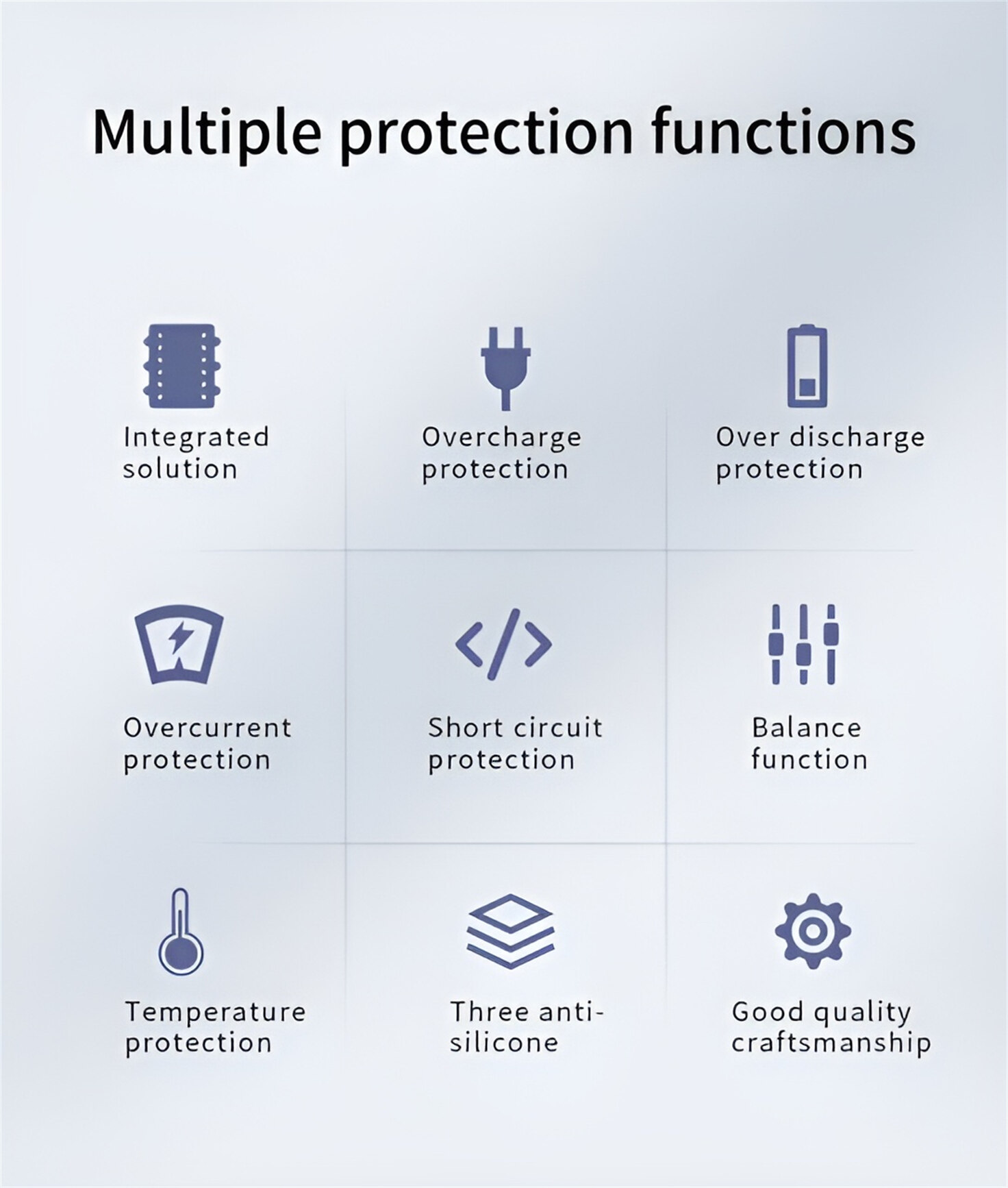
Even with improved cell chemistry, safety must be managed at the system level. The Battery Management System (BMS) is evolving from a simple monitor of voltage and temperature into an intelligent prognostic health management system. The latest research integrates multi-physics sensors that can detect not just temperature, but also internal pressure and gas generation—early warning signs of failure.
Machine learning and artificial intelligence are playing an increasingly pivotal role. By training algorithms on vast datasets of battery cycling and failure tests, researchers can develop models that predict the onset of thermal runaway minutes or even hours before it occurs. These digital twins of the physical battery can analyze subtle changes in operational data to detect anomalies indicative of internal soft shorts or degradation mechanisms. For example, work by Richardson et al. (2022) demonstrated an AI-driven early warning system that could detect precursor signals to thermal runaway with over 95% accuracy by analyzing the differential voltage and temperature curves during operation. This shift from reactive to predictive and preventative safety is a game-changer for real-world applications.
Future Outlook and Challenges
The future of battery safety lies in a holistic, multi-scale approach. At the material level, the search for intrinsically safe components will continue, with solid-state batteries and aqueous batteries (using water-based electrolytes) representing long-term goals. The integration of self-healing polymers, which can autonomously repair micro-cracks in electrodes or the SEI, is another exciting frontier.
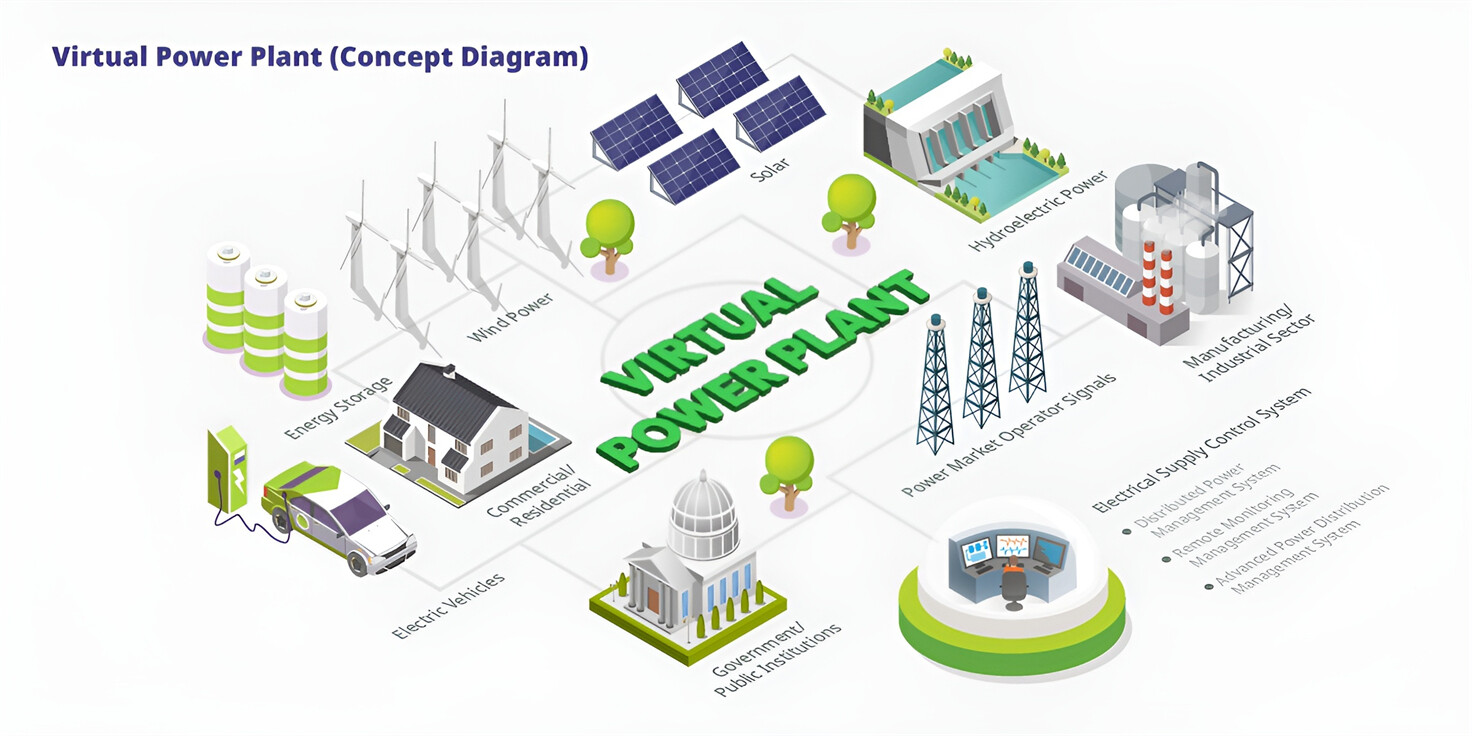
At the system level, the BMS will become more integrated with the vehicle or grid management system, enabling real-time risk assessment and mitigation strategies. Standardization of safety testing protocols and the development of global regulations will be crucial to ensure that laboratory breakthroughs translate into reliable commercial products.
In conclusion, the field of battery safety is undergoing a profound transformation. The convergence of advanced materials science, sophisticated electrochemistry, and data-driven intelligence is creating a robust toolkit to prevent battery failures. While the pursuit of higher energy density will persist, it is now inextricably linked with the imperative of safety. The continued progress along these interconnected pathways is essential to powering a secure and sustainable electrified future.
ReferencesChen, S., et al. (2022). A Thermoresponsive Composite Separator with Shutdown Function for Safe Lithium-Ion Batteries.Advanced Energy Materials, 12(15), 2103201.Richardson, R. R., et al. (2022). Machine Learning for Early Warning of Battery Failure.Joule, 6(4), 789-805.Wang, C., et al. (2023). High-Voltage and High-Safety Practical All-Solid-State Lithium Batteries with Halide Solid Electrolytes.Nature Energy, 8, 443-454.Zhang, Z., et al. (2021). Non-flammable Electrolytes with Advanced Solvation Chemistry for Lithium-Ion Batteries.Energy & Environmental Science, 14, 4955-4972.
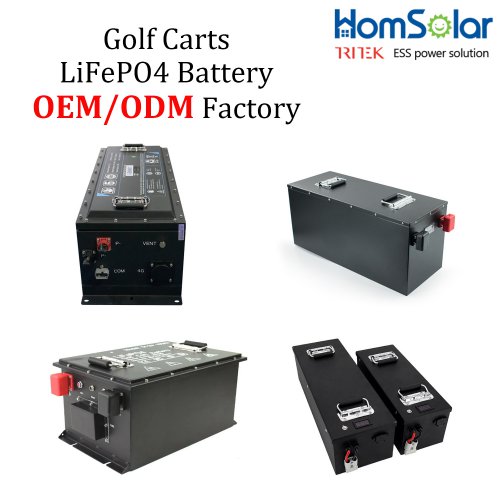
Customized/OEM/ODM Service
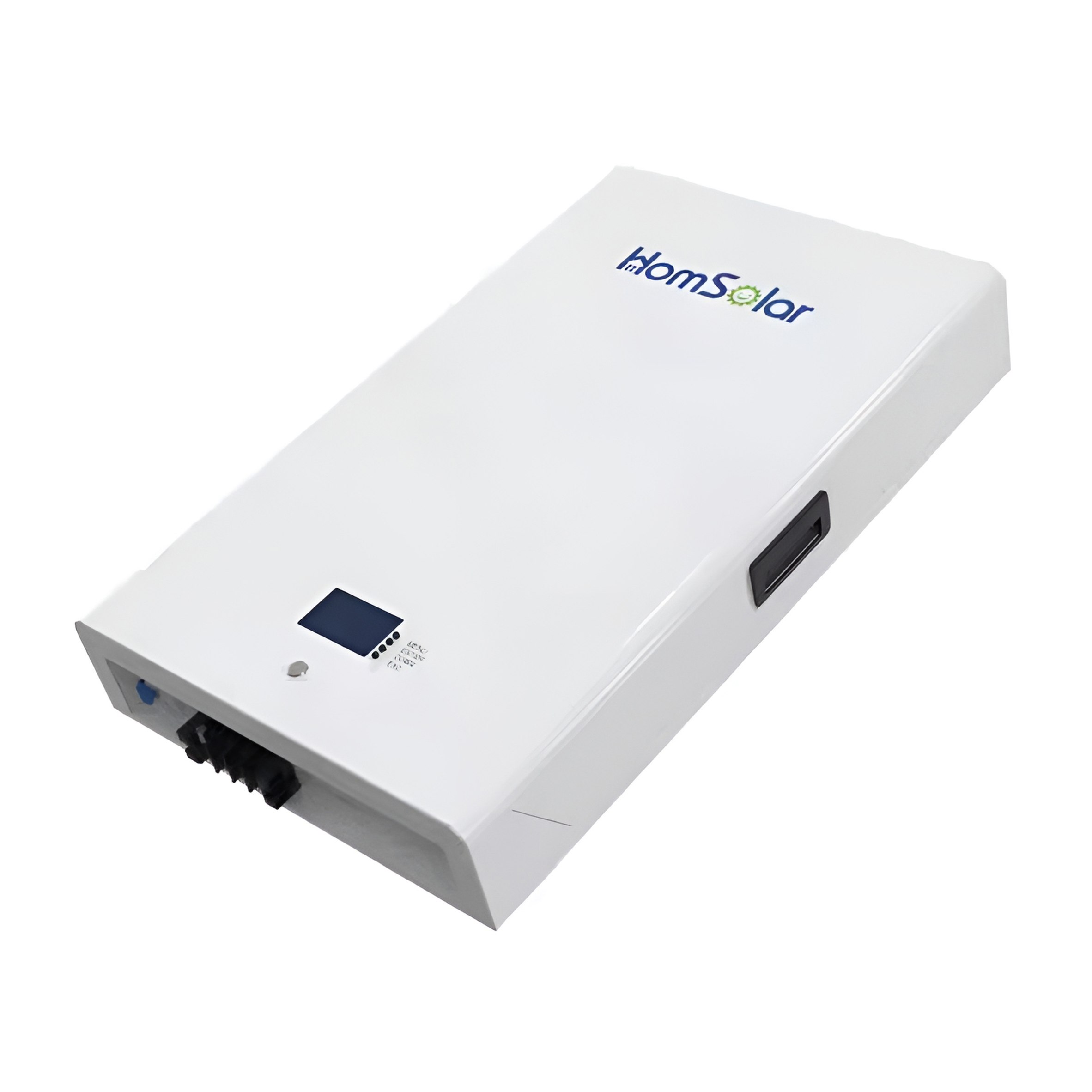
HomSolar Supports Lifepo4 battery pack customization/OEM/ODM service, welcome to contact us and tell us your needs.

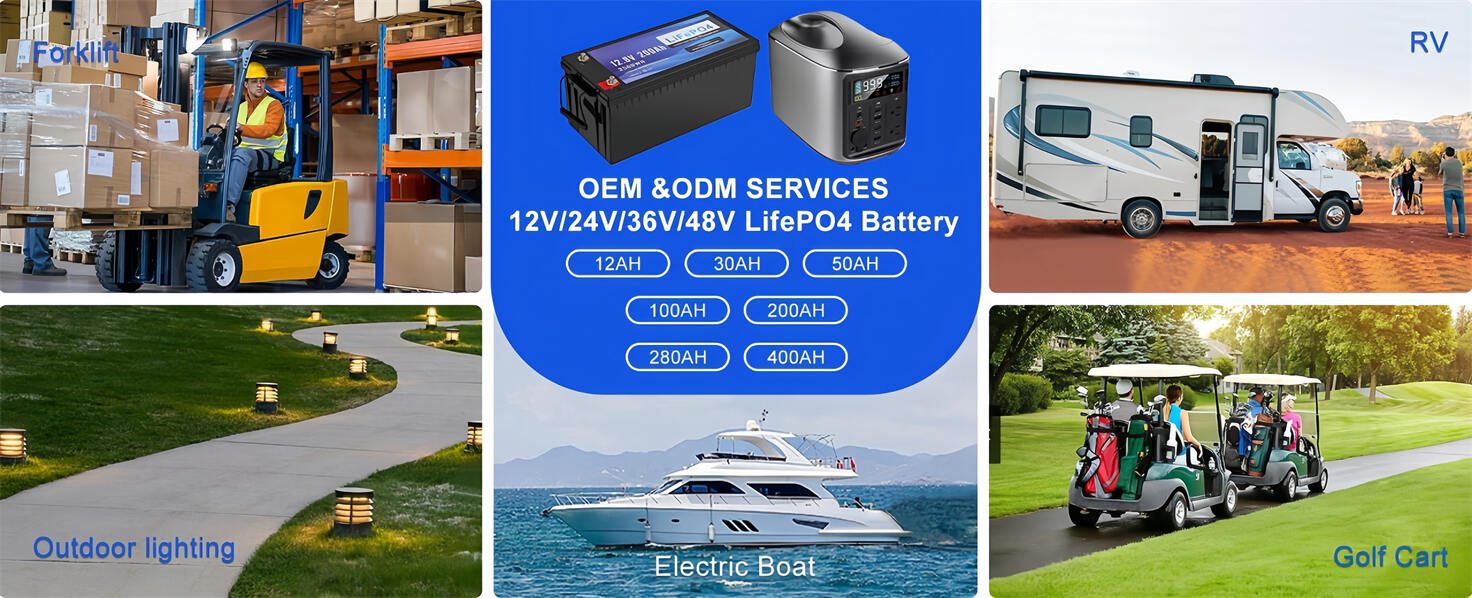
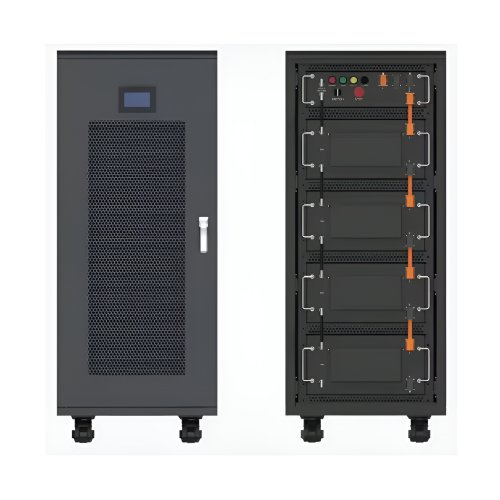
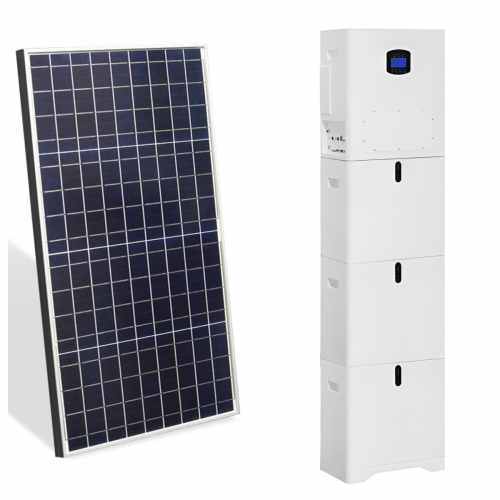
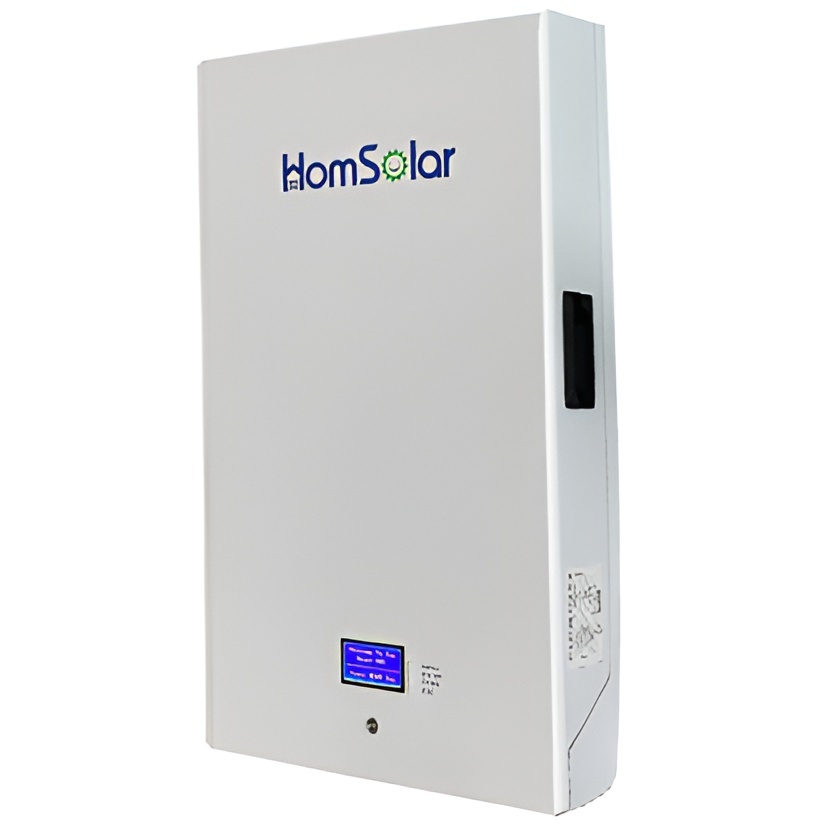
HomSolar: Your One-stop LiFePO4 Battery Pack & ESS Solution Manufacturer
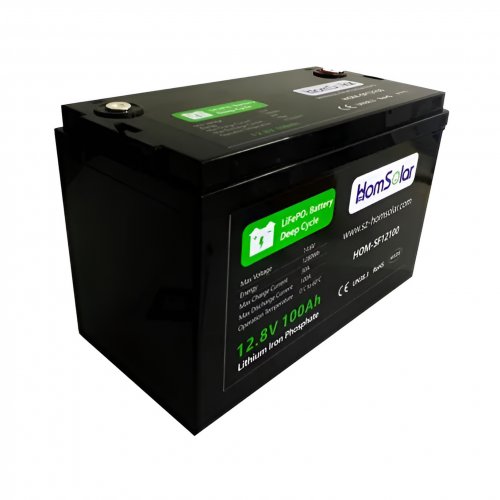
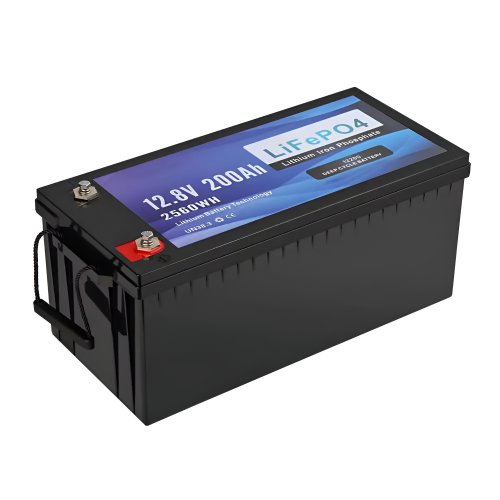
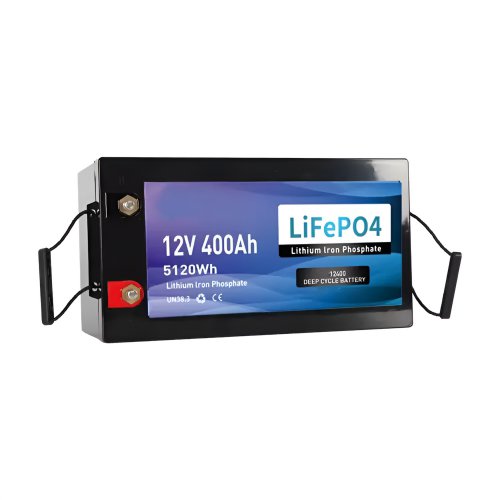
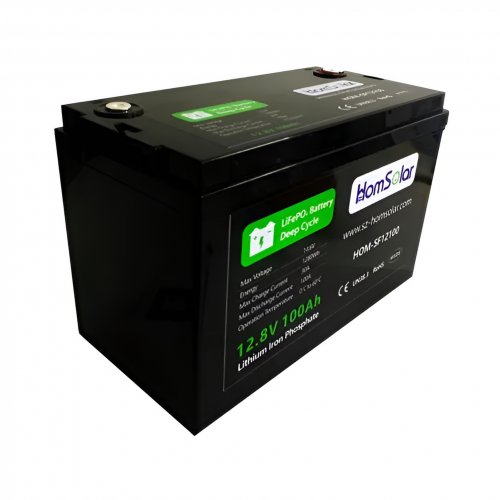
Our line of LiFePO4 (LFP) batteries offer a solution to demanding applications that require a lighter weight, longer life, and higher capacity battery. Features include advanced battery management systems (BMS), Bluetooth® communication and active intelligent monitoring.
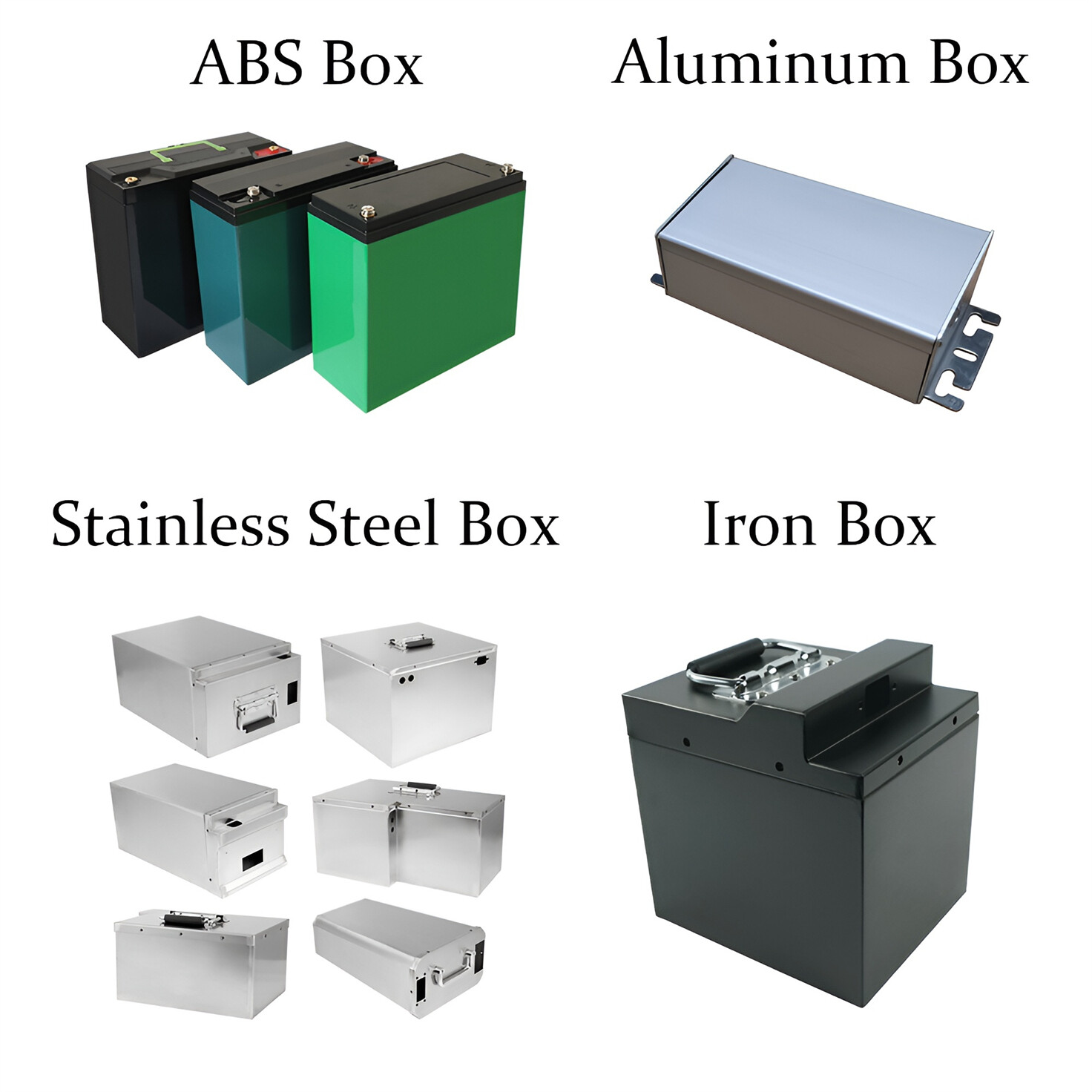
Customised Lithium Iron Phosphate Battery Casing
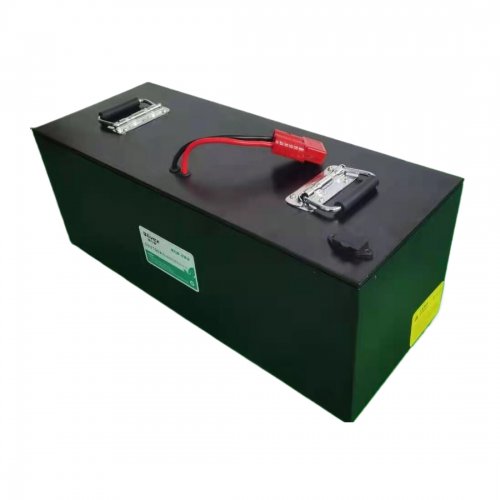
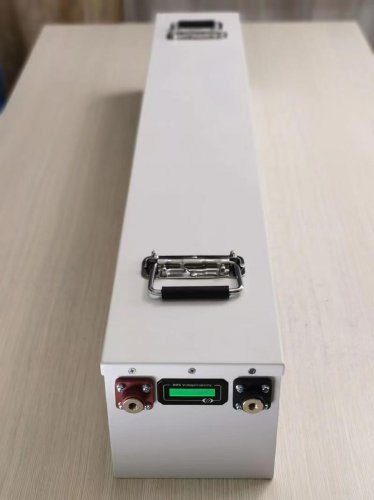
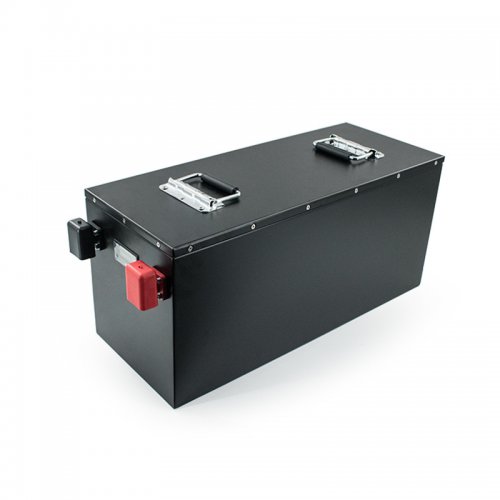
ABS plastic housing, aluminium housing, stainless steel housing and iron housing are available, and can also be designed and customised according to your needs.
HomSolar Smart BMS
Intelligent Battery Management System for HomSolar Energy Storage System. Bluetooth, temperature sensor, LCD display, CAN interface, UART interface also available.

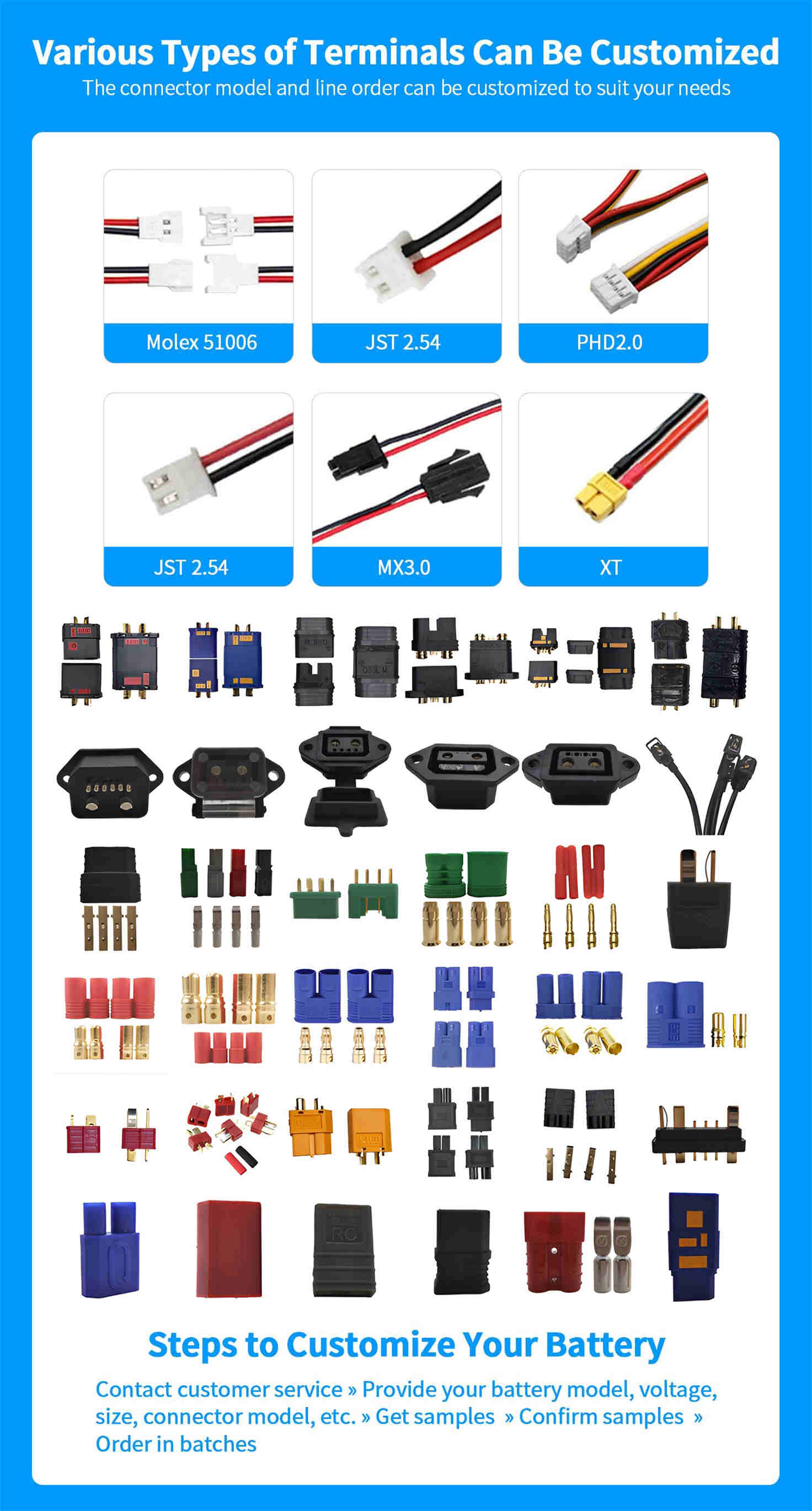
Terminals & Plugs Can Be Customized
A wide range of terminals and plugs can be customised to suit the application needs of your battery products.
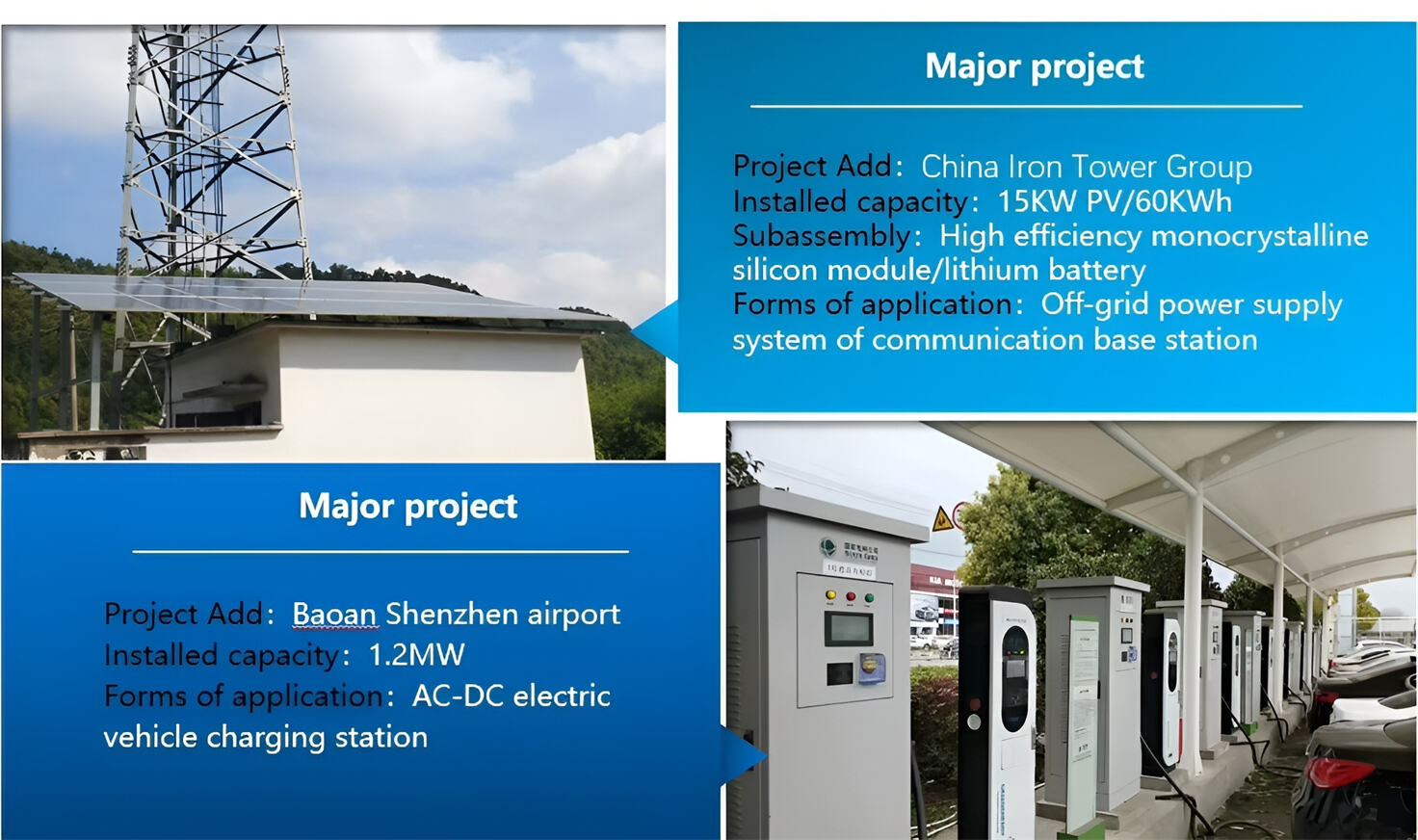
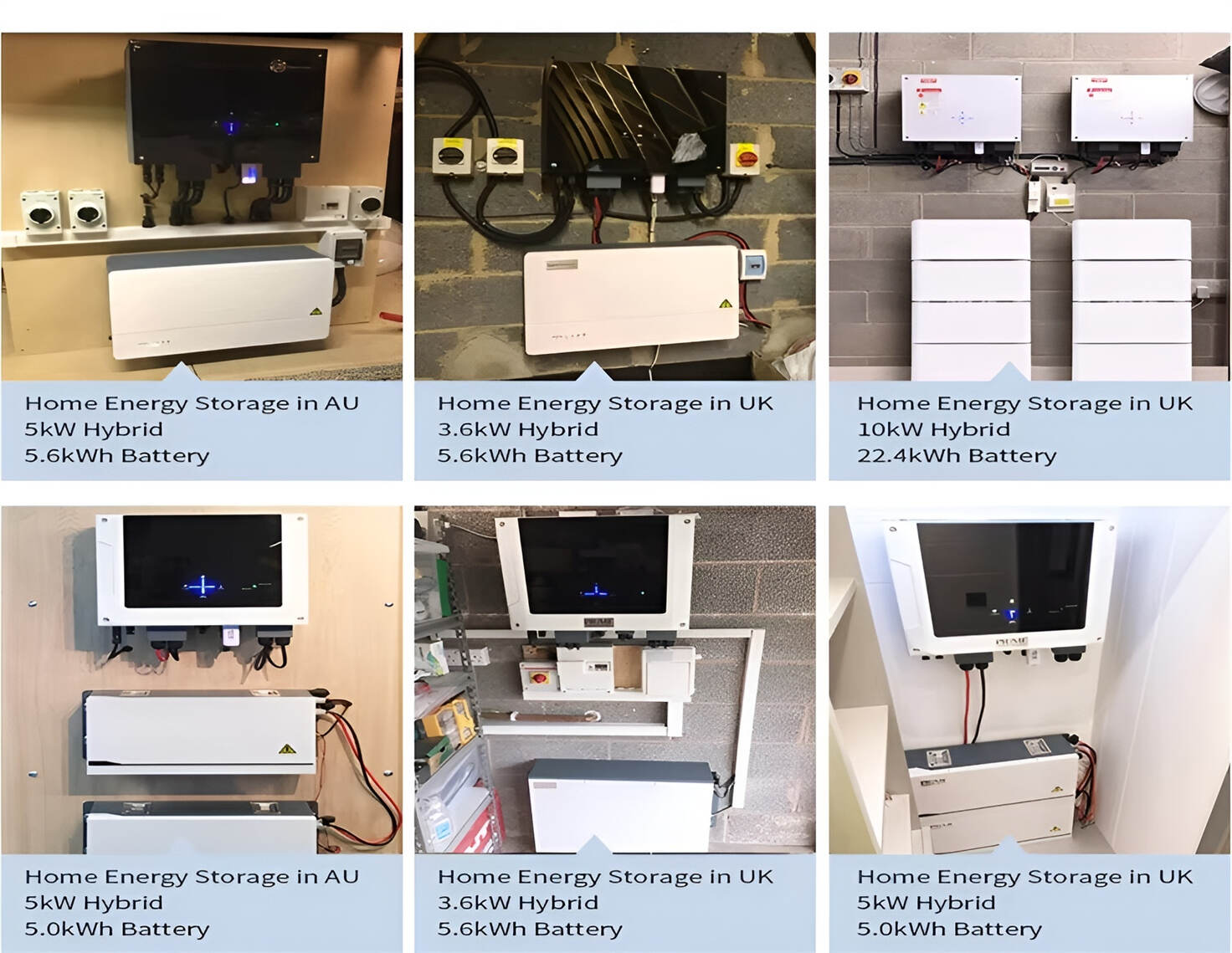
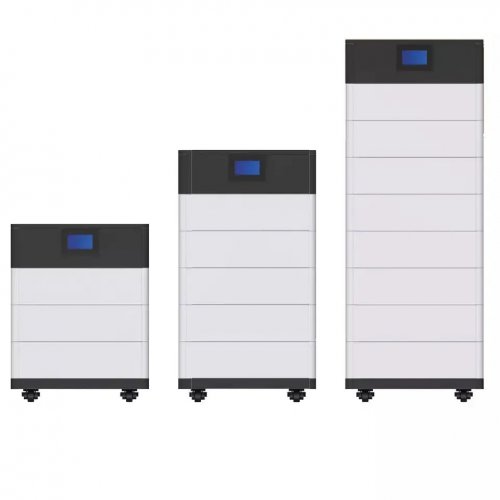
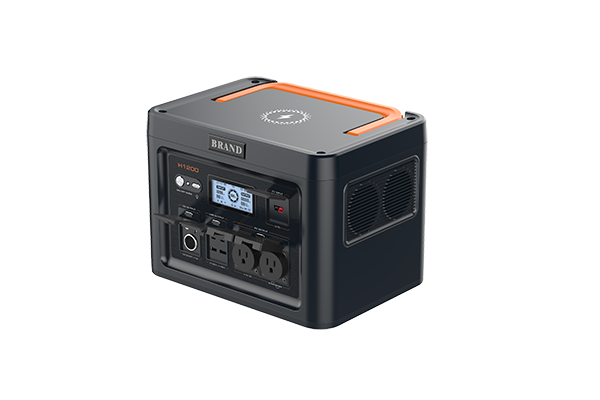
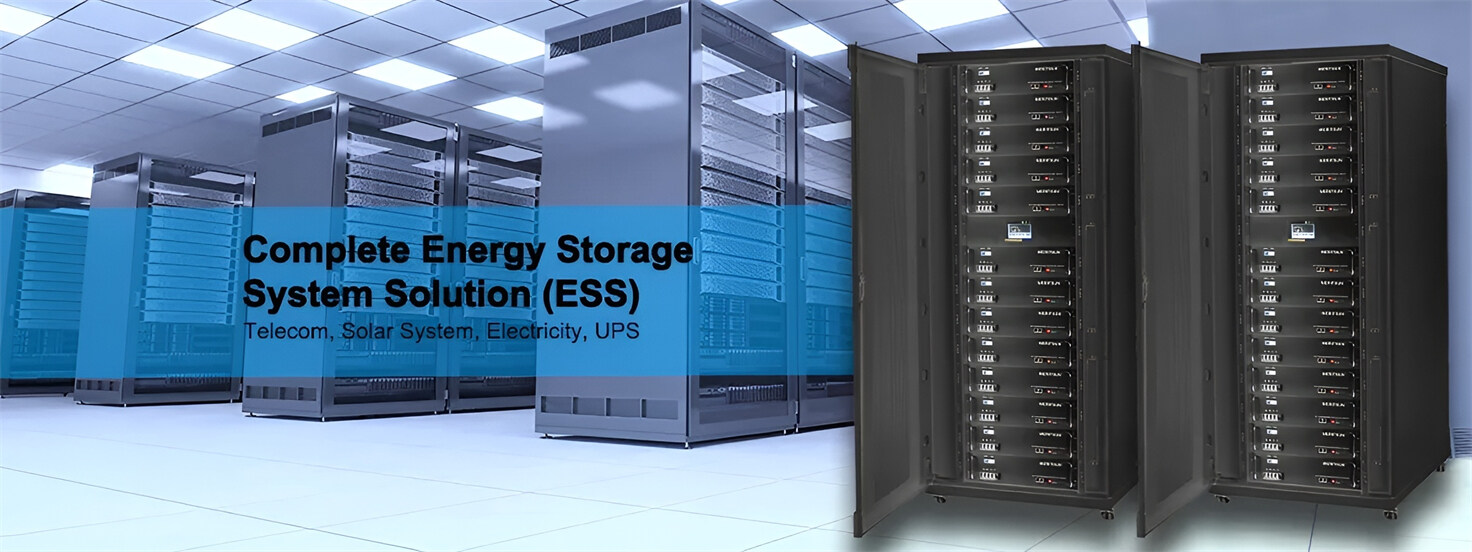
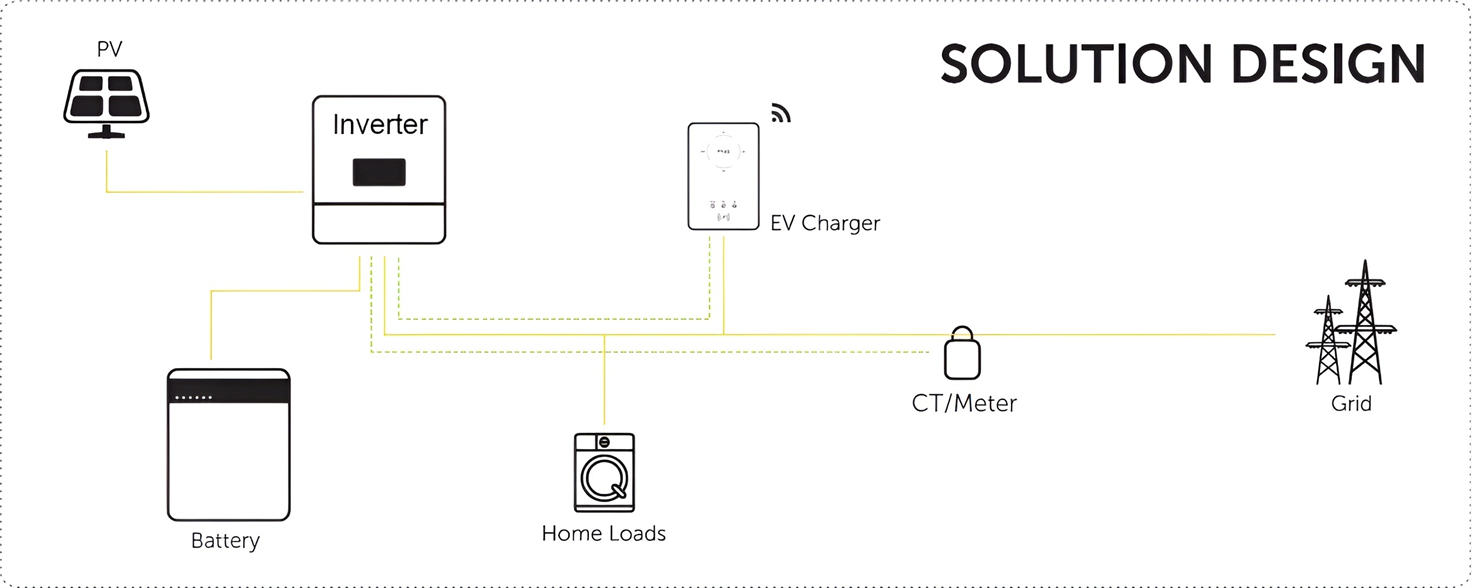
Well-designed Solutions for Energy Storage Systems
We will design the perfect energy storage system solution according to your needs, so that you can easily solve the specific industry applications of battery products.
About Our Battery Cells
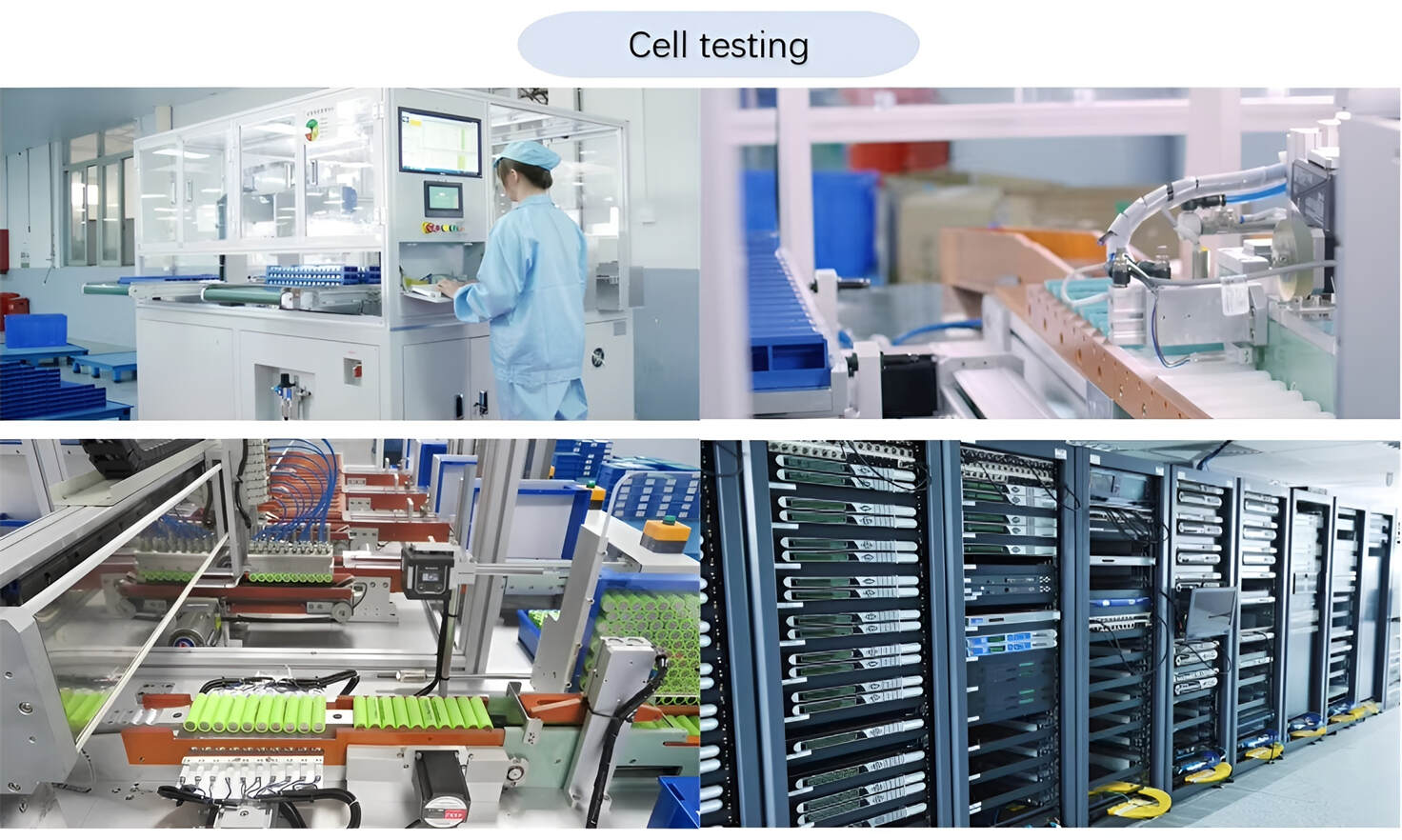
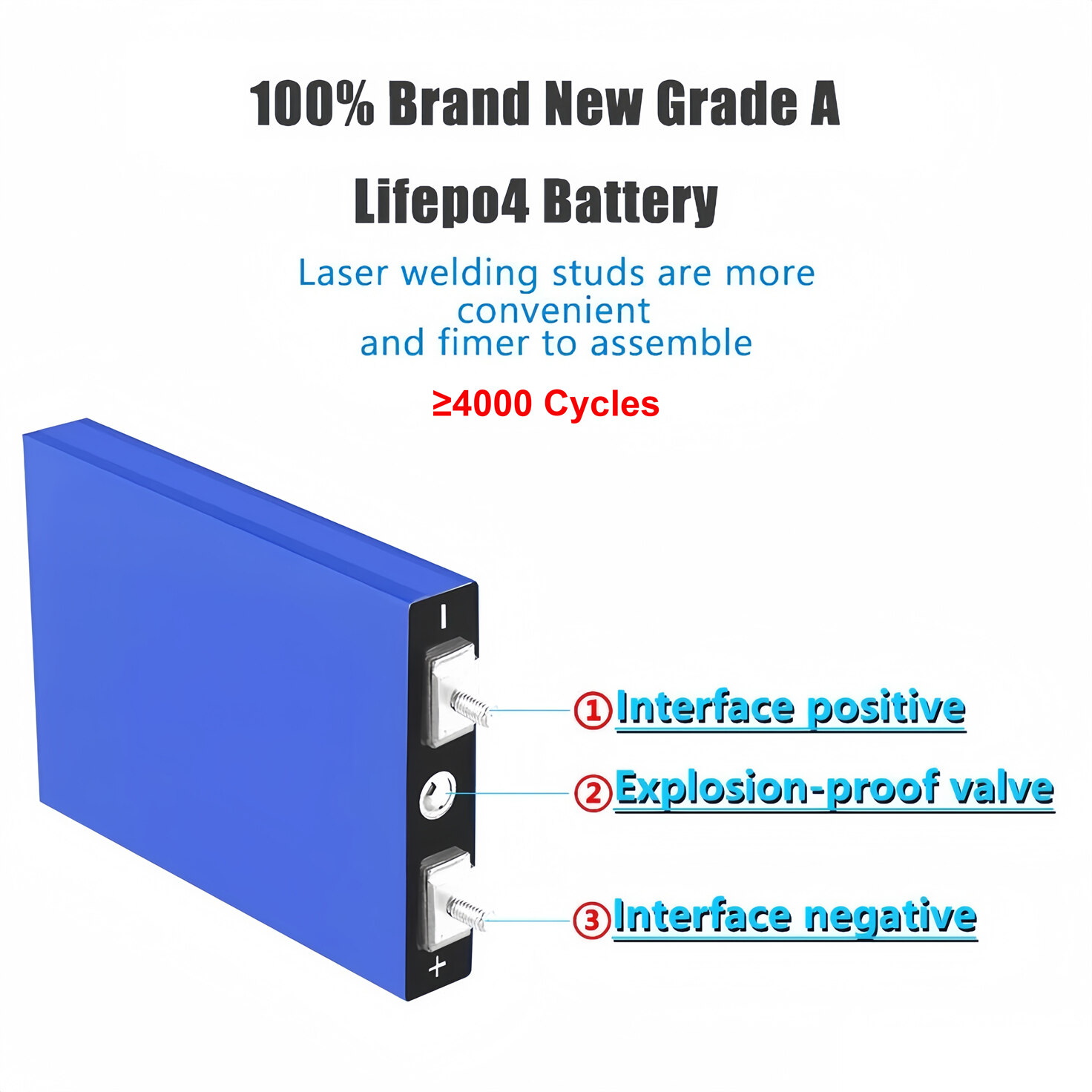
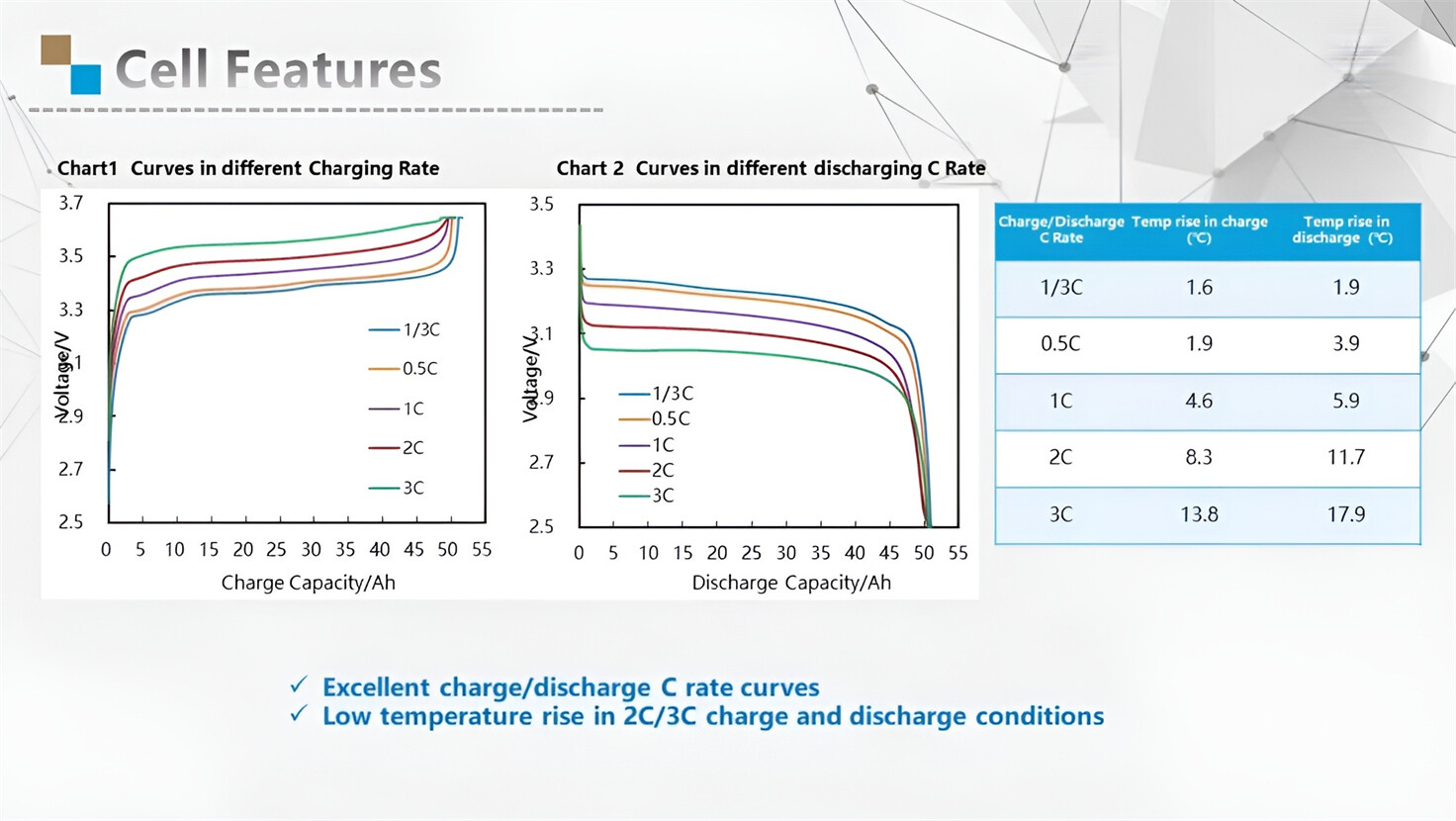
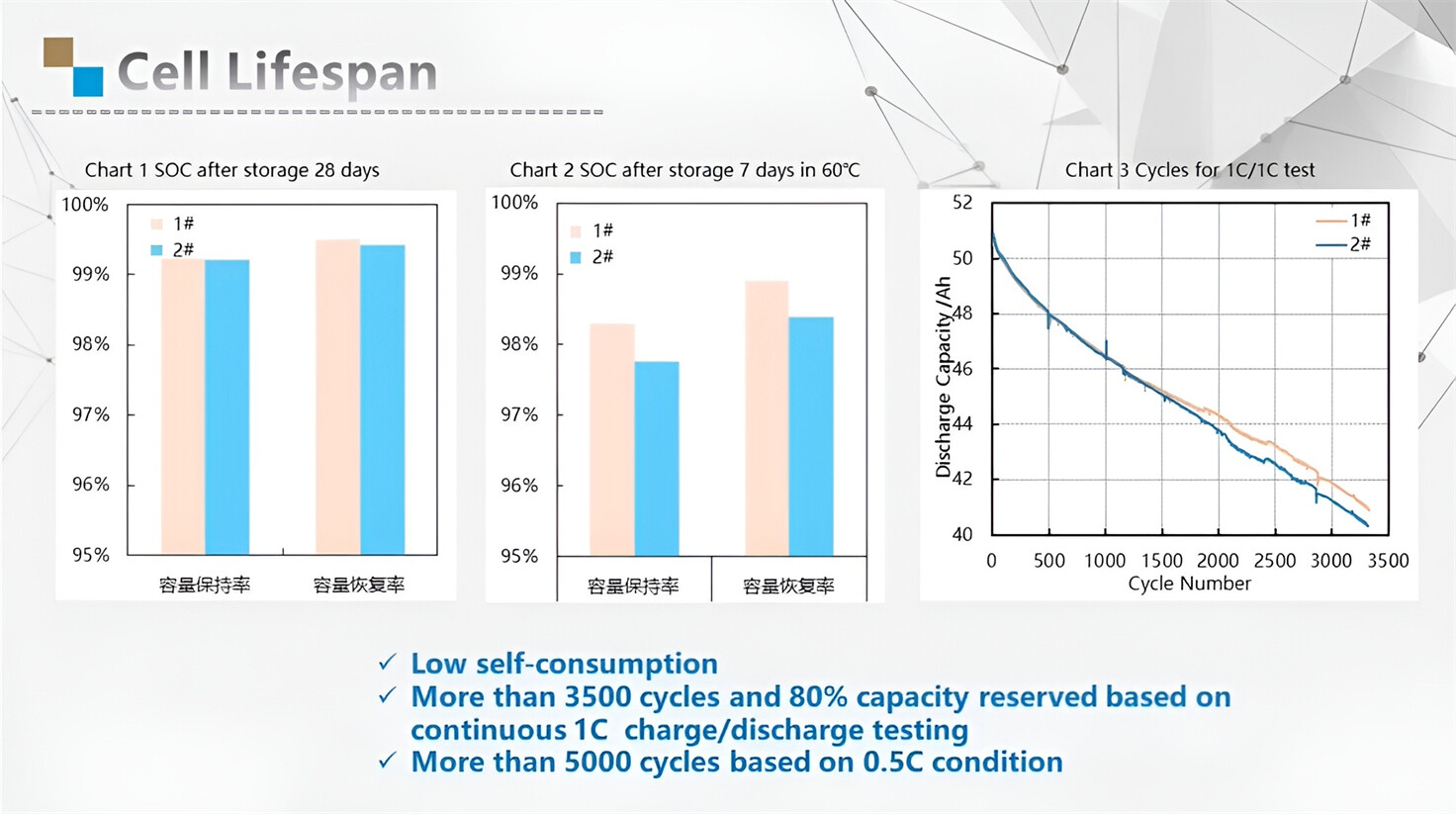
Our energy storage system products use brand new grade A LiFePO4 cells with a battery lifespan of more than 4,000 charge/discharge cycles.
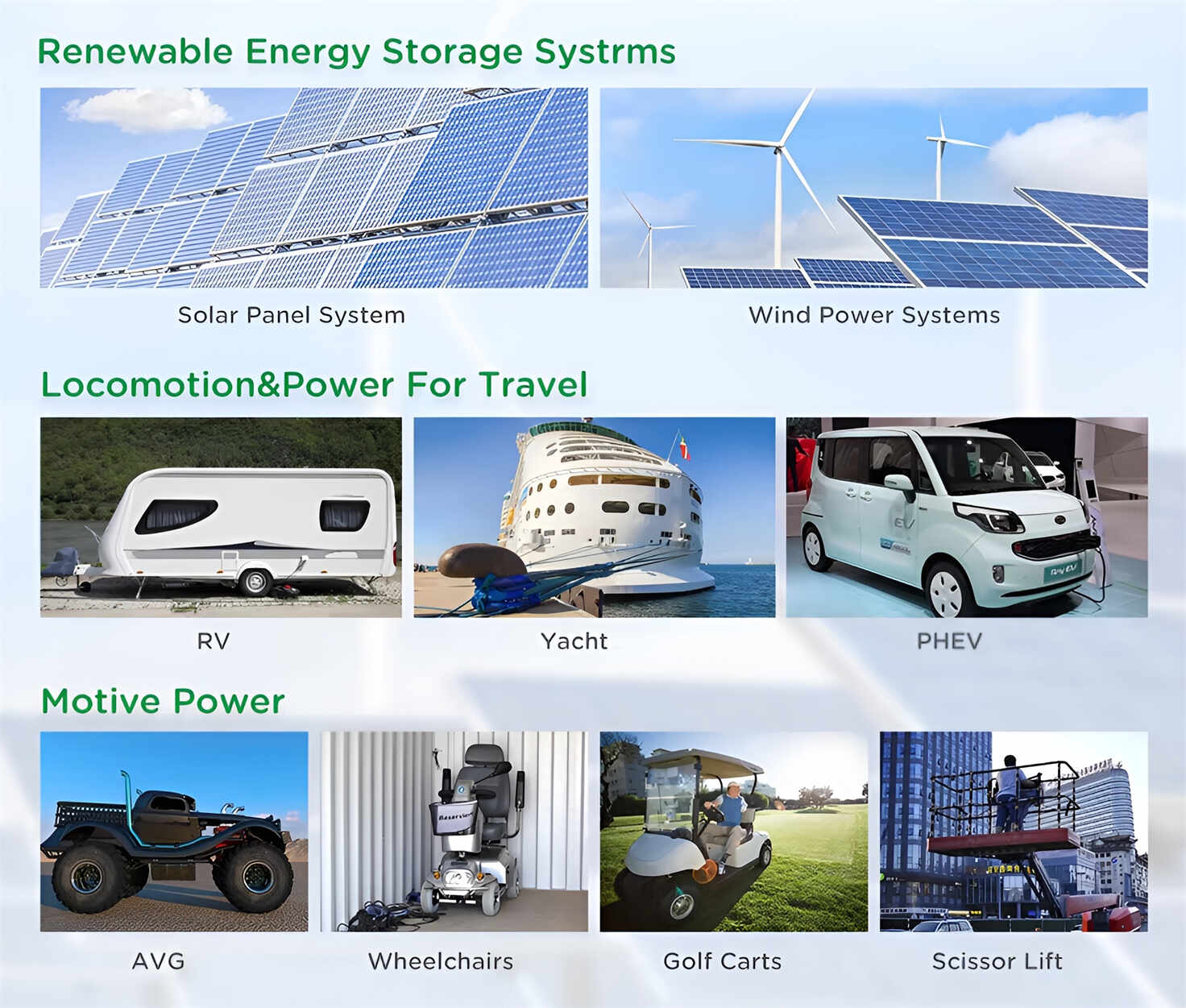
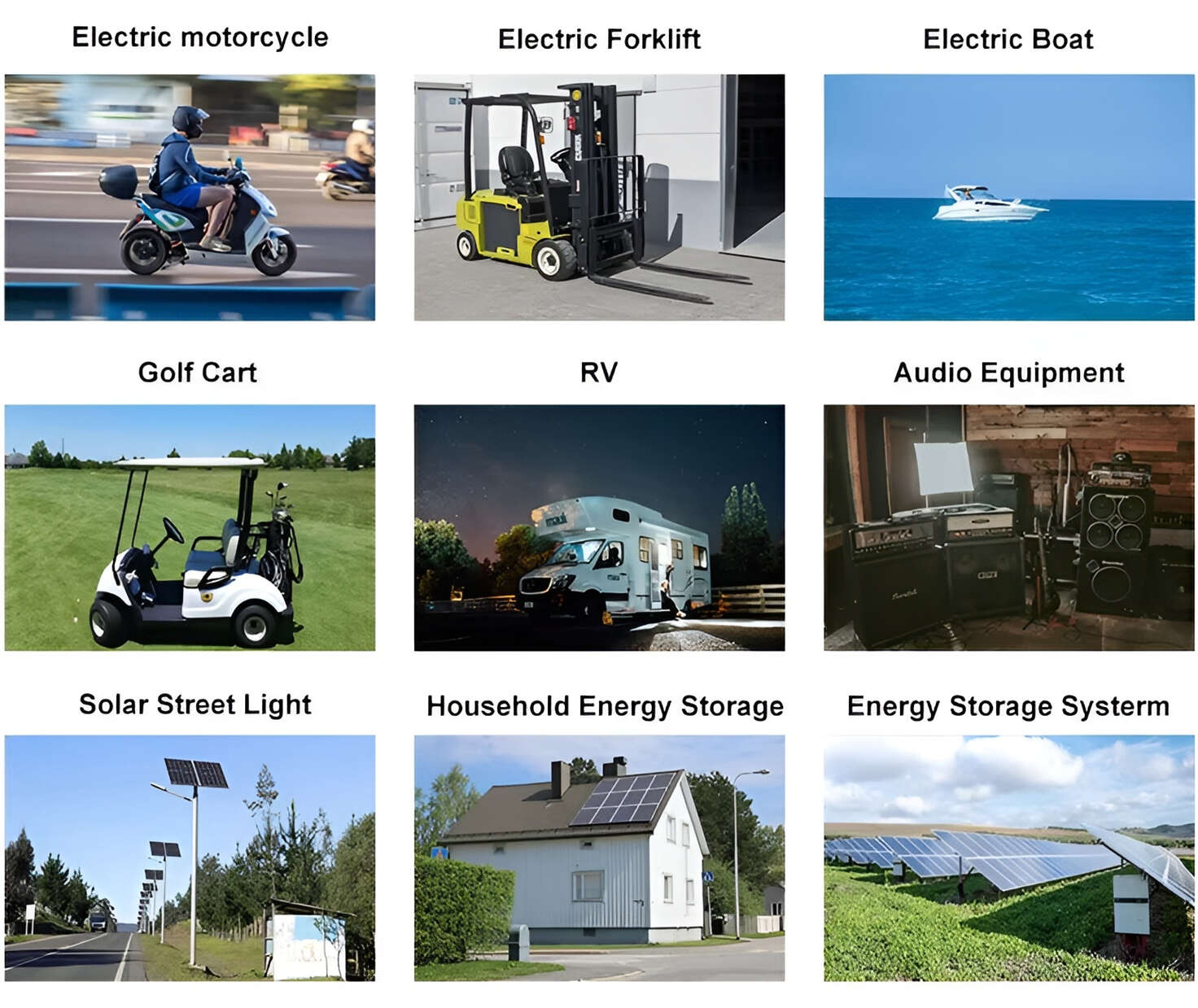
Applications in Different Industries
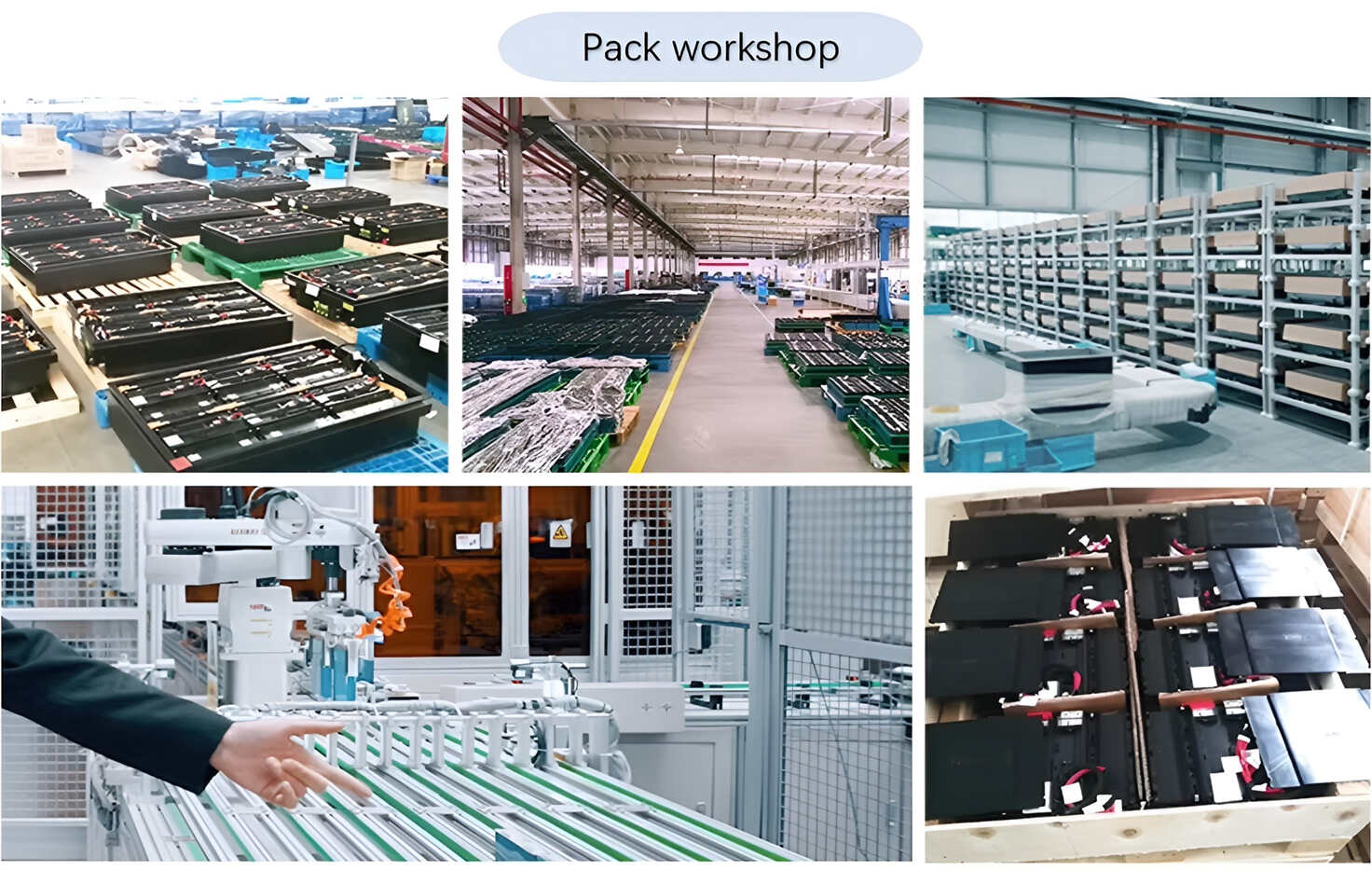
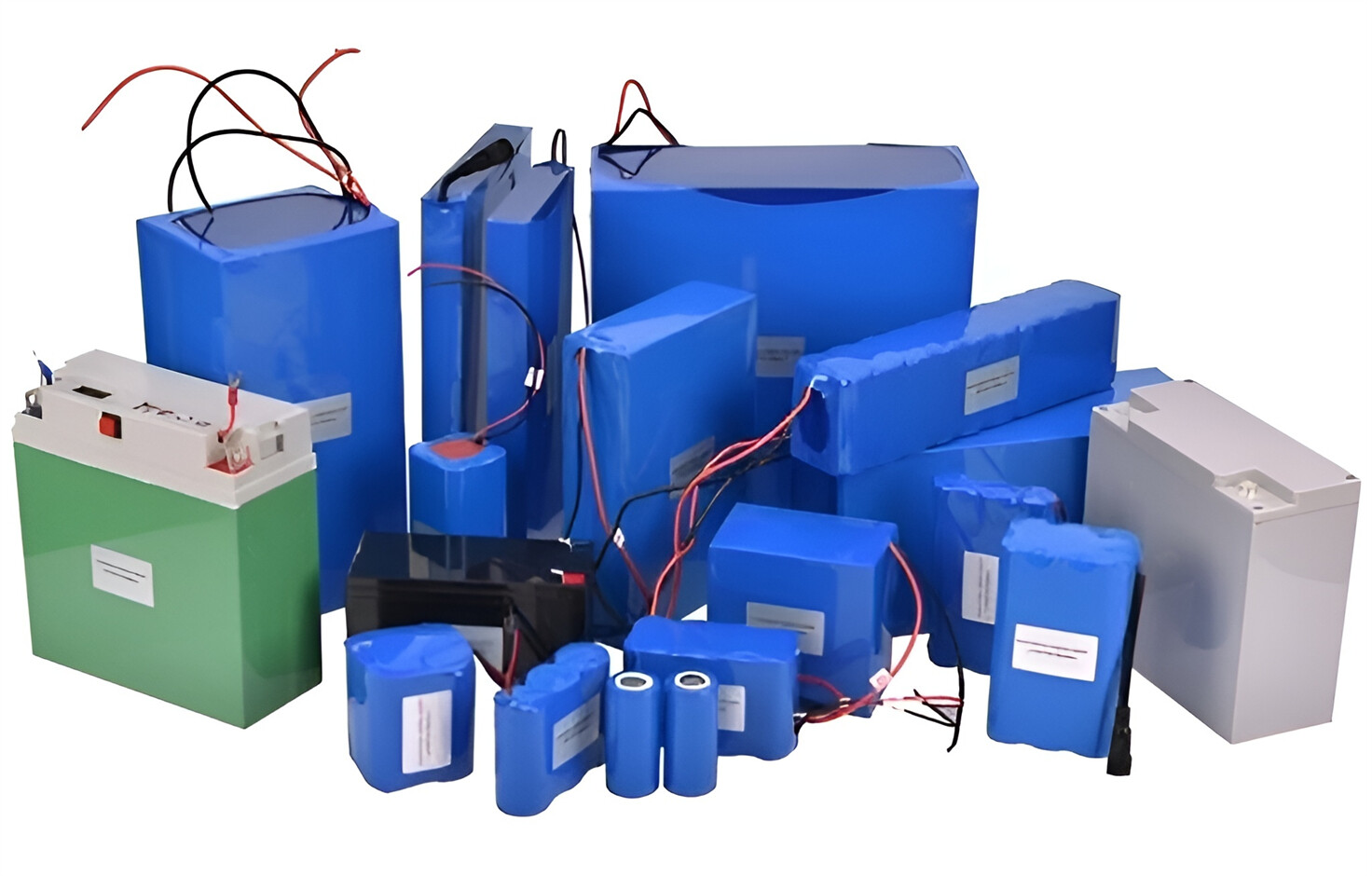
We supply customized & OEM battery pack, assemble cells with wiring, fuse and plastic cover, all the cell wires connected to PCB plug or built BMS.
Applications: E-bike, Electric Scooter, Golf Carts, RV, Electric Wheelchair, Electric Tools, Robot Cleaner, Robot Sweeper, Solar Energy Storage System, Emergency Light, Solar Power Light, Medical Equipment, UPS Backup Power Supply.
We can provide you with customized services. We have the ability to provide a vertical supply chain, from single cells to pack/module and to a complete power solution with BMS, etc.
HomSolar (Shenzhen) Technology Co., Ltd